The Business Case for Vaccine Passports
They’re not perfect. But they would help revive airlines, restaurants and other struggling enterprises.
Photographer: Joel Saget/AFP/Getty Images
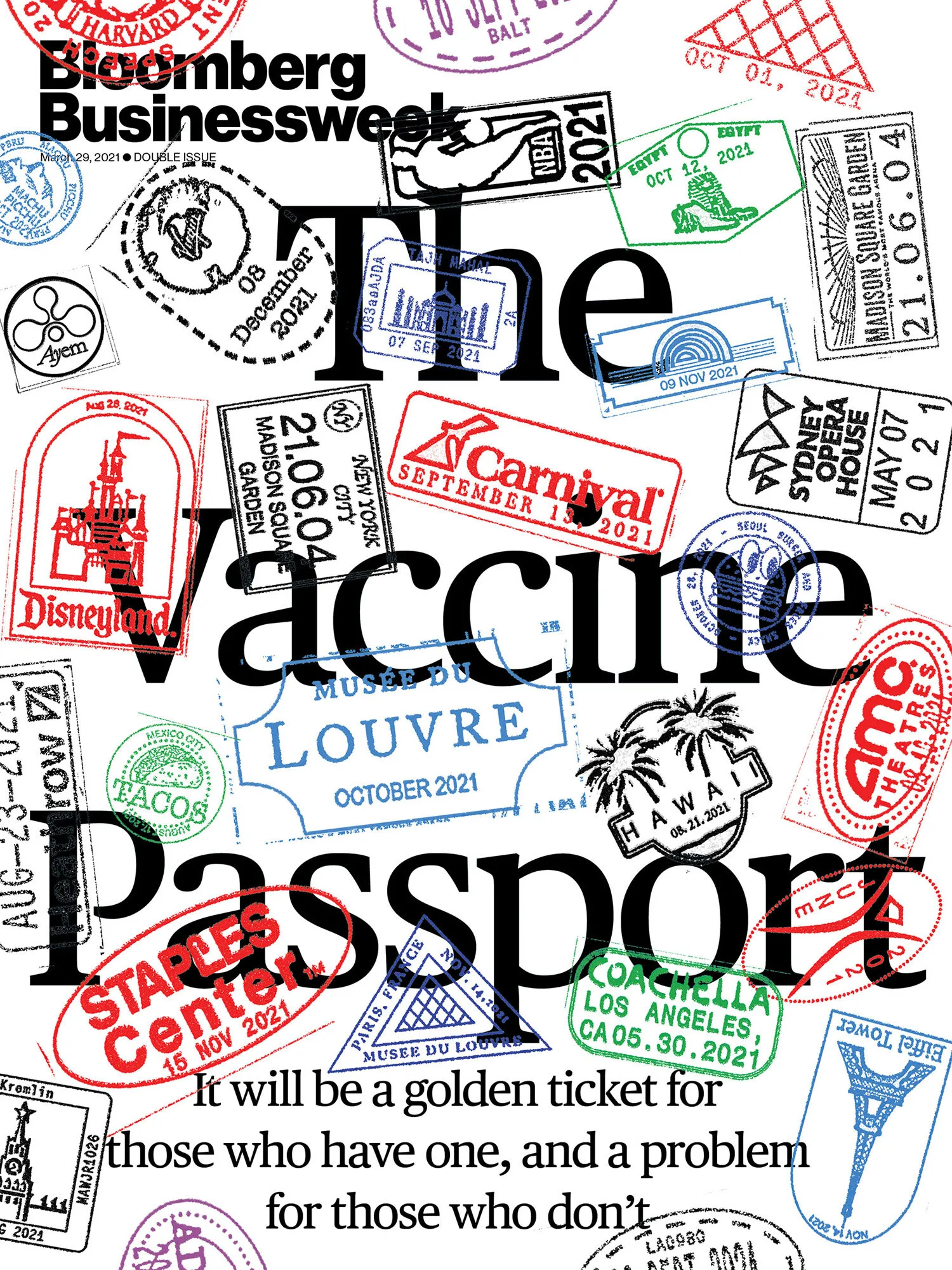
Once people have been vaccinated against Covid-19, they’re safer to dine out, fly on airplanes, attend concerts and movies, work out at the gym, go to the office, cross borders and otherwise move about — as long as they wear masks around other people indoors, avoid large groups and keep their distance. How can they demonstrate that they have this protection? By showing a “vaccine passport,” perhaps in the form of a smartphone app.
Israel, the U.K., the European Union and other governments are creating such digital documents, as are private organizations. President Joe Biden is assessing whether the U.S. should have them. Yet vaccine passports have met resistance. Critics, including the World Health Organization, worry that they might exacerbate inequality, undermine privacy or simply not work very well. These concerns ought to be addressed, but they shouldn’t veto a useful tool for speeding a post-Covid return to normal life.