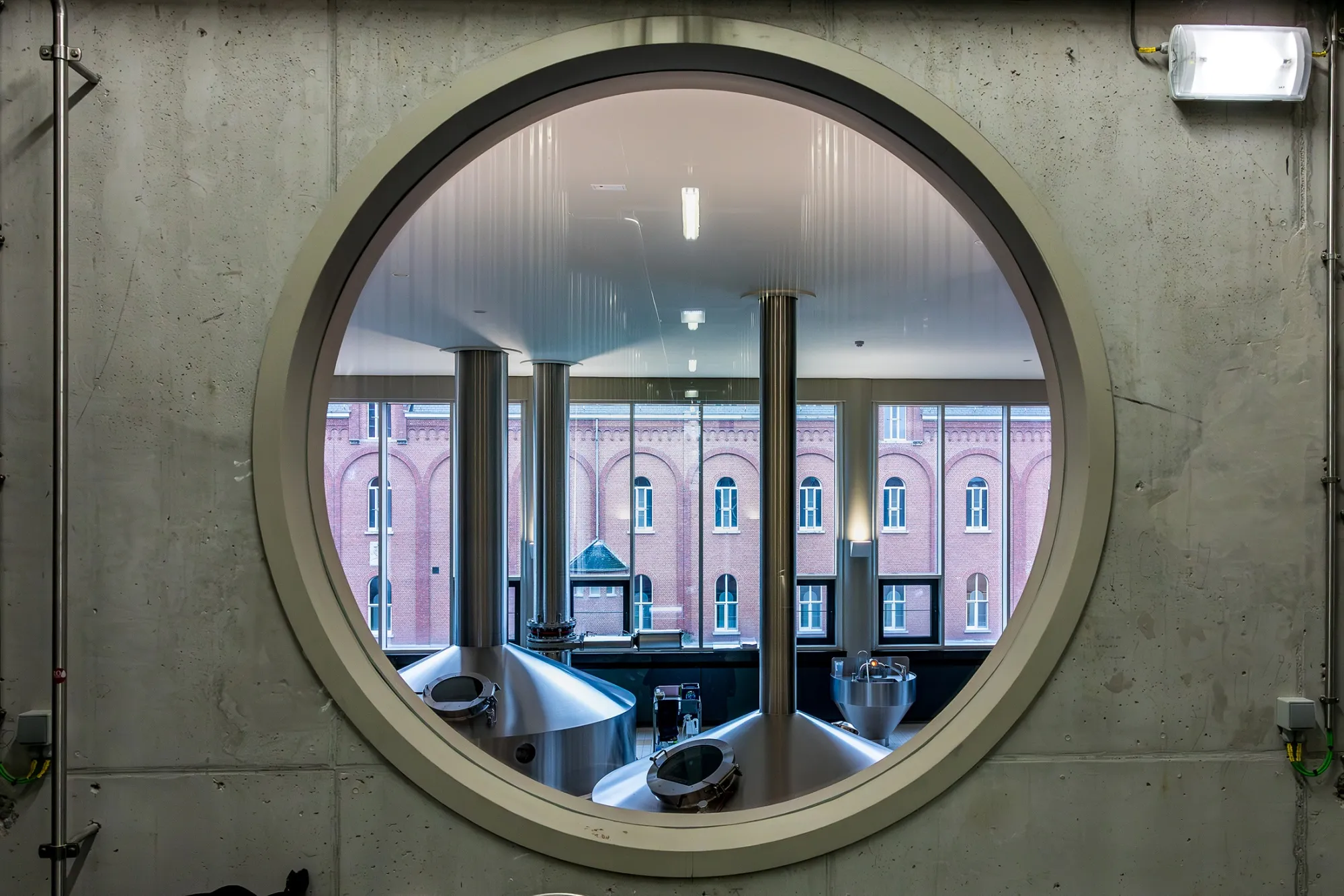
The fermentation room in the Westmalle Brewery outside of Antwerp that has been run by monks in Belgium for nearly 200 years.
Photographer: Omar Havana/BloombergBelgium's Beer-Brewing Monks Face Threat to Their Way of Life
Gray market suppliers and a changing world are forcing Trappist monasteries to rethink how they do business.
The Abbey of Saint Sixtus has dealt with a lot in its almost 200-year history. But more recently, the catholic monastery in West Flanders — best known for its premium Belgian Westvleteren beers — has been confronting a double challenge: a thriving black market that has forced it to adapt its centuries-old business model, and a second, potentially greater existential hazard, the Trappist order running out of monks.
The beer’s popularity can be seen on those mornings when vehicles from across Europe patiently wait to collect pre-ordered crates from forklift drivers in monastic robes, a process cloaked in enough bureaucracy to make it fiendishly difficult to buy. Westvleteren is one of 11 breweries around the world certified by the International Trappist Association. That means their products are made in the vicinity of a Trappist abbey, under the supervision of monks or nuns, and profits are used for charity or the needs of the monastic community. Of the 11, five of those brewers are in Belgium, two in the Netherlands and one each in France, Spain, Italy and England.