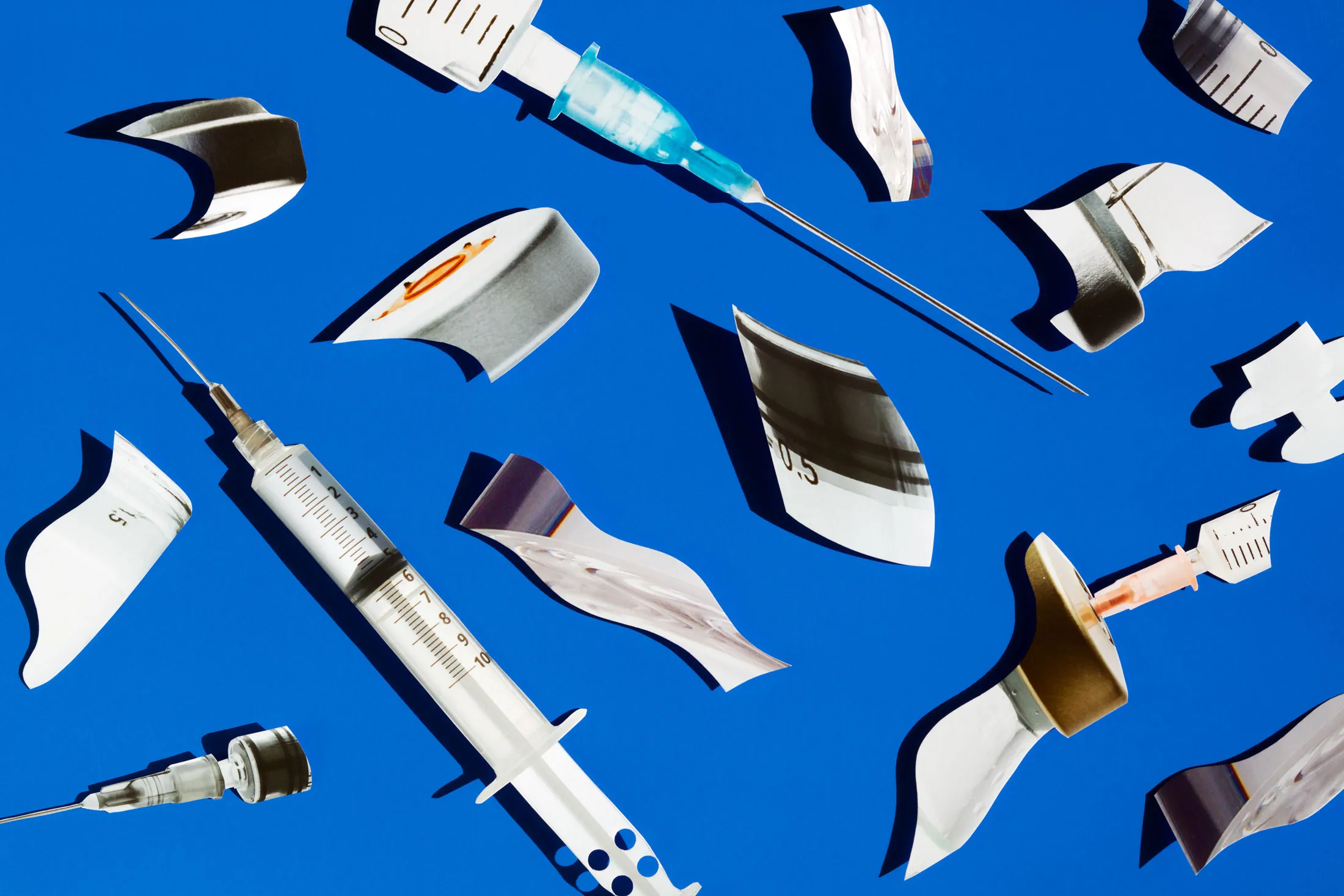
How Sick Kids Got Contaminated Cancer Drugs
Hospitals around the world use drugs from a small but crucial Indian supplier. In Colombia four children died and more than a hundred fell ill.
Methotrexate, a drug used to treat leukemia and other cancers, is commonly prescribed, usually tolerated, often given as an injection. Much of it is manufactured in India. It’s a pale yellow liquid that’s always supposed to be sterile, free from any bacteria. Making it correctly requires every action be tightly controlled—how employees wash their hands, wear their goggles, walk along the production line. If someone moves too quickly in a cleanroom, air turbulence could spread bacteria. If technicians enter without being carefully sanitized, they could carry a contaminant. Even their pens and paper must be disinfected. If the raw ingredients aren’t tested adequately, if the equipment isn’t cleaned properly, if the water isn’t filtered thoroughly, then the lifesaving medicine could become lethal.
In an industrial town three hours north of Mumbai, employees at Naprod Life Sciences were rushing to complete orders for thousands of vials. No one had been in charge of the quality department for months. The methotrexate they were manufacturing was destined for the most vulnerable: leukemia patients, some of them children, in developing countries.