Brazil Once Pioneered Generic Drugs, and Then Came a Patent War
High prices for brand-name pills are hampering HIV treatment in a country that once prided itself on offering affordable medicines.
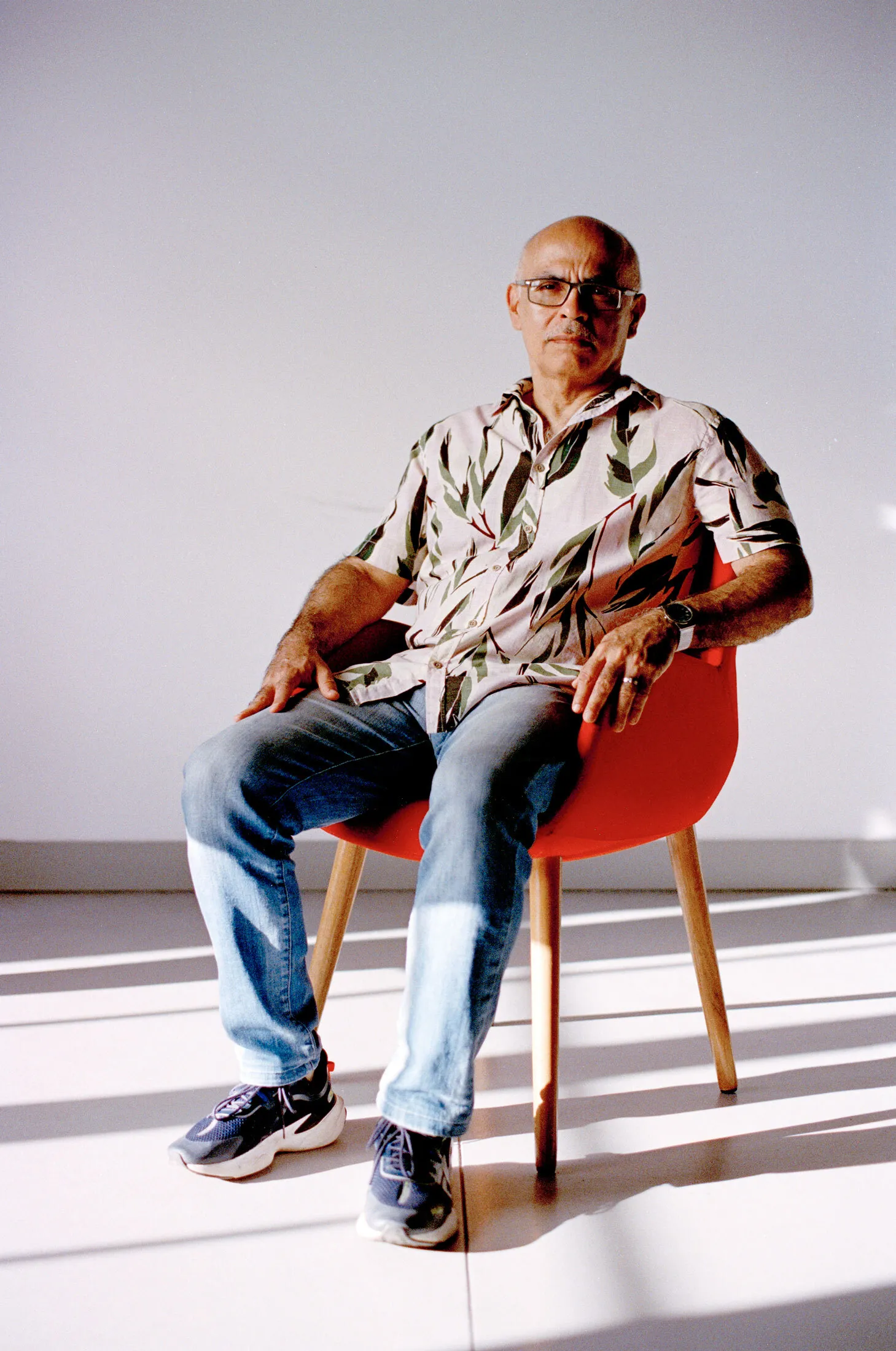
Terto, an AIDS activist, has witnessed Brazil fall behind. “There is so much left to do,” he says.
Photographer: Rodrigo Oliveira for Bloomberg Businessweek
Faded posters marking pivotal moments in HIV history adorn the walls of Veriano Terto Jr.’s office. One announces Brazil’s first meeting of homosexuals in April 1980. In another, for World AIDS Day in 1988, Portuguese words wrapped around a globe demand an end to discrimination.
Brazil was once at the forefront of a global movement to provide HIV treatment for everyone who needed it, in rich and poor countries alike. The South American nation led the charge by making and importing lower-cost generic drugs, distributed for free through its national health-care system. Death rates from AIDS in Brazil plummeted by half, and hospitalizations dropped about 70%, from 1996 to 2002. “Brazil succeeded as a kind of model for the world for AIDS treatment,” says Terto, vice president of the Brazilian Interdisciplinary AIDS Association (ABIA), an advocacy group in Rio de Janeiro. “I started my treatment with Brazilian generics in 1997,” he says, “and because of them, I am alive.”