Google’s Search Monopoly Complicates a Mental Health Crisis
The company’s push into health care is a case study in how tech giants dominate small businesses. And the U.S. government may have something to say about that.

Ellen Ross
Photographer: David Elliott for Bloomberg Businessweek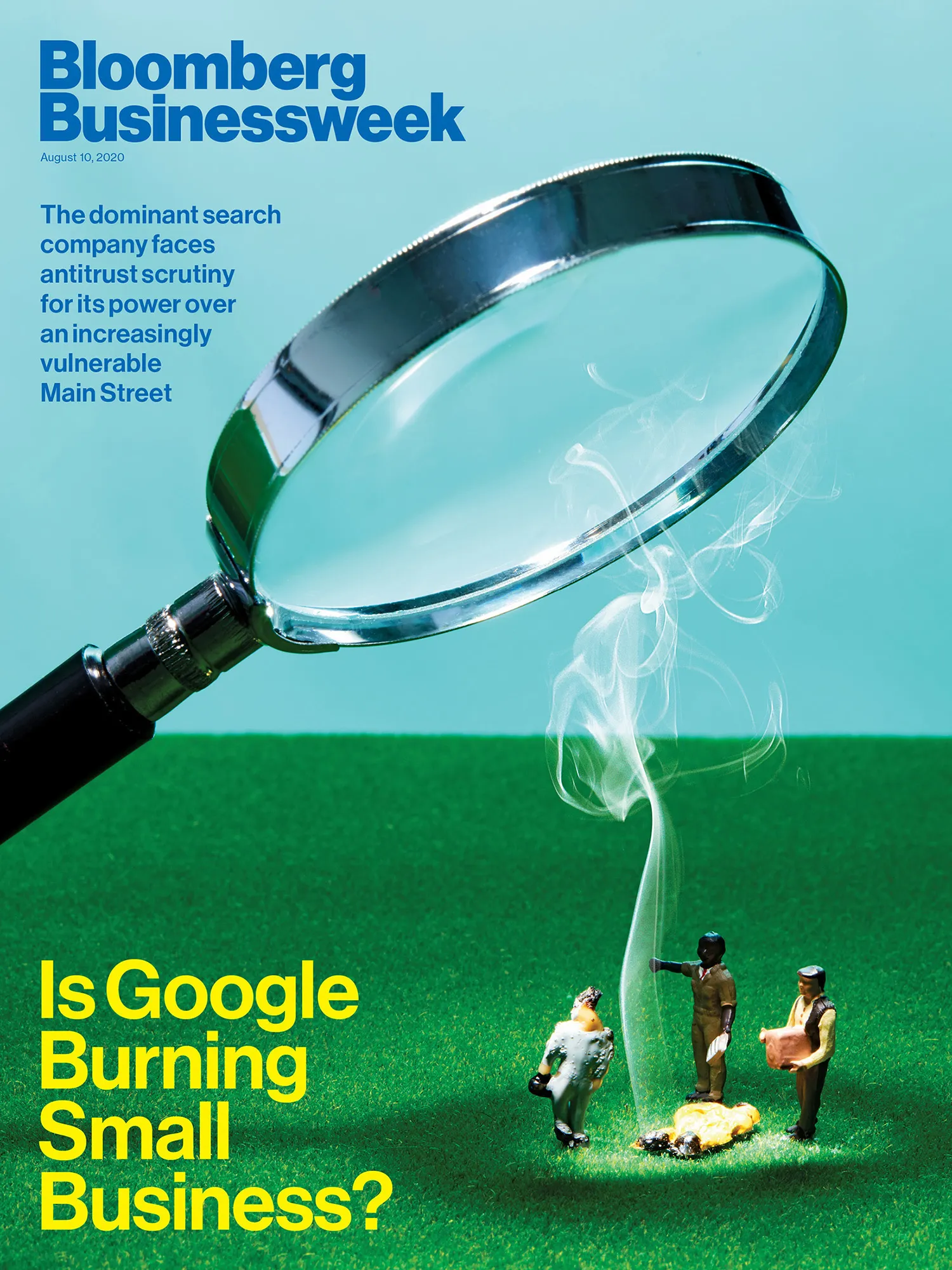
In March, Ellen Ross’s business came to a standstill. Ross is a psychotherapist, accustomed to sitting across from patients, helping them deal with their deepest traumas and fears. When the pandemic started shutting the economy down, Ross shut her San Jose office, too. She nixed plans to hire another therapist and began adjusting to video therapy, which meant, among other things, building breaks in between sessions.
“I can’t look at a screen as long as I can interact with human beings,” says Ross, who spent years counseling in hospitals before setting up her own practice in 2017. And then there was the Google problem. In the beforetimes, Ross spent about $20 a day on search ads to promote her practice. That worked well enough. People would search for things like “therapist near me” and she would bid for those terms at Google’s silent auction. If she won the auction, ads for her practice, True North Psychology, would appear at the top of search results. Google charged for each click. In 2019, she spent about $5,500.