What a Deutsche Bank Merger Could Mean for Germany
A deal with Commerzbank could be a solution, but it could also make things a lot messier.
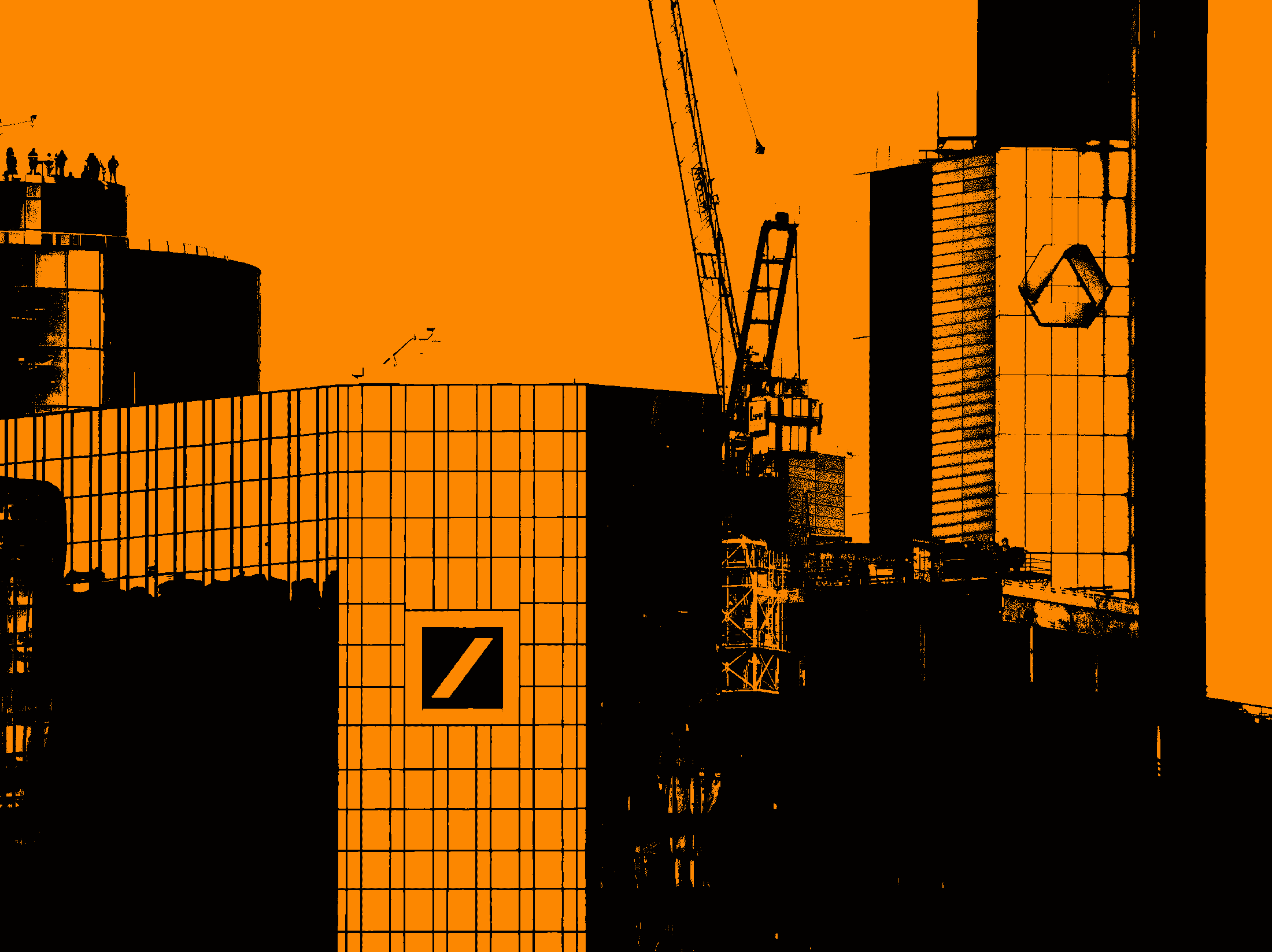
Since it was founded in 1870, Deutsche Bank was supposed to be a steward for German industry, helping the nation’s manufacturers finance overseas trade. Broken up into 10 banks after World War II, it regrouped and prospered along with West Germany and, much later, a post-Berlin Wall, reunified nation. It’s long strived to be more than just another lender. And since the 1990s, it’s tried to go toe-to-toe with U.S.-based powerhouses such as Goldman Sachs Group Inc. in global investment banking, the business of trading and underwriting securities and providing financial advice to corporations. Germany—and Europe—had nothing to match the Americans on that scope.
Even as its European rivals were scaling back their businesses and ambitions to adjust to the postcrash world, Deutsche Bank AG pushed further into new markets and new businesses, with a vision to project German financial might onto a global stage. Now that ambition is in tatters. The lender has burned through chief executive officers and launched four turnaround plans in recent years. It’s been trapped in a spiral of falling revenue and rising costs. Because of intense competition from Wall Street, it’s struggled to boost sales at the investment bank. But it’s also been reluctant to make deep cuts there, in part because the division also provides more than half of revenue. Europe’s sluggish economy and low interest rates haven’t given the bank much of a margin for error.