Has Anyone Seen Roman Abramovich? The Last Days of Londongrad
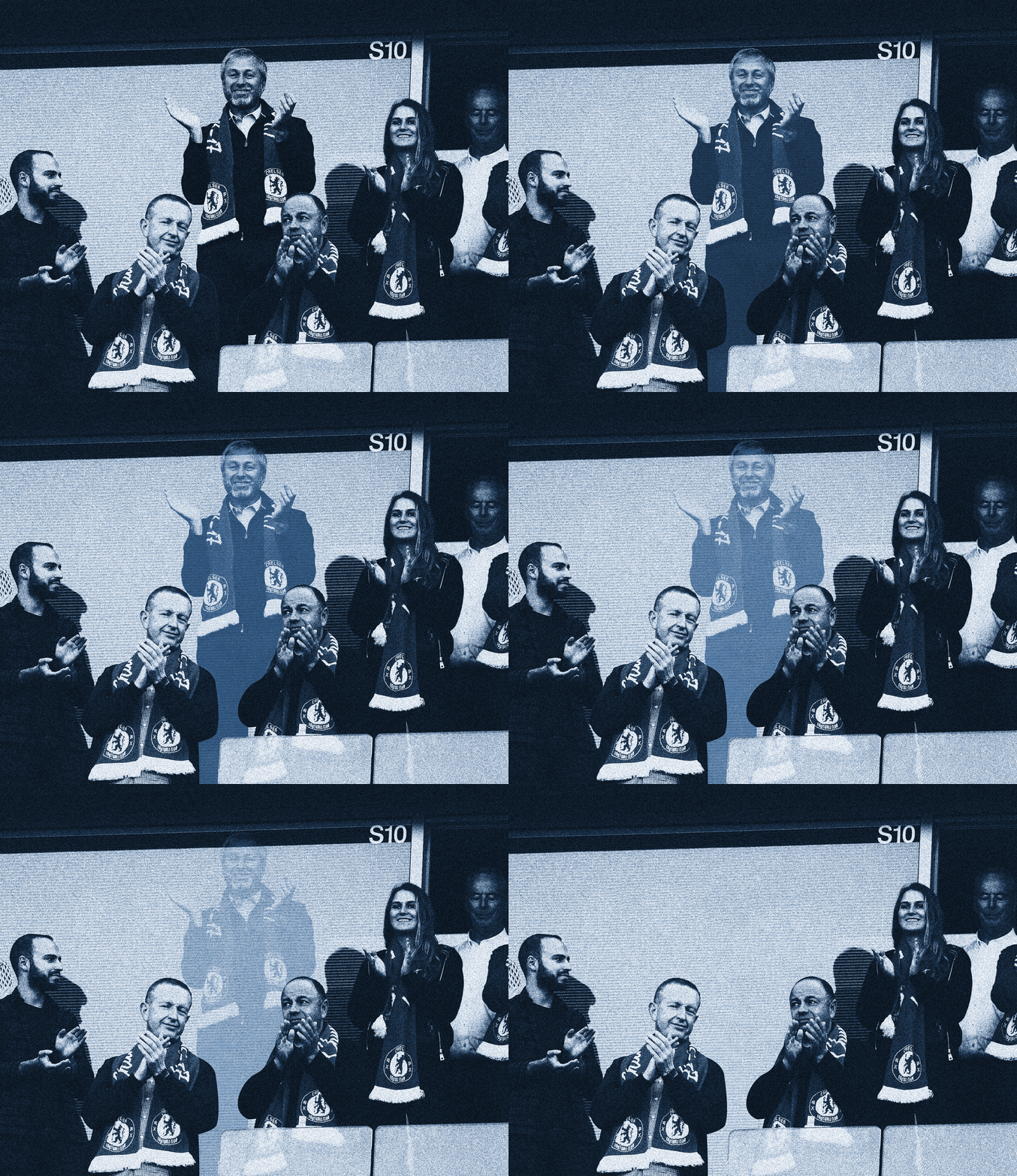
Photo Illustration: Tom Hall/Bloomberg. Photo: Getty Images

In late August, as supporters of Chelsea Football Club assembled at Stamford Bridge stadium to watch their team beat London rival Arsenal, a group in the upper deck unfurled a 40-foot blue-and-red banner. “The Roman Empire,” it shouted, beside an image of the team’s owner, Russian billionaire Roman Abramovich. Just below, another banner trumpeted “15 Years, 15 Trophies.” Abramovich didn’t attend the game that day. In fact, he hasn’t been seen in London since the U.K. government failed to renew his visa in the spring, not long after it accused Russia of using a deadly nerve agent on British soil and relations between London and Moscow plunged into crisis.
Abramovich bought Chelsea out of near-bankruptcy in 2003 for £140 million (about $223 million at the time) and has since loaned the club more than £1.1 billion. Until he came along, Chelsea hadn’t won the top domestic trophy, the Premier League title, since 1955. His big spending changed all that and set off a kind of arms race in English football. In some ways, it was similar to the U.S. model: Buy talent, buy titles, and sell merchandise and media rights. But unlike owners of American sports teams, Abramovich didn’t seem bothered by racking up huge losses. (And he didn’t have to contend with caps on spending, until new rules came into force in 2010.) At the Arsenal game, Chelsea supporters taunted their rivals with the chant “We’ve won it all!” to which Arsenal fans sang in response, “You’ve bought it all!”