This Is What Record-Low Unemployment Looks Like in America
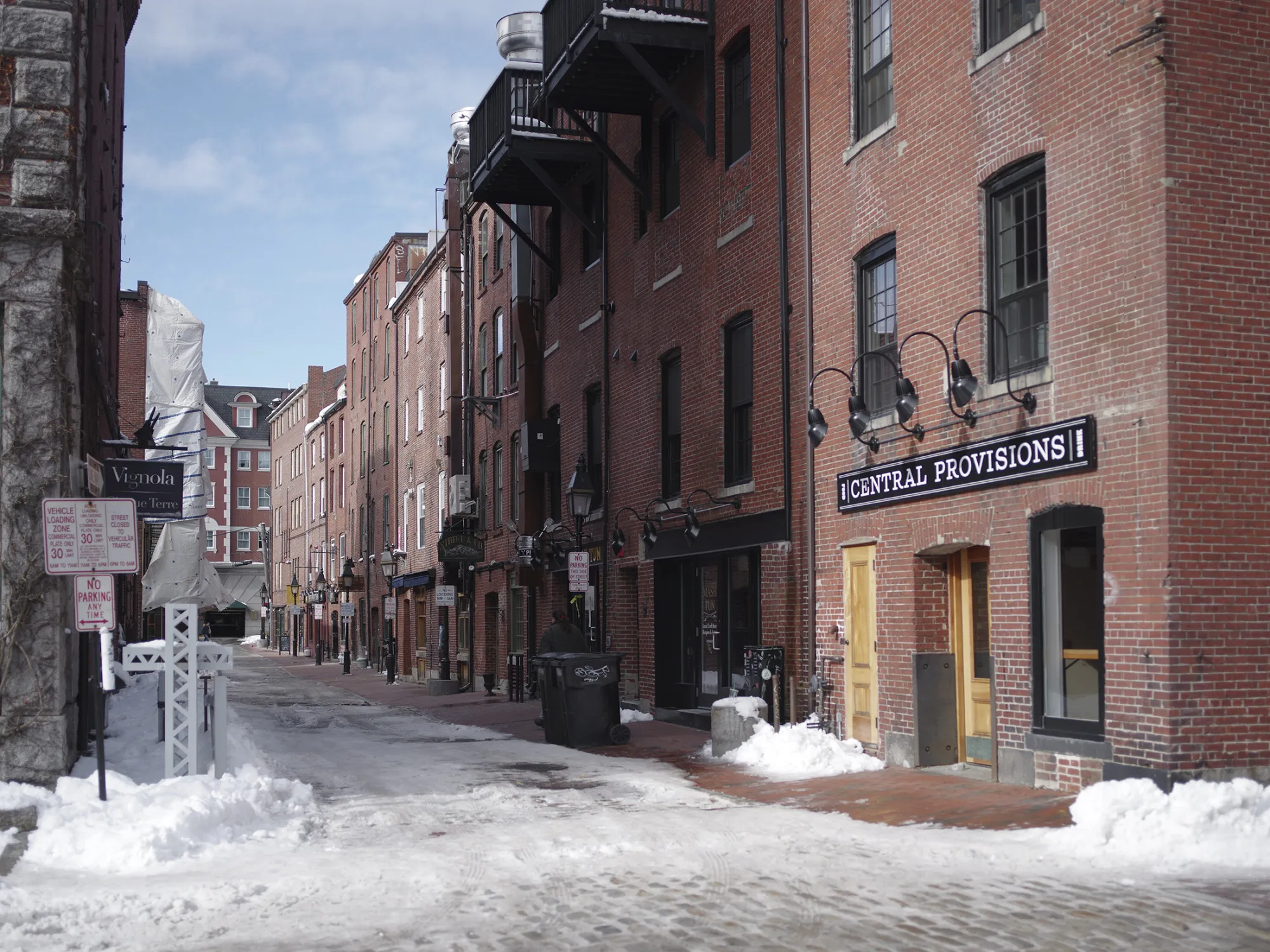
Portland, Maine’s historic district.
Photographer: Gregory Halpern for Bloomberg Businessweek
What will happen when the U.S. unemployment rate falls below 4 percent, which is expected to occur by this summer? One way to tell is to look at cities where joblessness is already lower than that. Bloomberg News reporters traveled to Iowa, Georgia, and Maine. What they saw there is encouraging. They discovered that employers have found ways to cope with tight labor markets and still make money. Businesses have pulled in workers from the sidelines—including retirees, immigrants, and the homeless—and retooled processes to use less labor. Some have raised pay considerably for certain jobs, but so far there are no signs of an overall wage explosion. That should embolden those at the Federal Reserve who want to raise interest rates slowly to give growth a chance.
From polished sea-salt caramel balls to truffles packaged with hand-tied bows, the treats on sale at Wilbur’s of Maine Chocolate Confections in Freeport exude artisanal charm. While that’s a source of pride for owner Andrew Wilbur, whose parents started the business, he’s staring down a dilemma. Manufacturing workers are hard to come by in Freeport, which is 15 miles north of Portland and part of its statistical area. At 1.8 percent, the unemployment rate is the third-lowest in the country. “It’s made me think, Do I go to more mechanization?” Wilbur says from inside his production plant, where three employees are making candy in what look like mini cement mixers.