The Difficulties of Cloning a CEO
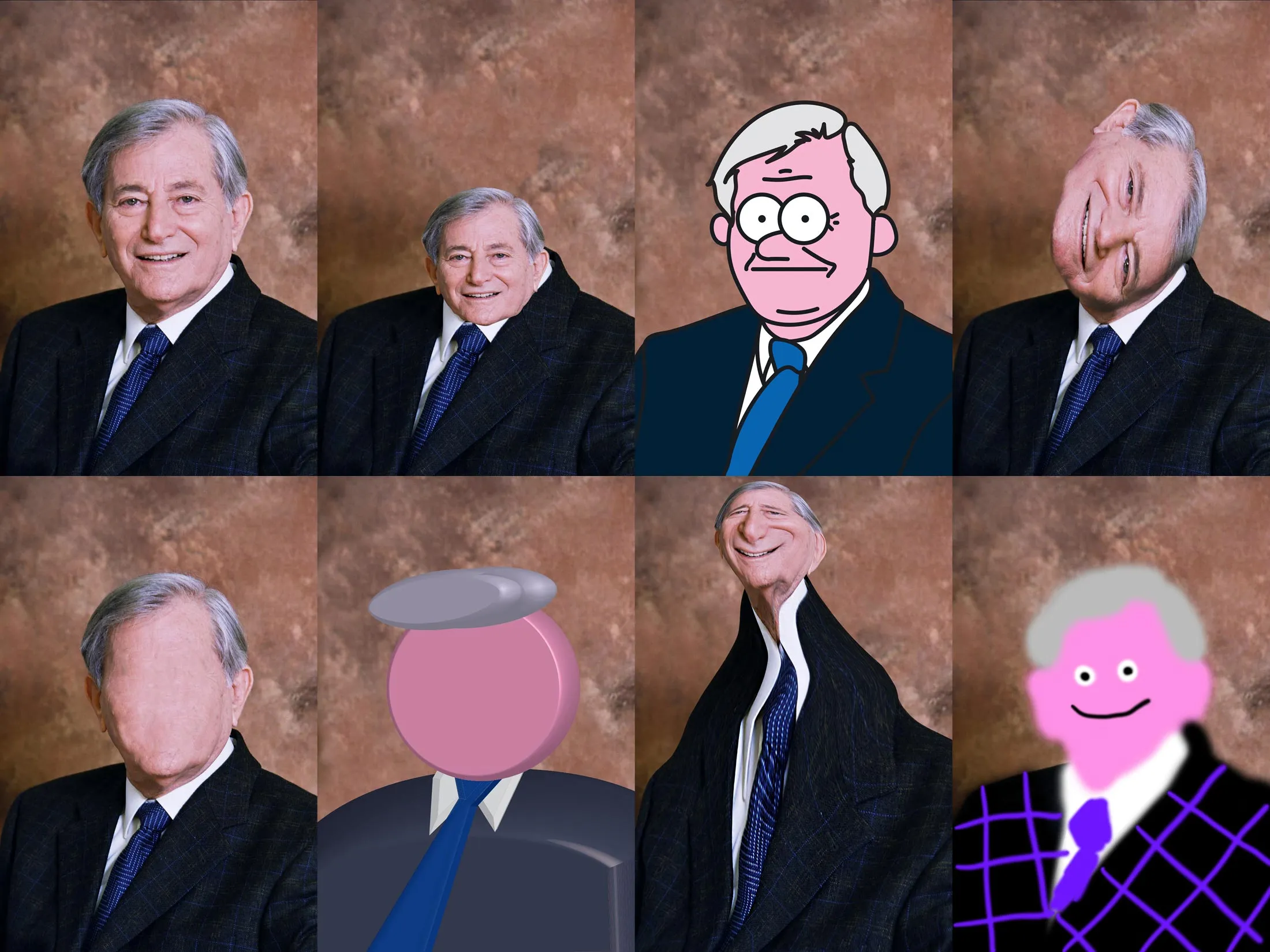
Photo Illustration: 731; Source: Teva
After the death of its former chairman in 2011, Teva Pharmaceutical Industries Ltd. rechristened its Jerusalem factory the Eli Hurvitz Oral Solid Dosage Plant. It’s fairly ordinary for a company to name a building after a former leader, though—and Hurvitz had been anything but ordinary. He served as chief executive officer for 25 years, transforming a regional business into the world’s largest manufacturer of generic drugs. Seeking an appropriate act of veneration for a man often described as the Steve Jobs of Israel, Teva had workers box up Hurvitz’s belongings at corporate headquarters, transport them to the Jerusalem facility, and re-create his old office on the sixth floor.
On a July afternoon, Ariel Tsiperfal, a member of the plant’s site management team, approaches with a key. “Not many people get to go in here,” he says as he unlocks the glass door of the corporate mausoleum. The office is set up exactly as Hurvitz left it, with his mismatched furniture, family pictures, two briefcases, a computer, business cards, and fly swatters. A desk calendar is open to November 2011, the month he died. A copy of Israel’s declaration of independence hangs on the wall by the door. “Nothing is pretend,” Tsiperfal says. “This is like a museum.” There’s a phone on the desk. He picks up the receiver and holds it to his ear and jokes, “Maybe there’s a line from above?”