China Spent Big on an African Media Empire, But No One’s Watching
Viewers on the continent still strongly prefer local sources and Western outlets such as the BBC and CNN.
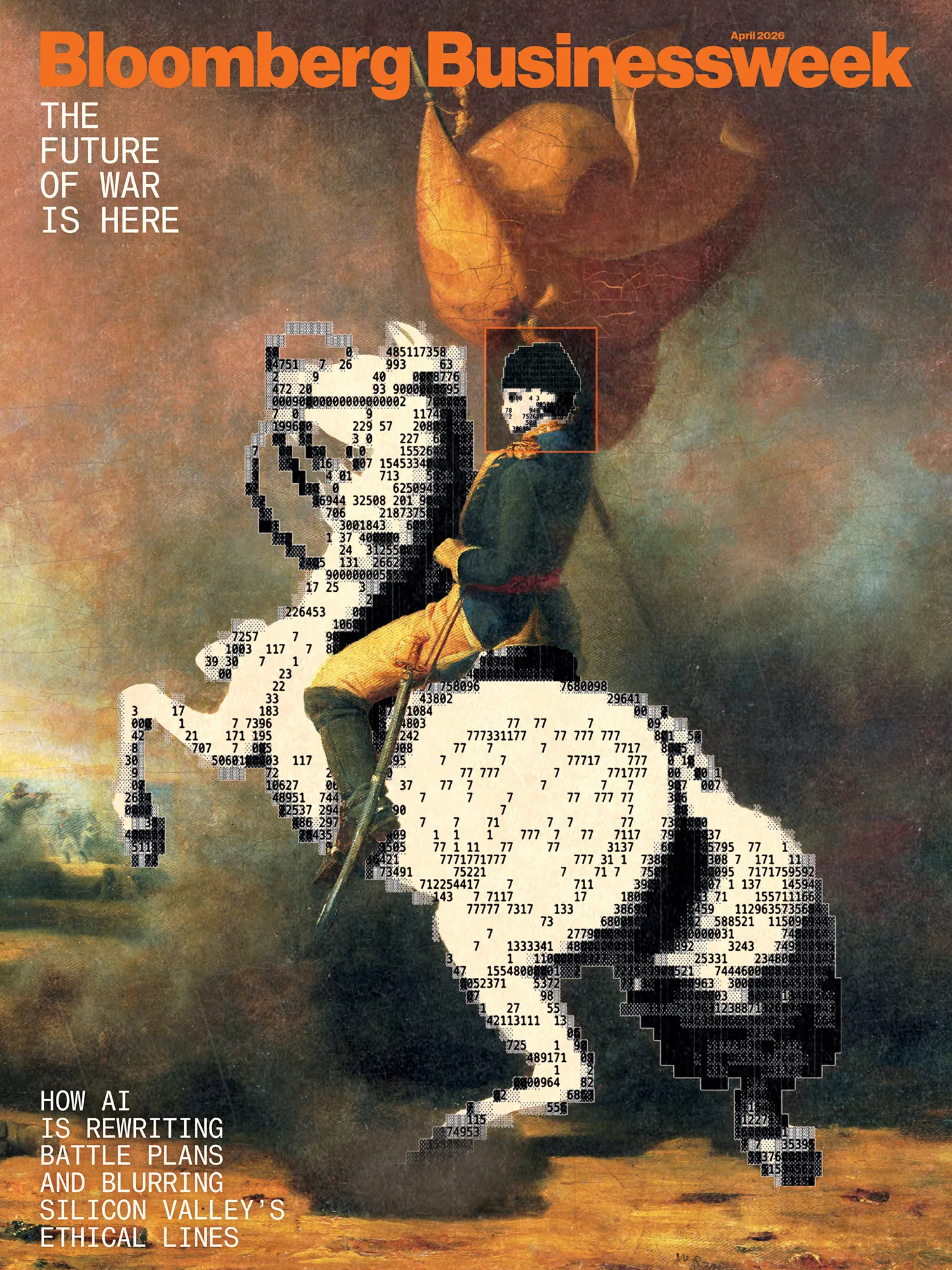
Illustration: Irene Suosalo for Bloomberg Businessweek
China has spent nearly two decades assembling a media empire in Africa. Its broadcasters, newswires and print publications have hired hundreds of journalists, opened dozens of bureaus, built state-of-the-art studios and engaged high-profile local anchors to spread Beijing’s message across the continent. It has one big problem: Few people watch.
Bureaucratic dysfunction, leadership churn and tightening political controls have left China’s African media experiment struggling to find relevance in a region that will be home to more than a quarter of the world’s population by 2050. Africans watch the BBC, Al Jazeera and CNN, but even China’s marquee media brands barely figure in public debate in most countries on the continent. “Audiences are more attuned to news from the West than from China, which generates distrust,” says Confidence MacHarry, an analyst at SBM Intelligence, a political risk consulting firm in Lagos.