The Professional Manager Has a Bright Future, in China
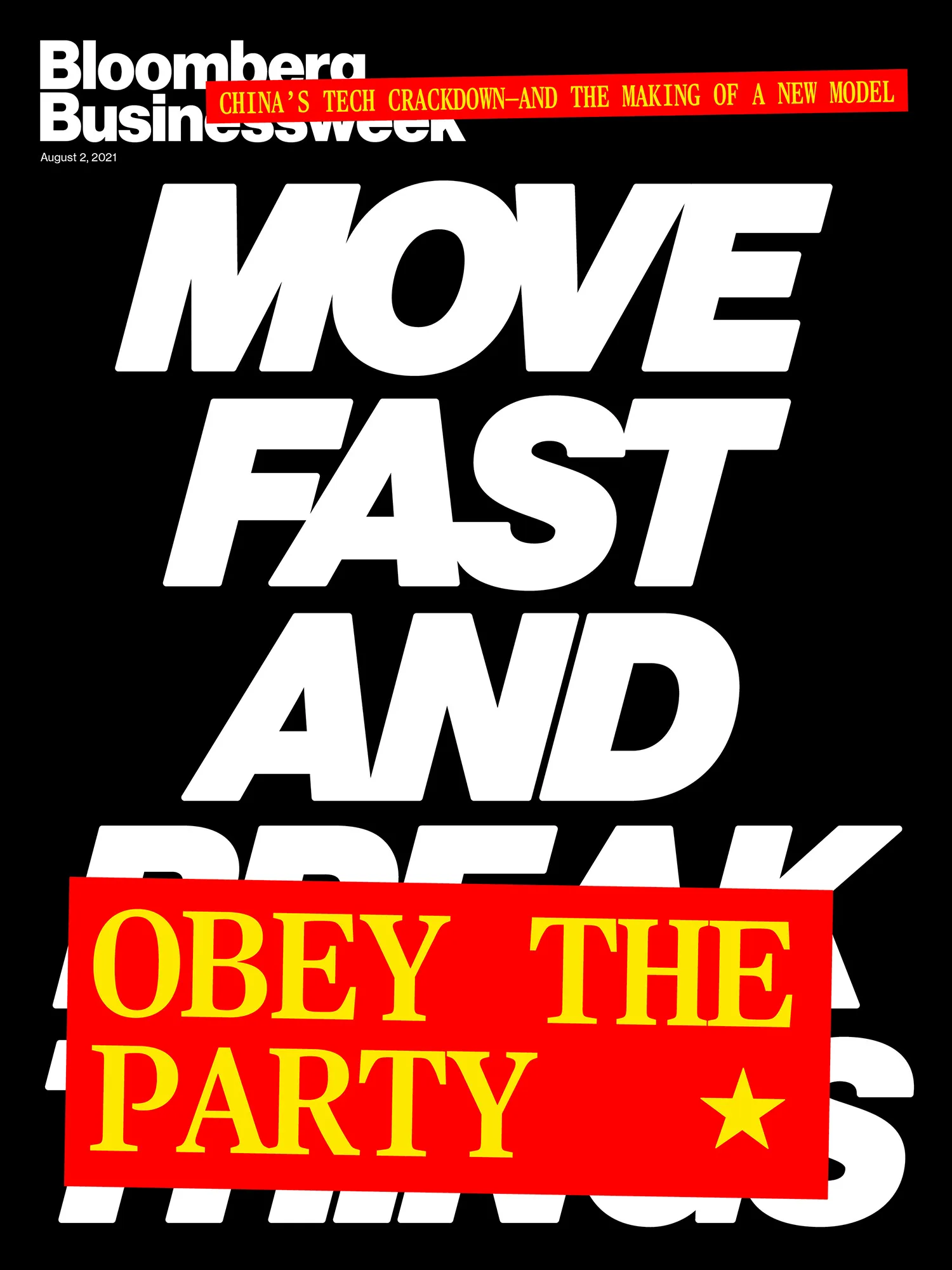
Alfred Sloan’s data-driven makeover of General Motors in the first half of the 20th century ushered in the age of the professional manager. Since then, many large businesses around the globe have embraced the belief that an academically trained executive—often with an MBA but little direct experience in the discipline they’re being hired to oversee—can land at a company, diagnose its challenges, and chart a new course to reinvigorate even a convoluted enterprise. But Chinese companies in search of top-level executives typically haven’t turned to outsiders. Big state-owned enterprises, which still dominate much of the economy, tend to fill C-suites with in-house managers who can pass muster with government officials and the Communist Party cadres who often call the shots. And while there are plenty of successful private-sector companies, many are run by people close to the founders, including next-generation family members.
As a result, far fewer experienced managers have emerged in China from the kinds of corporate training grounds popular in the West, such as PepsiCo Inc. and Mars Inc. China may be the world’s second-largest economy, but its talent market for professional managers is still in its infancy.