Inequality Is Holding Economies Back. Education Could Be One Solution
Countries where lack of opportunity mix with high inequality see slower growth.
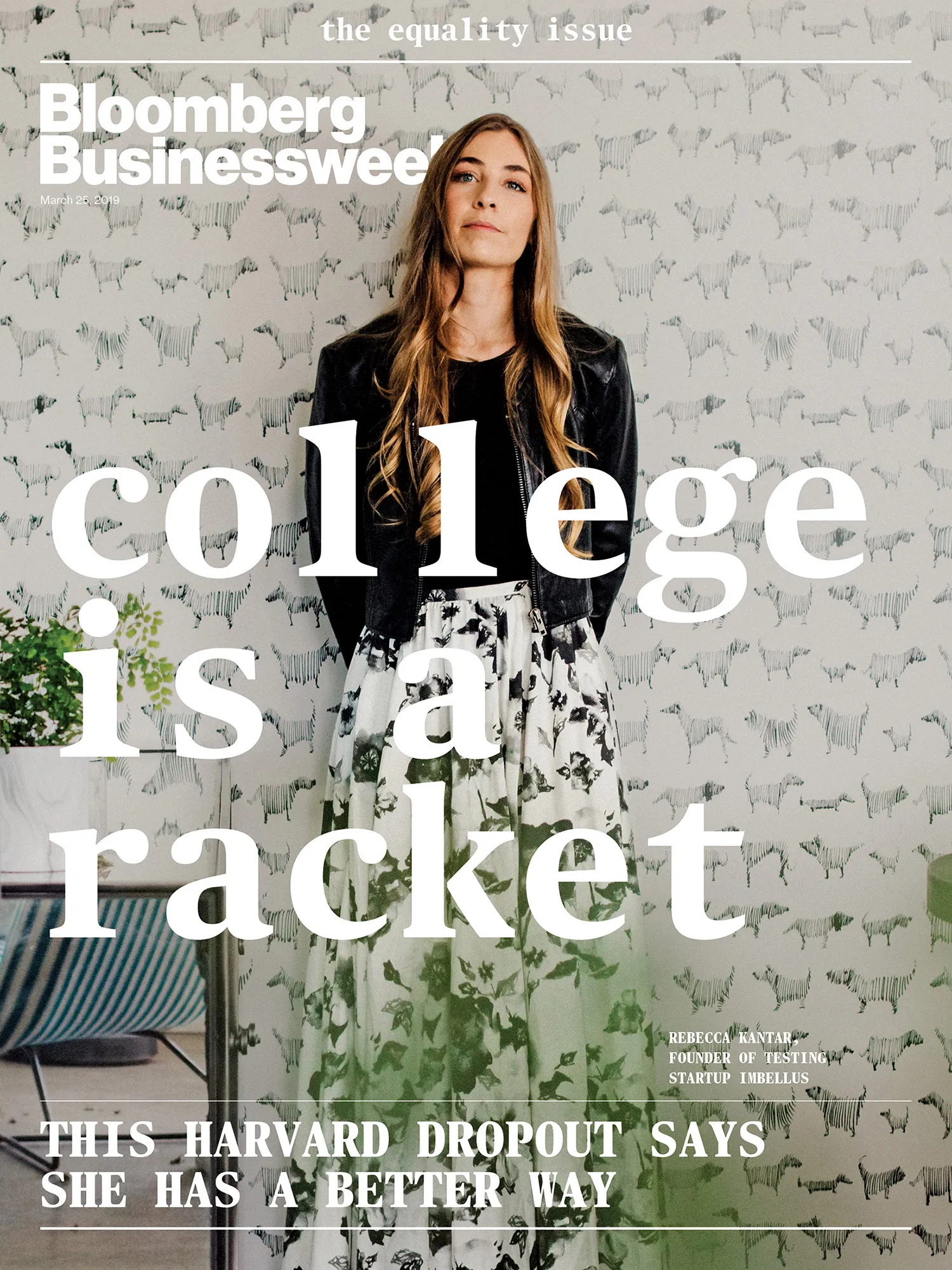
Anyone who believes the system is rigged would have experienced a grim “told you so” moment on March 12, when federal prosecutors charged 33 parents who’d bought into a scheme to ensure their children spots at elite universities. Those implicated included an Oscar-nominated actress, a co-chairman of international law firm Wilkie Farr & Gallagher, and the former chief executive of Pimco. Their alleged crimes were as varied as conspiring to fix test scores, bribing coaches, and falsifying athletic records. What they all had in common was wealth.
The Twitterati crowed, non-wealthy students lamented, and for once both sides of the political spectrum were in agreement: The sweeping indictment underlined how deeply unfair U.S. higher education has become. Success in the modern economy often seems to be more an accident of birth—hinging on family income bracket and connections or the student’s race and gender—than a reward based on individual ability and achievements. It’s an impression that cuts deep, given how crucial education is to economic mobility.