The GDP Drop Is a Warning to Washington
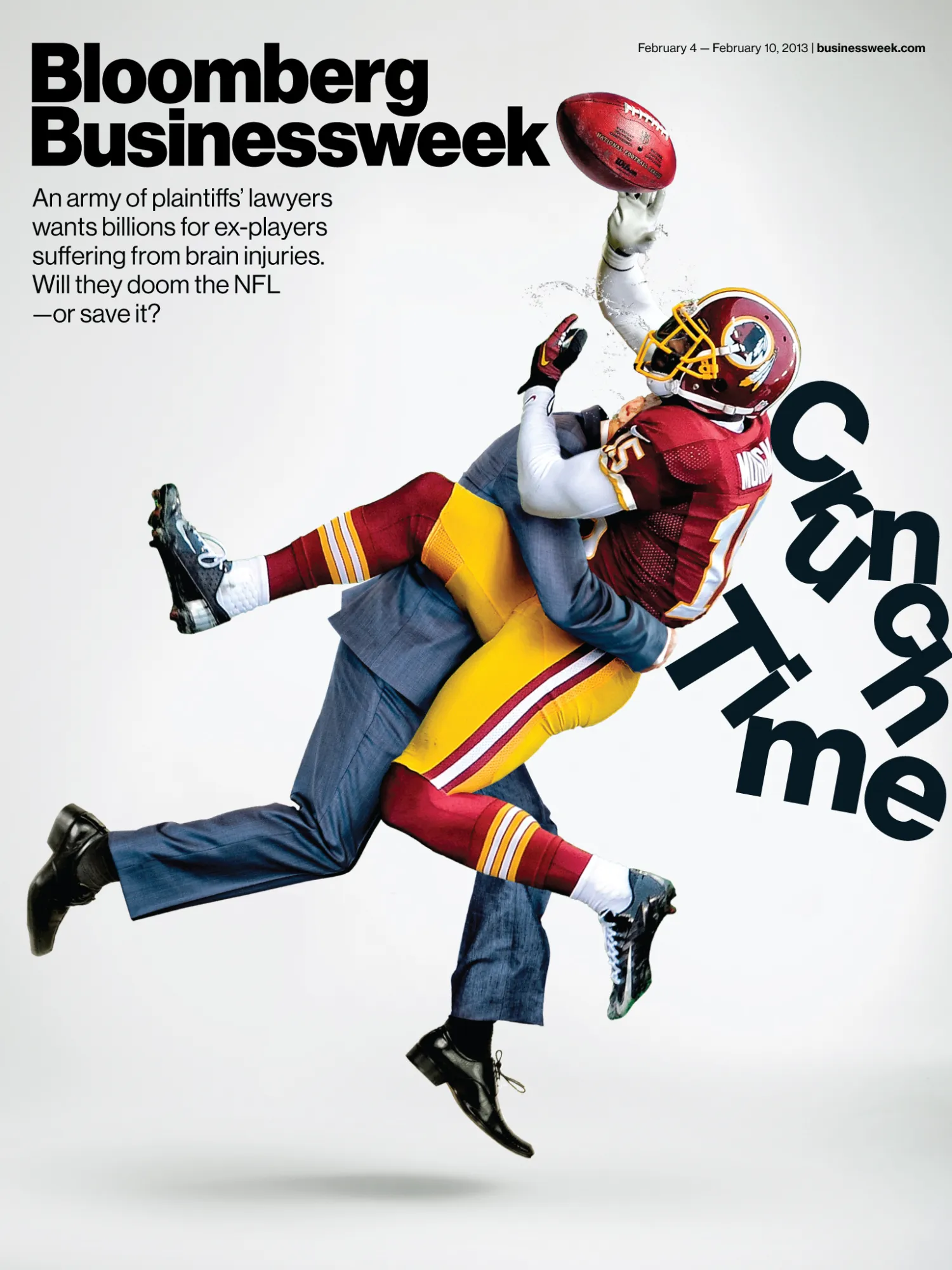
Nothing grabs Washington’s attention quite like a sudden drop in the economy. When the U.S. Department of Commerce reported on Jan. 30 that the gross domestic product shrank at an annual rate of 0.1 percent in the fourth quarter—the first decline since the recession year of 2009—it reminded politicians that the economy is in no condition to withstand more confidence-damaging brinkmanship over spending and taxes. “This should be an alarm bell that it’s time to get to work on a compromise and an actual budget so we can at least take some of the fiscal uncertainty out of the economy,” says David Rosenberg, chief economist and strategist at Gluskin Sheff + Associates in Toronto.
An alarm bell—as opposed to a raging blaze—is the right image. The economy is likely healthier than the GDP report suggests. Economists pointed out that the drop was caused largely by the sharpest reduction in defense spending in 40 years—which isn’t likely to happen again—and by smaller-than-normal growth in inventories, which will be reversed as shelves are stocked in the months ahead. Exports, which were weak, are also likely to rebound. The Federal Reserve’s rate-setting committee attributed the “pause” in growth to “weather-related disruptions and other transitory factors.”