The Great Recession: An 'Affair' to Remember
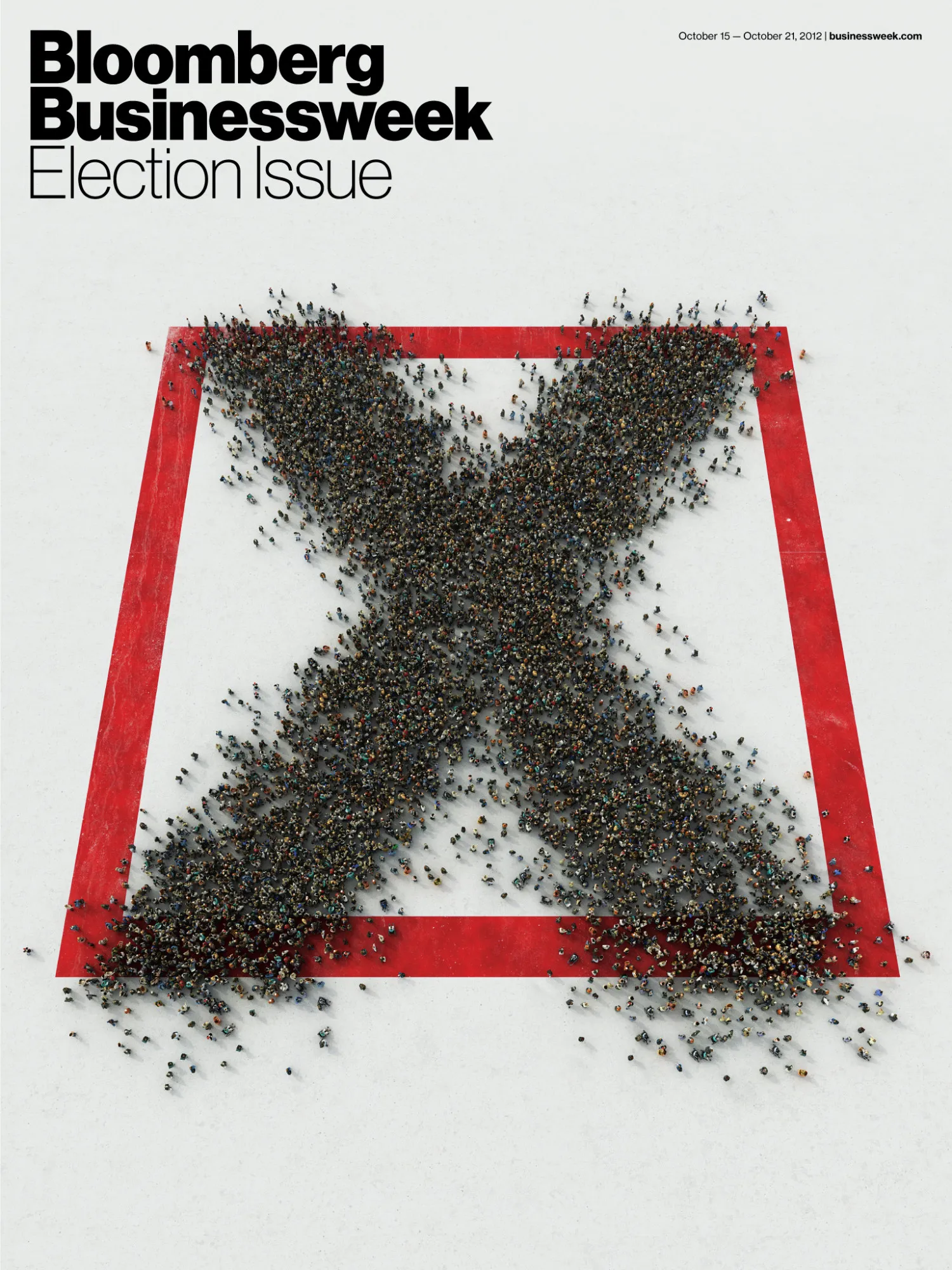
Big things are hard to steer, and there’s nothing bigger than the U.S. economy. Most of the time it grows, but when it doesn’t, presidents have precious little power to get it back on course. Reagan endured a recession; Clinton didn’t. That doesn’t necessarily make Clinton a better president than Reagan. The man in the White House a century ago, William Howard Taft, once said, “People think the president can make the grass grow and the skies turn to blue. It’s simply out of their reach.”
The deep recession that began under George W. Bush and continued under Obama was preordained, though few people understood so at the peak. Consumers had spent freely in the 2000s because a real estate boom had turned their homes into ATMs. Cash-out refinancings of home mortgages made the artificial real by transforming the illusory wealth of the housing bubble into actual goods and services. The debt burden eventually became unsustainable, and a retrenchment began in December 2007. What at first seemed to be an ordinary slump turned into a ferocious global crisis four autumns ago, when fears of hidden exposure to default caused the world’s biggest financial institutions to withdraw funds from one another.