Finance on the Ropes
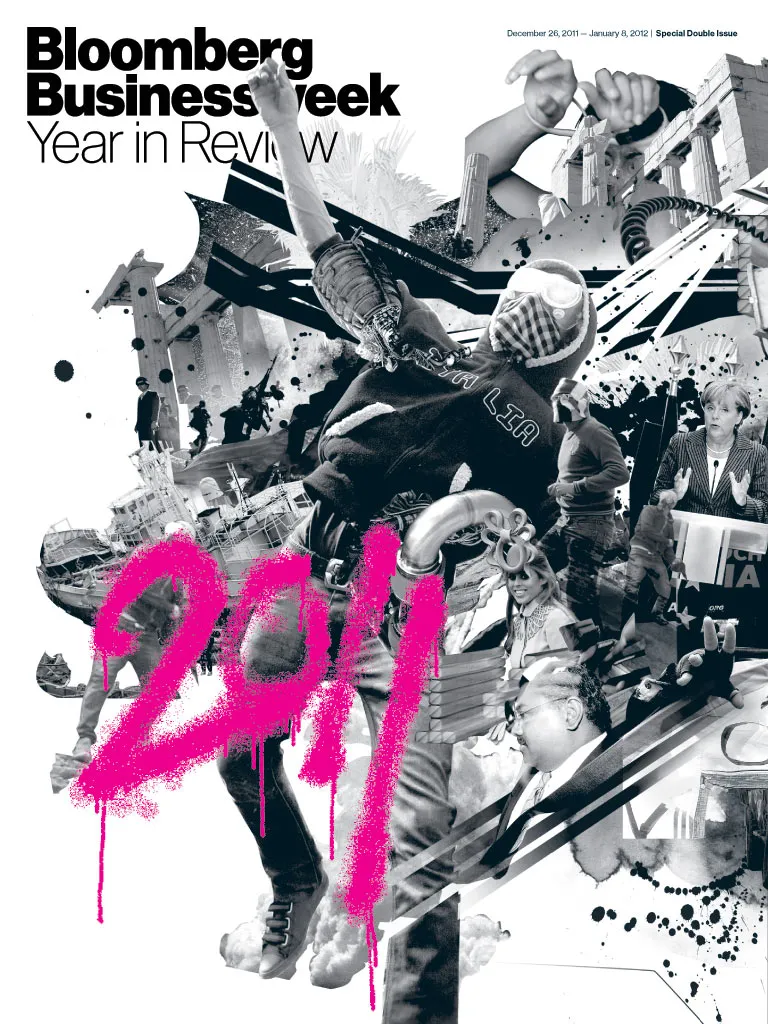
Wall Street used to adore Mario Batali, the Croc-wearing celebrity chef. Bankers crowded his expensive restaurants and dined on Italian dishes built around piglet alla paesana or Sardinian lamb. In November, however, Batali served up something that made bankers gag. At a Time magazine panel, he compared the financial industry to Stalin and Hitler, decrying how they had “toppled the way money is distributed—and taken most of it into their hands.”
Batali hastily apologized, but not before outraged Wall Streeters made their displeasure known. “Thanks for kicking us when we’re down, MB,” wrote Timothy Chen, a trader at Maxim Group in New York, in a post in the restaurant news section on the Bloomberg terminal. It’s rare to hear such an anguished expression from a Wall Street executive. But then this has been a terrible year for them. Along with being compared to mass murderers by one of their favorite restaurateurs, bankers have had to endure tanking earnings (in October, Goldman Sachs reported its first quarterly loss since the financial crisis), layoffs, and, for those who remain, the prospect of reduced bonuses. On top of all that, a ragtag gang of anarchists, socialists, labor activists, students, and unemployed people spent much of the fall camping out in the park where brown-bagging back-office types usually take their lunch, complaining that bankers were the root of all the nation’s economic ills. “The irony is that protesters are concerned about high bank profits,” says Mike Mayo, a veteran banking industry analyst and author of Exile on Wall Street: One Analyst’s Fight to Save the Big Banks from Themselves. “But profits haven’t been very good this year. The protesters are four years behind. They should’ve been out there with their signs in 2007.”