Politics | Americas
Cuba Is Struggling to Keep Lights On Amid Trump’s Oil Blockade
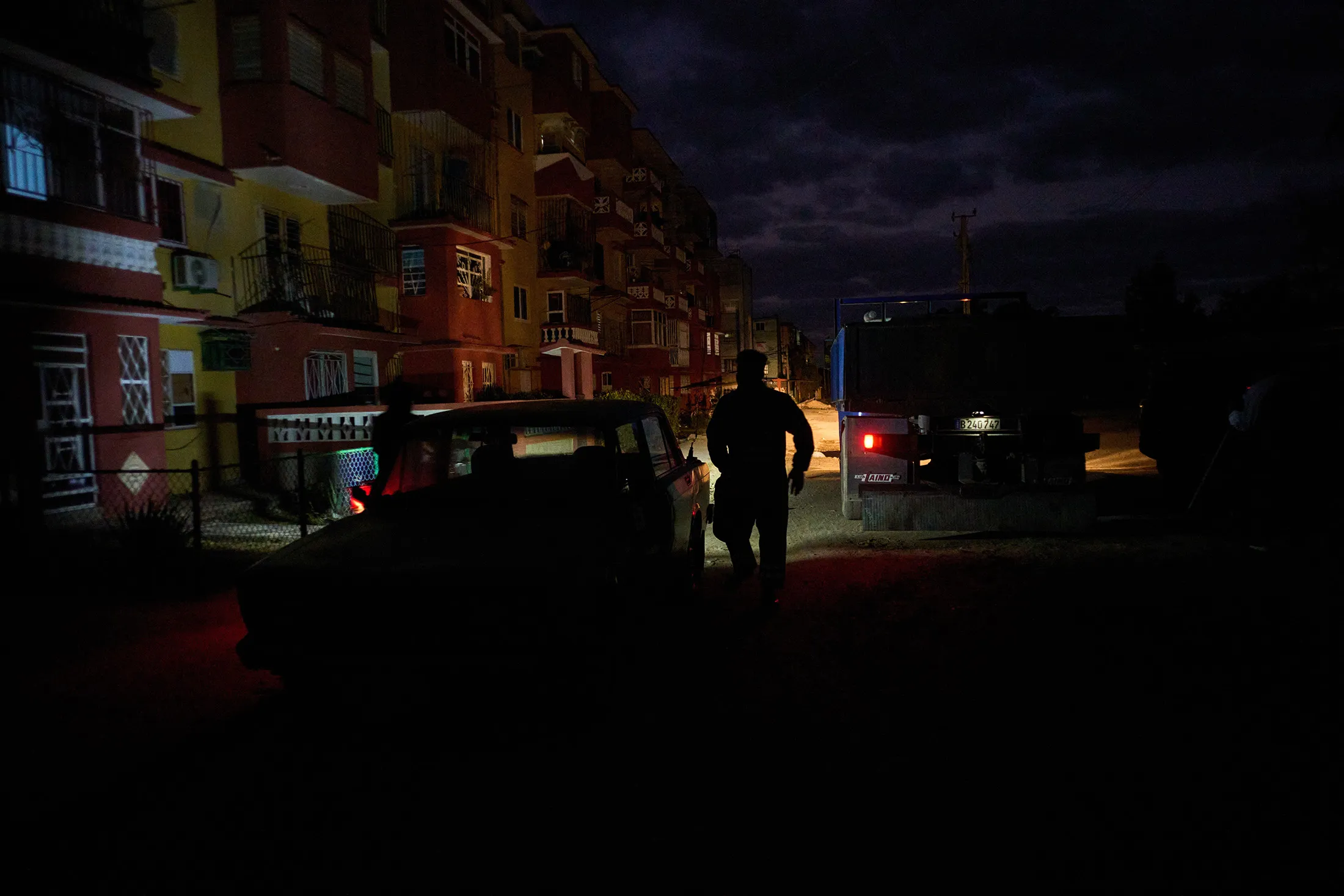
Cuba’s blackout problem has worsened in the month since the US cut off oil shipments to the island.
Its grid was fragile even before a critical transmission line failure in early December temporarily severed the link between Havana and the Caribbean country’s primary thermoelectric power plants in Matanzas. Then the Trump administration blocked fuel shipments that supply 60% of the roughly 100,000 barrels of crude a day it needs to feed its aging power system.
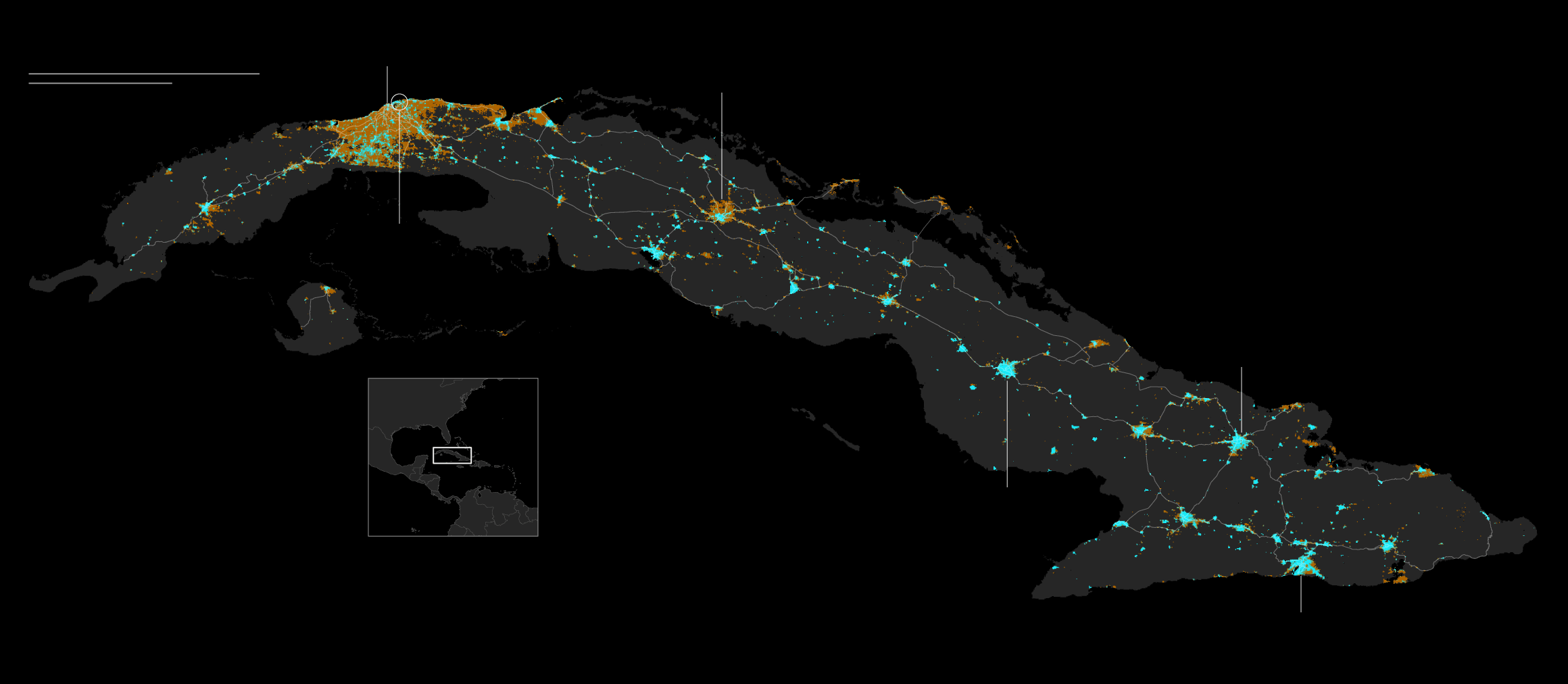
Available electricity has plummeted since the start of the year. And it’s disproportionately affected rural areas and provincial hubs, according to a Bloomberg News analysis of satellite imagery. The level of light emitted at night in major eastern cities like Santiago de Cuba and Holguin has dropped as much as 50% compared to the historical average.
Cuba Dims as Energy Crisis Intensifies
Change in nighttime light intensity from January vs. baseline norm
◼ Dimmer
◼ Normal
◼ No detected light
Havana
Santa
Clara
100 mi
100 km
CUBA
Dense eastern
suburbs go dark
Holguin
Camaguey
Santiago
de Cuba
◼ Dimmer
◼ Normal
◼ No detected light
Santa
Clara
Havana
CUBA
Dense eastern
suburbs go dark
Holguin
Camaguey
100 mi
Santiago
de Cuba
100 km
Dimmer
Normal
No detected light
Santa
Clara
Havana
Holguin
CUBA
Dense eastern
suburbs go dark
Camaguey
100 mi
Santiago
de Cuba
100 km
Sources: Bloomberg News analysis, NASA Black Marble
Note: Data compares median light levels from Jan. 2026 against a 2017-2022 baseline. Results are normalized by historical volatility to ensure observed dimming represents a significant departure from typical seasonal patterns.
Streetlights and residential grids that once illuminated those areas have largely gone dark. Santiago is the island’s second-largest city, home to a once-bustling port and industrial facilities, while Holguin is another provincial capital and a major hub for tourists headed to resorts along the north coast.
The notable exception is Havana. Though the capital’s eastern suburbs of Cojimar and Alamar are significantly darker, the data show the lights have largely stayed on in the central part of the city that is home to a fifth of the communist-run island’s roughly 10 million people.
Cuba’s Grid Can't Keep the Whole Island Lit
Comparison of nighttime light intensity across major cities
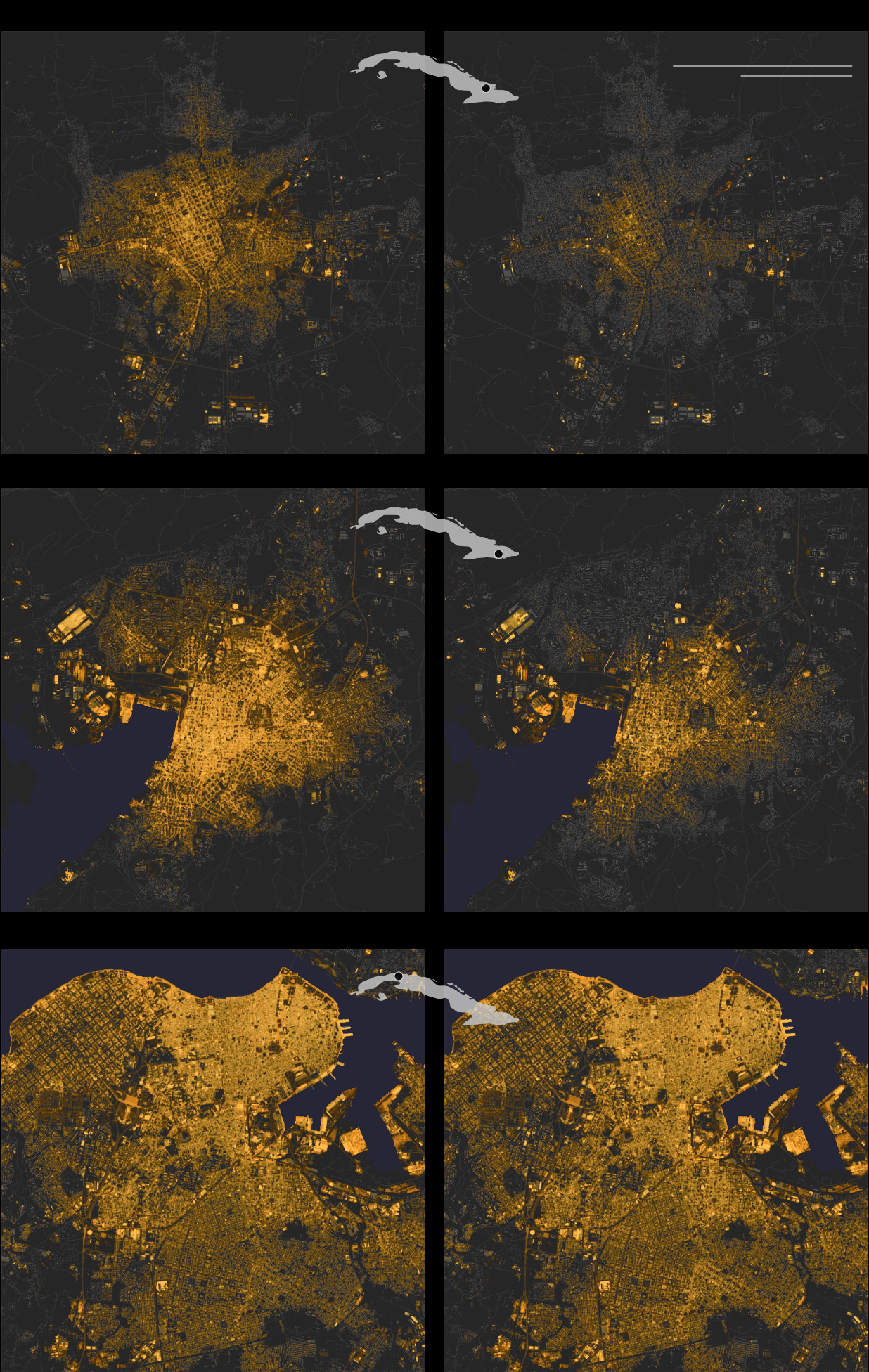
January 2017–2022
January 2026
2 miles
Holguin
2 km
Santiago
de Cuba
Havana
January 2017–2022
January 2026
2 miles
Holguin
2 km
Santiago
de Cuba
Havana
Sources: Bloomberg News analysis, NASA Black Marble, Copernicus Sentinel 2, Overture Maps, OpenStreetMap
Note: Each time period is calculated by taking the median of light values from Jan. 1 to Feb. 6.
Havana contains major industrial areas and military installations. It’s also the seat of government. So it’s natural that President Miguel Díaz-Canel’s administration would prioritize it over other places.
But the disparity in the satellite images of Havana at night versus other cities could also reflect differences in both income and technological adaptation, according to Michael Bustamante, chair of Cuban studies at the University of Miami.
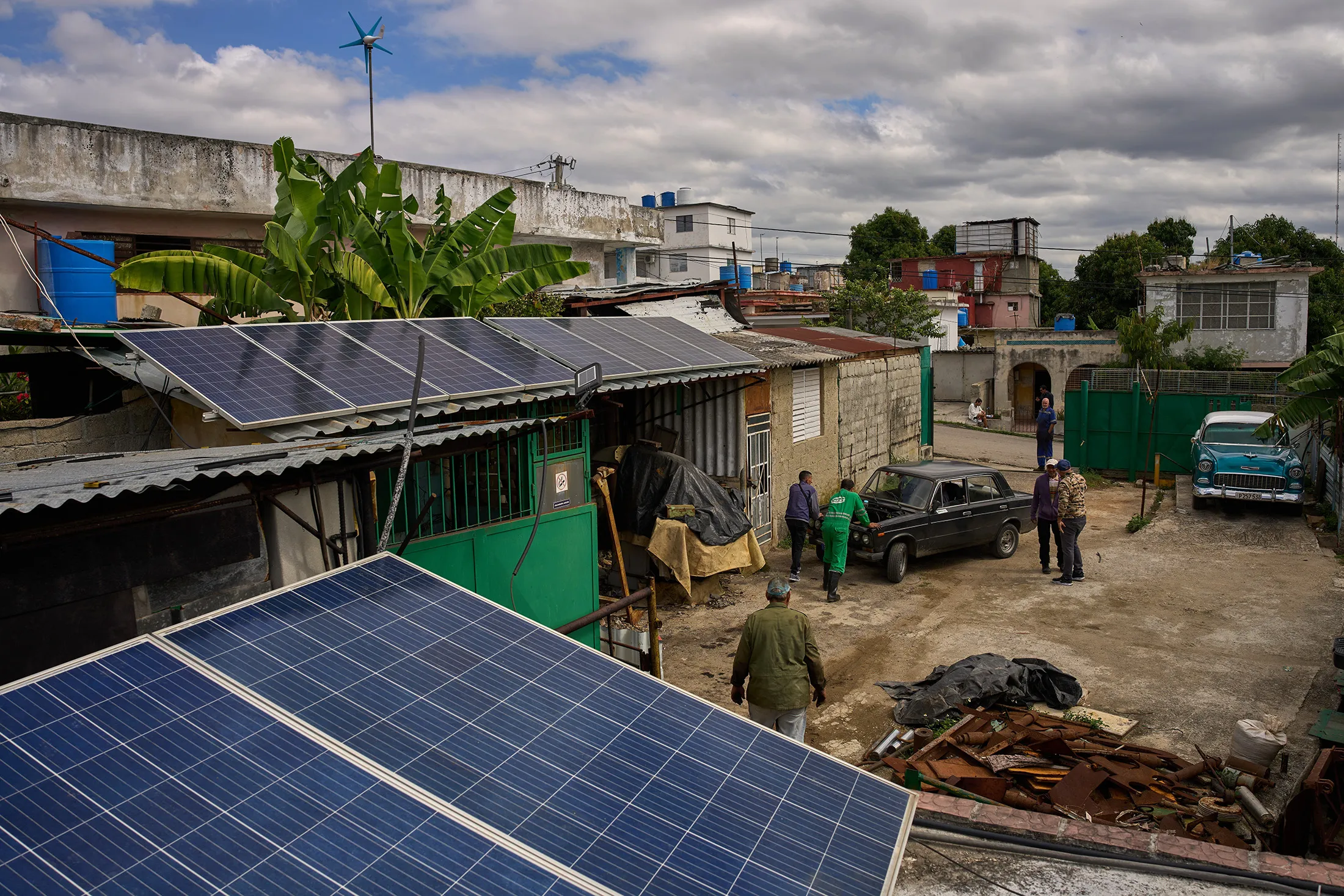
“Given the already precarious circumstances of the electric grid, many Cubans have figured out ways to import solar panels,” he said in an interview. “That's not a necessarily cheap proposition.”
Read more: Miami Elites Who Dream of Rebuilding Cuba Fear It’s Too Far Gone
It stands to reason that Havana, the wealthiest part of the island, would see greater uptake of solar panels, Bustamante said. Battery systems that charge while the electric grid is on, to then power appliances when it’s not, are also commonly used in the capital, he added.
Electricity Craters as Cuba Goes Without Oil
Daily available electricity, 7-day average

Sources: Unión Eléctrica, Kpler
Note: Data as of Feb. 11
The disparity is stark when zooming in on major population centers. Daily readouts from Unión Eléctrica, the state authority that controls the island’s power infrastructure, show the collapse in supply roughly coincides with the capture of Cuba’s principal ally in Venezuela.
On Jan. 3, US forces whisked Venezuelan strongman Nicolás Maduro away from Caracas to face narco-terrorism charges in New York. President Donald Trump swiftly ordered the interim government left behind to halt all shipments of energy to and financing for its allies in Havana.
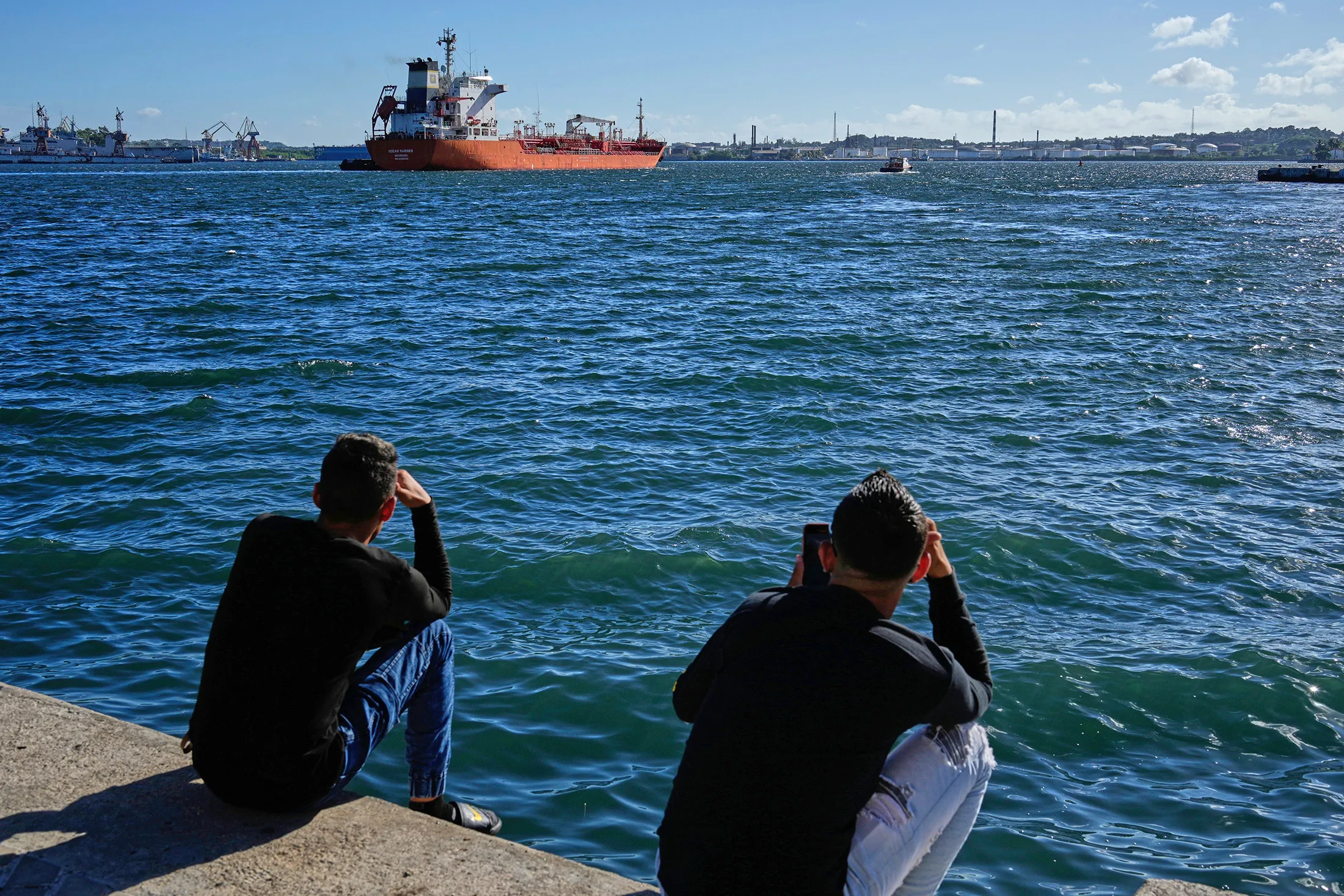
In addition to Venezuela, Mexico had been a steady supplier of oil to Cuba. It delivered a small cargo on Jan. 9, according to Kpler, a data and analytics firm. A few weeks later, Trump threatened tariffs on any nation that supplies the island with fuel, cutting off that flow as well. As a result, Havana has now gone a full month without a major fuel delivery, the data show.
All of Cuba’s Oil Imports Have Halted
Monthly oil deliveries to Cuba, by country of origin

Source: Kpler
Note: Data as of Feb. 11
Some analysts estimate Cuba has enough oil left in storage to last fewer than 20 days, but no official figures are available. Last week, the government unveiled a series of contingency measures including reducing public transportation routes, shortening the work week to four days, shutting down resorts and limiting gasoline sales to consumers who can pay in dollars.
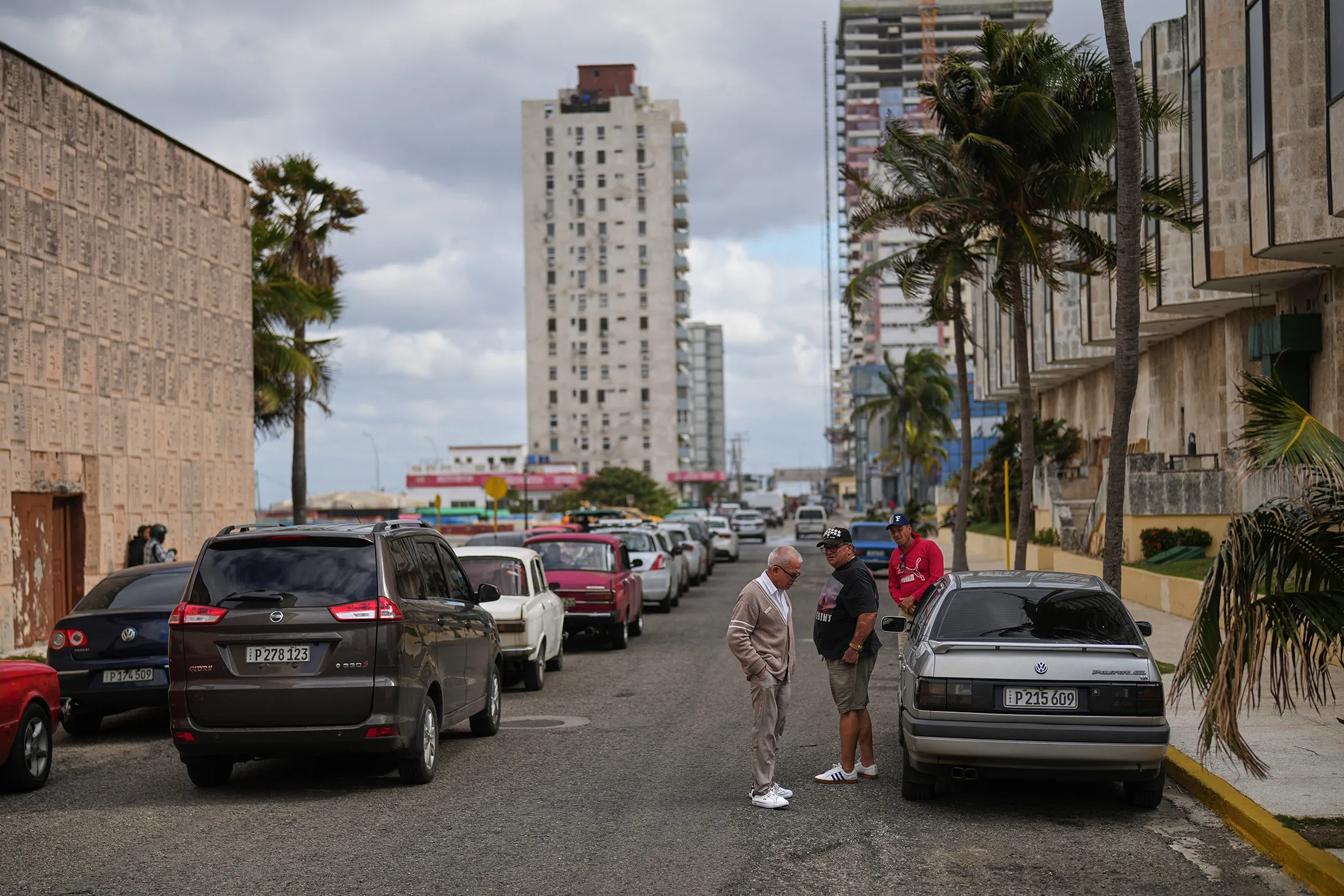
It’s now a waiting game between Washington and Havana to see who blinks first. Trump argues the regime is so weak it will collapse on its own and is severing all sources of external support to speed the process. Díaz-Canel has indicated he’s open to negotiations with the US, but not about the country’s one-party system of government.
Read more: As US Chokes Oil Supplies, Can Cuba’s Regime Survive?
From rural towns to provincial capitals and Havana itself, everyday Cubans are living under increasing duress as a result. While the regime survived the collapse of the Soviet Union in the 1990s through similarly aggressive belt-tightening and stoicism, it could still import fuel to keep the lights on.
Not being able to do so this time, Bustamante said, represents “a very significant blow that will severely strain an already severely strained electric grid.”