YouTube’s Right-Wing Stars Fuel Boom in Politically Charged Ads
On YouTube’s conservative airwaves, podcast hosts tout products that let people buy into the MAGA crowd: Republican Red Winery vintages for toasting the “silent majority;” Black Rifle Coffee for caffeinating gun owners; XX-XY Athletics for workout clothes symbolizing opposition to the “lunacy of the left social agenda.”
The popularity of YouTube podcasts among conservatives is driving a boom in small businesses tailoring ads to their millions of listeners, paying hosts like Joe Rogan and Candace Owens to read out promotions in the hope that fans will place orders. The phenomenon has enriched both the hosts and YouTube, supporting further growth of the businesses using ideology to sell.
A Bloomberg analysis of host-read ads across nearly 1,000 videos from eight of the platform’s top right-leaning podcasters found that advertisers on the shows routinely tapped into political identity in marketing. At least one host-read ad with a political message appeared in 91% of videos reviewed.
Three in 10 advertisers relied on ideological appeals — emphasizing “pro-life,” Christian, pro-gun, “America first,” or pro-military themes, or attacking Democrats, gender identity or policies they described as liberal. Roughly a quarter promoted the “Make America Healthy Again” agenda or pushed health and wellness products that they framed as natural or an alternative to conventional medicine. About 16% leaned on safety and security themes, while another fifth invoked anti-establishment rhetoric, railing against big corporations, public agencies, or institutions in medicine, education and finance. Several also catered to a distinctly masculine audience, tapping into a segment of the population that, polling data show, came out in force for Trump last year — many of them electrified by the podcasts that were part of this analysis.
The strategy of using ideology to persuade someone to make a purchase — especially through an influencer — is powerful, said Emerson Brooking, a resident senior fellow at the Atlantic Council who studies online networks. “American culture has built up the idea of brand choice as a political act,” he said. The rise of political — and often right-wing — podcasts, which are an extremely influential force in listeners’ lives and opinions, has “opened the door to a whole industry of politically coded kitsch products that seek to target this exact demographic,” he said.
Over a Fourth of Advertisers Relied on Ideology
Source: Bloomberg analysis of 188 advertisers across eight YouTube channels, Jan–Sept 2025.
Note: Themes are non-exclusive.
The sponsors range from lifestyle brands such as XX-XY Athletics, which advertises against transgender women athletes competing in women’s sports, to Birch Gold Group, a precious-metals investment firm that spent about $10.8 million on host-read advertisements over the last year, according to estimates from Podscribe, a podcast analytics company. Other advertisers lean heavily on political appeals: Seven Weeks Coffee says its name refers to the idea that a coffee bean is about the size of a fetus at seven weeks, when abortion opponents say a heartbeat can be heard. My Patriot Supply, a survival-kit seller, promotes self-reliance as a “patriotic duty.”
Left-leaning shows, comparatively, haven’t fostered a similar ecosystem of podcast-oriented ideological marketing, according to a Bloomberg review of Podscribe data. It’s a reflection of how podcasts have emerged as an influential space for many conservatives as their trust in institutions and the mainstream media has declined, according to Rose See, a doctoral candidate at Columbia University’s communications department who studies conservative influencers and contemporary politics in the US. On the “mainstream left,” where there’s more trust in institutions like science, medicine and government, “you don’t necessarily need to have this oppositional brand identity,” she said.
Audrey Lopez, a YouTube spokesperson, said the video site is home to “an incredibly wide variety” of successful podcasts. “Creators are responsible for selling and managing any sponsored segments in their podcasts, and YouTube does not take a cut of revenue or have a say in how these segments appear,” Lopez said in a statement. YouTube also doesn’t have visibility into what creators charge for ads they read directly.
YouTube, the biggest platform for podcasts, takes a cut of revenue from its own ads that show up with videos, which are algorithmically assigned in a way that varies depending on the individual viewer. A boom in ad revenue for a podcaster, either through host-arranged ads or YouTube’s own, gives creators a strong reason to rely on the platform to build an audience.
Conservative Podcasters Read Ad Copy Catering To Their Audiences

“While we may have won this election, the fight to restore our great nation has just begun. ... As America's only Christian conservative wireless provider, Patriot Mobile offers a way to vote with your wallet without compromising on quality or convenience. Patriot Mobile isn't just about providing exceptional cell phone service, it's a call to action to defend our rights and freedoms.”
Ad for Patriot Mobile on Shawn Ryan
Political ideology
Anti-establishment

“A dark age of unmanliness ensued — an age of men wearing buns, drinking vegan milkshakes, and wearing really tight pants and acting like a bunch of crybaby commies. Until one day, the great archaeologist and CEO Jeremy Boreing went on a dangerous quest on which many before had perished. ... His mission was to restore the blade to mankind and thereby restore manliness.”
Ad for Jeremy's Razors on Ben Shapiro
Masculinity

“We're sorry to say it, but this is not a very safe country. Walk through Oakland or Philadelphia — yeah, good luck. So most people, when they think about this, want to carry a firearm. The problem is there can be massive consequences for that. ... And that's why a lot of Americans are turning to Byrna.”
Ad for Byrna on Tucker Carlson
Safety and Security
Anti-establishment

“In an uncertain economic landscape, smart investors are paying attention to the signs. With increased tariffs reshaping our trade relationships and sweeping changes to taxes and regulations, one investment vehicle stands the test of time: gold. That's why I'm excited to tell you about a groundbreaking resource from my trusted partner, Birch Gold Group. They've just released the ultimate guide for gold in the Trump era, featuring an exclusive forward by Donald Trump Jr.”
Ad for Birch Gold on Ben Shapiro
Anti-Establishment
Safety and Security

“Dr. McCullough urges early prevention, recommending a contagion emergency kit from The Wellness Company. His medical board-approved solution with five critical life-saving medications like ivermectin, Tamiflu, a nebulizer, and hydroxychloroquine. ... Every household can now have access to these hard-to-get medications in the event of another pandemic.”
Ad for The Wellness Company on Candace Owens
Alternative Health
Safety and Security
Advertisers said the power of host-read ads comes from the intimacy of the format; a recommendation in the host’s own voice can feel more like advice than a sales pitch. Jennifer Sey, founder and CEO of XX-XY Athletics, said that appearing on the Megyn Kelly Show delivered some of the brand’s “best sales days ever,” while subsequent ad buys on the podcast have been among the company’s top-performing advertising placements.
Podcast ads outperformed its other digital and social media advertising efforts, she said, helping push the company to seven-figure revenue. “When we get the message out to the right people, we see sales,” Sey said.
Podcasts have become a significant fixture of US political culture — enough for Alphabet Inc., which owns YouTube, to specifically acknowledge YouTube’s influence in the 2024 election during its fourth-quarter earnings call in February. “Our early investment in podcasts is paying off,” Philipp Schindler, Google’s chief business officer, said after noting that 45 million Americans turned to YouTube on Election Day alone. Neal Mohan, YouTube’s leader, directly liaised with the biggest names in Washington during Trump’s inauguration weekend.
The company has also adjusted its rules — for example narrowing the kinds of videos it removes and giving previously banned creators a path to return. Information integrity experts like Brooking say those changes have allowed more controversial or hateful content to persist on the platform.
Critics, as well as some of the advertisers and the showrunners themselves, say that YouTube’s embrace of podcasting and reduction in content restrictions has lent confidence and stability to the industry. It marks an evolution for influencer marketing itself, beyond using famous people to endorse products. Companies are tailoring products specifically to audiences that can be reached through shows.
By tapping into YouTube’s massive podcast ecosystem — which the company says now drives more than 100 million hours of daily listening — these businesses have found an audience particularly receptive to right-wing messaging. Even if they don’t all rely solely on conservative podcasts, their rise demonstrates a strong market for products sold through a conservative lens, and podcasts that have merged politics with consumerism. Bloomberg’s review found advertisers framing purchases as participation in a cause — inviting listeners to “vote with your wallet,” “reflect the values of faith, family and freedom,” or buy products that “pay tribute to America’s 45th and now 47th president” — transforming shopping into a kind of political expression that has flourished during Trump’s presidency.
The top 10 advertisers spending the most on host-read ads on the right-leaning podcasts are investing nearly four times more per month in 2025 than they did on average in 2023. So far this year, those brands have collectively spent about $5 million a month on podcast advertising, according to Bloomberg’s analysis of Podscribe data.
Ad Spending by Brands Using Conservative Appeals Has Soared Since 2023
Source: Bloomberg analysis of Podscribe data
Note: Top 10 advertisers ranked by total spending on conservative podcasts among all shows tracked by Podscribe. This includes Patriot Mobile, Birch Gold, Goldco, My Patriot Supply, PreBorn, Hillsdale College, Good Ranchers, Black Rifle Coffee, Byrna and PureTalk. Reporters eliminated advertisers that marketed products on mainstream news or politically progressive shows.
Bloomberg’s review covered 876 videos uploaded between January 2025 — right after President Trump’s inauguration — and September 2025, noting every host-read advertisement. The podcasters included entertainers with large male followings — Joe Rogan, the Nelk Boys, Shawn Ryan and Theo Von, whose audiences skew 89% male on average, according to Podscribe data — alongside established political commentators such as Ben Shapiro, Candace Owens, Tucker Carlson and Megyn Kelly. Each commands more than 3 million subscribers, advocated for Trump in the run-up to the 2024 general election and around the time of his inauguration, and features ads read directly by the hosts.
According to Bloomberg’s analysis, ads for about a third of all brands identified explicitly invoked political or cultural identity, with some recurring across multiple programs. Advertising for the cellphone carrier PureTalk — pitched as a cheaper alternative to big carriers and a company that “defends freedom and pro-American values” — was read out by three hosts across 143 separate podcast episodes. Ads were categorized as “mainstream” if they came from companies without a clear political alignment that also market to general consumers, such as those from ExpressVPN, Helix Sleep and ZipRecruiter.
Seven of the Top 10 Brands on Right-Wing Podcasts Use Ideological Appeals
| Advertisers 👆 | Number of ad reads | Shows 👆 |
|---|---|---|
PureTalk | 143 | 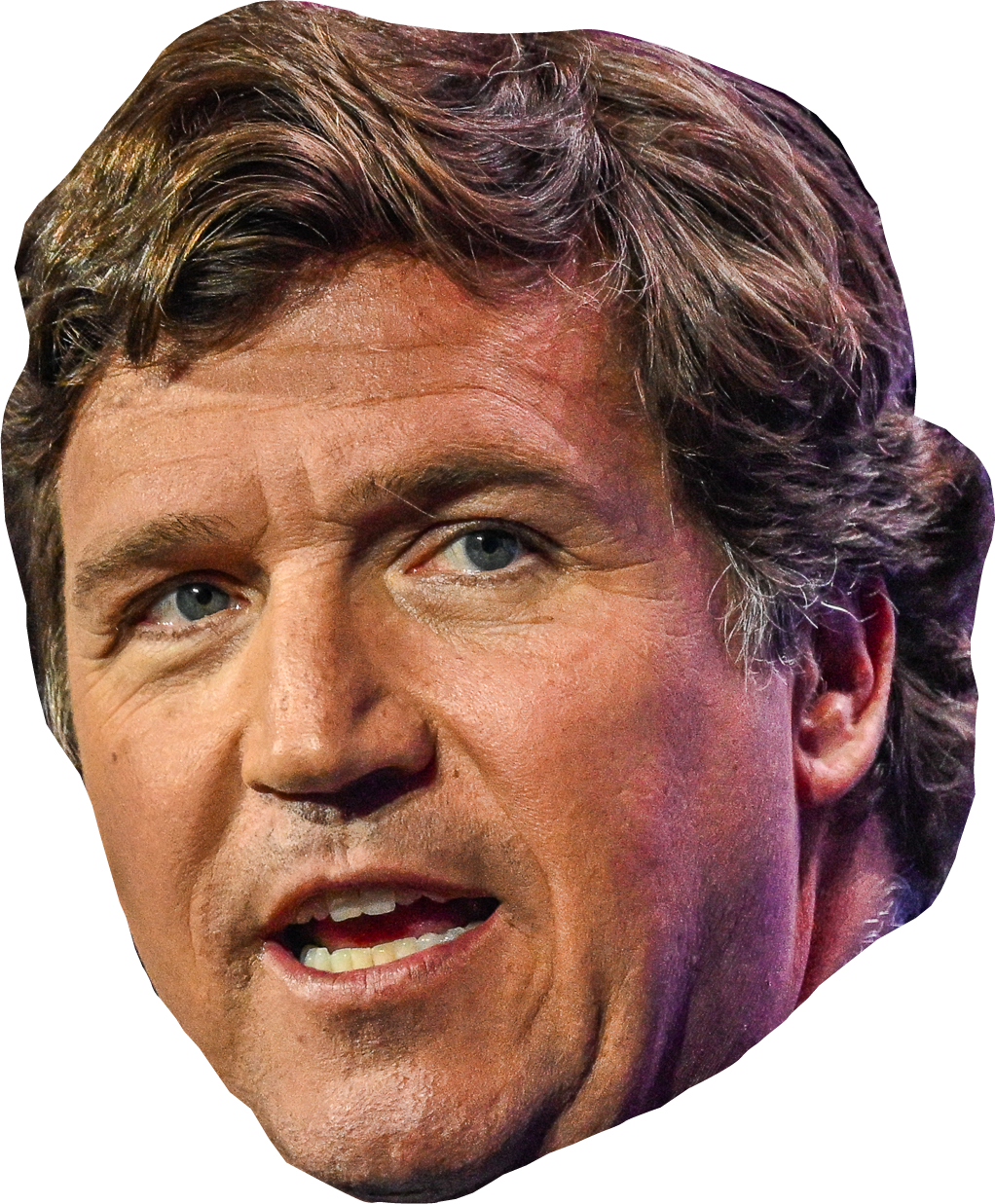 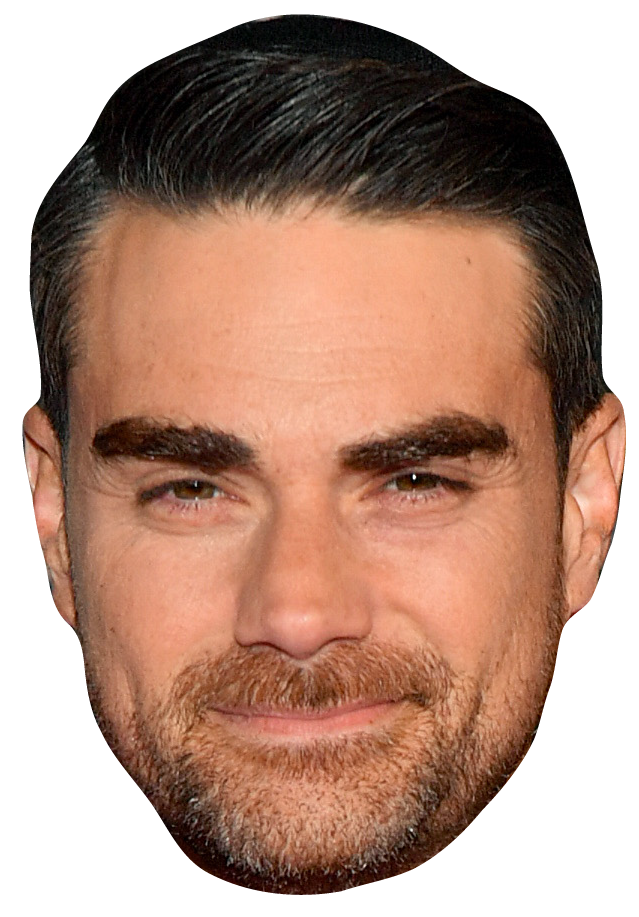 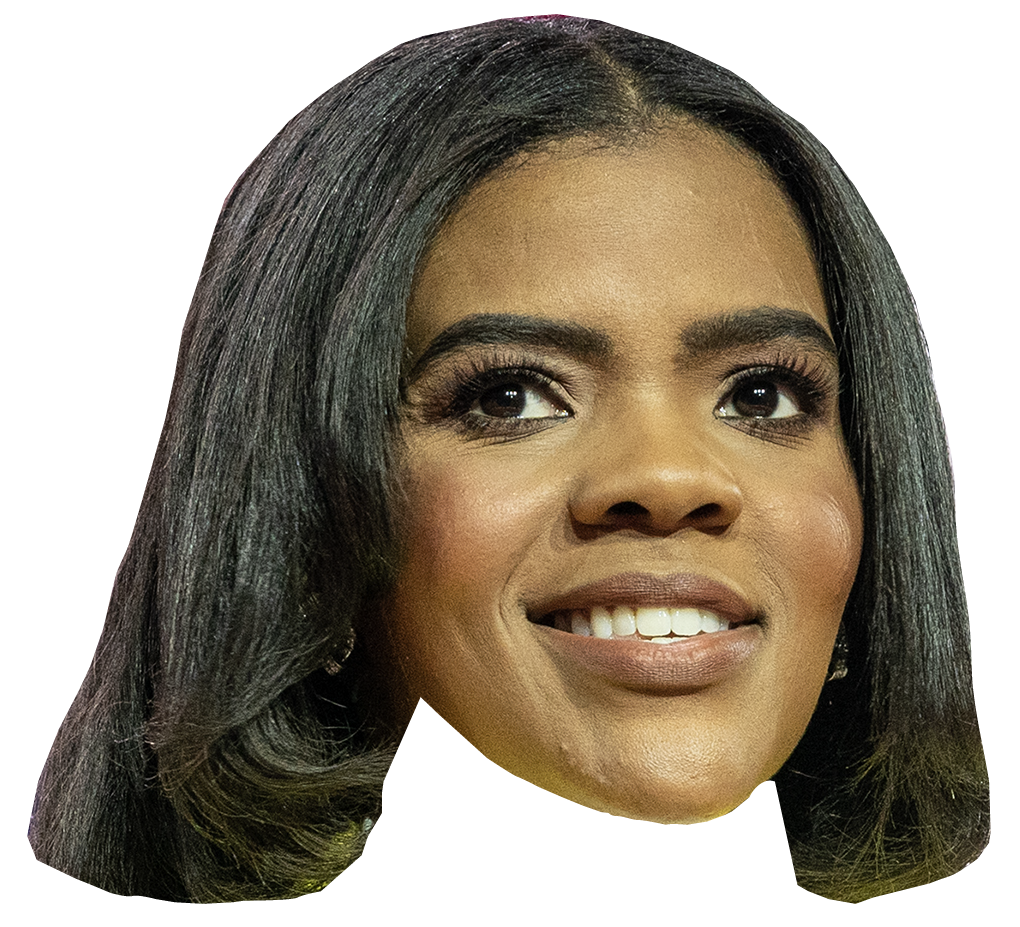 |
American Financing | 129 |  |
Tax Network USA | 101 |  |
Birch Gold | 94 | |
ExpressVPN | 86 |  |
PreBorn | 71 | |
Grand Canyon University | 68 | |
ZipRecruiter | 66 | |
Helix Sleep | 65 |  |
Goldco | 65 | |
Source: Bloomberg analysis of 188 advertisers across eight YouTube channels, Jan–Sept 2025.
Note: Top 10 advertisers are ranked by number of ad reads.
People familiar with advertising rates for top podcasts said the biggest shows among conservative audiences charge from $10,000 to over $100,000 per ad read for programs as popular as The Joe Rogan Experience, which has more than 20 million YouTube subscribers. By contrast, podcasts popular among liberal audiences and shows critical of Trump generally draw smaller audiences — MeidasTouch has 5.5 million subscribers, while The Majority Report with Sam Seder and The Bulwark fall below 2 million YouTube subscribers — and as such, usually sell ad slots for only several thousand dollars each, said the people, who asked not to be identified giving away proprietary information. The exceptions are Call Her Daddy and Pod Save America, which fetch five-figure ad rates because of their reach across podcast platforms. Both shows’ YouTube audiences are still comparatively small at 1.8 million and 1.1 million subscribers respectively, though video ads cost more than audio ads, one of the people said.
Right-Leaning Podcasts Command Far Larger Audiences on YouTube
Source: YouTube subscriber counts, as of Nov. 4, 2025.
Some of the brands targeting conservative audiences don’t just market ideology — they say they finance political advocacy, making each purchase feel like a step toward societal change. Seven Weeks Coffee, for instance, says it allocates 10% of each purchase to crisis pregnancy centers that discourage people from getting abortions and offer services such as counseling, and has contributed over $1 million so far. Patriot Mobile, a Texas cellphone carrier that bills itself as a Christian conservative alternative to Big Wireless, established a political action committee that has directed significant funding into school board elections in Texas; the company markets its business and the PAC as intertwined, though user purchases don’t directly fund the latter. The Heritage Foundation, which advertised on Carlson’s show, shapes conservative governance through initiatives like Project 2025, a policy proposal focused on expanding presidential power and weakening or eliminating federal agencies.
The Trump administration’s moves haven’t all been popular with the podcasters. Theo Von distanced himself from an Immigration and Customs Enforcement ad that used his likeness, and Tucker Carlson faulted Trump and his allies over strategy in Iran and other issues. Shawn Ryan told the Wall Street Journal he doesn’t want to be a “mouthpiece” for the Trump administration and is seeking to interview people across the political spectrum. His ad mix might start to change, as he recently forged a podcast distribution and sales deal with Daylight Media, a more mainstream-focused creator firm, in place of his former agreement with Cumulus Media Inc., a radio conglomerate known for its work with conservative hosts.
Advertisers, too, are constantly changing their mix. A Heritage Foundation spokesman said it no longer advertises on the Tucker Carlson Network and “partners with a wide range of shows and outlets to reach audiences across America.” Carlson is facing widespread backlash over his interview with white nationalist Nick Fuentes.
“Even though I'm excited for the new administration, there's a lot of tension in the world. Russia, Ukraine, the border, inflation, who knows what could happen next? Me, I'm not waiting around to find out and I don't think you should either. Look, it's simple. I want you to go to shawnlikesgold.com. You'll learn about my partners over at GoldCo. They're a great precious metals company that I trust.”
Ad for Goldco on Shawn Ryan
Political Ideology
Still, the anti-establishment themes of the podcasters and advertisers resonate with their audiences. A study from Oxford Road, a podcast advertising agency, demonstrated this influence. Shows featuring an appearance by President Trump leading up to the election that returned him to the White House achieved significantly better results for advertisers — like website visits and purchases — than those that interviewed Kamala Harris. The ads running on conservative programs where Trump appeared outperformed Harris’ appearances by two to three times.
“Shows that may be viewed as more ‘risky’ from a brand safety perspective often drive more action from their listener base,” the report said.
Bloomberg’s analysis focused on host-read advertisements during a show, though many of the creators also earn money from branded merchandise, live events and subscription services. The analysis identified every in-stream advertiser across the eight podcasts, ending up with 188 unique sponsors, and sorted them into five categories based on how the hosts pitched the advertisers’ products: wellness, anti-establishment, safety and security, ideological and male-oriented lifestyle. About a third of advertisers didn’t fit into any of the themes and were not categorized.
A fourth of advertisers leaned heavily on MAHA or wellness messaging, promoting alternative health products such as colostrum supplements from Cowboy and Armra — powders made from a cow’s first milk. Others, like My Patriot Supply, tapped into anti-establishment rhetoric by suggesting that government and mainstream emergency systems are unreliable and by framing preparedness as protection from institutional failure rather than personal independence.
“What happens when your health becomes the punchline? From from seed oils to stress toxins to pollutants? The modern world is screwing with our health at the cellular level, leading to exhaustion, brain fog, digestive issues and more. But here's one thing you don't have to settle for: feeling like garbage 24-7. Armra Colostrum is nature's original health hack, packed with over 400 bioactive ingredients that fortify gut integrity, strengthen immunity, revitalize hair growth, fuel stamina, elevate focus and help you function like a human.”
Ad for Armra Colostrum on Theo Von
Alternative health
A third strategy involved safety and security messaging, used by emergency preparedness brands, ads for gun owners and some financial services firms selling ways to protect oneself from fraud, debt and other risks. Still others leaned on cultural politics, linking their brands to conservative values and opposition to liberal causes. Finally, some ads explicitly targeted male listeners, hawking products like erectile dysfunction treatments or recovery programs for porn addiction.
It’s easy to add identity branding onto a product or company that isn’t inherently political, said A.J. Bauer, an assistant professor at the University of Alabama who has studied contemporary right-wing movements in the US. “Coffee is coffee. Soap is soap,” he said. “Due to their interchangeability, commodities can be imbued with whatever content you like, which makes them a ripe opportunity for ideologues who want to use sales to promote their cause.”
Nearly every Candace Owens episode reviewed by Bloomberg — over 90% — featured ads promoting anti-establishment or safety and security-based messaging. Ads relying on ideological appeals appeared in about four-fifths of Megyn Kelly, Tucker Carlson and Ben Shapiro episodes reviewed. Shawn Ryan, whose show mixes entertainment and politics, showcased products with MAHA or wellness messaging in over half of his reviewed episodes.
In 96% of episodes by the Nelk Boys, the hosts marketed products tied to men’s hobbies and interests, a theme also present in 81% of Theo Von’s episodes, according to Bloomberg’s analysis. The focus on masculinity, toughness and independence echoes broader ideas that have long resonated within the conservative movement. Alongside the more targeted products, popular podcasters like Joe Rogan and Theo Von also drew major national brands, including DoorDash, BetterHelp and DraftKings.
Ideology, Safety and Security Dominated Ads on Political Podcasts
Source: Bloomberg analysis of 188 advertisers across eight YouTube channels, Jan–Sept 2025.
Note: Themes are non-exclusive.
In a February episode of The Tucker Carlson Show, Carlson read an ad for Levels, a company co-founded by prominent MAHA advocate Casey Means, who is also Robert F. Kennedy Jr.’s surgeon general pick. “She explained how the food that we eat, produced by huge food companies, Big Food in conjunction with Pharma, is destroying our health, making this a weak and sick country,” Carlson said in the spot — a pitch that wove together MAHA, safety and security, and anti-establishment themes.
Neil Patel, a spokesperson for the Tucker Carlson Network, said in an email that the show’s “massive viewership” translates directly into high ad rates. “Our ads are priced accordingly,” Patel said. “We’re fortunate to have lots of amazing ad partners happy with our audience’s reaction to our promotions for their goods and services.”
For many of these brands, the power of podcasts lies in the sense of trust and community they create, a connection that Anton Krecic, founder of Seven Weeks Coffee, said has transformed how he markets his company. “Consumers have a tribe they listen to,” Krecic said. “When they have someone they believe in or trust, that’s a huge value add.” Though, he added, “you can’t just put Republican talking points on and expect people to buy — you need a good product.”
Krecic said the company now dedicates between 50% and 60% of its marketing expenditures to host-read ads on podcasts, and anticipated spending over $700,000 this year on podcast ads.
Podcast ads can also pay off long after they air because episodes behave like “living content,” said Casey Helmick, vice-president of growth at PreBorn, a nonprofit that discourages women from getting abortions, which advertises on shows hosted by Ben Shapiro, Candace Owens and Tucker Carlson. Episodes can resurface months later, sparked by news events or online debates, giving ads new life. “We typically see long-term results” from podcasts, Helmick said, adding that hosts’ connection with their audience makes the format valuable for both acquiring and retaining supporters.
PreBorn’s sharpest growth has come in the past two years, largely coinciding with its strategy of working with conservative podcast hosts — in particular, “vocally pro-life and vocally Christian” hosts, according to Helmick. IRS filings show that the nonprofit’s revenue rose by nearly $7 million from 2021 to 2022, then jumped to $34.7 million in 2023 — almost double its level two years earlier.
PreBorn’s Revenue Rose After Its Podcast Push
Source: IRS Form 990 filings, 2019–2023.
“Preborn utilizes many media channels, with podcasting currently being our largest,” Helmick told Bloomberg. According to estimates from Podscribe, PreBorn has spent about $13.1 million running ads on more than 80 shows since 2023.
Some advertisers say, however, that it’s not all up to them where they run ads — the podcasts themselves can be picky. Sey, the founder of XX-XY Athletics, said the company is happy to place ads wherever it thinks its audience exists. It previously tried to buy a host-read ad on the female-focused podcast Call Her Daddy, which was rejected a week later. “We are equal opportunity,” Sey said. “We go where our consumer is. The shows sometimes won’t let us do an ad buy.”
SiriusXM, the satellite radio company and podcast network that sells ads for Call Her Daddy, confirmed that XX-XY had approached the show about an ad partnership, saying it was one of many brand proposals the team reviewed and ultimately declined for a range of reasons.
YouTube has retired its most aggressive policies penalizing creators for election and vaccine misinformation while positioning itself for growth among conservative audiences. In a letter to the House Judiciary Committee in late September, it said creators previously banned for spreading Covid-19 or election misinformation would soon be allowed to apply for reinstatement. Days later, YouTube agreed to pay $24.5 million to settle Trump’s lawsuit over his Jan. 6 ban. “It’s clear that enthusiasm for this sort of content moderation vanished with Trump’s re-election,” said Brooking, the Atlantic Council fellow.

“Are you ready to toast the golden age of America? Whether you prefer white, red or sparkling, Republican Red Winery has patriotic wines your friends and family will rave about. ... These bold wines let others know where you stand.”
Ad for Republican Red Winery on Megyn Kelly
Political Ideology
George Farmer, who runs the Candace podcast and is Owens’ husband, cast YouTube’s role in stark terms. “YouTube is the printing press of the digital age, if you want to call it that,” he said. He added that podcasting has leaned more conservative in part because many right-leaning voices were “pushed out of the mainstream orbit.” That dynamic has also shaped which advertisers show up: “If you’re pitching to a conservative listener, you’re going to want to be a more conservative brand.” Farmer is also the former chief executive officer of Parler, the social media site that had billed itself as a platform for “uncancelable free speech.”
On Owens’ show, “advertisers have reported seeing returns of two-to-one on dollars spent with us, and up to five-to-one reported in some cases,” he said, with only one advertiser pulling out over the past year. Nearly 60 sponsors now back the program. “The advertisers who have been willing to take this bet have had it pay off,” he said.
Owens’ content has included recent episodes detailing baseless theories about the gender identity of Brigitte Macron, the French president’s wife, and what she called the suspicious circumstances of influencer Charlie Kirk’s death. Farmer said YouTube has been more willing to allow “divergent” voices on the platform. “Less censorship is good,” he said. The popularity of large creators with devoted audiences, he added, makes them harder to police. “As more people consume it month on month, that gives it more credence,” Farmer said. “It becomes a more powerful weapon.”
In turn, YouTube’s scale has let a niche content universe flourish, far beyond what could exist on traditional airwaves — even on partisan outlets. The platform now spans hundreds of right-leaning channels, from Joe Rogan to Ben Shapiro and Tucker Carlson, forming an ecosystem of shows that blend censorship grievances, political commentary and conspiracy talk once kept to the fringes. Media Matters for America, a liberal watchdog group, found in a study earlier this year that right-leaning online shows draw significantly larger audiences than left-leaning ones.
Meanwhile, former members of YouTube’s trust and safety team, who asked not to be identified speaking about internal operations, described tension inside the company, with a small enforcement team often constrained by its reliance on major creators. Partner managers, the team members in charge of the relationships with big channels, sometimes advocated for personalities like Ben Shapiro or Theo Von when content appeared to skirt the rules, they said.
Chris Libertelli, who served as global head of content policy at the company until June 2020, said content moderation worked like a system of “dials” that could be adjusted to match the political moment. “Has it loosened? It absolutely has, let’s be honest, particularly since the second Trump administration,” he said.
YouTube disputed these accounts, stating that former employees lack visibility into recent platform decisions and calling the notion of politically influenced moderation inaccurate. The company said that while partner managers assist creators with understanding the platform’s policies, they cannot overrule trust and safety decisions. YouTube also said that its policies are applied evenly, regardless of a creator’s political affiliation, popularity or channel size.
Bauer, the University of Alabama professor, said YouTube’s role goes beyond hosting advertising. By providing distribution at no cost, he said, the platform effectively subsidizes stars who have the resources to produce professional content. “YouTube is basically giving that to them for free,” Bauer said, pointing to figures like Carlson who can film at home and upload videos directly to YouTube or X. That advantage, he said, deepens the reach of well-resourced creators who already dominate the attention economy.
Research backs up the idea that the right-wing media ecosystem has captured an outsized share of that attention. Multiple studies have found that YouTube’s business model and recommendation system — designed to maximize watch time and emotional engagement — tend to amplify content that provokes strong reactions, disproportionately boosting right-wing creators and outlets.
YouTube disputed the claim that it privileges any political viewpoint, saying it offers the same tools to all creators in its Partner Program. Bauer said that even an intended neutral system can produce uneven effects.
In other words, the platform isn’t just where conservative podcasters sell ads; it’s the infrastructure making the business possible in the first place. And as long as that dynamic holds, the politics of consumption, and the profits that follow, will keep running straight through YouTube.