Africa Needs 1 Billion Jobs by the End of the Century. Where Will It Find Them?
Mapi Gloricien lies in his mother’s arms in a hospital in Kinshasa, among the fastest-growing cities on Earth. Just days old, he’s one of an estimated 4.5 million children expected to be born in the Democratic Republic of Congo this year — a generation that should power economic growth for decades to come.
He’s part of one of the most significant demographic changes on earth. Africa’s population has doubled in three decades and it’s now home to about 1.5 billion people, a figure that’s predicted to grow to 4 billion by the turn of the century. This growth has been driven by improved access to medical care, plummeting infant mortality since 1990, and persistently high birth rates. Already about 60% of people south of the Sahara desert are younger than 25, compared with one-third in the US, according to the United Nations.
The expected number of annual births in Congo is more than 800,000 greater than across the US or the European Union’s 27 member states. So while the developed world worries about getting old, Africa is getting younger.
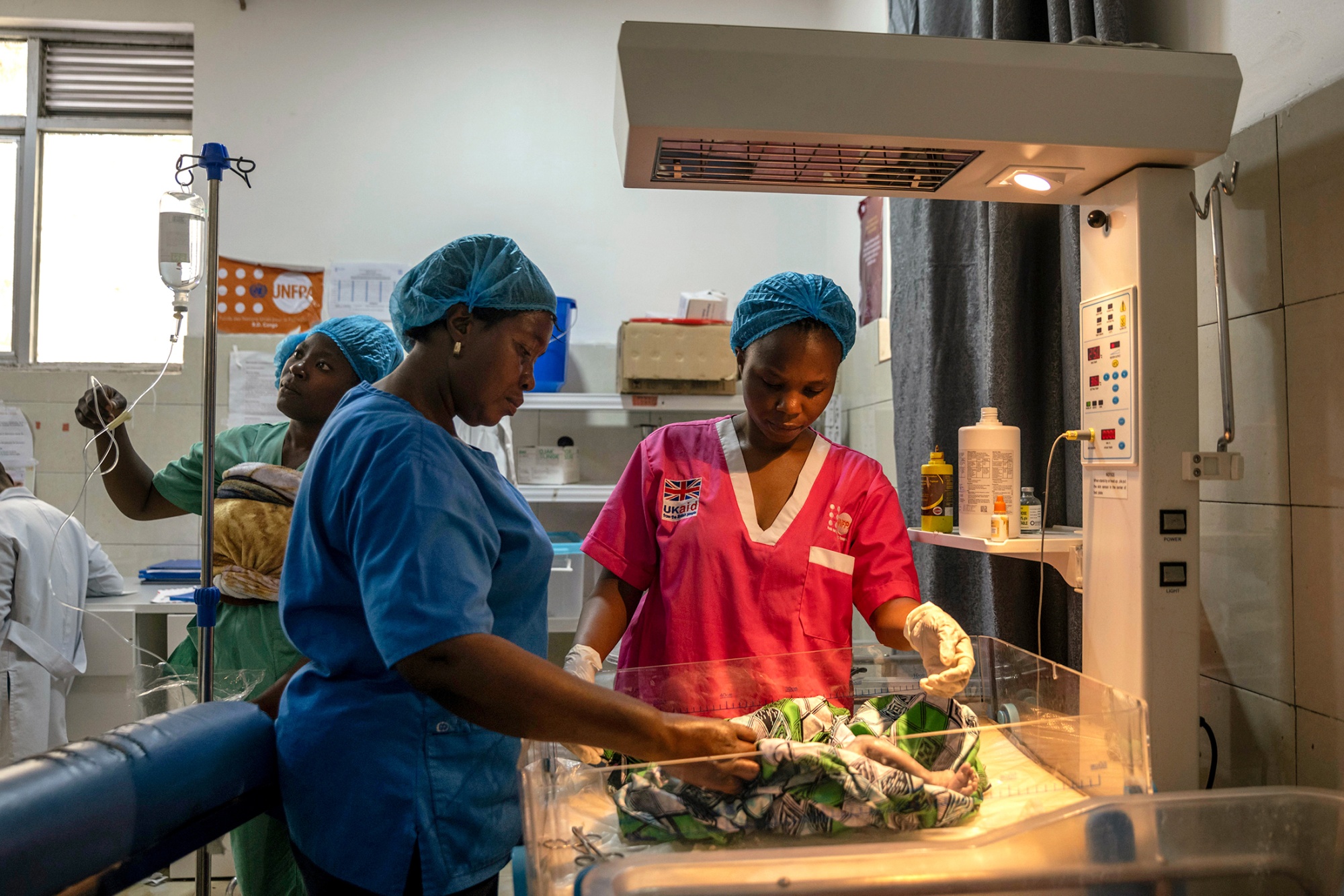
A maternity ward in Goma, Congo. Photographer: Arlette Bashizi/Bloomberg
Paul Morland, a demographer and author of No One Left: Why the World Needs More Children, says Africa’s population surge has the potential to transform global politics, international relations, economics, culture and ecology, a view echoed by other analysts and economists. “It comes when humanity is far advanced in technology compared with previous population explosions elsewhere,” says Morland, “so we should be better able to cope.”
Success will depend on both shrinking the existing rate of population increase, and also creating the economic opportunities — jobs are a key driver of growth in the early stages of development — for young people entering the labor market. Getting it wrong could fuel poverty, trigger more conflict and potentially spark mass emigration.
A pivotal metric will be the ratio of the working-age population — defined as those aged 15 to 64 — to dependents, children and the elderly, which stands at 1.3:1 today. As this ratio increases, sub-Saharan Africa will begin to reap the benefits of the so-called demographic dividend — the boost to growth that comes when workers outnumber dependents, creating a window for faster development.
Source: United Nations Population Division



“Governments should keep working to bring down their fertility rates to ensure that the population explosion has a limited shelf life,” says Morland. “But they should take care not to over-do it so they don’t create the sort of aging and shrinking problems we have elsewhere.”
China is an example of how curbing fertility can fast-track and enlarge the demographic dividend, giving growth an early lift. But it also shows that those gains may last only a generation as the workforce grays, leaving too few young people to take their place.
Realizing the potential of this opportunity could take decades. Maximizing it will depend on countries’ ability to strengthen education and healthcare systems, and implement policies to boost job creation.
Read More: Africa’s Energy Shortage Is Stalling Its Industrial Revolution
“Africa’s youthful and growing population, alongside the population decline in Europe and Asia, presents an opportunity for rapid growth with the right investments,” says Jakkie Cilliers, head of the African Futures and Innovation Program at the Pretoria-based Institute for Security Studies. “But African governments will have to spend lots of money on employment-creation schemes, on welfare grants and other support measures.”
Sub-Saharan Africa will see 1 billion people enter the labor force between now and the end of the century, according to Bloomberg Economics analysis of UN Population Division data. Annual job demand is projected to peak at approximately 18 million in 2048.
Most countries on the continent already struggle to provide sufficient jobs. For every two people that joined Congo’s working-age population between 2005 and 2020, only one job was created on average, a pattern repeated across Nigeria, Ethiopia and other large states, according to Bloomberg Economics analysis of International Labor Organisation data.
Africa’s Workforce Set to Nearly Triple by End of Century
Source: United Nations Population Division
The jobs picture in Africa is obscured by the lack of reliable employment data in many countries. Official statistics don’t always fully capture informal work, which dominates the continent’s labor market and is often insecure, poorly paid and doesn’t contribute to tax revenues. This is compounded by a lack of accurate demographic data, which creates uncertainty around broader trends in the jobs market.
“Instead of labor moving to jobs in urban factories — the traditional route to rapid growth — most Africans urbanize to escape destitution in rural areas,” says Cilliers. “Rather than benefiting from more productive livelihoods in towns and cities, it means they generally survive in a growing informal, low-end services sector.”
Long-term population projections, however, provide a useful basis for estimating the number of jobs needed in Africa in the coming decades. Bloomberg Economics analysis of data from the UN Population Division and the ILO suggests the job-creation challenge will remain acute in sub-Saharan Africa’s most-populous nations — Nigeria, Ethiopia, Congo and Tanzania. It’s also expected to lag behind the number of young people entering the labor market across the continent, making it a persistent structural issue for years to come.
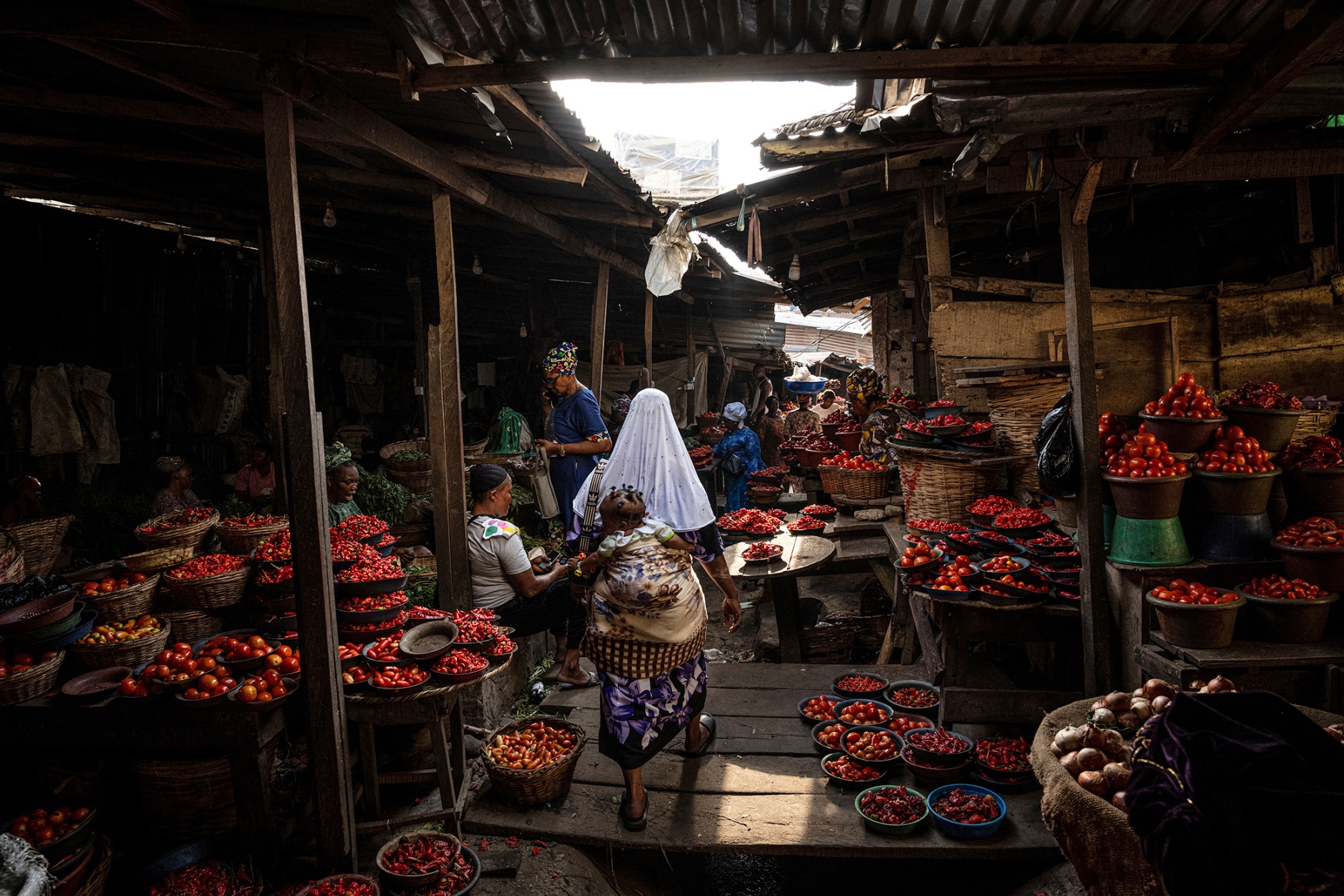
A food market in Lagos, Nigeria. The jobs picture in Africa is obscured by the lack of reliable employment data in many countries. Photographer: Etinosa Yvonne/Bloomberg
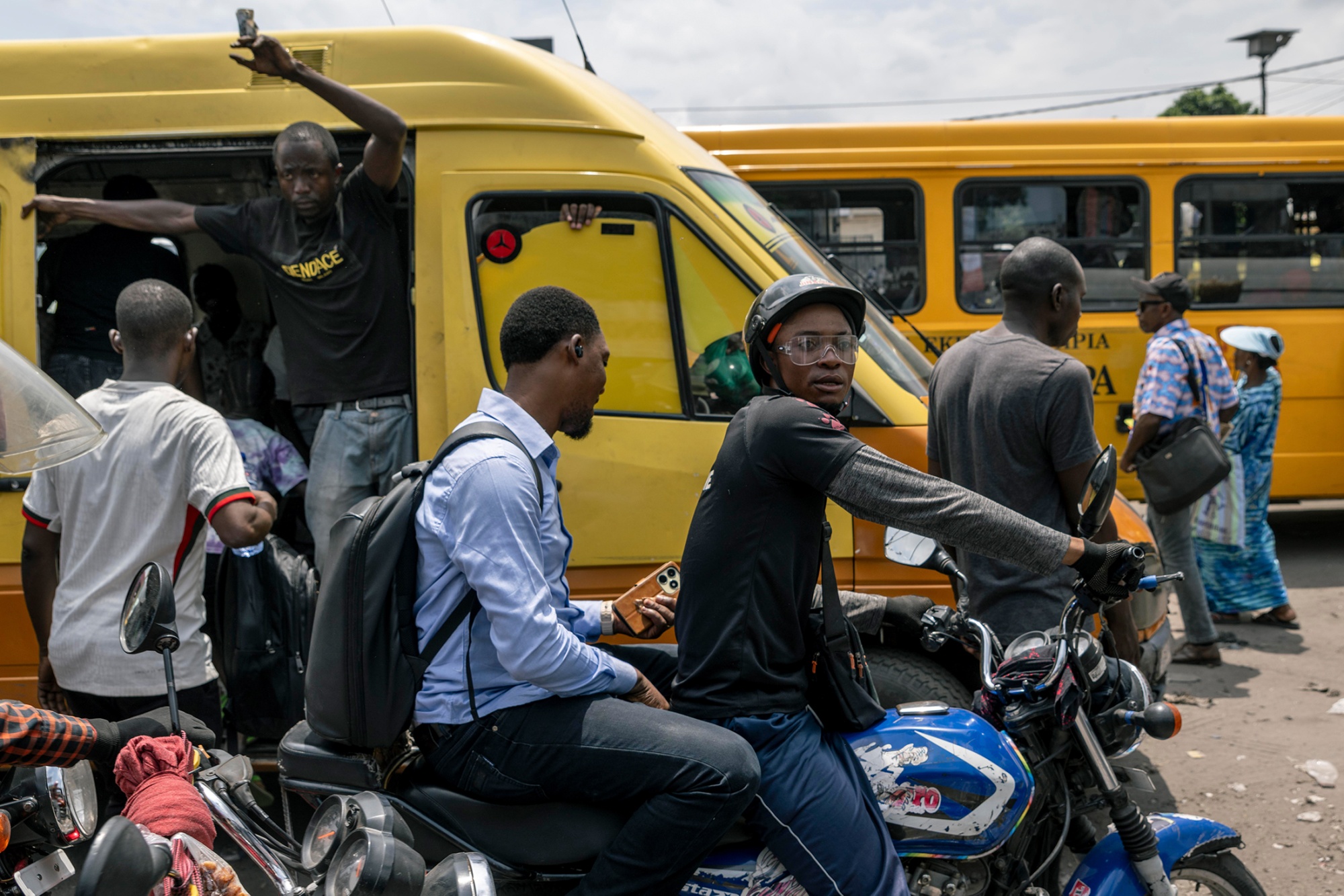
A motorcycle taxi in Kinshasa. Official statistics don’t always fully capture informal work, which dominates the continent’s labor market. Photographer: Arlette Bashizi/Bloomberg
In a worst-case scenario, that scenario could translate into the continent sliding ever deeper into poverty and political and civil strife, and encouraging mass emigration, with the reverberations felt across the world.
“Labor migration is an inevitable consequence of being educated,” says Charlie Robertson, the author of The Time Travelling Economist who has been monitoring developments in Africa for the past 15 years. “This is the most educated the continent’s ever been, but with insufficient savings to utilize that education there will be demographic pressure to emigrate.”
The strains are already evident: Food insecurity is rife, many cities are bursting at the seams, government services are slipshod or non-existent, and intensified competition for scarce resources is fueling insecurity and conflict. There have been protests across Africa from Kenya to Madagascar and Morocco this year as the so-called Gen Z dissatisfaction with the status quo boiled over.
Africa also has the potential to evolve into a global powerhouse, becoming a leading supplier of agricultural and manufactured goods — in the process creating millions of quality jobs — and a major driver of global consumption and economic growth with a powerful voice in multilateral institutions. Culturally, its young, tech-savvy population is already exerting influence across the world, from music to fashion, film and art.
“The task is to build jobs for young people. If they have a job they will be optimistic, have hope and dignity,” says World Bank President Ajay Banga, in an interview in Mozambique. “If we don’t do it in the next 10 years then we will have wasted the demographic dividend.”

A catwalk show during the GTCO Fashion Weekend in Lagos. Photographer: Victor Adewale/Bloomberg

Fashion designer Sevon Dejana stitches a dress before his show opens. Photographer: Victor Adewale/Bloomberg

The Art X Live annual music and performance event in Lagos. Africa’s young, tech-savvy population is already exerting influence across the world. Photographer: Victor Adewale/Bloomberg
Current projections show African countries are likely to take much longer to reach that dividend stage compared with East Asian nations like South Korea and China in the 1980s, and the magnitude of the impact may be comparatively smaller — meaning that any economic benefits could be more limited and slower to materialize.
“Having a young and dynamic population can be an asset,” says Rene Tapsoba, the International Monetary Fund’s resident representative in Congo, speaking inside the central bank building in Kinshasa. “But if this population is not well trained and well educated, it can become a handicap for social cohesion and public policies, and make the process of economic development even more challenging.”
High birth rates, he adds, mean growth has to be much greater just to stand still: “You cannot reduce poverty by growing only at 8% if your demographic growth rate is 6-7%.”
Nigeria’s Four-Child Policy
For more than three decades, Margaret Edison urged Nigeria’s leaders to slow population growth through better family planning and education. UN data show that the average fertility rate in Africa’s most-populous nation has fallen from six children per woman in 1990 to 4.3. But more needs to be done, says Edison, who retired as head of Nigeria’s population management department last year.
“I succeeded,” says Edison, who oversaw the drafting of Nigeria’s most recent population policy in 2022, “but not as much as I should have.”
Nigeria’s population is forecast to increase by two-thirds to around 400 million people by 2060, according to the UN — the country’s official data for 2024 recorded a fertility rate of 4.8, higher than the UN estimate. Edison says it’s too late to halt the population growth, instead the young population needs to be harnessed, with education and technology — arming people with the skills to drive economic productivity.
Sources: United Nations Population Division; International Labour Organization
But Nigeria’s massive infrastructure deficit, particularly when it comes to power, and the government’s extremely lean fiscal resources — more than half of revenues go toward debt servicing — suggest it’s ill-prepared to exploit the opportunity of so many new workers coming on stream.
Nigeria’s minister of economic planning didn’t respond to a request for comment.
Edison, from a family of 15 children, blames political short-termism in Nigeria and the failure to fully enforce its “four-child policy” — introduced in 1988 — for hindering her efforts. Fertility patterns vary significantly across the country with households in the predominantly Christian southern states tending to have fewer children than those in the mostly Muslim north, reflecting differences in cultural and educational norms, access to family planning services and the constant fear among parents of infant mortality.

For decades Margaret Edison urged Nigeria’s leaders to slow population growth through better family planning and education. Photographer: Etinosa Yvonne/Bloomberg
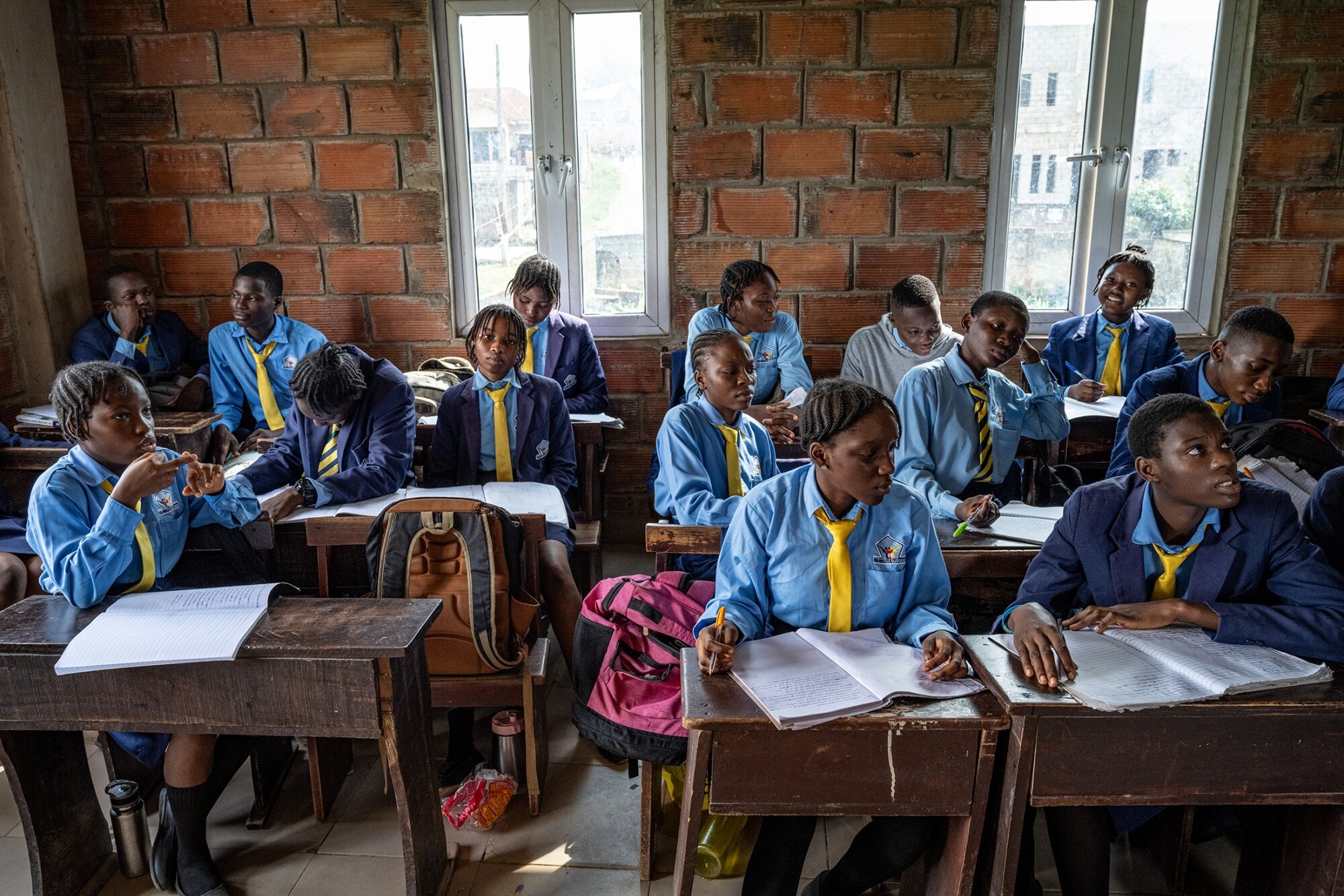
A secondary school in Lagos, Nigeria. Photographer: Etinosa Yvonne/Bloomberg
If a girl completes secondary school, “she’ll know that having a large family is a burden, she’ll know that practicing family planning is good, she’ll know where to look for it,” says Edison, who has two children. “But some people just don’t care, they’ll tell you God gives and God takes care.”
Sub-Saharan Africa’s fertility rate remained largely unchanged between the 1950s and 1990, averaging 6.2 children per woman. It now stands at 4.2 children per woman, and is declining, UN data show. Yet in more than 20 nations the fertility rate exceeds that number with Congo among the highest, averaging 5.9 children. The rate needed to maintain a stable population is 2.1 children.
Africa’s Fertility Rate Is Falling, But Is It Fast Enough?
1990
Source: United Nations Population Division
Edison praises other African nations such as Rwanda for its investment in girls’ education and abstinence messaging, and Kenya and South Africa for providing modern contraception and family planning advice, and discouraging early marriage.
If properly educated and employed, Nigeria’s population could be an asset, Edison says. But left idle, the consequences could be, in her words, “catastrophic.”
“Poverty is high,” she adds, “food insecurity is widespread. Young people are restless.”
And if the current trend continues? “Then Nigeria will become ungovernable,” she adds.
Watch: How Africa Can Transform Into an Industrial Powerhouse
Needed: An Industrial Revolution
East Asia’s economic success last century was underpinned by rapid industrialization, and fueled by high investment rates and state-sponsored development of manufacturing. Africa is struggling to replicate that model, say economists.
A number of high-profile multinationals — including Procter & Gamble Co. and GSK Plc — have either cut back or exited Nigeria in recent years blaming everything from the difficulty in repatriating funds to infrastructure shortfalls, effectively turning their backs on one of the world’s fastest-growing consumer markets.
In South Africa — the continent’s most-industrialized economy — manufacturers are contending with a variety of constraints, including a costly and unreliable electricity supply, logistics snarl-ups and increased competition from Asian manufacturers. Ford Motor Co., Glencore Plc and ArcelorMittal SA have all announced plans to scale back operations and cut jobs.
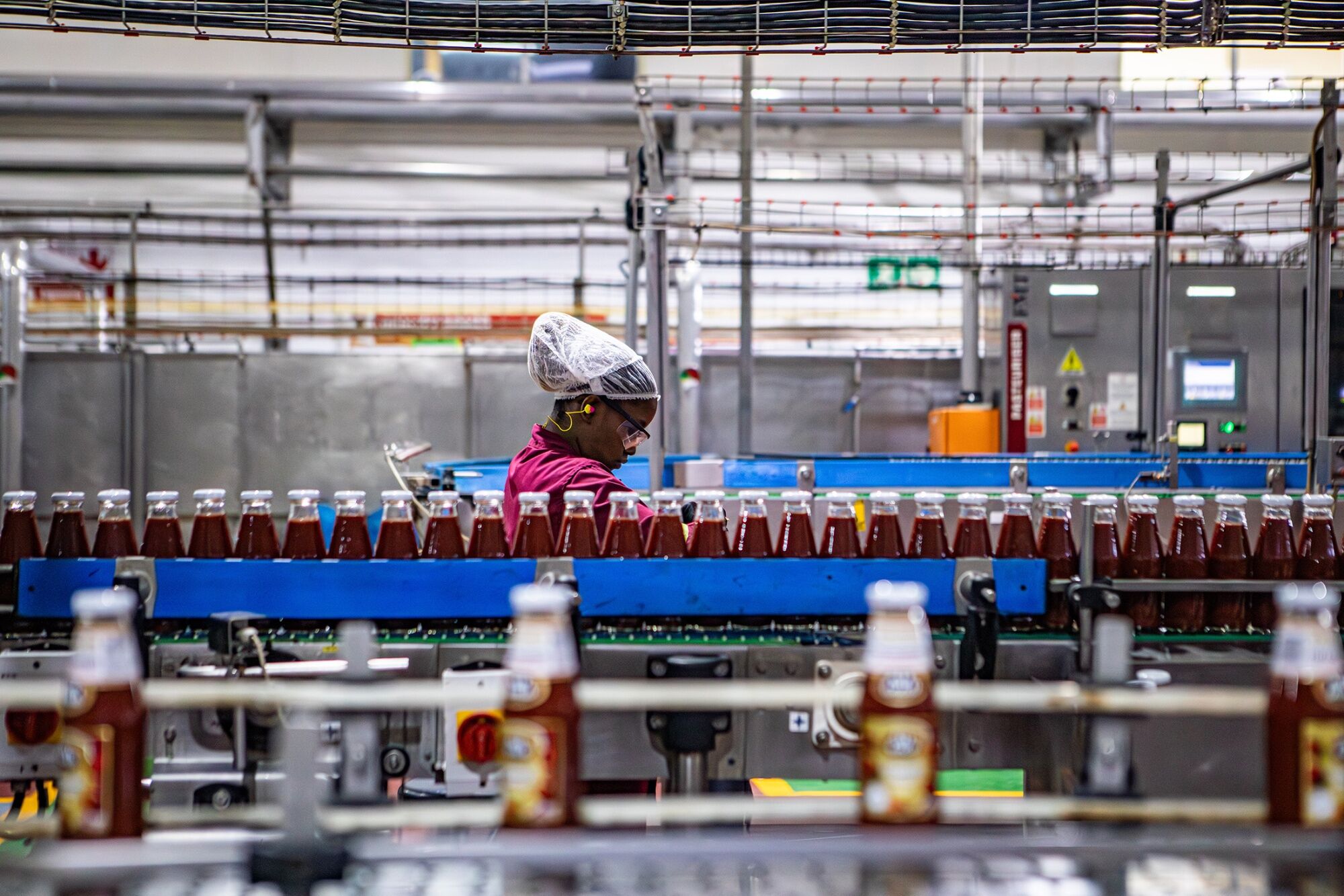
Tomato sauce is bottled at Tiger Brands’ Boksburg factory near Johannesburg, South Africa. Africa has the potential to develop into a leading supplier of agricultural and manufactured goods. Photographer: Cebisile Mbonani/Bloomberg
US President Donald Trump’s protectionist tariff program, with its potential to curtail access to the world’s biggest market and derail global growth, is more than an unwelcome development. The South African Reserve Bank has estimated that as many as 40,000 jobs could be lost as a result of the 30% tariff imposed on some exports to the US.
Heavily indebted, and with limited scope to kickstart and support new industries, many African governments also struggle to attract sufficient capital to help create jobs. Elevated international borrowing costs make it expensive for both the state and the private sector to raise capital on global markets to fund local initiatives and build new infrastructure.
The situation for business is further complicated by frequent power outages that reduce productivity, sales and employment across the continent, according to a 2024 World Bank Enterprise Survey. It’s one of scores of reports detailing the obstacles to business and calling for reforms to boost productivity, infrastructure and access to finance.
Despite that, Andrew Dabalen, the World Bank’s chief Africa economist, remains optimistic, insisting that it’s possible to create an environment in which companies can thrive on the continent. He identifies agri-business, tourism and construction — in fast-growing cities — as areas primed for job creation.
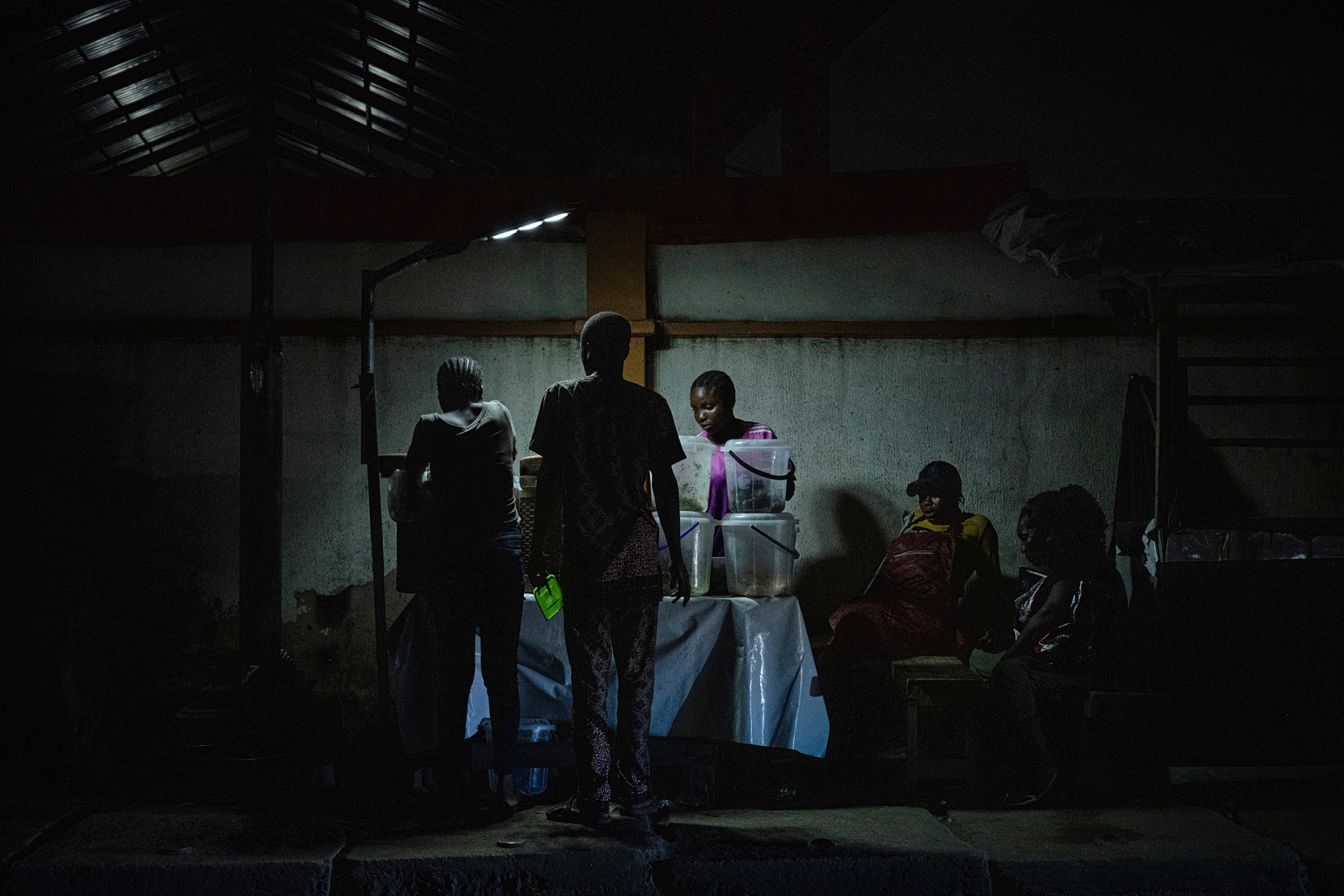
A food stand uses a security light to operate in Lagos during a power outage. Frequent power cuts reduce productivity and employment across the continent. Photographer: Etinosa Yvonne/Bloomberg
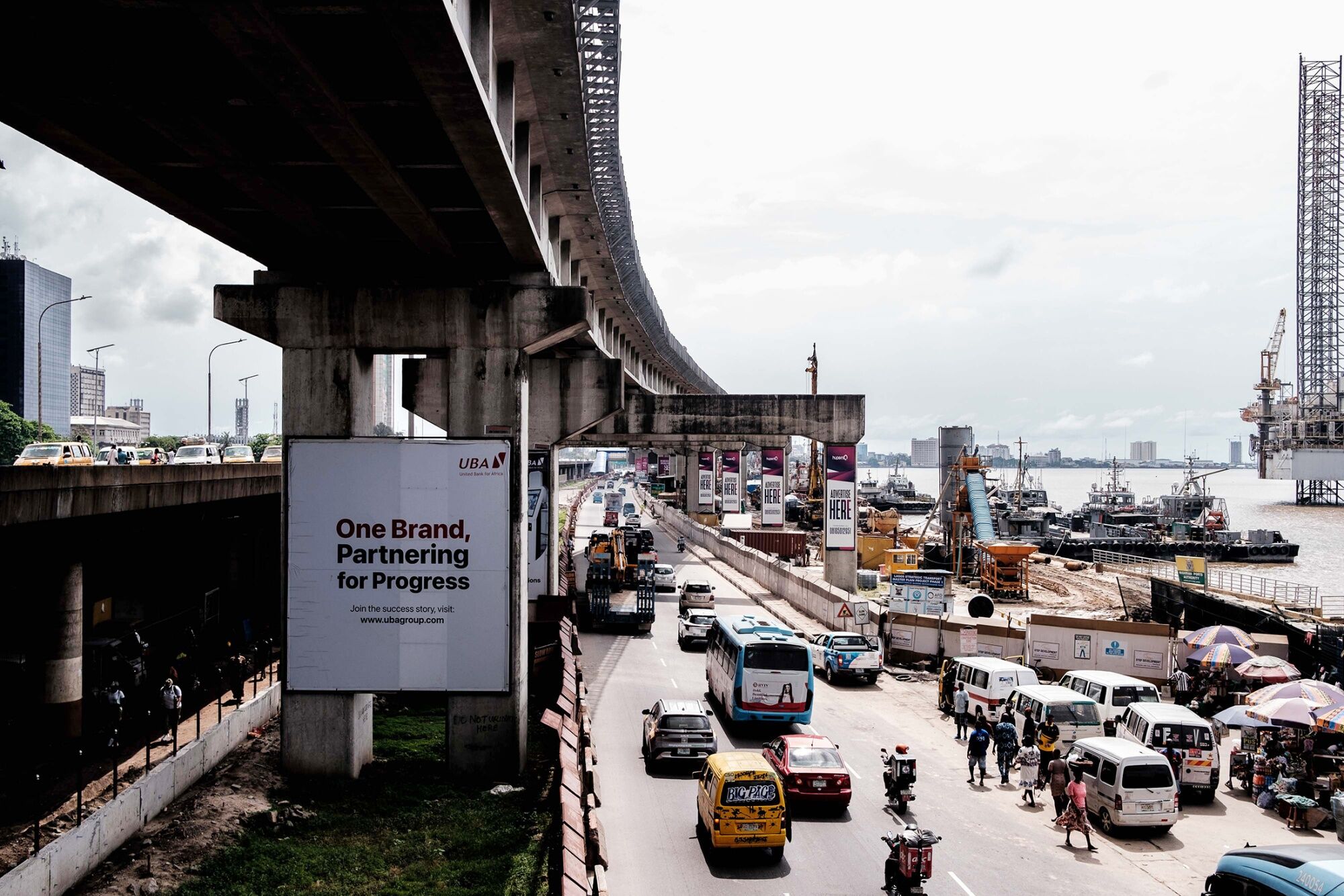
Repair work along Lagos’ CMS corridor, a major commercial and public transportation hub. Photographer: Victor Adewale/Bloomberg
“In the next 25 years — our lifetime — there will be an additional 624 million people added to the working-age population, so there’s a lot of urgency to create jobs,” Dabalen says. “Those jobs are going to come from making sure that businesses are expanding. That will mean providing reliable, affordable, potentially universal and accessible energy. It also means leveling the playing fields for businesses when it comes to issues around taxation, the cost of capital, and regulations.”
Many African nations realize they are unlikely to create enough jobs and more needs to be done to slow population growth.
“The debate on demographics in Africa is changing,” says Cilliers. “Ten or 15 years ago when I started presenting about this, I was often criticized by African diplomats, but today, there’s quite a serious engagement and recognition that the issue needs to be addressed.”
“Stay away from any mention of contraceptives and family planning, but speak about the economic impact of a larger working-age population relative to dependents, and African leaders sit up and take notice,” he adds.
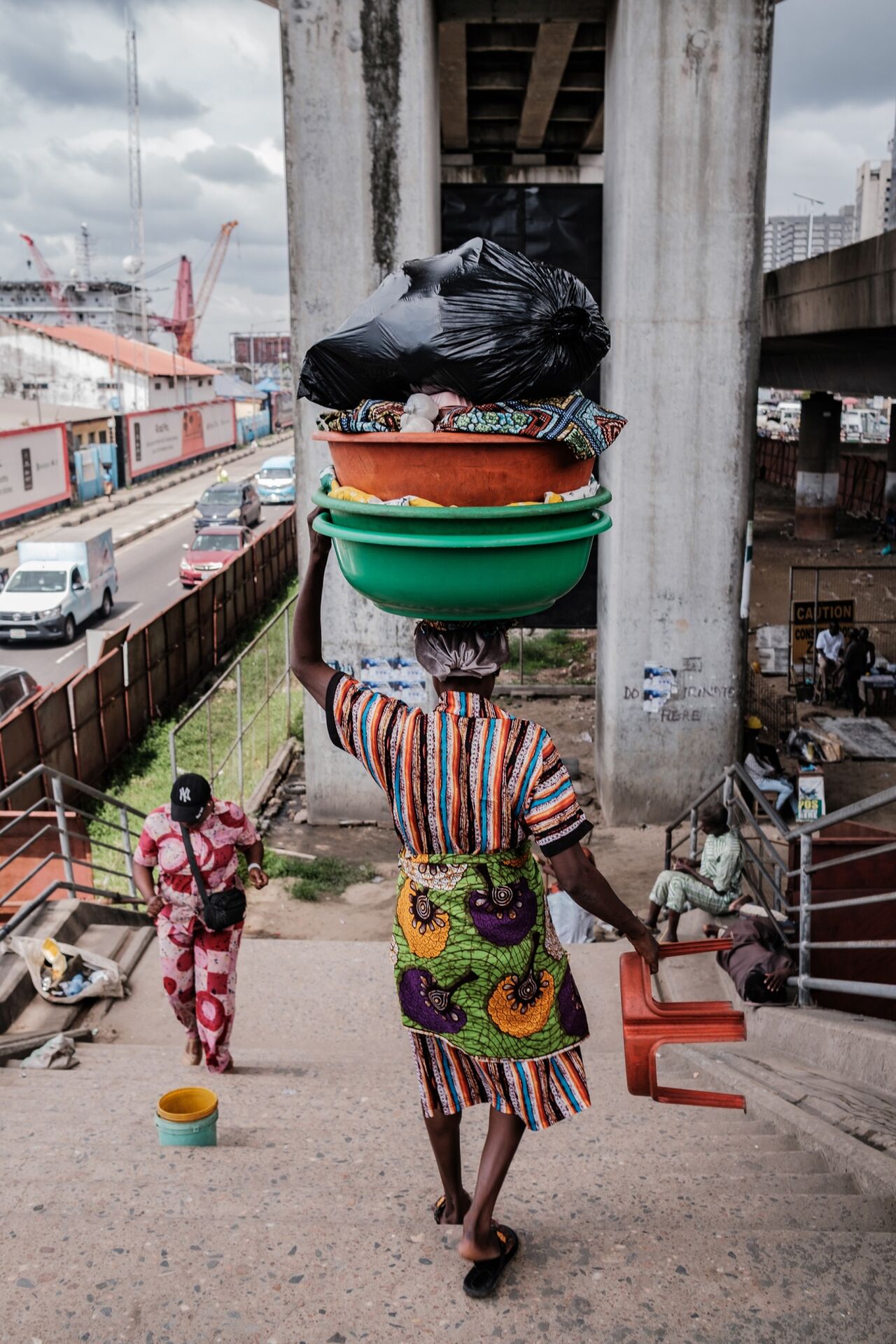
A mobile street trader on a pedestrian bridge in Lagos. Many African nations realize they are unlikely to create enough formal jobs in the coming decades. Photographer: Victor Adwale/Bloomberg
Based on UN population data, Bloomberg Economics estimates that sub-Saharan Africa will only begin to realize its demographic dividend from around 2050, when the ratio between working age and dependents hits the 1.7:1 ratio.
But, says Cilliers, even then there will be a large surplus labor pool, and many people will have to survive in the informal sector.
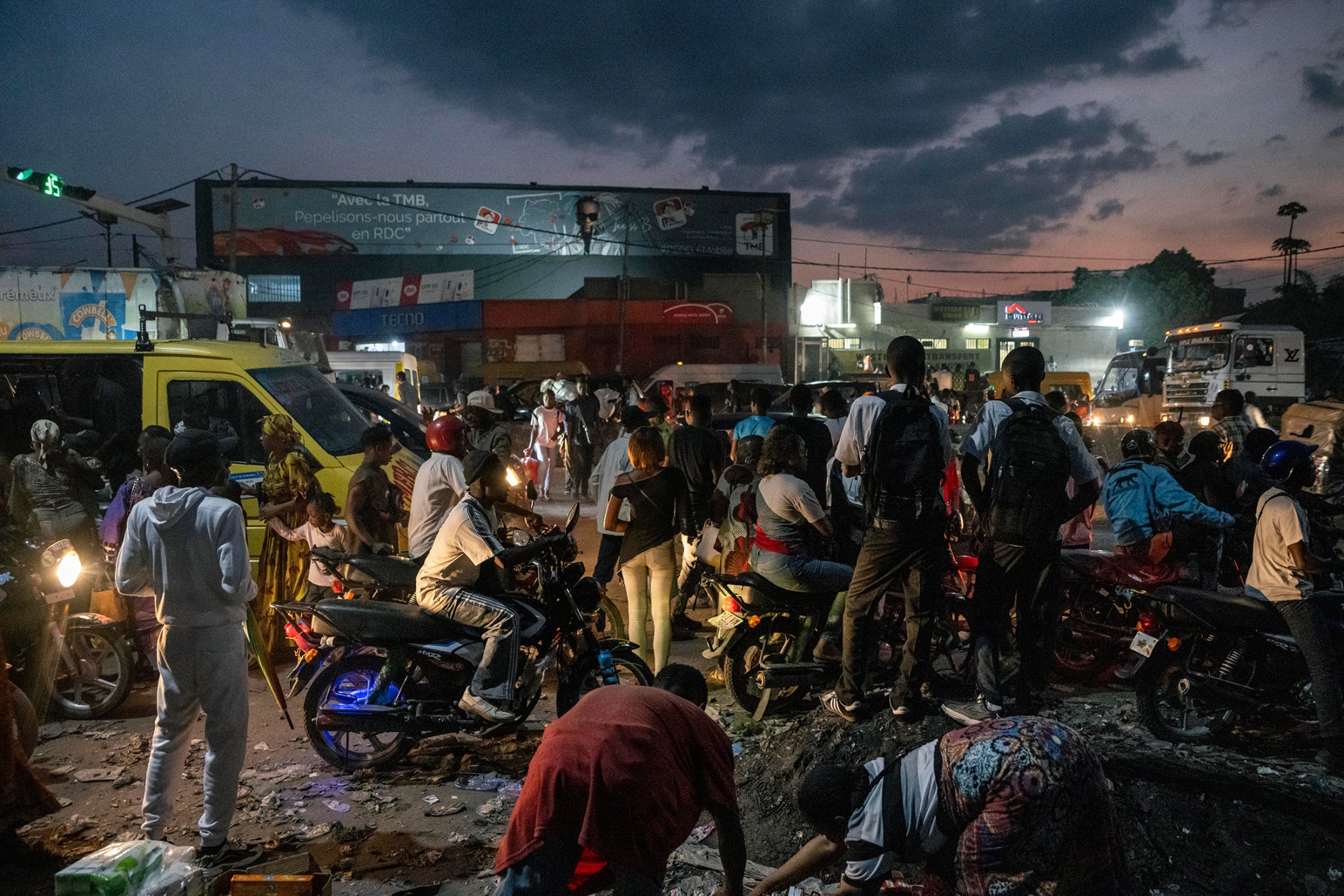
Nowhere is Africa’s demographic challenge more pressing than in Kinshasa, Congo’s chaotic capital. No-one really knows how many people live there because the last census was conducted four decades ago, but estimates range from 15 to 20 million.
The World Bank calculates that internal migration and new births add around 2,000 people every day to the city’s population. That’s the equivalent of adding another Washington DC, Denver or Oklahoma City each year. The vast majority of people in Congo’s capital lack access to electricity, clean water and proper sanitation. Without a change in the current population trajectory, the city will be home to more than 58 million people over the next five decades.
Among them is likely to be Mapi and his family. “I have been made aware of the effects of having too many children who need a good education, good nutrition, and preparation for a better life,” says Mapi’s 23-year old mother, Luwolu Mamy, sitting on a bed in the Camp Colonel Tshatshi military hospital’s maternity ward. “For now, I plan to add three more.”
(Corrects the designer name in the caption under the Lagos fashion show picture.)