
Biden Aims to Impose Tightest Gun-Export Restrictions in Decades
Commerce Department curtails its involvement in the industry’s premier trade show after helping companies boost overseas sales to record levels
The Biden administration is seeking to reduce the use of US-made guns in foreign crimes and human rights violations by tightening oversight and imposing stricter know-your-customer rules governing commercial exports of semiautomatic weapons under a draft rule obtained by Bloomberg News.
The plan follows a Commerce Department review of its support for American gunmakers after a Bloomberg investigation linked skyrocketing civilian gun exports to higher rates of global gun crime. If enacted, the overhaul could amount to the most sweeping restrictions in decades.
Commerce officials last week described the proposed changes to advocacy groups and others, telling them the State Department would have more influence over vetting exports to countries with bad human-rights records, according to people who were briefed. They said Commerce officials pointed to incidents where legally imported US guns were tied to high-profile crimes, including a 2022 mass killing in Thailand and the August assassination of the leading presidential candidate in Ecuador.
At least one of the weapons authorities seized from the assassins was legally imported to Peru and then smuggled into Ecuador, current and former US and Ecuadorian officials said in interviews.
Commerce also is scaling back its participation in SHOT Show, the world’s biggest hunting and shooting expo, reducing a decade of federal support for the gun industry abroad, according to people briefed on the matter. The expo, run by the National Shooting Sports Foundation, opened Tuesday in Las Vegas.
For the past decade, the department pitched American guns as a retail product in some of the most violence-prone countries in the world, Bloomberg’s investigation showed. After those revelations, the department in October imposed a 90-day freeze on many new export licenses to “reduce the risk of certain firearms and related items ending up in the hands of international criminals, gangs, terrorists, and other malign actors,” a Commerce spokesperson said in a statement Tuesday.
Discussions with lawmakers and others to write new rules “are ongoing and are not indicative of any preliminary or final determinations by the Department,” the spokesperson said. The agency said some details in a draft rule circulated late last year were no longer being considered, but declined to elaborate.
In July, Bloomberg traced a pistol sold by the biggest US exporter of semiautomatics, Sig Sauer Inc., to the worst mass killing in Thailand’s history, which claimed the lives of 23 children and two teachers at a nursery school. The multi-part investigation also documented how the flow of such weapons from the US into Guatemala has contributed to a wave of migrants, worsening the US border crisis.

According to the draft rules, officials would create distinct trade categories for semiautomatic firearms — including pistols, rifles and shotguns — making it easier for federal regulators to scrutinize exports of those weapons.
As the administration crafts the new policy’s details, Democratic critics in Congress are pushing to ensure they’re as robust as possible. In a letter to Commerce Secretary Gina Raimondo released Wednesday, lawmakers including Senator Elizabeth Warren of Massachusetts and Senate Majority Whip Dick Durbin underscored the unique nature of licensing “lethal weapons” for sale globally. They urged her to cap “exports of firearms to civilian buyers” and commit to “pre- and post-shipment transparency and end-use monitoring,” among other measures.
US exports of semiautomatics began climbing after the country’s assault-weapons ban ended in 2004, but have surged since the Trump administration transferred oversight of firearm exports from the State Department to Commerce in March 2020. Many of those guns went to countries that failed to prevent the diversion of guns to criminals, Bloomberg reported.


Wednesday marked the 90th day since the freeze began, but a Commerce Department spokesperson noted that it was an “approximate 90-day pause.” Any permanent changes are sure to draw sharp opposition from gun manufacturers, retailers and their allies in Washington. In an interview at SHOT Show, NSSF spokesman Mark Oliva accused President Biden of “using every lever of government possible to attack the lawful firearm industry. He’s doing it by limiting firearm exports under the guise of national security.”

After the pause, 46 Republican senators sent a letter to Raimondo, calling it part of a wider Biden-endorsed push to limit gun use. They cited a survey by the NSSF, the gun manufacturers’ lobbying group, saying the 90-day pause would cost gunmakers $89 million in lost sales — and $238 million a year if it were made permanent. The department declined a request to make Raimondo available to explain her department’s handling of gun exports.
Late last month, Republican Senator Mike Lee of Utah also introduced a bill that would prohibit Commerce from suspending gun exports in the future or enacting any new restriction. The Protect American Gun Exporters Act was endorsed by the National Rifle Association’s lobbying arm as well as an array of Republican senators, who said that the measure was needed to stop what they consider an attempt to restrict gun ownership in the US by financially punishing firearms makers and dealers.
The Biden administration has faced increasing pressure from both political parties. On Friday, the chairman of the House Oversight Committee, James Comer, said in a release that he would consider subpoenaing the Commerce Department because it “has failed to produce a single document in response to the Committee’s request” concerning the agency’s decision to impose the 90-day freeze. He gave the department until Friday to comply with his request.
Warren and other Democrats – Representatives Joaquin Castro of Texas and Norma Torres of California – have tried since September 2022 to get the department to explain why the administration had not followed through on Biden’s campaign promises to reverse the Trump era handing of exports. Bloomberg News filed lawsuits in May to get records on export licenses, foreign gun traces and publicly funded programs meant to promote the industry abroad. The litigation is ongoing.
Domestic gun sales reached record highs during the pandemic, and there are now more guns in the US than people. Before the end of the assault-weapons ban two decades ago, US gunmakers sold few firearms abroad— and those went almost exclusively to police and military forces. Since then, as semiautomatic pistols and rifles became a popular consumer item in the US, American gunmakers have exported almost 4 million such weapons for civilian use.
Weapons Surge

570K
Canada
140K
Belgium
75K
France
46K
Poland
85K
Germany
48K
Ukraine
52K
Switzerland
86K
Italy
45K
Turkey
4.0M
US exports
39K
lebanon
41K
Tunisia
109K
Israel
70K
UAE
43K
India
131K
Mexico
160K
Saudi Arabia
807K
Thailand
92K
Guatemala
40K
El Salvador
341K
Philippines
50K
Costa Rica
49K
Peru
87K
Brazil
80K
Australia
55K
South Africa

570K
Canada
140K
Belgium
75K
France
46K
Poland
85K
Germany
48K
Ukraine
52K
Switzerland
86K
Italy
45K
Turkey
4.0M
US exports
39K
lebanon
41K
Tunisia
109K
Israel
70K
UAE
43K
India
131K
Mexico
160K
Saudi
Arabia
807K
Thailand
92K
Guatemala
341K
Philippines
40K
El Salvador
50K
Costa Rica
49K
Peru
87K
Brazil
80K
Australia
55K
South Africa

570K
Canada
140K
Belgium
75K
France
46K
Poland
85K
Germany
48K
Ukraine
86K
Italy
45K
Turkey
4.0M
US exports
39K
lebanon
41K
Tunisia
109K
Israel
43K
India
70K
UAE
131K
Mexico
807K
Thailand
160K
Saudi
Arabia
92K
Guatemala
341K
Philippines
40K
El Salvador
50K
Costa Rica
49K
Peru
87K
Brazil
80K
Australia
55K
South
Africa

570K
Canada
140K
Belgium
75K
France
85K
Germany
48K
Ukraine
86K
Italy
4.0M
US exports
45K
Turkey
109K
Israel
43K
India
70K
UAE
131K
Mexico
807K
Thailand
160K
Saudi
Arabia
92K
Guatemala
341K
Philippines
50K
Costa Rica
49K
Peru
87K
Brazil
80K
Australia
55K
South
Africa

570K
Canada
140K
Belgium
85K
Germany
75K
France
86K
Italy
4.0M
US exports
109K
Israel
43K
India
131K
Mexico
70K
UAE
807K
Thailand
160K
Saudi
Arabia
92K
Guatemala
341K
Philippines
50K
Costa Rica
49K
Peru
87K
Brazil
80K
Australia
55K
South
Africa
Note: Data is through November 2023.
The proposed changes fall short of Biden’s 2020 campaign promise to return regulation of gun exports to the State Department. But the rules under consideration would establish a more robust review process involving agencies other than Commerce, giving the State Department leadership of an interagency committee reviewing export-license requests, according to the recent briefings. In countries that State deems are a risk for human-rights abuses and arms trafficking, the regulations would require Commerce to evaluate commercial export license applications with a presumption of denial rather than the current presumption of approval, Commerce officials told one advocacy group.
For gun exporters, the changes would entail more disclosure, inventory tracking, vigilance and expense. It would require them to renew export licenses every year, rather than every four, so regulators can better prevent diversion to criminals. To help other governments track imported US weapons, one proposal would mandate that US exporters obtain an import certificate from countries requiring one, and make copies of a passport or other official identification from foreign gun dealers and other customers who take delivery of the firearms.
The US rule changes would likely steer most export licenses through manufacturers and dealers with more advanced compliance systems, according to gun dealers in the US and abroad.
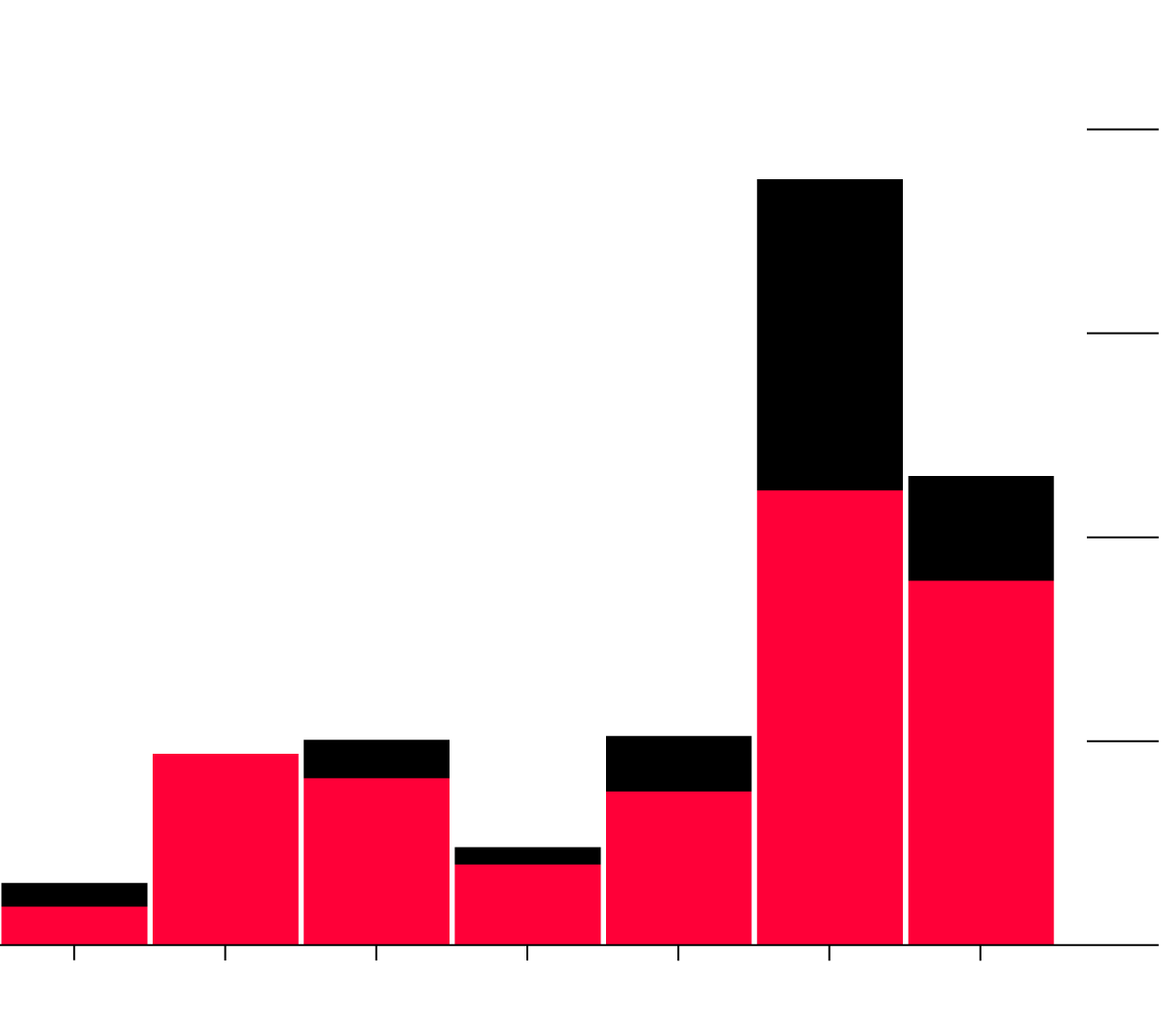
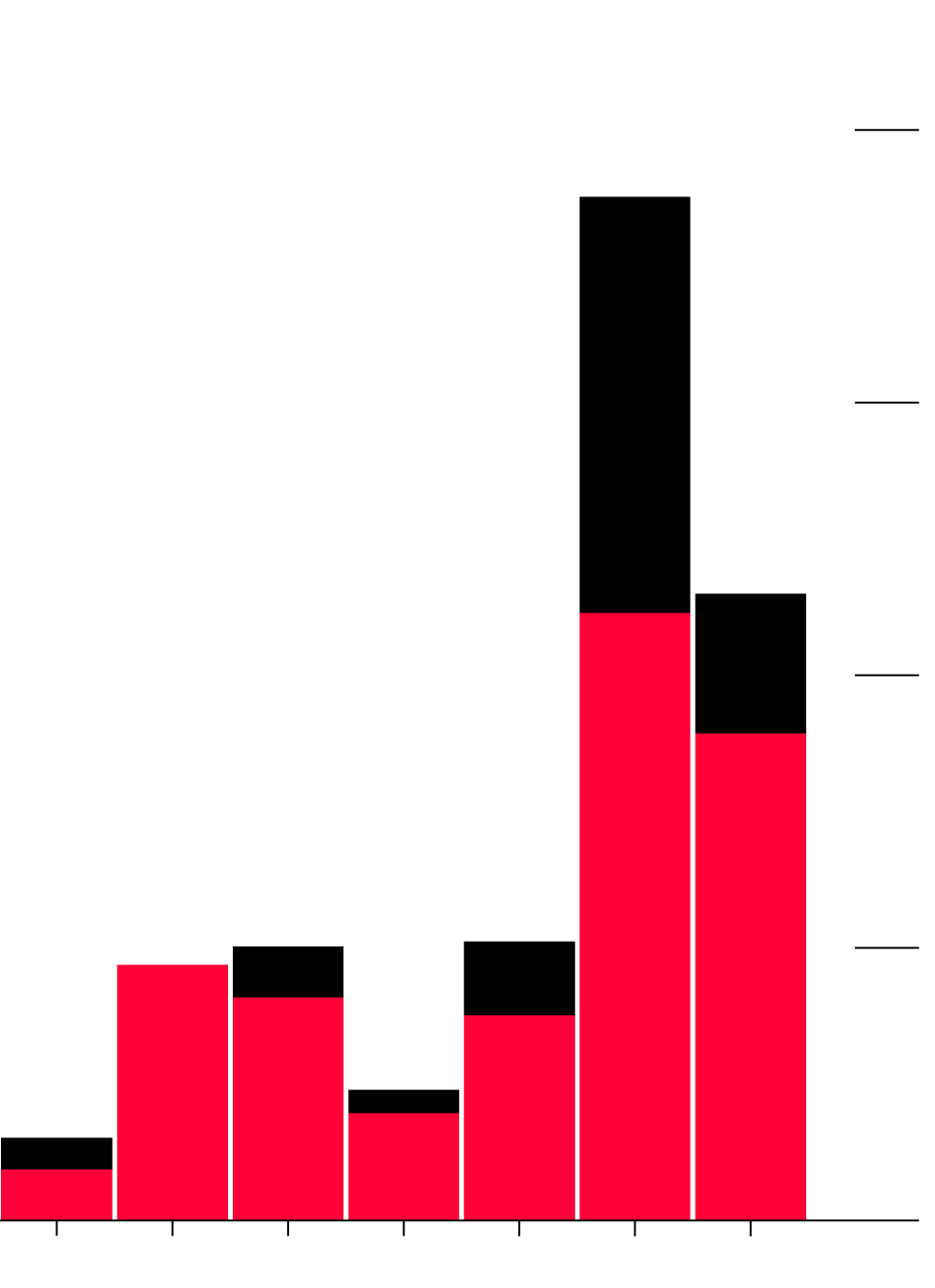
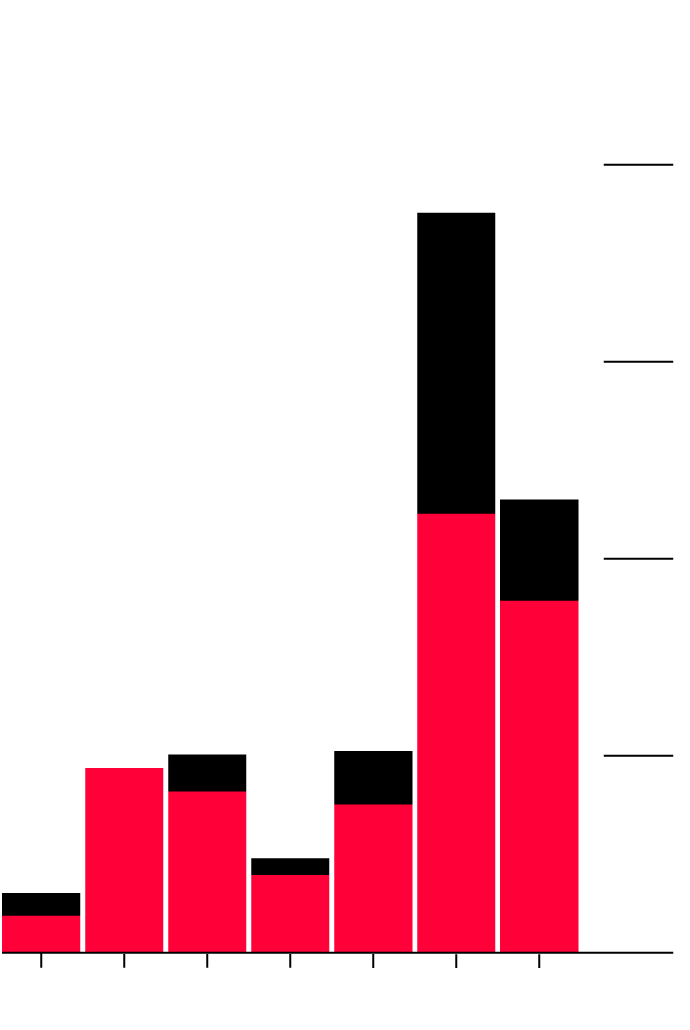
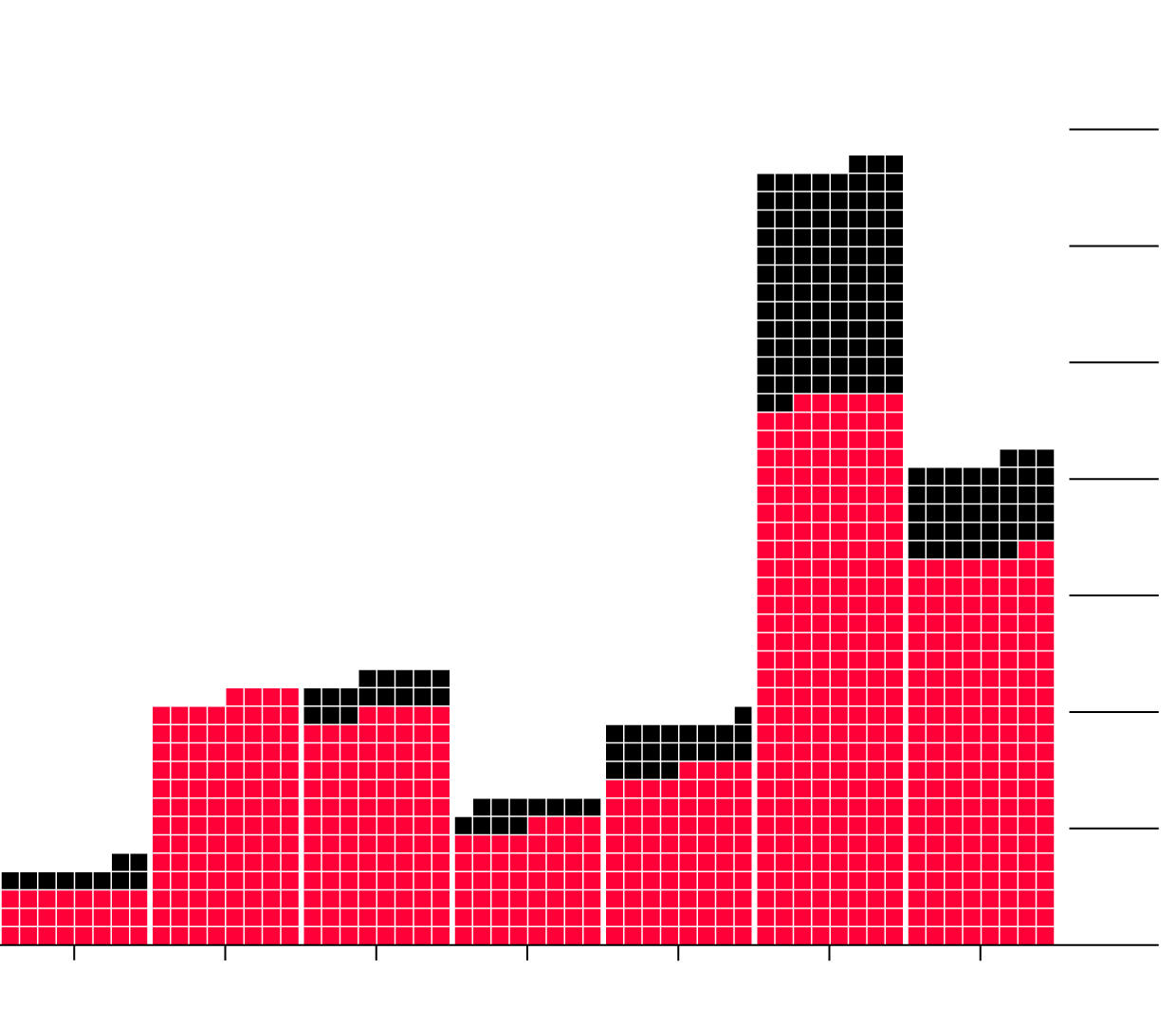
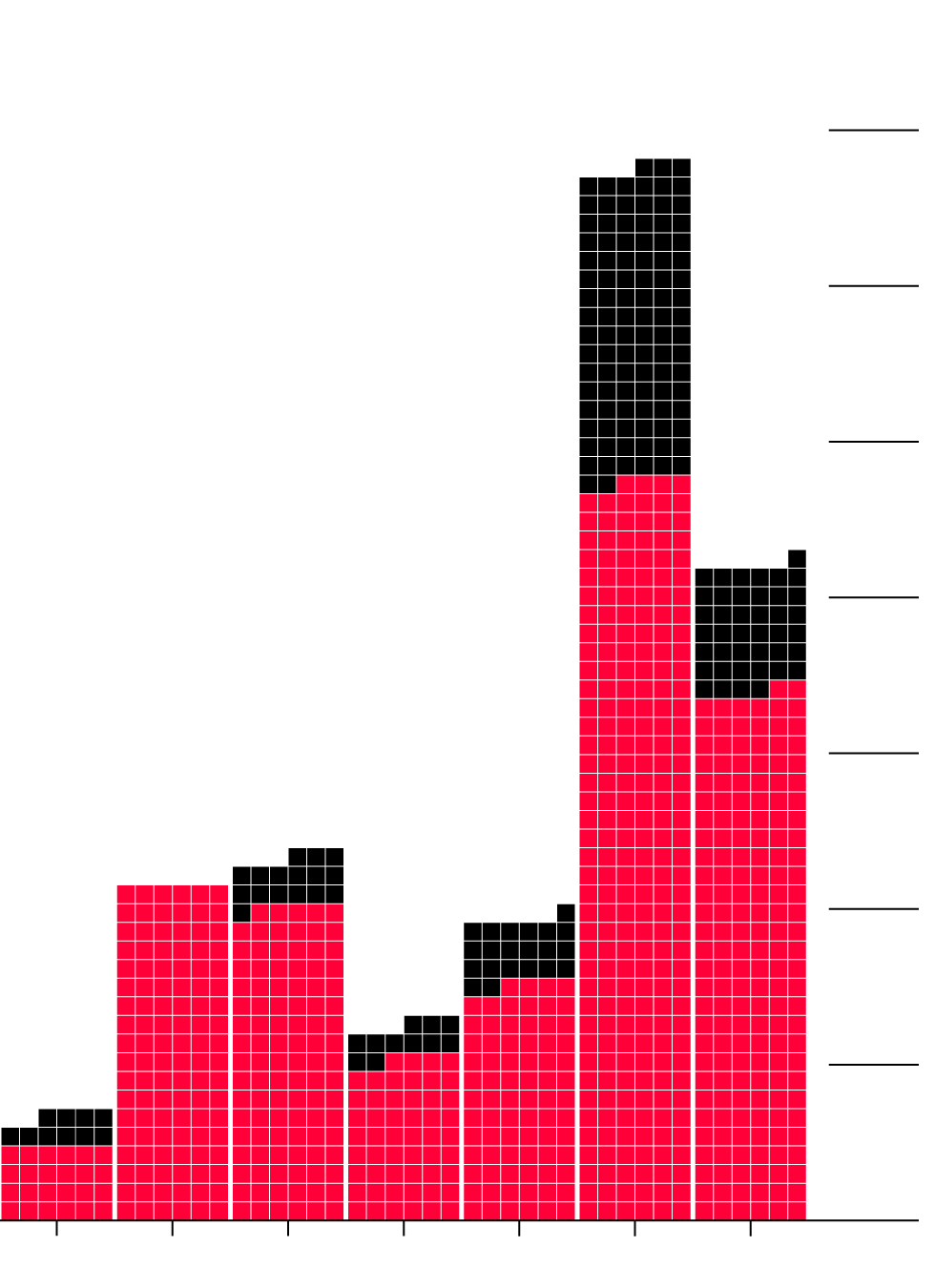
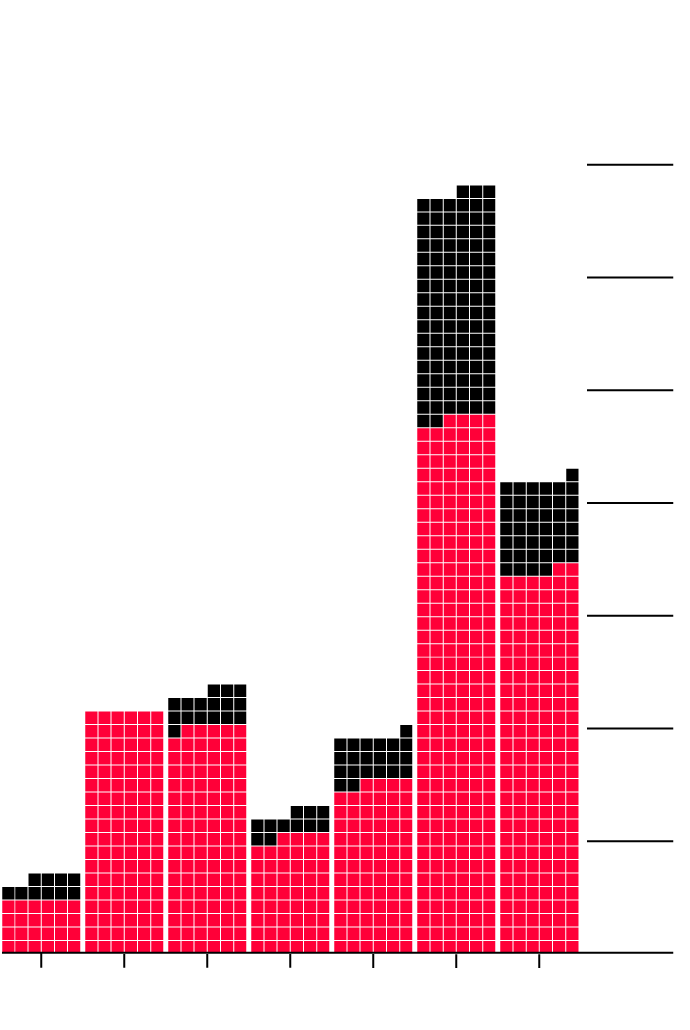
Peru is a glaring example of how US guns are diverted to criminals even in a country with a sophisticated system to vet and register gun shops and buyers. Purchasers must prove they have no criminal record, take a psychological exam and pass a gun-proficiency test. Only then can a gun shop pick up the firearm in a government armory and deliver it to the new owner.
Peruvian Pipeline
◼ Pistols
◼ Rifles
Value of firearms
$2.0M
1.5
1.0
500K
0
2017
2018
2019
2020
2021
2022
2023
Value of firearms
◼ Pistols
◼ Rifles
$2.0M
1.5
1.0
500K
0
2017
2018
2019
2020
2021
2022
2023
◼ Pistols
◼ Rifles
Value of firearms
$2.0M
1.5
1.0
500K
0
2017
2018
2019
2020
2021
2022
2023
◼ Pistols
◼ Rifles
One square = 10 firearms
Volume of firearms
3,500
3,000
2,500
2,000
1,500
1,000
500
0
2017
2018
2019
2020
2021
2022
2023
Volume of firearms
◼ Pistols
◼ Rifles
One square = 10 firearms
3,500
3,000
2,500
2,000
1,500
1,000
500
0
2017
2018
2019
2020
2021
2022
2023
◼ Pistols
◼ Rifles
One square = 10 firearms
Volume of firearms
3,500
3,000
2,500
2,000
1,500
1,000
500
0
2017
2018
2019
2020
2021
2022
2023
Note: Data is through November 2023.
Yet in case after case, smugglers gamed the controls by reporting a firearm lost or stolen, Peruvian gun regulators said at a meeting with importers and in a more recent briefing with a member of the country’s congress. That’s how weapons flow into a vast black market and then to places like Ecuador, where narcotraffickers armed with US-made assault rifles have declared war on the recently elected government.
“It’s a really secure system if you follow it, like we do,” Luis Guerra, who owns Lima’s Armaq SA, one of the biggest gun importers in Peru, said from inside his bunker-like shop, built from reinforced concrete and fitted with steel doors and bullet-proof windows.
Before the Commerce Department announced the export pause, the American embassy in Lima invited the owners of two major gun importers to a meeting with US officials. They peppered the Peruvian gun importers with questions about how their firearm regulation works, according to two people familiar with the meeting. In early November, two trade officials toured one of the dealers’ operations, spending hours checking compliance and security systems. Their focus, a person familiar with the visit said, was to review how gun shops prevent sales to criminal-group fronts.

Since 2014, during Obama’s second term, Commerce has aided the NSSF’s SHOT Show by helping to book flights and hotels for foreign firearms buyers or to fast-track visas for attendees. The department has also operated an online portal to arrange meetings between potential buyers and US suppliers. The NSSF gets most of its annual revenue from the event, money that it then devotes to efforts to pass less-restrictive firearms laws.
In effect, the partnership turned hundreds of government workers around the world into SHOT Show travel agents, concierges and deal brokers for thousands of foreign buyers. It has paired them with US manufacturers, helping generate billions in gun sales abroad.
At this year’s show, Commerce officials are still hosting buyers from at least 25 countries, according to the website of the agency’s International Trade Administration. But gun dealers worry that the Biden administration is poised to end the lucrative partnership.
In Vegas, as workers erected SHOT Show booths, speculation about the restrictions made its way through the expo center’s hallways and meeting rooms. “It’s bad for the economy, it’s bad for our industry,” said Jordan Young, chief executive officer of Global Defense, a Pompano Beach, Florida-based exporter of firearms. “If I can’t ship anything at the end of the day I have no business.”
For Guerra, the Peruvian importer, the current pause on US exports has stung because he specializes in selling American-made weapons and ammunition. But he’s been able to quickly adapt. He said his sales directors are in Vegas, where they have several days of meetings arranged with gunmakers from other countries.
Everytown for Gun Safety, which advocates gun-safety measures, is backed by Michael Bloomberg, founder and majority owner of Bloomberg News parent Bloomberg LP.
Updates with Commerce spokesperson on the expiration of the export pause.