
Dozens of substances that scientists and regulators say raise health concerns are used to make thousands of personal-care and beauty products smell good, according to data reported to the state of California under a recently enacted law.
Data collected by the California Department of Public Health showed 108 potentially harmful substances listed as fragrance ingredients in everyday products ranging from face wash to conditioner, a Bloomberg analysis of database entries as of Feb. 6 found. Some of the compounds are identified as potential carcinogens by authorities such as the World Health Organization.
Potentially Worrisome Ingredients Disclosed In Everyday Products
- Hover for more information
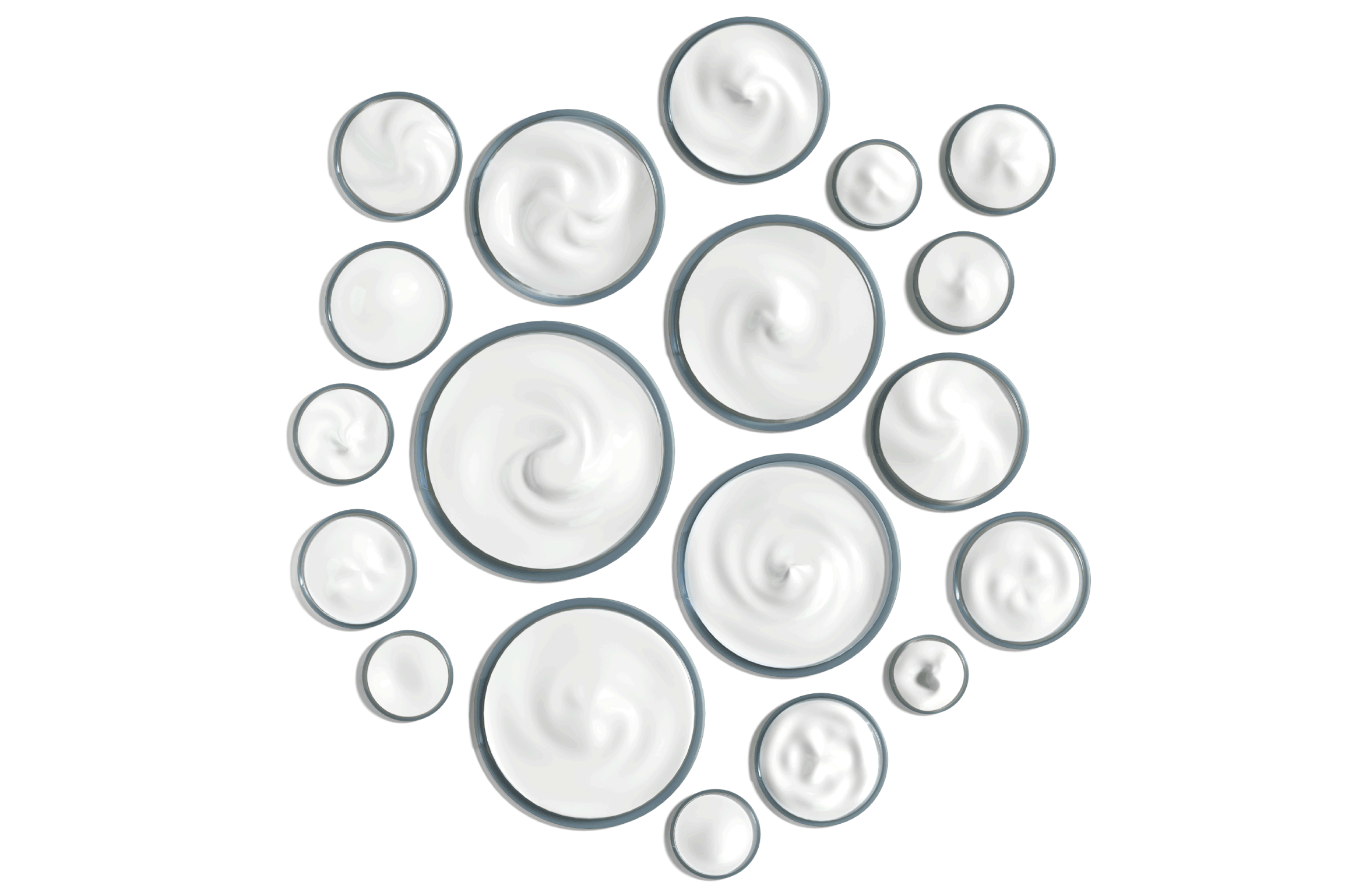
Developmental toxicity
14
Reproductive toxicity
19 ingredients
Neurotoxicity
23
Carcinogenicity
34
Ocular toxicity
12
Fragrance Allergens
26
Environmental
persistence
9
Respiratory Toxicity
27
Bioaccumulation
9
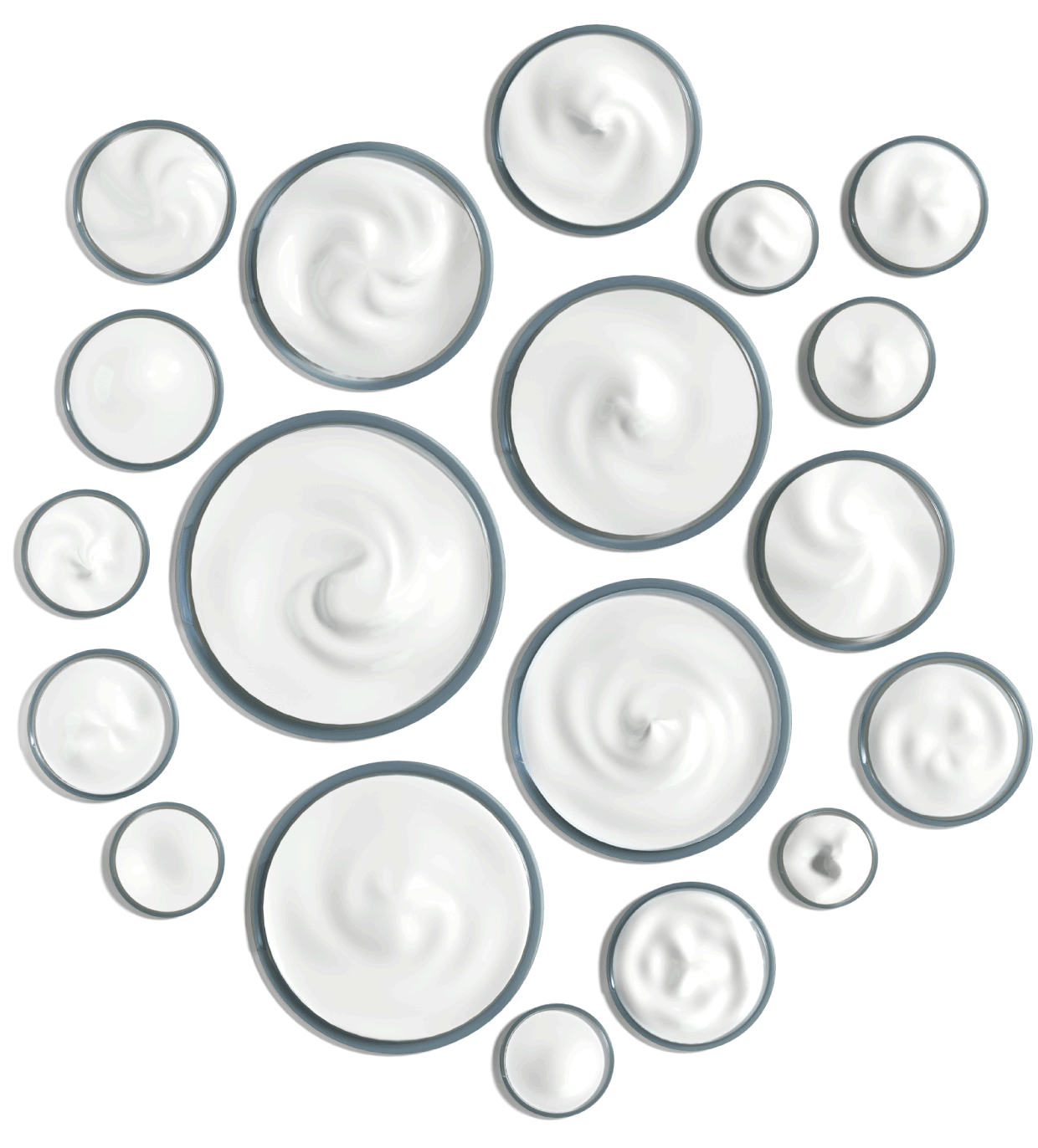
Developmental toxicity
14
Reproductive toxicity
19 ingredients
Neurotoxicity
23
Carcinogenicity
34
Ocular toxicity
12
Fragrance Allergens
26
Environmental
persistence
9
Respiratory Toxicity
27
Bioaccumulation
9
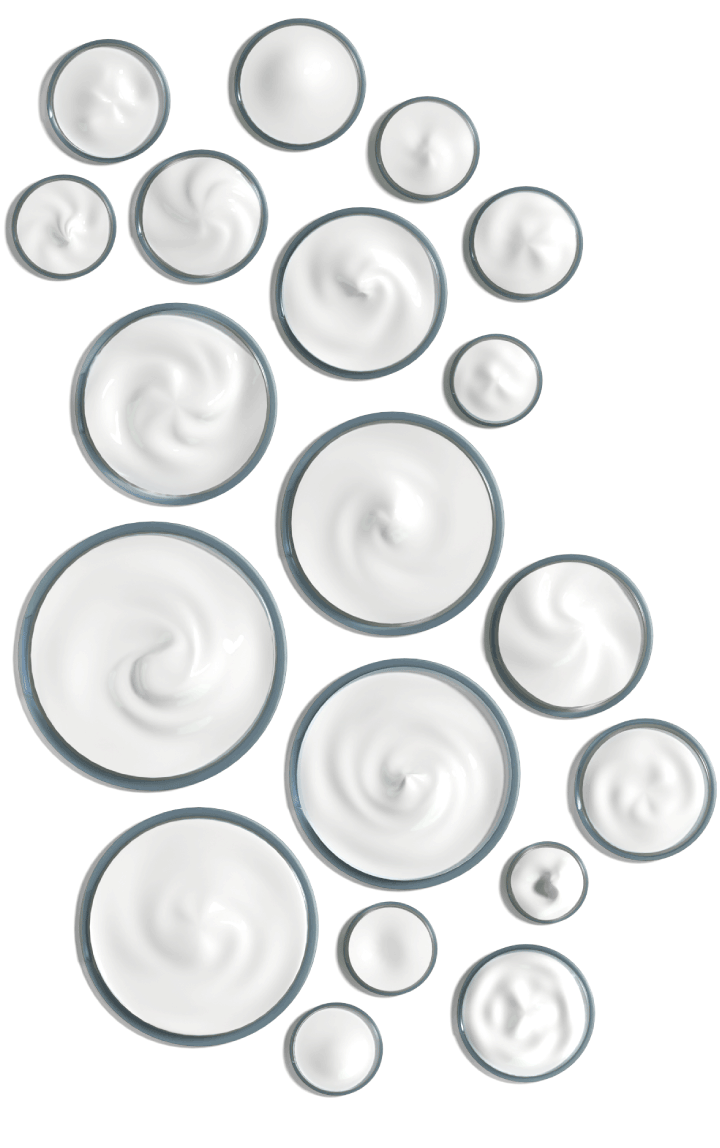
Reproductive toxicity
19 ingredients
Neurotoxicity
23
Carcinogenicity
34
Fragrance
Allergens
26
Respiratory
Toxicity
27
Bioaccumulation
9
More than 1,900 products contained either lilial, which evokes the essence of lilies, or benzophenone, which has a sweet, woody aroma. Both are banned in cosmetics in the European Union: lilial because of potential links to fertility issues, and benzophenone because of possible ties to cancer. Other products contained safrole, a substance found in sassafras trees that is prohibited in consumer products in the EU and Canada and that was banned as a food additive in the US in 1960 over cancer concerns.
Beyond fragrance ingredients, more than 79,000 products in California’s database had preservatives or other ingredients tagged as potential carcinogens, according to Bloomberg’s analysis. One is formaldehyde, which the WHO says is known to cause cancer in humans and which California plans to ban in consumer products starting next year. It was present in 113 products reported to the state.
The data allows concerned shoppers to engage in “self-protection,” said Claudia Polsky, a law professor at the University of California at Berkeley. It also highlights the limits of transparency in protecting consumers, who may not have the time or expertise to analyze the information. Disagreements among scientists, regulators and the industry about the safety of many ingredients add to the confusion.
“Being a champion of disclosure should not be confused with believing disclosure is adequate,” said Polsky, who as a California deputy attorney general led a 2010 lawsuit against a maker of hair products that the state alleged contained formaldehyde. Polsky says US authorities should have greater power to review consumer products before they are sold, a move the industry opposes.
Industry groups including the Fragrance Creators Association say that scent substances are safe, regulated at the federal and state levels, and subjected to rigorous evaluation.
Yet the potential for harm associated with fragrance ingredients isn’t settled. A key issue for regulators, researchers and the industry is what amount of an ingredient needs to be present in a product and how much a consumer needs to use the product to trigger potential health issues.
Estimating a person’s exposure is “one of the hardest challenges” for researchers, said Justin Colacino, a University of Michigan professor who studies the factors that may lead to chronic diseases.
Despite – or because of – the uncertainty, many consumers avoid certain substances or forgo scented products. Still, perfumed goods remain a big business. The US market for fragranced beauty products sold in department and specialty stores and online was $31 billion in 2023, according to data firm Circana.
Scent formulas are considered trade secrets under US law, so many personal-care and beauty products list only “fragrance” on their labels, without revealing more details. California’s law, which went into effect in 2022, forces companies to disclose ingredients that the state says create health concerns. California makes the data it collects available to the public on a searchable website.
“Initially, the industry was extremely opposed,” said Connie Leyva, the former state senator who sponsored the bill, but “people have a right to know.”
The measure has limitations. California can’t make manufacturers list ingredients on product labels. And the state database sometimes differs from other popular resources that may use different criteria to list “safe” or “clean” alternatives.
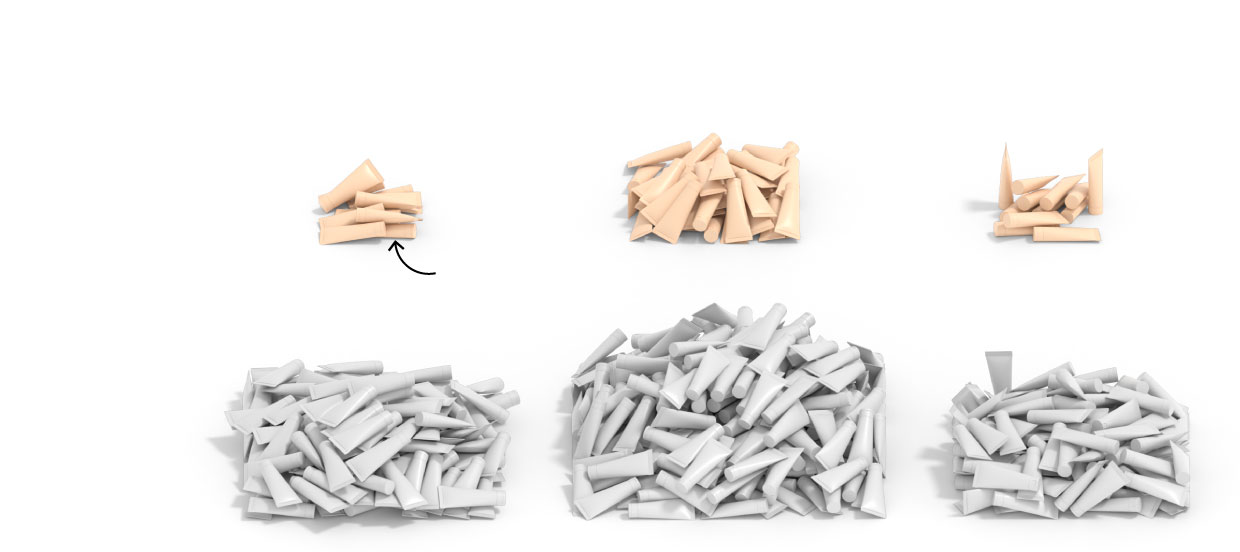
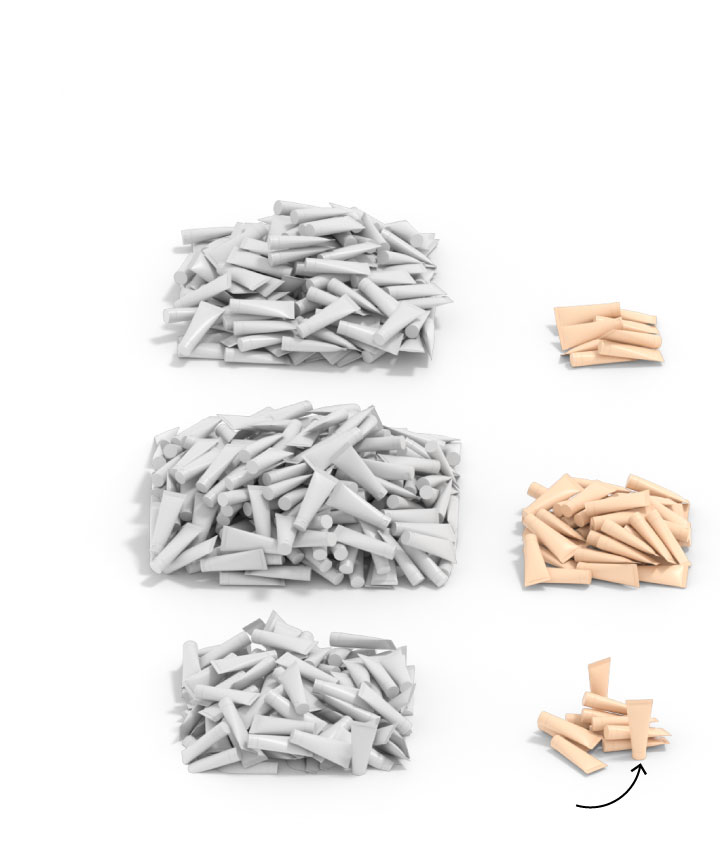
Retailers including Target Corp., Ulta Beauty Inc. and Sephora USA Inc. have compiled lists of products they say don’t contain ingredients of concern. However, as many as 14% of the products in Ulta’s “Conscious Beauty” catalog in early February included an ingredient that California says companies must disclose.
Consumers Grapple With Conflicting Advice
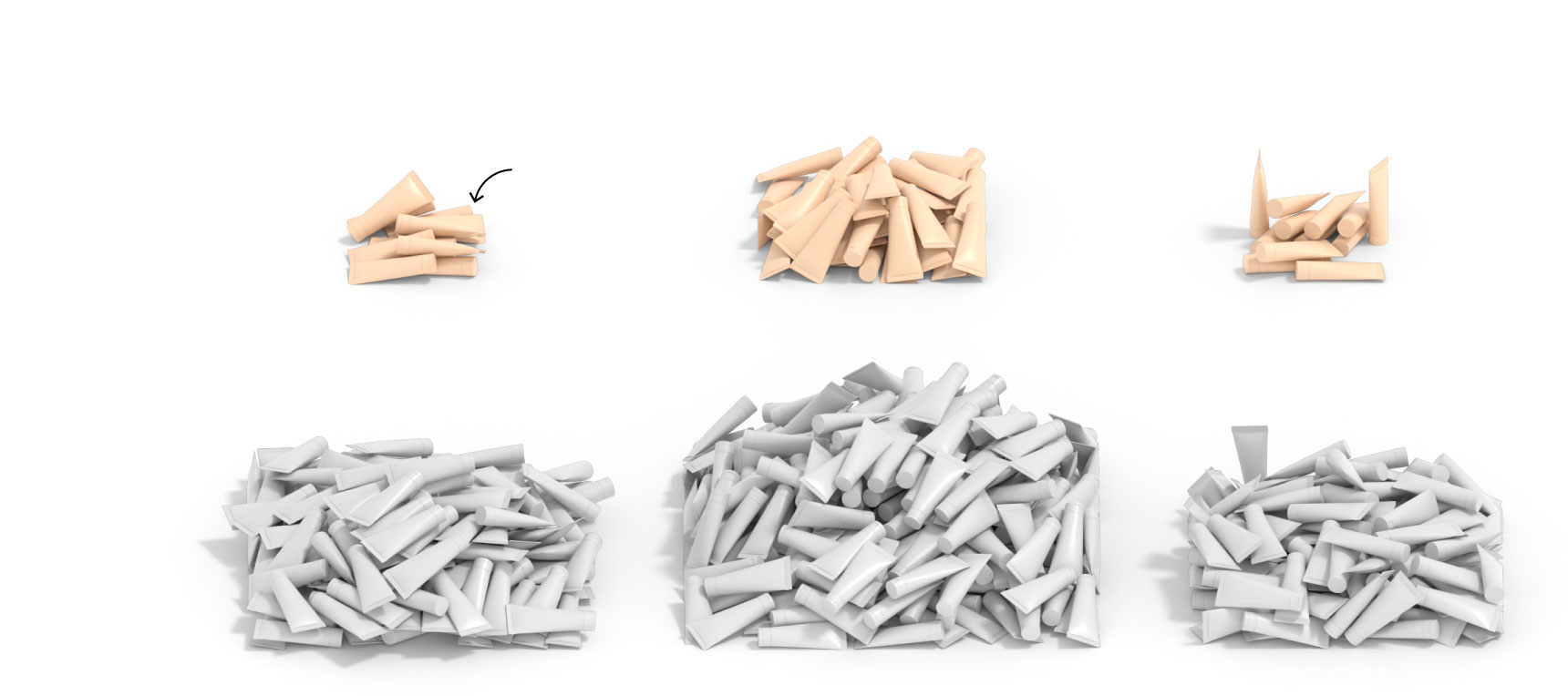
Sephora’s
clean list
Ulta’s
clean list
Target’s
clean list
Each tube
represents
20 products
866
Products with
ingredients
California has
flagged
234
200
5,135
2,989
2,234
Products
without
ingredients
California has
flagged
Sephora’s
clean list
Ulta’s
clean list
Target’s
clean list
866
Products with
ingredients
California has
flagged
234
200
Each tube
represents
20 products
5,135
2,234
2,989
Products
without
ingredients
California has
flagged
Products with
ingredients
California
has flagged
Products without
ingredients
California
has flagged
2,989
Sephora’s
clean list
234
5,135
866
Ulta’s
clean list
2,234
200
Target’s
clean list
Each tube represents
20 products
Ulta didn’t reply to requests for comment. In a statement, Sephora said an internal team regularly consults with external advisers to review and update its clean-list standards. A Target representative declined to comment.
Though resources available to the public are proliferating, nailing down exactly what’s in any one product’s fragrance can be challenging. Bloomberg News contacted several companies to check that ingredients shown on California’s site reflected current product formulations. Several said that they hadn’t yet reported that some of their products had changed years ago.
Additionally, the names of some items in the database didn’t match company or e-commerce websites, making it difficult to determine if the information reported to California reflected the contents of products that are currently for sale. In addition, some ingredients have multiple names. Lilial, for example, is also known as butylphenyl methylpropional, among other designations.
“It would be unreasonable to think that everyone in the population can use those resources effectively,” said Stephanie Engel, a professor at the University of North Carolina at Chapel Hill who studies the factors that may affect pregnancies. Many consumers may not even know the data exists, she added.
The uncertainty around fragrance ingredients in the US is in part the byproduct of limits on the power of federal regulators.
The Food and Drug Administration oversees packaging and labeling requirements for cosmetics but doesn’t require that products or their components be reviewed before they are sold. The FDA has limited powers to issue recalls of potentially hazardous products.
In 2022, Congress expanded the FDA’s authority over cosmetics, compelling companies to submit ingredient lists to the agency and giving it the power to mandate recalls. It can also develop labeling requirements for allergens. But companies may not have to tell the regulator all of the substances that make up fragrances, said Marc Scheineson, a partner at law firm Alston & Bird and a former FDA associate commissioner. The FDA also told companies in November that it would delay implementing parts of the law by six months.
California started requiring disclosure of some components in beauty and personal-care products in 2007. The new law didn’t include protection for trade secrets and greatly expanded the number of ingredients that had to be reported to the state. Companies also have to divulge many allergens.
Companies submitted data on more than 25,000 products in the first year the law was in effect. Fragrance ingredients accounted for 47% of ingredients reported through Feb. 6, Bloomberg found.
Among the most prevalent was lilial. Lilial was present in more than 1,700 products sold in California, according to the state’s database. It was the most commonly reported fragrance ingredient, other than those associated only with allergies. The substance will be forbidden in consumer products in California starting in 2027.
Some companies said that they have been phasing out lilial since the passage of California’s disclosure law and the EU ban on the substance.
For example, Colgate-Palmolive Co., one of the largest US makers of personal-care products, said in a statement that it has reformulated its widely used Irish Spring soaps and body washes to remove lilial, as it “seeks to maintain standard formulas when possible for greater product-sourcing flexibility and manufacturing efficiency.”
Following inquiries from Bloomberg, Colgate updated some of its Irish Spring listings in California’s database to reflect that they had been reformulated. The company had previously updated other records.
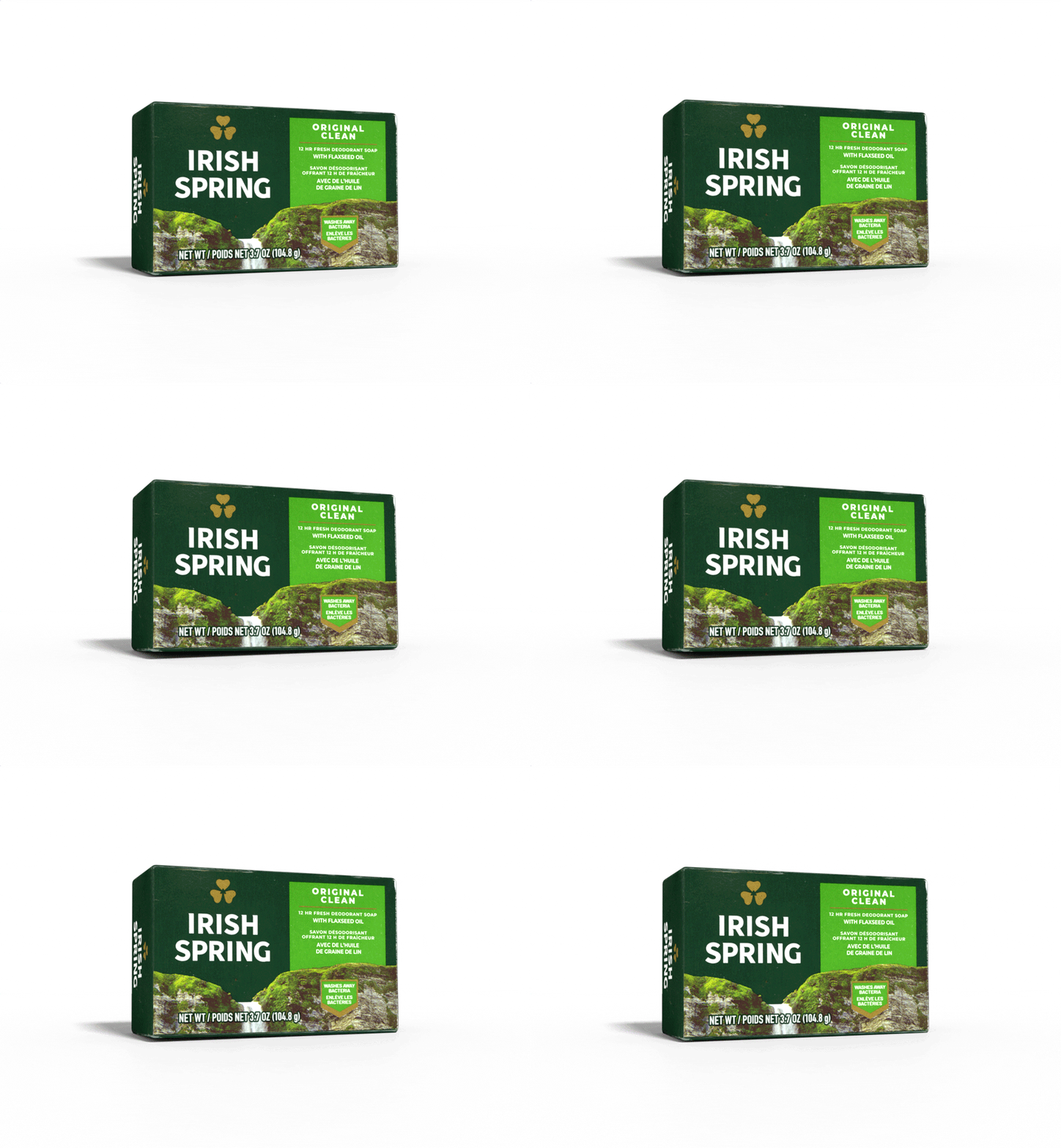

INGREDIENTS: Sodium Laurate/Linoleate/Oleate/Palmitate, Water/Eau, Fragrance/Parfum, Sodium Chloride, Linum Usitatissimum (Linseed) Seed Oil, Tetrasodium EDTA, Etidronic Acid, Titanium Dioxide, Green 8, Green 3
The "fragrance" ingredient is made up of the following substances, according to company disclosures to the state of California:
Alpha-Isomethyl Ionone, Citral, Coumarin, Limonene (1-methyl-4-prop-1-en-2-yl-cyclohexene; dl-limonene (racemic); Dipentene; (R)-p-mentha-1,8-diene; (d-limonene); (S)-p-mentha-1,8-diene; (l-limonene)), Linalool

INGREDIENTS: Sodium Laurate/Linoleate/Oleate/Palmitate, Water/Eau, Fragrance/Parfum, Sodium Chloride, Linum Usitatissimum (Linseed) Seed Oil, Tetrasodium EDTA, Etidronic Acid, Titanium Dioxide, Green 8, Green 3
The "fragrance" ingredient is made up of the following substances, according to company disclosures to the state of California:
Alpha-Isomethyl Ionone, Citral, Coumarin, Limonene (1-methyl-4-prop-1-en-2-yl-cyclohexene; dl-limonene (racemic); Dipentene; (R)-p-mentha-1,8-diene; (d-limonene); (S)-p-mentha-1,8-diene; (l-limonene)), Linalool

INGREDIENTS: Sodium Laurate/Linoleate/Oleate/Palmitate, Water/Eau, Fragrance/Parfum, Sodium Chloride, Linum Usitatissimum (Linseed) Seed Oil, Tetrasodium EDTA, Etidronic Acid, Titanium Dioxide, Green 8, Green 3
The "fragrance" ingredient is made up of the following substances, according to company disclosures to the state of California:
Alpha-Isomethyl Ionone, Citral, Coumarin, Limonene (1-methyl-4-prop-1-en-2-yl-cyclohexene; dl-limonene (racemic); Dipentene; (R)-p-mentha-1,8-diene; (d-limonene); (S)-p-mentha-1,8-diene; (l-limonene)), Linalool
Companies are responsible for reporting the ingredients and updating entries when formulations change, according to California’s health department. The agency is focused on helping consumer-product makers comply rather than on enforcement and penalties, a spokesperson said. It can refer companies that don’t adhere to the requirements to the state’s attorney general.
The disclosures in California’s database show other closely scrutinized substances present in a range of products.
More than 1,500 products contained beta-myrcene, a yellow, oily liquid that can be found in plants such as cannabis and lemongrass, as a fragrance ingredient, and 541 had methyleugenol, a common fragrance and flavoring ingredient that has been used in everything from perfume to ice cream. The FDA says in a statement on its website that the ingredients are safe, though the WHO says there’s some evidence that both could be linked to cancer.
Diethyl phthalate, or DEP, was a fragrance ingredient in 355 products. California has flagged phthalates including DEP as potentially harmful to development and reproduction and plans to ban some of them in beauty and personal-care products starting in 2025. In a statement, the FDA said that “available information does not provide definitive evidence of adverse health effects from phthalate exposures through cosmetics.”
The Fragrance Creators Association directed Bloomberg to a white paper saying that it’s essential to consider exposure when evaluating the safety of fragrance ingredients, and that “broadly identifying an ingredient as hazardous takes a blunt-force approach that fails to measure the actual risk.”
The group says that the amount of each ingredient that consumers are exposed to is extremely small, “like a drop of water in an Olympic-sized pool.” The safety of fragrances is “proven,” the association says, citing in part the work of the industry-funded Research Institute for Fragrance Materials, whose assessments include an estimate of exposure to ingredients and form the basis for voluntary standards for companies.
The institute’s guidelines and regulators’ conclusions sometimes differ. The industry group says that lilial shouldn’t be used in lipsticks and oral-care products but is otherwise permissible in some amounts, despite the EU ban. Lilial may be safe in certain concentrations on an individual-product basis, according to an EU advisory body, but it can’t be considered safe given “aggregate exposure, arising from the use of different product types together.”
The International Fragrance Association said the approach of the industry’s research institute to assessing exposure is “more realistic” than the EU’s “more conservative” methods. The institute uses data on how more than 41,000 people use fragranced products, including how often and where in the body, according to its website.
Conflicting Requirements

California
2,873 ingredients
to disclose
European Union
2,568 ingredients
prohibited or
restricted
Canada
589 ingredients
prohibited or restricted

California
2,873 ingredients
to disclose
European Union
2,568 ingredients
prohibited or
restricted
Canada
589 ingredients
prohibited or restricted
The Fragrance Creators Association says on its website that the industry stands by the safe use of lilial. BASF SE, one of the makers of lilial, argued to the European Chemicals Agency in 2017 that there was doubt about findings suggesting the substance harmed reproduction in humans. The agency disagreed. The company has since developed an alternative, a BASF spokesperson said.
The lack of consensus underscores that the safety of many ingredients in personal-care products isn’t settled, said Colacino, the University of Michigan professor. “We’re detecting a lot of these chemicals in people’s bodies and we don’t really know the health effects,” he said. “It’s pretty early stages in understanding this.”
For now, some researchers advise using fragrance-free alternatives. The Environmental Working Group, an advocacy organization, encourages consumers to stick to products that disclose all of their ingredients, including those in fragrances. And some companies are trying to make it easier to tap the information collected by California: One mobile app, called Clearya, uses the database to show consumers the substances in their products as they shop.
The Fragrance Creators Association is also building a database cataloging scents, origins, synonyms and safety information of fragrance ingredients. The group says it has listed about 500 ingredients. The International Fragrance Association says more than 3,600 are in use.