Dazzling Solar Storm Tested Power Grids. Data Suggests More Are Coming.
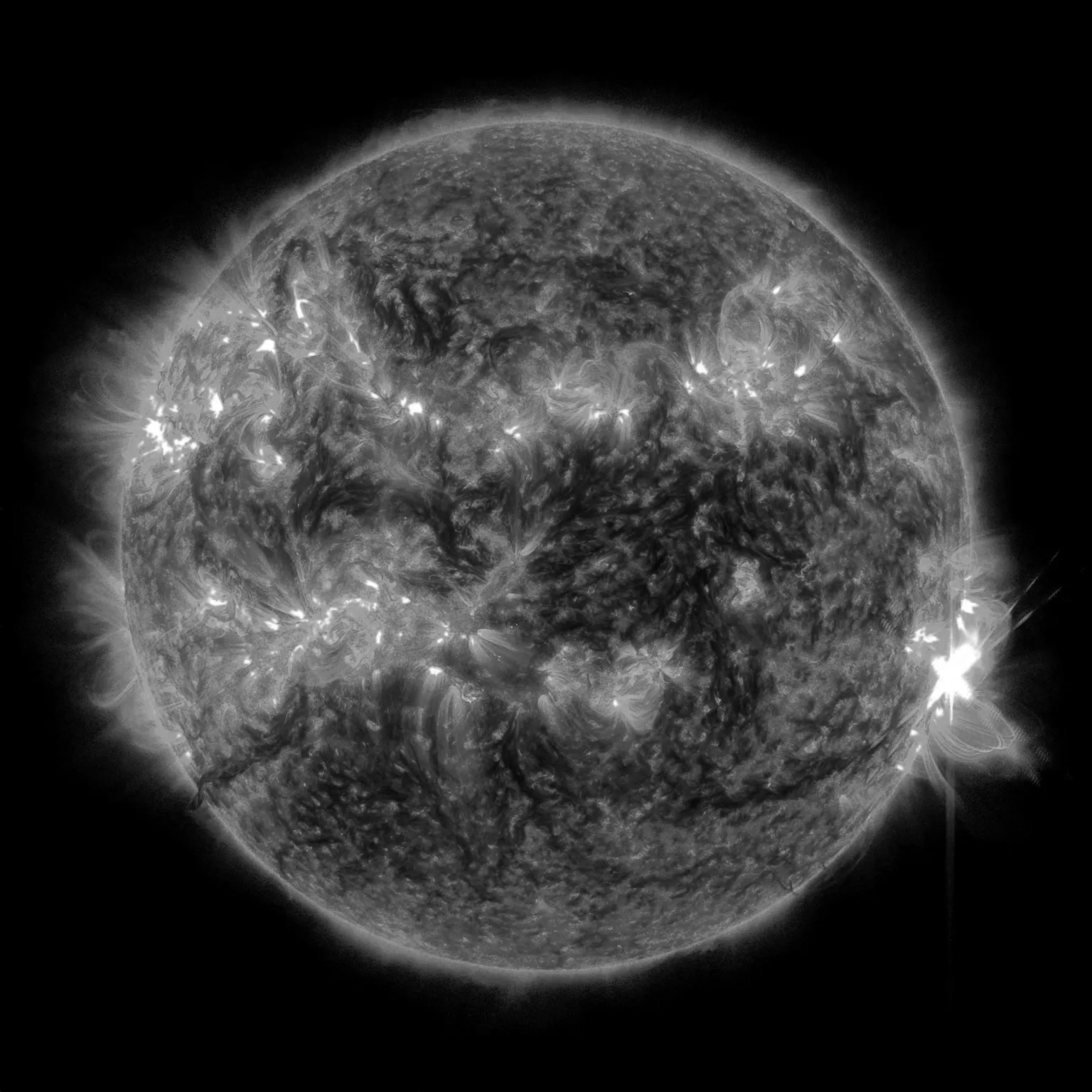
The largest geomagnetic storm since 2003 that occurred last Friday may be just the beginning of a more intense than expected period of solar activity. More explosions of energy and light occurred in the days following the giant storm that delivered a brilliant display of light, known as the aurora (borealis in the Northern Hemisphere, australis in the Southern), far beyond its normal viewable range. The storms are also continuing to cause widespread radio blackouts and distortions to normal energy patterns across the Americas.
While irregularities in electrical wave patterns are expected, extreme deviations were widely observed simultaneously across the US, according to data provided by Whisker Labs Inc. This is the first time such a strong solar storm has been tracked in real time across the country. The data are collected from smart-home sensors that monitor electric surges and power quality, and show the disturbance easily reached the homes of more than 50 million people.
While no significant failures were reported, there is potential for these surges to cause major damage. The last time a storm this strong struck Earth, there were power outages in Sweden and damaged transformers in South Africa, according to the US Space Weather Prediction Center. Strong solar storms can also affect radio signals, global navigation systems, satellites and even pipelines. SpaceX’s Starlink unit said on its website that it experienced “degraded service” that its team was investigating.
The Strongest Solar Storm in Decades
The extreme storm over the weekend was rated G5 on the Space Weather Prediction Center's scale, making it among the most powerful storms on record. It was the result of five coronal mass ejections (CME) — violent eruptions on the Sun that blast large clouds of plasma and magnetic fields through space — occurring in relatively short order. To have so many CMEs directed toward Earth around the same time is very rare, according to Michael Wiltberger, a scientist at the National Center for Atmospheric Research.
Activity on the Sun is cyclical. Solar cycles typically last about 11 years, during which time the number of spots visible on the Sun’s surface waxes and wanes. Sunspots are a visual indication of magnetic disturbances — they can change in size and shape over the course of hours, days or even months. Sunspot activity is approaching a peak in the current cycle that began in December 2019. Some of the strongest solar storms in history corresponded with the tailend of peaks in sunspot activity.
The immense strength of this storm was experienced globally, delivering rare views of the aurora to areas much farther from the Earth’s poles than can typically observe the Northern or Southern Lights.
The current solar cycle has exceeded scientists’ expectations, with the number of sunspots increasing faster and sooner than projected. Sunspot activity has already surpassed the peak of the relatively weak cycle before it, which began in 2008. The consensus view in the scientific community was that the current cycle would not peak until 2025.
There are currently 13 sunspot regions visible from Earth, and it is likely more gas and plasma will burst out of our nearest star, the UK Meteorological Office said.
The cluster of spots that caused the most recent storms measured 200,000 km (124,000 miles) across — nearly 16 times the Earth’s diameter. As the Sun revolves on its axis — taking about 27 days to complete a full rotation — the sunspot cluster will move out of view and out of the range that would allow it to cause disturbances on Earth. But until then, strong solar flares and more Earth-directed CMEs are still a possibility.
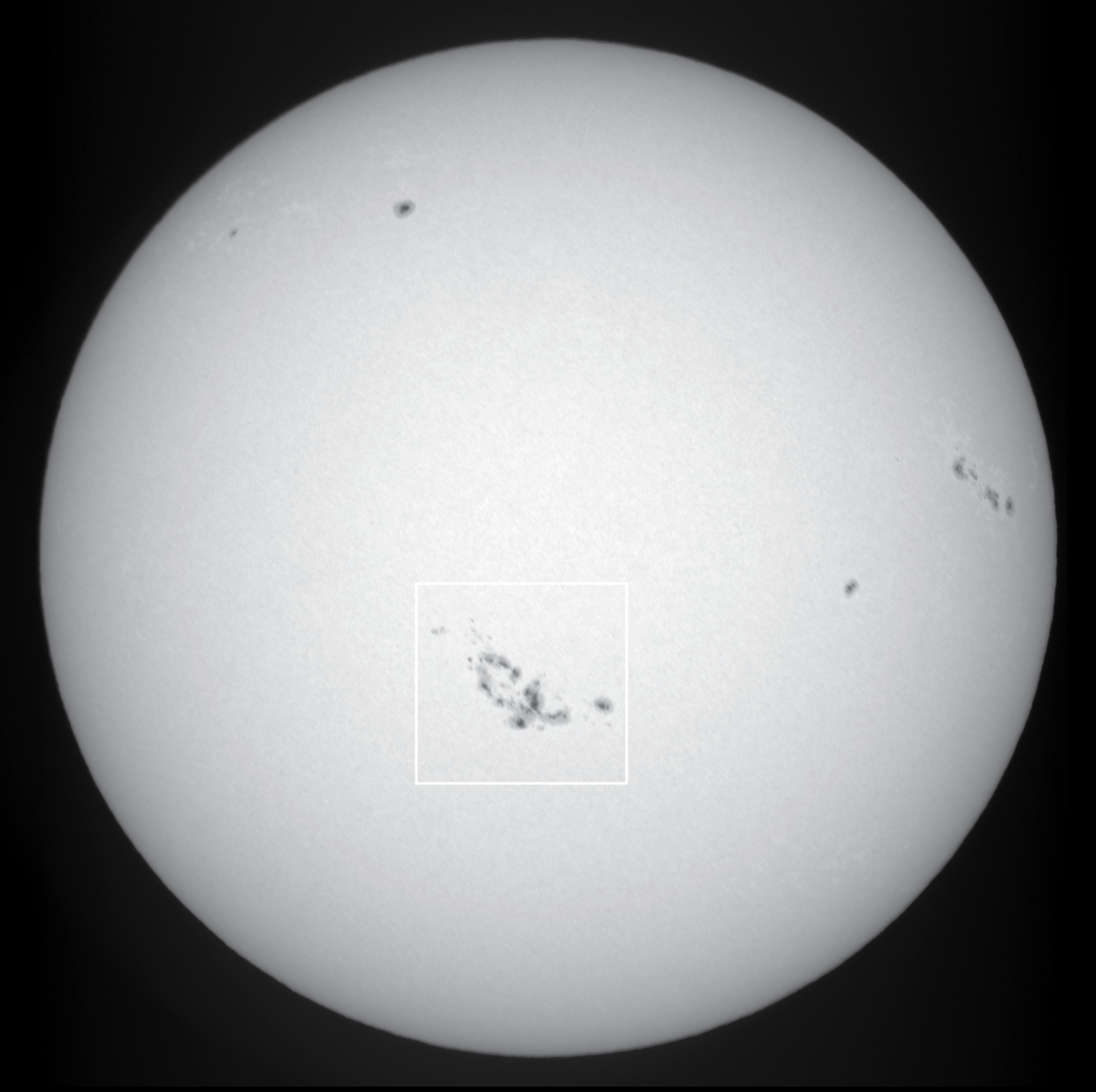
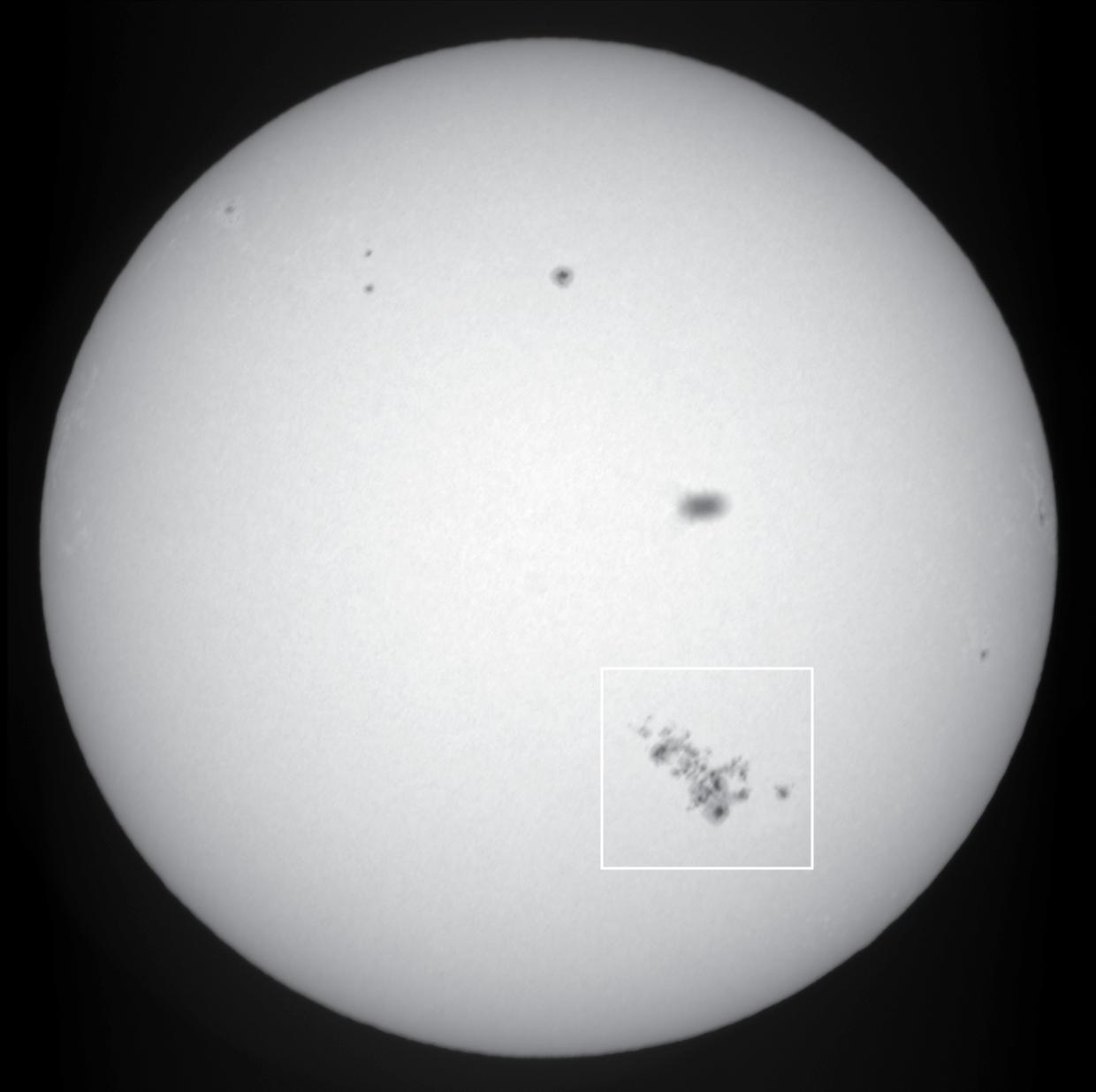
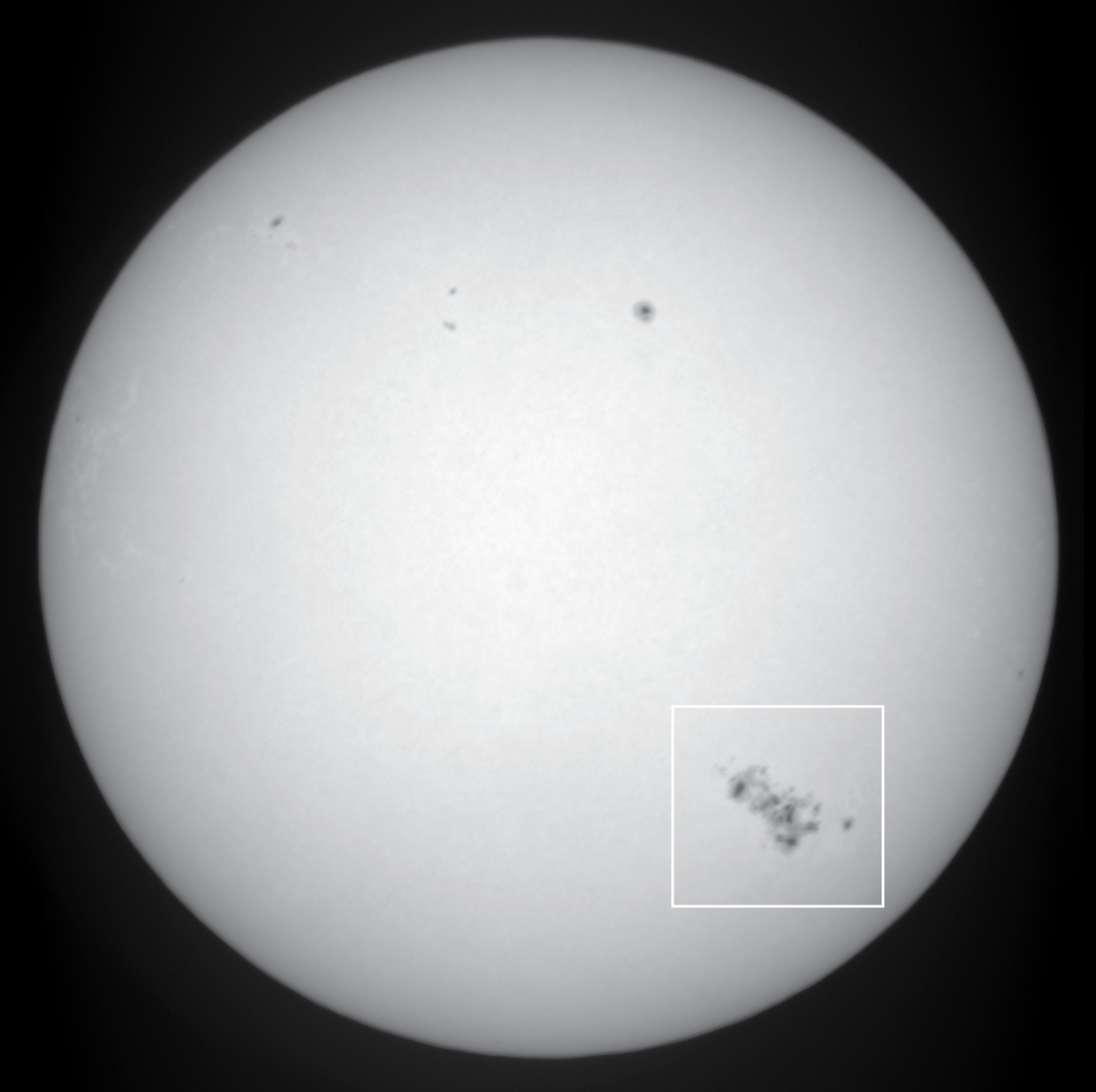
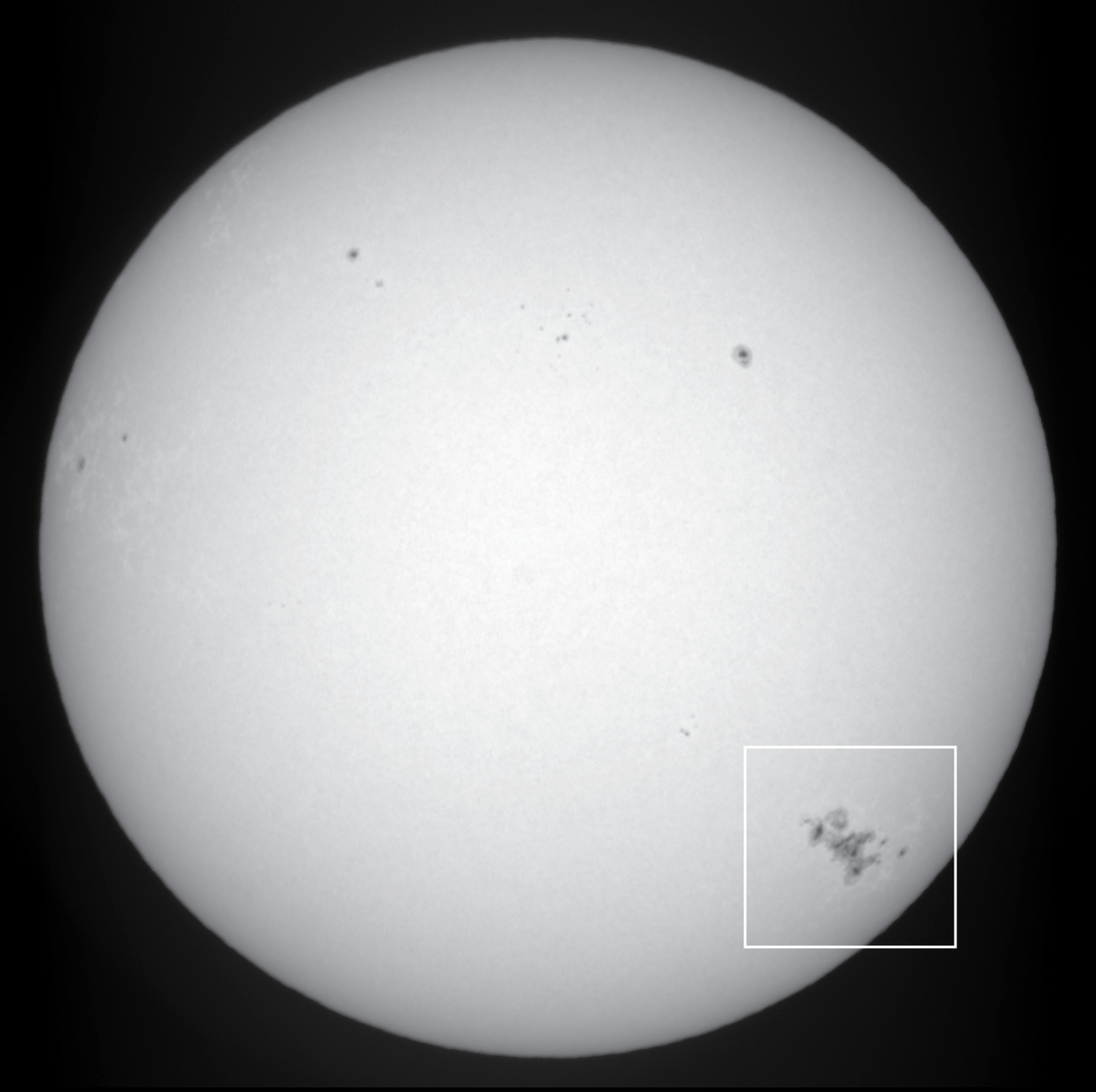
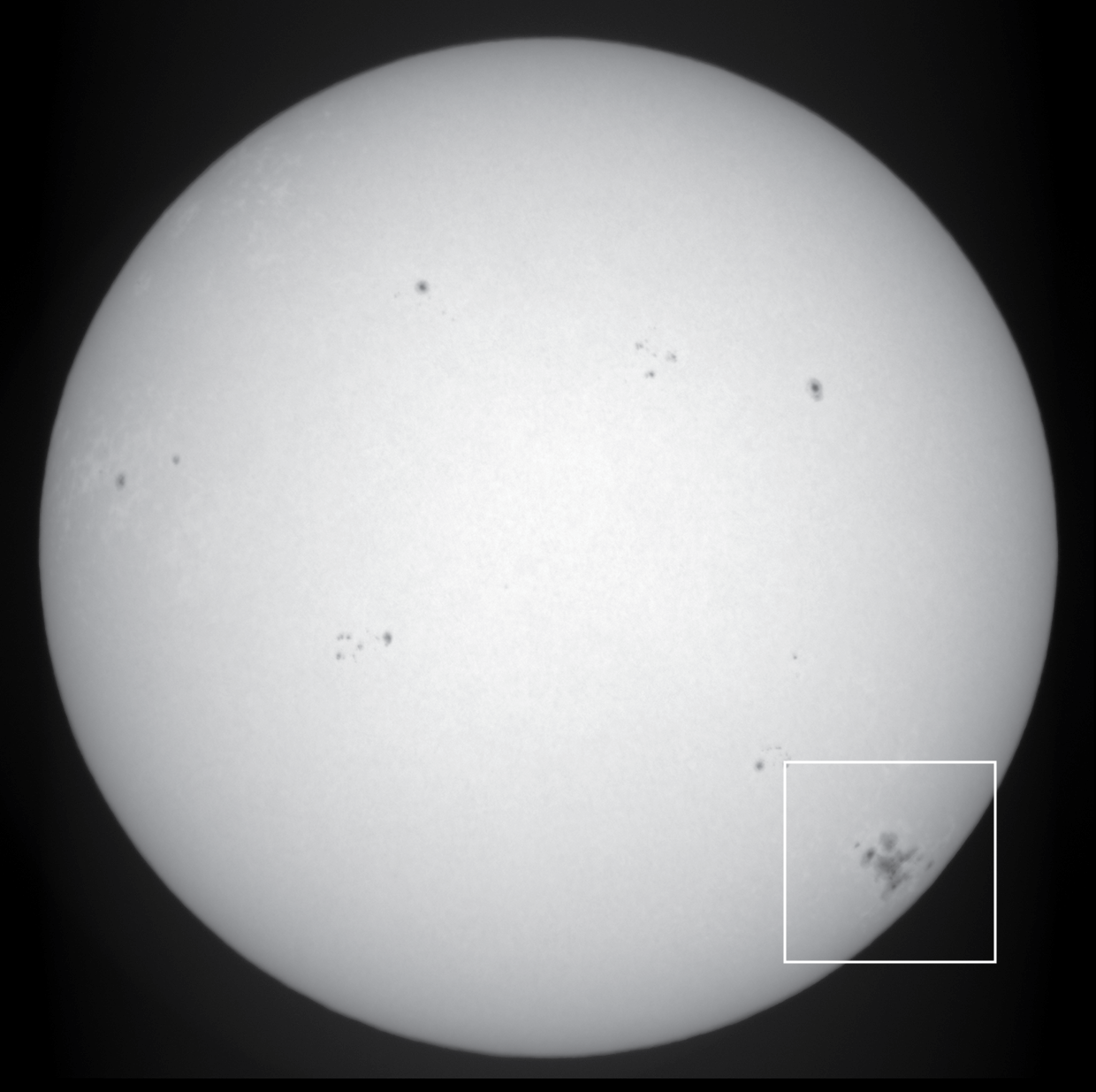
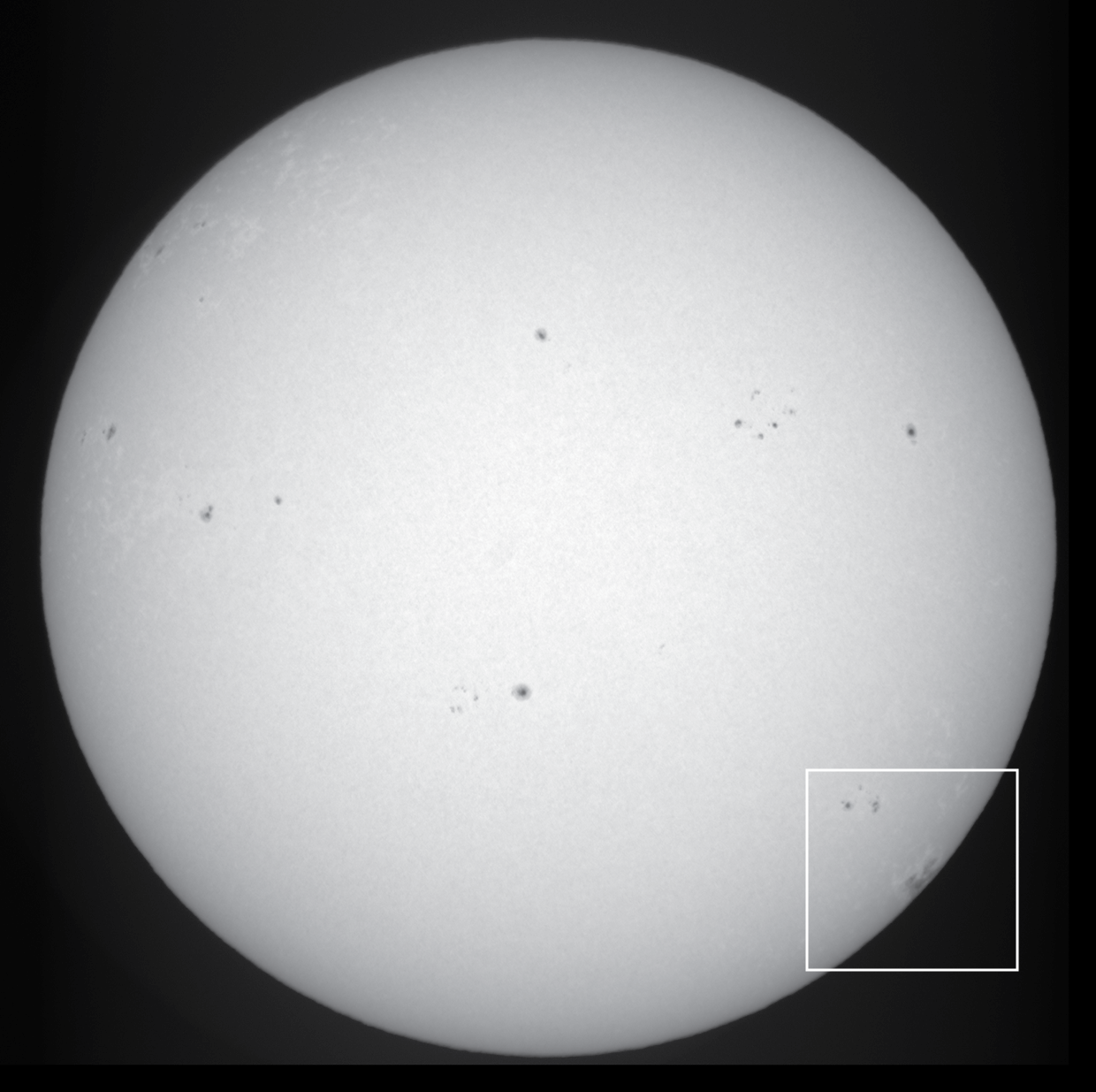
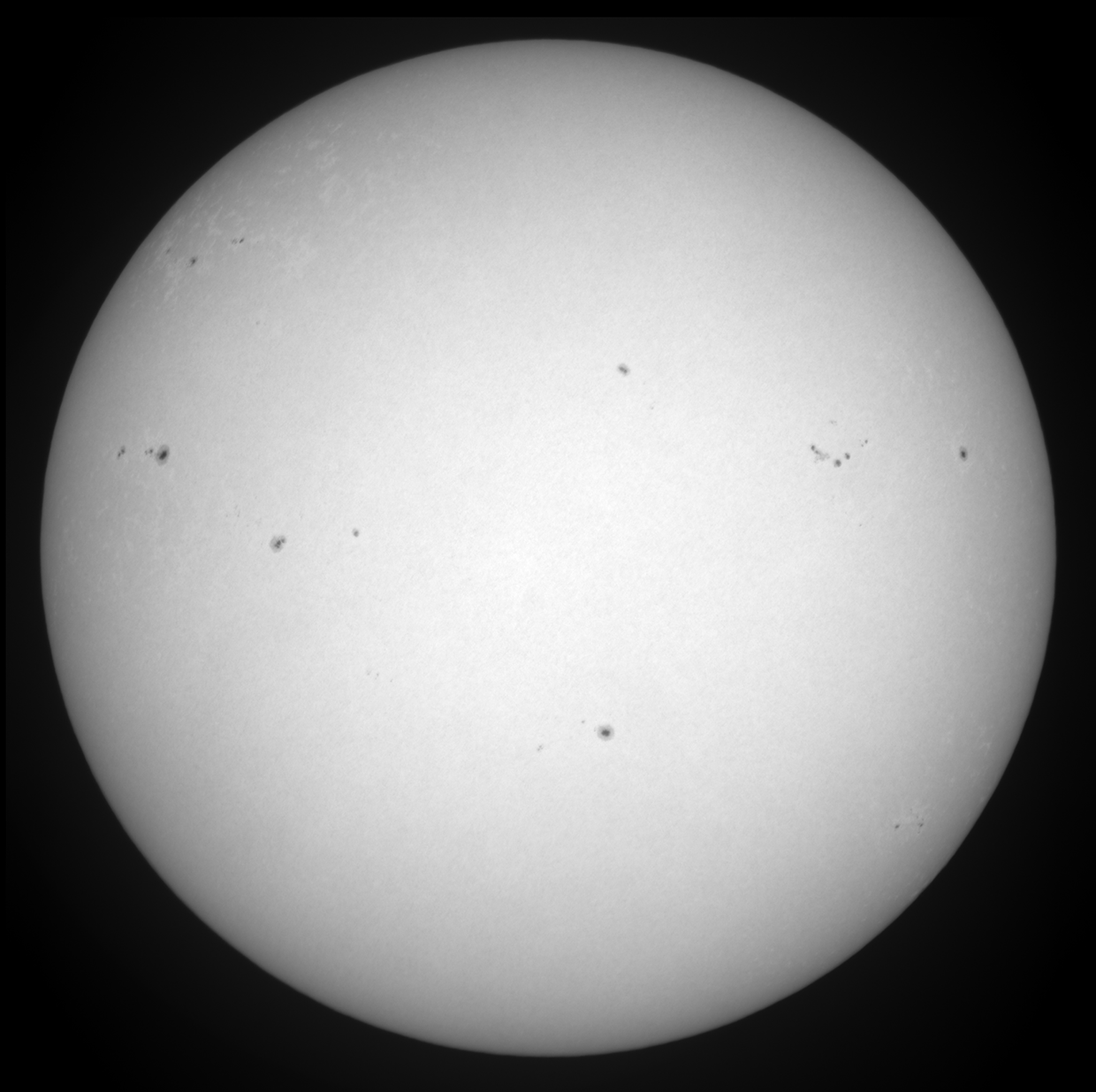
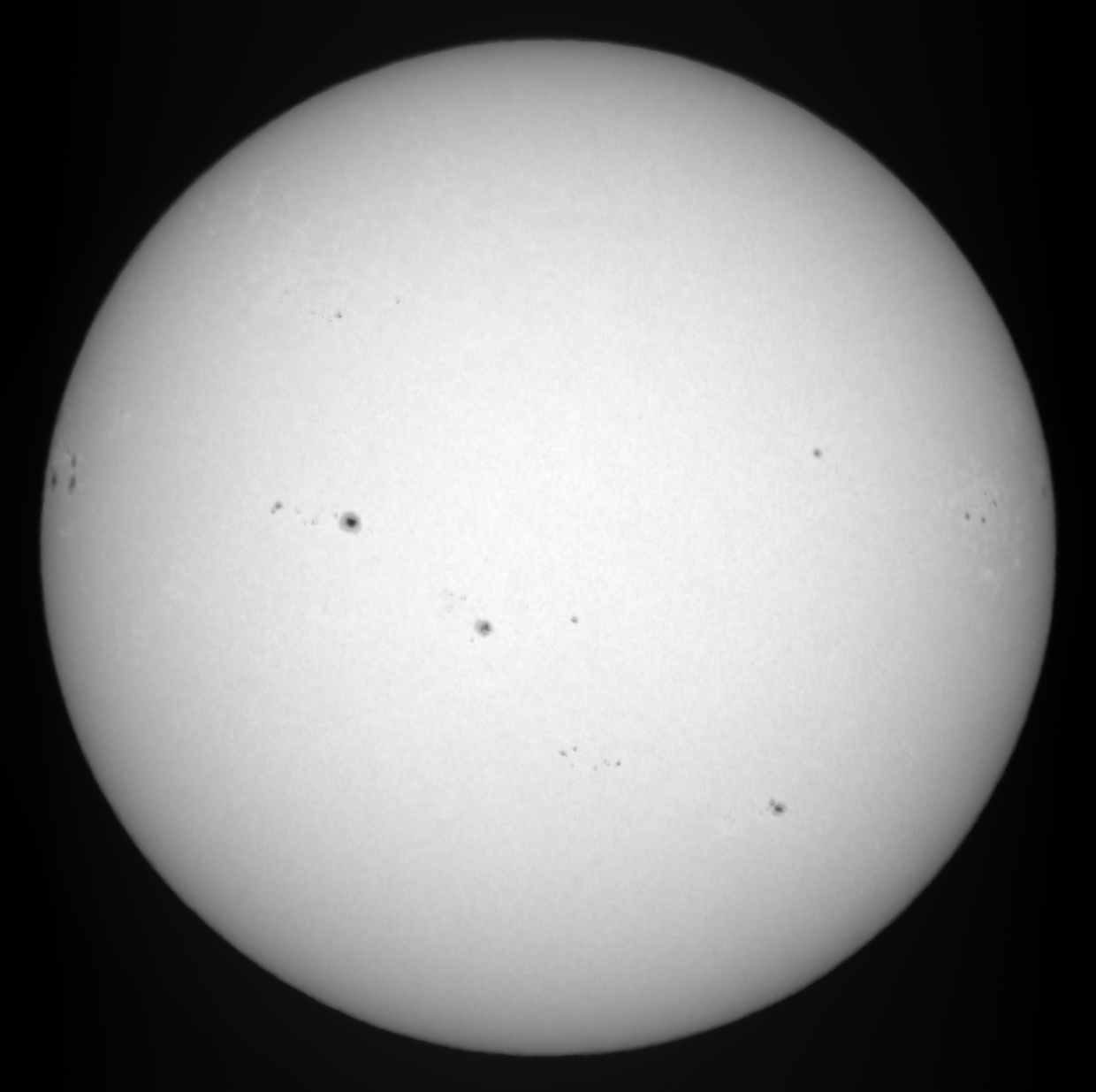
Any one of the visible sunspot clusters could cause more solar storms, but the unpredictability and rarity of strong storms makes it hard to guess how electrical grids will handle the surges. Grid distortions are monitored by individual utilities and grid operators, though any significant issues are supposed to be reported to regulators.
“Had this event occurred on a July or August day when the grid is already stretched to its limit, it could have been much worse,” said Bob Marshall, CEO of Whisker Labs.