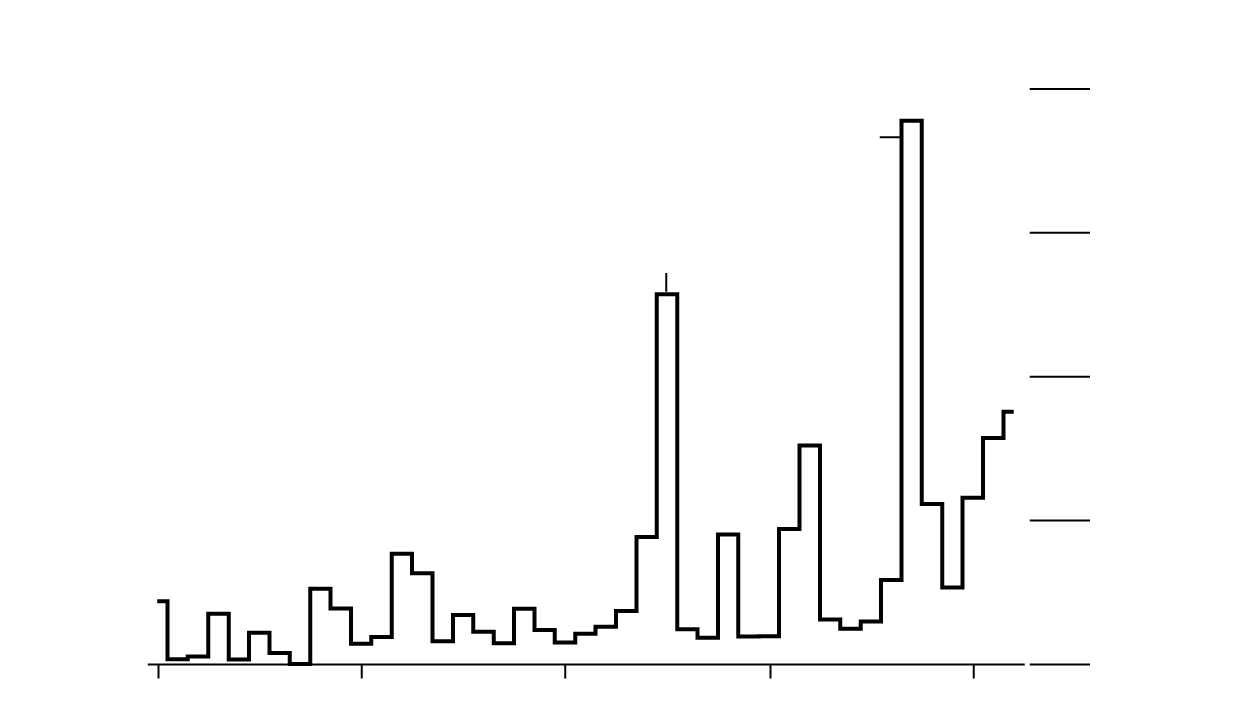
Cost of US Disasters
Billion-dollar events, in 2023 dollars
$400b
Year of hurricanes Harvey and Irma
300
Hurricanes Dennis,
Katrina, Rita and Wilma
200
100
0
1980
1990
2000
2010
2020
Cost of US Disasters
Billion-dollar events, in 2023 dollars
$400b
Year of hurricanes Harvey and Irma
Hurricanes Dennis,
Katrina, Rita and Wilma
300
200
100
0
1980
1990
2000
2010
2020
Cost of US Disasters
Billion-dollar events, in 2023 dollars
$400b
Year of hurricanes Harvey and Irma
Hurricanes Dennis,
Katrina, Rita and Wilma
300
200
100
0
1980
1990
2000
2010
2020
The Skyrocketing Toll of the Billion-Dollar Climate Disaster
In 1980 losses from three US natural disasters—a drought, a flood and a hurricane—topped $1 billion each (in 2023 dollars). Last year there were 18 $1 billion-plus events across the country, including Hurricane Ian, which was responsible for $114 billion in damage, according to the US National Oceanic and Atmospheric Administration. “The number and cost of disasters are increasing over time, due to a combination of increased exposure, vulnerability and climate change,” says Adam Smith, a climatologist at NOAA’s National Centers for Environmental Information.
Although 2022 wasn’t the costliest year on record (2005 has that honor, thanks to Hurricane Katrina, followed by 2017 with Hurricane Harvey), it’s part of a trend of ever more expensive and destructive disasters. Global warming has lengthened the wildfire season and made blazes more frequent, more dangerous and more widespread (think this year’s fires in Quebec). And warmer air means clouds can hold more rain and dump it faster in places unaccustomed to floods (think Vermont this summer).
But hurricanes wreak the most havoc. Rising sea levels aggravate storm surge flooding and losses along the Gulf Coast and Eastern Seaboard (think Katrina, Harvey and Ian). Since 1980 tropical cyclones have been responsible for more than $1.3 trillion in damage, and they typically account for the bulk of losses in the worst years. Smith notes that annual costs from disasters have exceeded $100 billion in five of the last six years (2019 was the exception). “Vulnerability is especially high where building codes are insufficient for reducing damage,” he says.
Economists studying the impact of disasters say that their effects can last for years or even decades, and that many communities never fully recover. And despite the increasing peril, more people are moving to high-risk places such as coastal areas, forests and riverfronts, dramatically increasing the likelihood of more stratospheric insurance claims. “Much of the population growth has taken place in vulnerable areas,” Smith says, noting increased danger of “drought, lengthening wildfire seasons in the Western states and the potential for extremely heavy rainfall becoming more common.”
The NOAA data tallies the direct damage from disasters—buildings, bridges and highways demolished, belongings washed away, losses from business shutdowns or destroyed crops. But it doesn’t include health-care costs, disruptions to supply chains or losses caused by environmental degradation over time, Smith says. “These estimates,” he says, “should be considered conservative with respect to what is truly lost.”
Cost of US Disasters Since 1980

For events costing more than $1 billion in total damages.
Cost ranges in 2023 dollars, by state and disaster type
$0–5m
$5b–10b
$20b–50b
$100b–200b
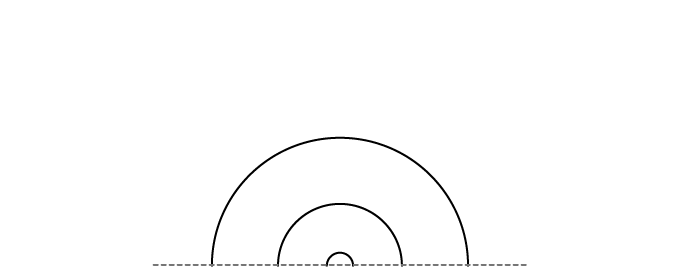
For events costing more than $1 billion in total damages.
Cost ranges in 2023 dollars, by state and disaster type
$100b
$50b
$1b