Consumers Foot the Bill for Traders ‘Manipulating’ UK Power Market
Power Plays
Some of the UK’s biggest energy companies have received £525 million from a practice that regulators say drives prices higher.
When the sun sets, Britain turns the lights on. Demand for energy peaks.
This is the time of day when the electricity grid is most under stress.
Power traders know this — and take advantage of the system. Consumers ultimately foot the bill.
On the morning of Dec. 12, as plunging temperatures left poorer Britons struggling to heat their homes, traders for Vitol Group’s VPI Power Ltd. abruptly served notice that one of the London area’s largest power stations would begin turning off just after midday.
This change of plans left Britain’s power grid at risk of running low on electricity. But the traders had another offer on the table: They’d keep running their plant for as much as £6,000 ($7,340) per megawatt-hour, four times more than the regular market rate. With little choice, the grid operator paid up, an £11 million tab that was ultimately passed to UK consumers, many of whom are already contending with prices that have more than doubled in the last two years.
Traders at firms including Vitol’s VPI, Uniper SE and SSE Plc have frequently announced they would cut off electricity capacity — sometimes with just a few hours’ notice — ahead of the busiest evening periods. At the same time, they offered power from their plants in a special side market where they charged higher prices to meet the shortfalls they helped create. Traders dramatically increased their use of this practice — and the prices they charged — as the lifting of Covid restrictions and then Russia’s war in Ukraine brought turmoil to the UK electricity market, a Bloomberg News investigation has found. Current rules do not prohibit such off-on maneuvers.
Bloomberg News is examining energy markets in the UK and elsewhere. Got a tip or a story to share? Get in touch with us at powerpricing@bloomberg.net
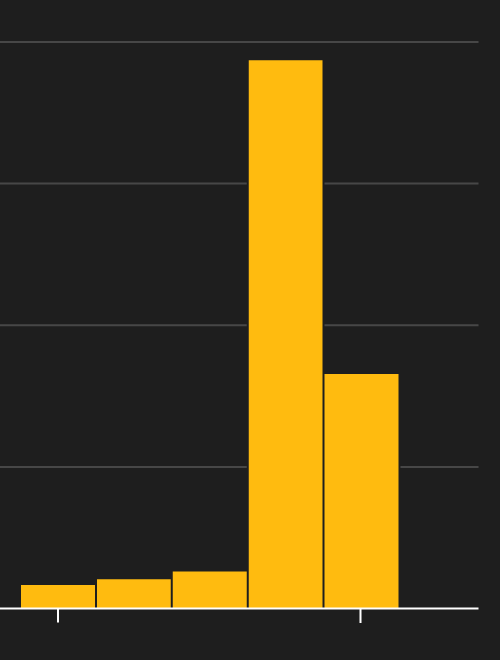
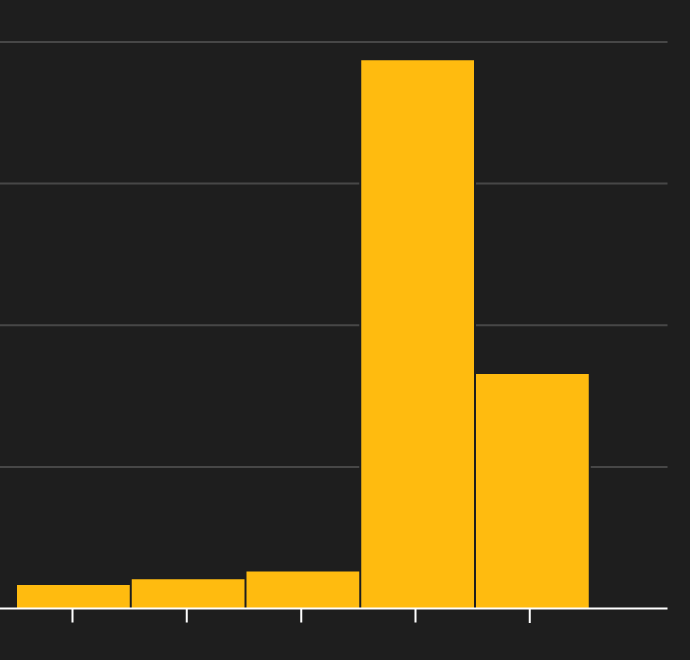
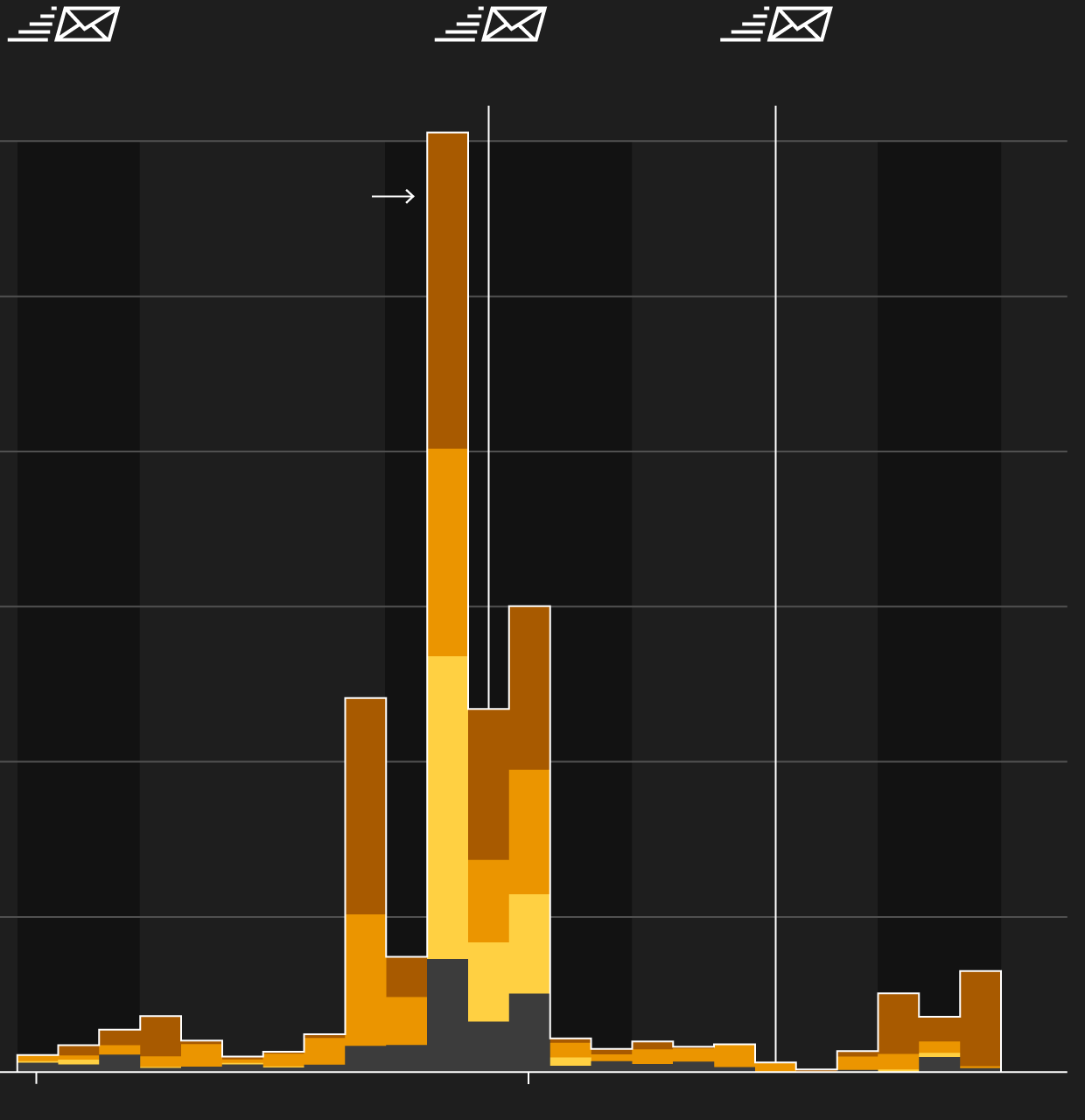
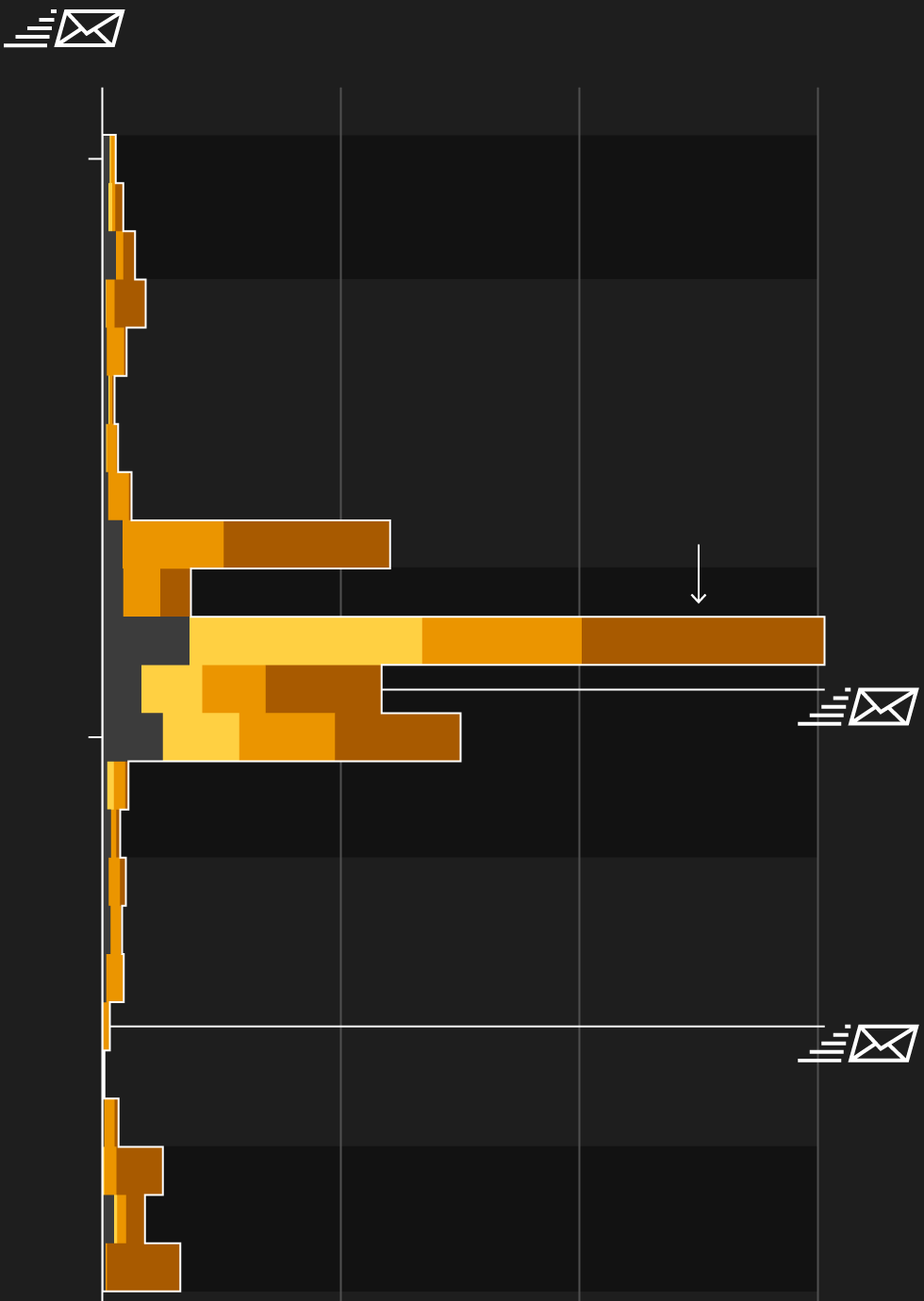
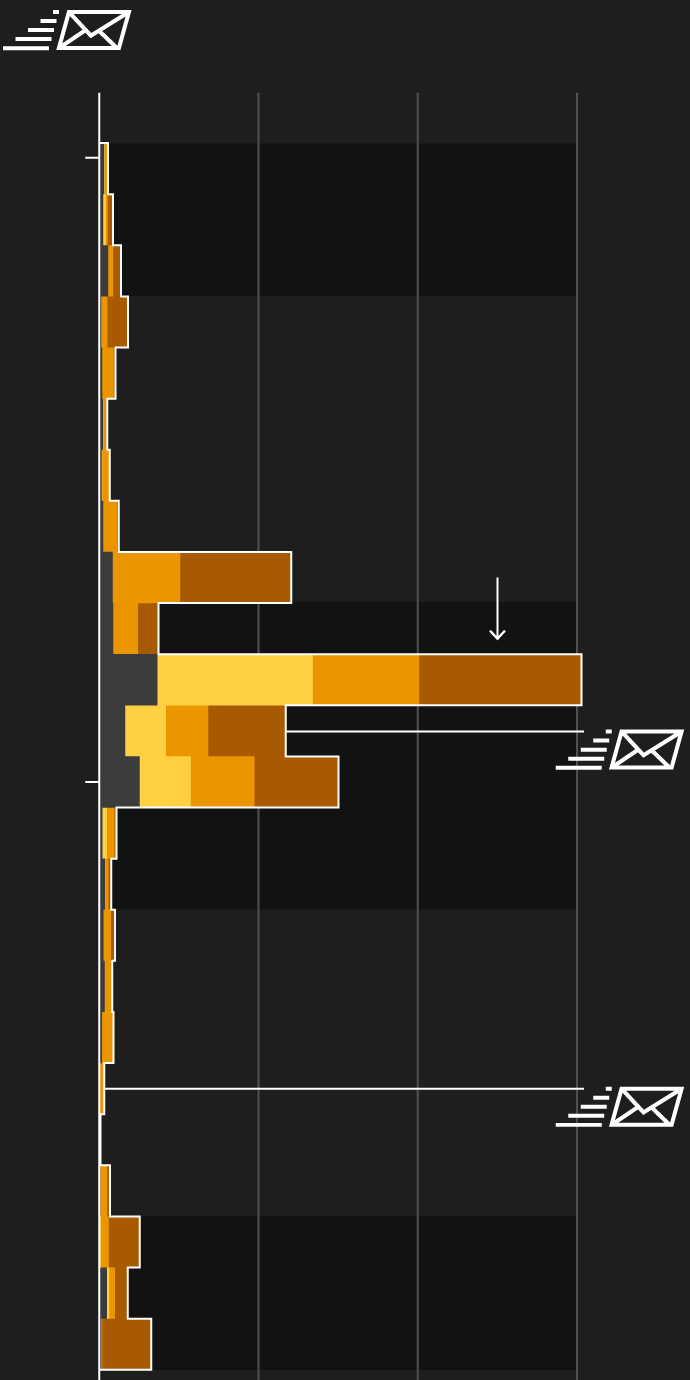
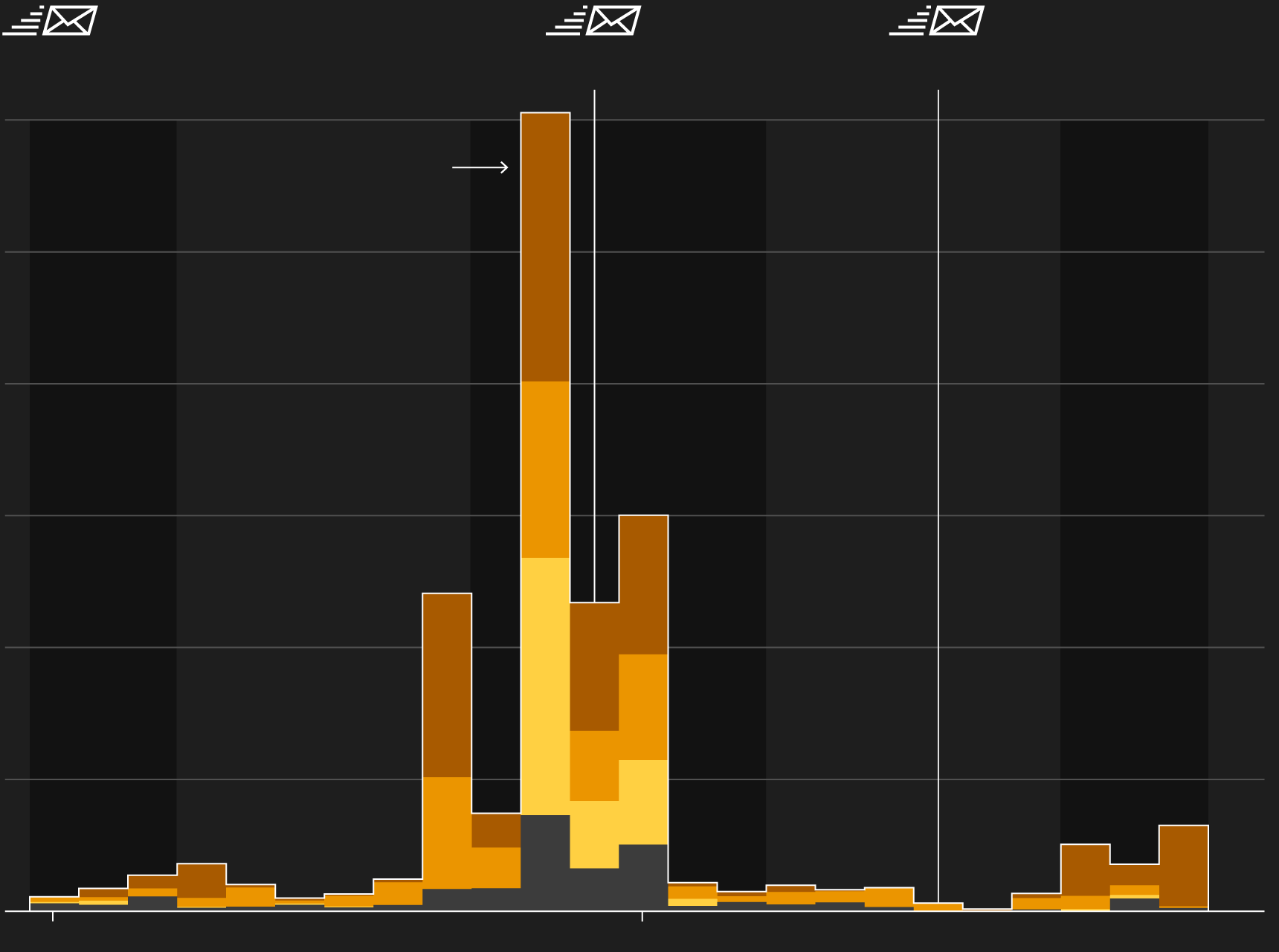
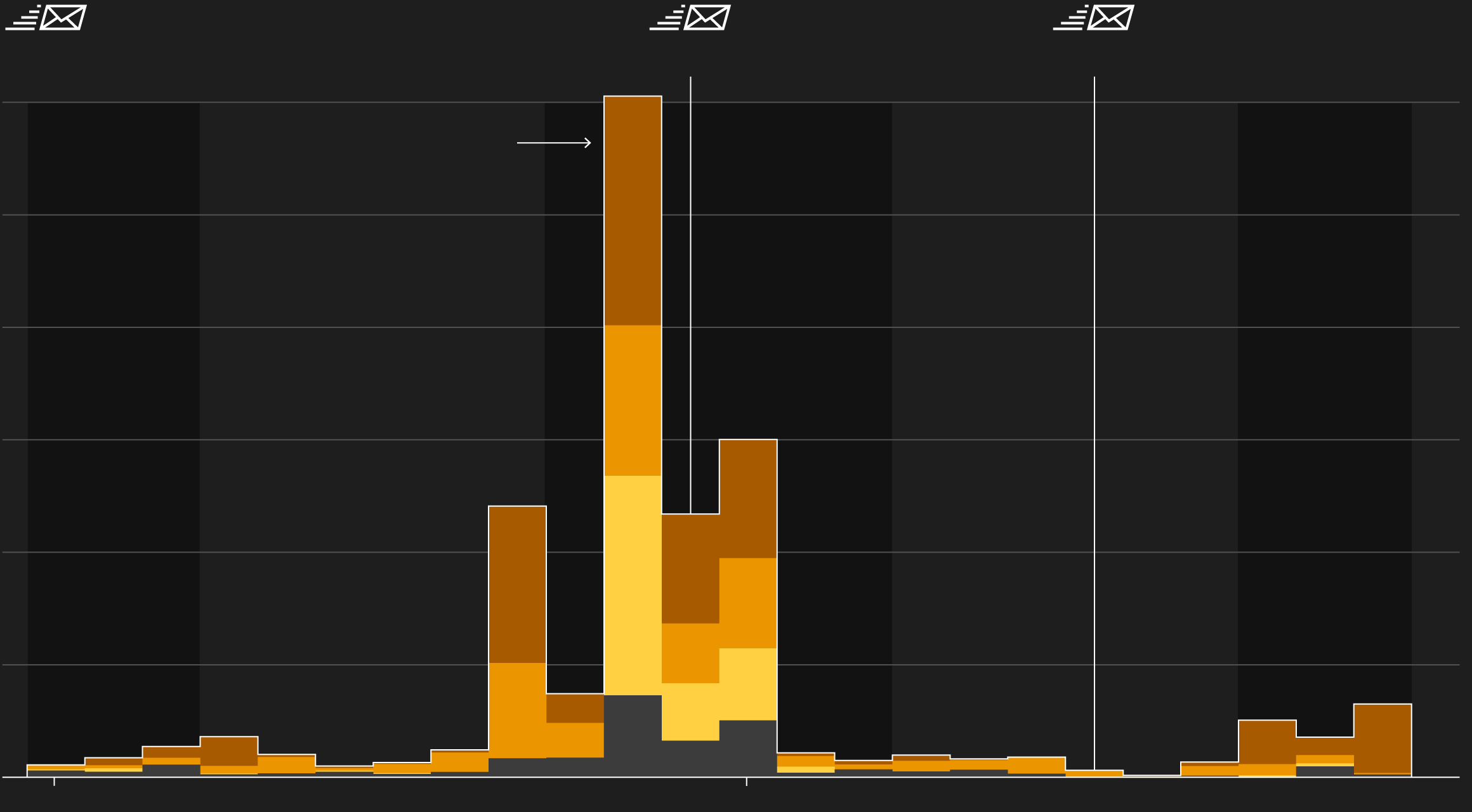
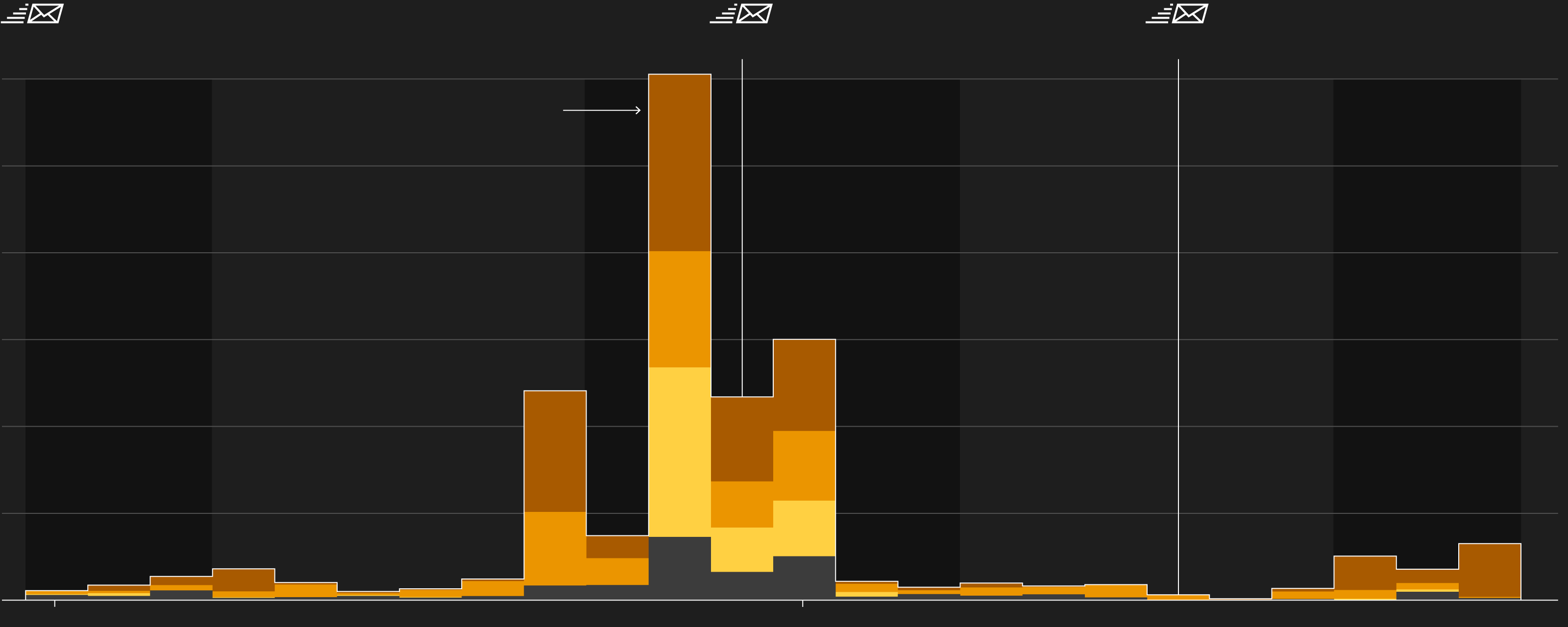
An analysis of more than 100 million market records shows that firms rang up more than £525 million in inflated revenue using this practice between 2018 and 2022. Nearly 90% of that amount came in just the last two years. Plants controlled by VPI and Uniper together accounted for £321 million of the total.

Total Cost
£340M
255
170
85
2018
2022
£340M
255
170
85
2018
2019
2020
2021
2022
The data analysis can’t account for why, on any individual occasion, a company acted in this way — and whether there were circumstances involved other than the pursuit of revenue. But in interviews, 13 current and former traders said that off-and-then-on-again supply-gaming is a widespread tactic that’s aimed at maximizing profit. A source familiar with VPI’s move on Dec. 12 said the firm raised its price in response to tight market conditions.
“Something is broken here,” said Fred Smith, the managing director of H&E Smith Ltd., a glazed tile manufacturer in the northern English city of Stoke-on-Trent. The firm has struggled with a 150% jump in its power costs as energy inflation hammers the UK economy. Around the time of VPI’s big payday in December, Smith was asking his 20 employees to take a week off work after Christmas to save on operating costs.
“We’ve got to get a grip on this,” said Smith, 62. “It’s extremely frustrating, and just plain wrong, that they are allowed to be getting away with it.”


In response to detailed questions, most firms featured in this story provided brief statements saying they comply with regulations. VPI, which is majority owned by Vitol, one of the world’s largest private companies, “operates fully within the rules of the power market,” a spokesperson said. SSE, one of the UK’s largest renewables developers, said in a statement that it’s committed to investing “more than it earns in profits” to expand supply in the power market. Uniper did not respond to requests for comment.
The UK energy regulator, the Office of Gas and Electricity Markets, or Ofgem, has announced plans to tighten its rules. In a statement to Bloomberg, Ofgem said it intends to prohibit firms from “manipulating” the market by saying they’ll shut off their generators only to seek extra-high prices to fill the gap they helped cause.
On Thursday, a spokesperson for Prime Minister Rishi Sunak criticized the practices described in this article. “Ofgem is aware of this concerning behavior from a handful of participants involved and is urgently looking into it further,” the spokesperson said. “It’s critical that at all times consumers pay a fair price for their energy. So this practice is clearly completely unacceptable.”
The regulator has characterized these practices as “immoderate” and “sharp” and said they drive up prices. Following a surge in the grid’s payments for such maneuvers in late 2021, Ofgem conducted an investigation but said it found no “conclusive” or “clear” evidence of rule-breaking.
How the Cost Has Risen
- Vitol’s VPI
- Uniper
- Seabank
- Others
Days regulator published an open letter warning against maneuver
Dec. 20,
2021
July 15,
2022
£150M
£151M
Nov. 2021
125
Winter
months
100
75
50
25
2021
2022
Days regulator published an open letter
warning against maneuver
50
100
£150M
2021
Winter
months
£151M
Nov. 2021
2022
Dec. 20,
2021
July 15,
2022
Days regulator published an open letter
warning against maneuver
50
100
£150M
2021
£151M
Nov. 2021
2022
Dec. 20,
2021
July 15,
2022
Days regulator published an open letter warning against maneuver
Dec. 20,
2021
July 15,
2022
£150M
£151M
Nov. 2021
125
Winter
months
100
75
50
25
2021
2022
Days regulator published an open letter
warning against maneuver
Dec. 20,
2021
July 15,
2022
£150M
£151M
Nov. 2021
125
Winter
months
100
75
50
25
2021
2022
Days regulator published an open letter
warning against maneuver
Dec. 20,
2021
July 15,
2022
£150M
£151M
Nov. 2021
125
Winter
months
100
75
50
25
2021
2022
The rules allow traders to turn power stations on and off — and to quote prices — as dictated by their commercial interests. Producers cannot submit “false or misleading signals” to the grid. But they are allowed to change their minds freely and make decisions solely based on profit, as long as they aren’t found to be dishonest about their intentions.
Ofgem has said it intends to ban power stations using these off-on tactics from charging “excessive” prices that lead to more than a “reasonable profit.” A final decision, after consultation with the industry, is expected in the summer. “We do not believe that any attempts by energy companies to exacerbate tight market conditions, whether intentional or not, are in line with consumers’ interests,” a spokesperson said.
Read more from Power Plays, a series about the ways consumers lose on energy bills
Ofgem said it has already seen a “notable reduction in year-on-year costs associated with this kind of manipulation” after sending multiple letters asking companies to stop deploying the maneuver. In a separate statement Thursday, a spokesperson for the regulator said that it was not attempting to characterize any particular company’s behavior, but was describing its broader effort to push back against market abuse.
If Ofgem wants people to stop doing it, then it needs to change the rules.
Several traders told Bloomberg that this behavior was so widespread that they’d be putting their firms and themselves at a commercial disadvantage if they didn’t take part as well. One said that decisions to cut supply would usually require sign off from senior executives. The traders asked not to be named because the practices they described are controversial.
“This has been common practice from the very start,” said Chris Regan, a former power trading manager at Electricite de France SA, who is now the managing director at Brady Technologies, a software company that works with energy firms. “If Ofgem wants people to stop doing it then it needs to change the rules.”
A series of plant closures in the last decade left the grid with fewer options when demand peaks or wind speeds fall, constricting supply from renewables. This limited capacity gives outsize market power to large plants that are willing and able to tell grid operators they’re cutting off electricity. On exceedingly tight days like Dec. 12, they can largely name the price they’ll receive to keep generating.

On that day, traders at Vitol’s VPI unit made their move with Rye House, a gas-powered turbine station with three gray smokestacks looming over riverbanks in Hertfordshire, 19 miles outside central London. One person familiar with the firm’s strategy said traders were aware of a likely supply shortfall — due to a massive drop in wind power — and believed the extreme scarcity justified the price hike. Nevertheless, the £6,000 per megawatt-hour that it received was likely more than 15 times what it cost to produce the energy, according to estimates by industry consultancy EnAppSys Ltd.
Generators that use coal or gas need some leeway in the prices they charge. They sit idle when cheaper forms of renewable power are abundant but must be maintained and staffed so they’re ready to step in when wind is low or supply is otherwise disrupted. Without the ability to charge extra in those tight moments, there’s a risk that some plants may no longer be economically viable, constricting supply even further and potentially costing consumers more, said Phil Hewitt, director of EnAppSys.

Still, many coal and gas plants have made bumper returns during the past two years — and aren’t subject to the UK government’s windfall tax on energy companies. Vitol’s VPI unit owned only one gas generator until early 2021, when it bought Rye House and three others for £186 million just as other plant closings in the country left the grid more reliant on them. VPI Power’s annual profit before tax that year more than quintupled to £140 million, according to filings.
Among the companies that said they would cut power to the grid ahead of peak demand only to provide it at a premium, VPI received the most money overall: £189 million, all of which came after VPI’s 2021 purchases. Bloomberg’s analysis found that Uniper, which took a €35 billion ($38 billion) German government bailout to avoid collapse last year, was second with £153 million from 2018 through 2022. SSE took in £33 million from the plants it owns outright over that same period, while Seabank power station, which it co-owns, pulled in £87 million more. The analysis does not account for how much the companies would have made if they hadn’t deployed this practice, because such data is unavailable.
Under an agreement, Shell Plc has traded electricity on behalf of Seabank since October 2021. “We operate in compliance with legal and regulatory obligations and in line with market practice,” a Shell spokesperson said.
Rapid Growth
- 2018–2020
- 2021–2022

£189M
Vitol’s VPI
£153M
Uniper
£87M
Seabank
£33M
SSE

£189M
Vitol’s VPI
£153M
Uniper
£87M
Seabank
£33M
SSE

£189M
Vitol’s VPI
£153M
Uniper
£87M
Seabank
£33M
SSE
The traders are targeting a corner of the market known as the balancing mechanism, where the grid pays a premium to make the final adjustments to ensure there’s enough supply to meet demand — costs that are ultimately baked into consumers’ bills. Over the past few years, thanks in part to the off-on maneuver, prices in this side market have soared. Experts call it a herd effect: Once one plant succeeds at charging a super-high price, others follow suit. Overall, the grid’s balancing costs have increased 284% since 2018.
Ofgem’s spokesperson said its planned rule change “will prohibit generators from manipulating the balancing mechanism in this way for excessive financial gain.” Increased balancing costs push up the regular wholesale cost of power too, some of the traders said, because some key benchmarks in the wider market are pegged to the balancing price.
Many countries operate similar balancing markets. A recent European Union watchdog report suggests those systems are at risk of exploitation. The EU’s oversight is weakened by “loopholes” that open the door to “abuse and manipulation,” the report said, yet regulators have done little to find or prevent it.
In the UK, the energy crisis has hit the poor disproportionately: More than three million low-income households in Britain can’t afford to heat their homes, according to research from the Joseph Rowntree Foundation, a poverty alleviation charity. As temperatures plunged below freezing this winter, some resorted to wearing coats, scarves and hats indoors, did without cooked meals and rationed the use of electric light. Local councils established public “warm rooms” for people who can’t afford to heat their homes.

It’s daylight robbery what they are doing and they should be held accountable for it.
After her energy bills almost doubled in December, Shereen Townsend, a single mother in Tonbridge, Kent, began turning the heat on for just an hour a day and trying to use as little electric light as possible. “It’s like a dark cloud hanging over you from the moment you wake up,” she said, her voice faltering. When it gets really cold, she and her 11-year-old son put on extra layers of clothing — including a onesie for him — and they sit on the sofa under a thick blanket.
Townsend, a speech and language support assistant at a primary school, said she was outraged by Bloomberg’s findings. “It’s daylight robbery what they are doing, and they should be held accountable for it,” Townsend said. “It’s disgusting.”
Each time a Briton flips a switch and the light turns on, a complex chain of events reaches its payoff. Every day, about 50 major power plants across the UK convert wind, coal, water, biomass and gas into electricity. Most households and businesses get charged the same price regardless of the time of day, but that’s not how it works for the suppliers that secure the power for them. They buy and sell electricity in the wholesale market, where traders swap electricity like other commodities, hashing out delivery agreements sometimes as far as years in advance — or as close as a half hour.
Electricity is difficult to store, and the price can fluctuate wildly. A drop in wind generation on a cold day, for example, can create a sudden shortfall. That’s where the grid operator, National Grid Plc, steps in on behalf of consumers — seeking to keep costs as low as possible and to prevent blackouts.
How the Grid Picks Plants
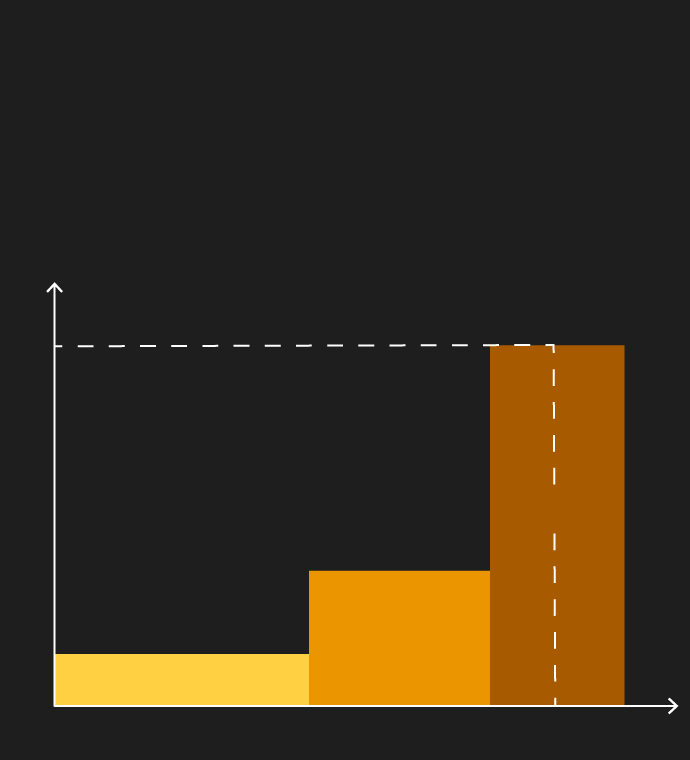
Gas plants cost more than renewables or nuclear. On a day with plenty of supply, that means the grid might not call on them.
But on days with high demand, the grid needs gas plants to ensure everybody gets the power they need.
Spot price
Cost per MWh
Gas
Demand
Nuclear
Renewables
MW demand
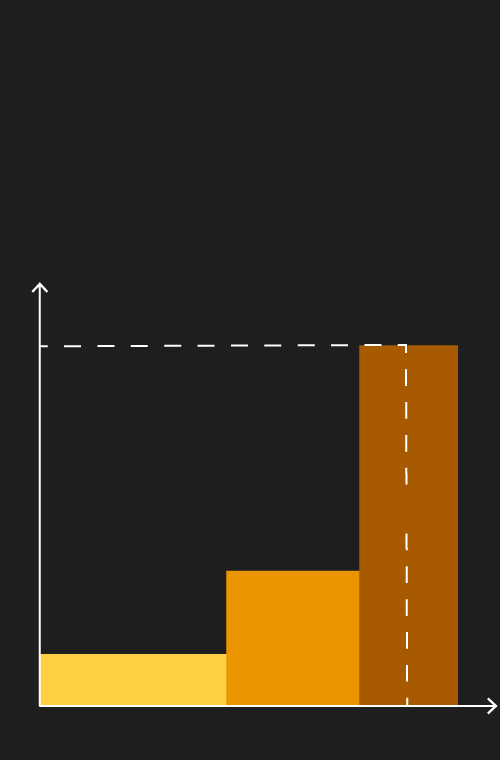
Gas plants cost more than renewables or nuclear. On a day with plenty of supply, that means the grid might not call on them.
But on days with high demand, the grid needs gas plants to ensure everybody gets the power they need.
Spot price
Cost per MWh
Gas
Demand
Nuclear
Renewables
MW demand
For the system to work, power stations must tell the grid each day how much electricity they are planning to supply. The grid’s staff members match those figures to their own demand forecasts. If they’re running short, they use the balancing mechanism to pay power stations to switch on or increase output.
In times of especially high demand, operators call on older, gas- and coal-fired plants that rarely find it cost-effective to operate in normal conditions. Only a handful of producers — including Vitol’s VPI, which owns five gas-powered plants in the UK — operate such facilities, giving them real market power in the balancing mechanism when conditions get stressed. Nearly 75% of the £525 million captured by Bloomberg’s analysis came on tight days when the grid would have already been under pressure.
Moreover, gas plants are unwieldy; they typically take about six hours to cool down before they can run again — and Ofgem said power traders use that inflexibility to their advantage. By telling the grid they will power down before the daily demand peak — between 5 and 6 p.m. — traders are putting the grid operator in a bind. If a plant goes offline, it’s lost for the rest of the day. So, to keep it available for the evening, the grid operator must agree to accept its offer of electricity via the balancing mechanism beginning at around lunchtime — and pay higher-than-normal prices for hours longer than necessary.
To discover how frequently gas and coal power plants deploy the off-on maneuver, Bloomberg analyzed publicly available records from the Balancing Mechanism Reporting Service. Bloomberg’s analysis flagged each time a power station told the system operator in the morning that it would turn off before the peak yet still offered power to the grid via the balancing mechanism during that time.
When they employ these maneuvers, traders are taking a gamble: If the grid operator doesn’t accept their offer, they end up with nothing or possibly even a loss. But if it does, then they’ll make much more than they would have in the wholesale market.
Bloomberg’s analysis found that the wager has paid off handsomely: Some firms have dramatically increased their revenues this way.
At times, traders amp up their market power even more by going one step further: The day before, they tell the system operator the plant will be running the next day through the peak. But come the morning, they pull the rug out, saying they changed their minds. Such abrupt changes amplify the traders’ market power because they give grid staff little time to react.
Wide-scale data for this type of maneuver is not publicly available, so it’s unclear how often it happens. An official analysis of the 10 highest cost days for the balancing mechanism between September and December 2021 offers a clue. Of the £338 million in charges on those days, £225 million went to firms using the maneuvers — and 57% of that amount involved traders changing their minds at the last minute.
Introduced in 2001, the balancing mechanism was intended to increase the flexibility and competitiveness of the UK power market. Over the past few years, the grid has grown more reliant on it as Britain endures a general shortage of supply — made worse by the shuttering of three gas-powered generators in the wake of the summer 2020 bankruptcy of Calon Energy Ltd.
These changes have also enabled traders to bring in significantly more money. In the first three years of Bloomberg’s analysis, the amount firms collectively took home employing the off-on maneuver never exceeded £23 million annually. In 2021, they received almost £329 million, and £141 million in 2022.
The most expensive day in the balancing mechanism’s history was Nov. 24, 2021, a day when outages combined with high demand. The grid paid firms £60 million that day, according to an official report — and Bloomberg found that about 73% of that haul — £42 million — went to companies deploying the off-on maneuver.

SCOTLAND
NORTHERN
IRELAND
Liverpool
Rocksavage
Connah’s Quay
ENGLAND
WALES
Rye House
London
Bristol
Medway
Seabank
Shoreham

SCOTLAND
NORTHERN
IRELAND
Liverpool
Rocksavage
Connah’s Quay
ENGLAND
WALES
Rye House
London
Bristol
Medway
Seabank
Shoreham
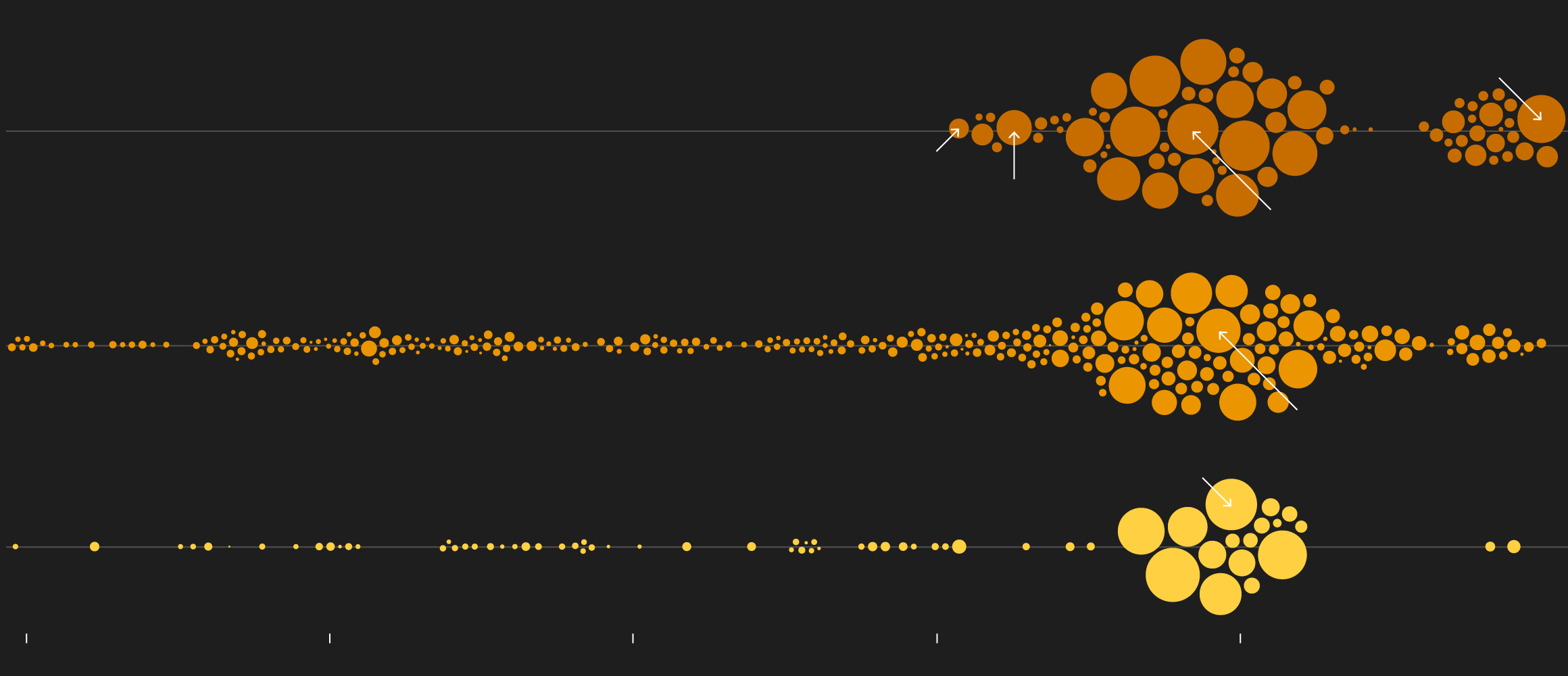
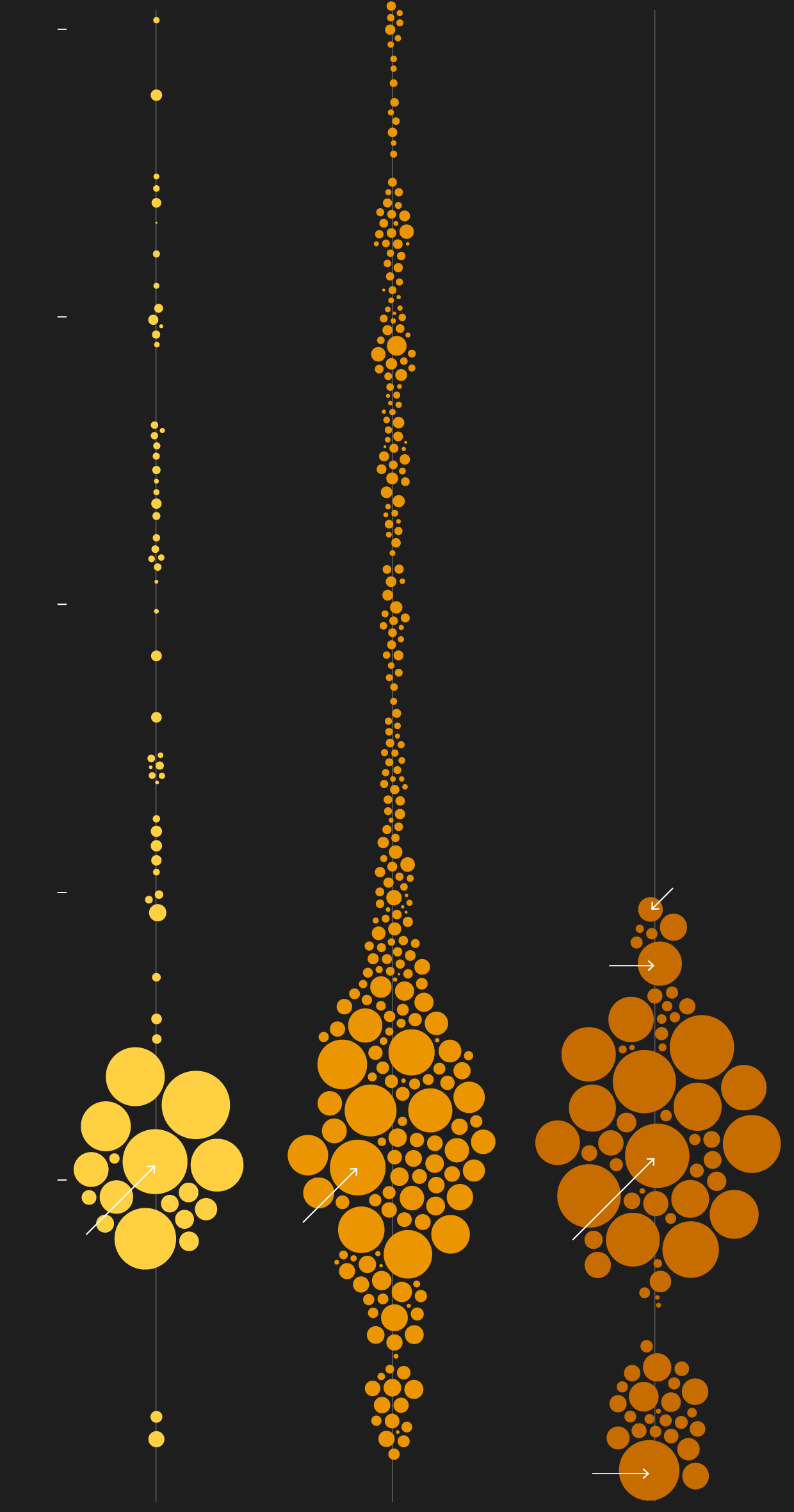
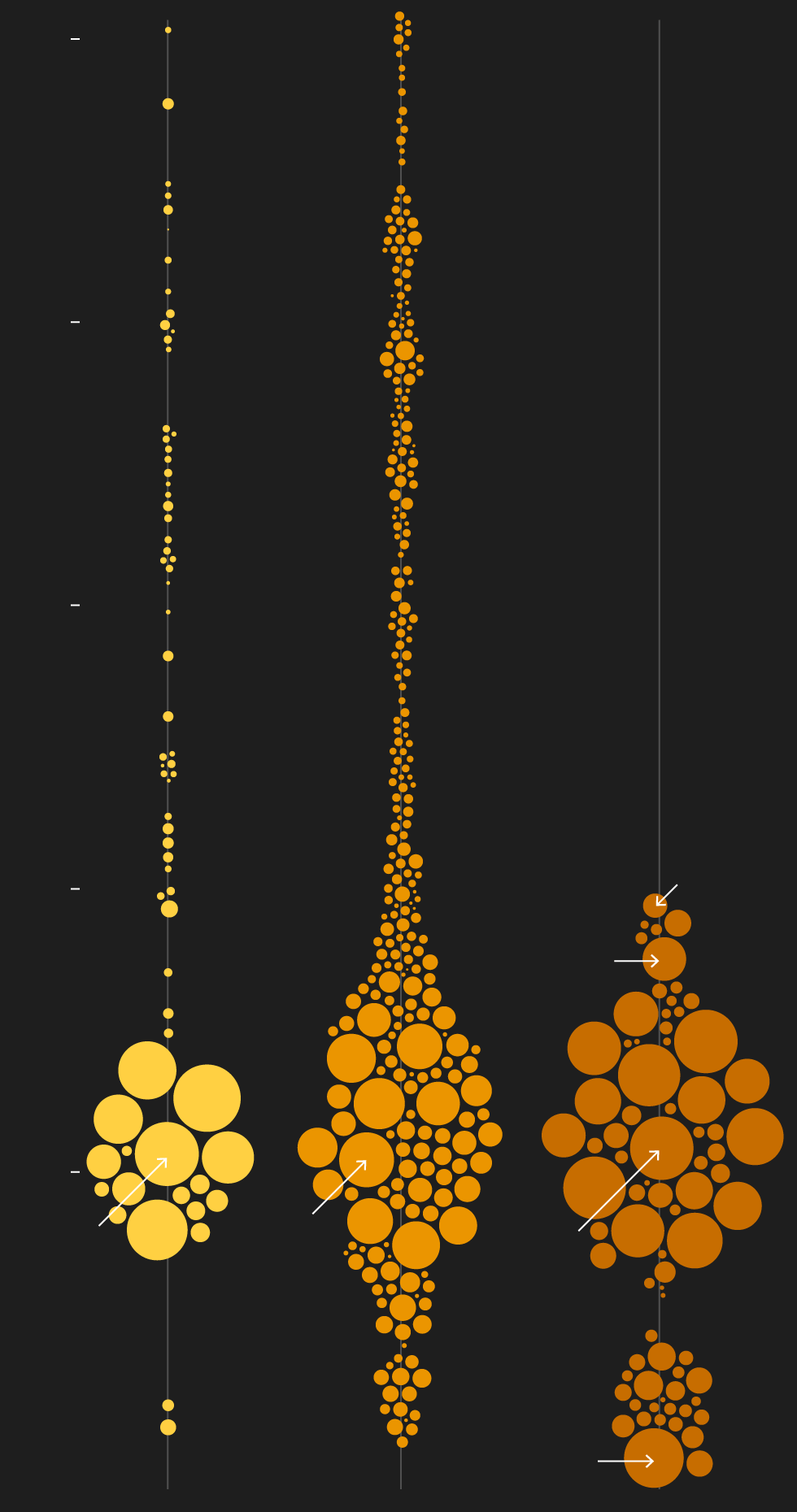
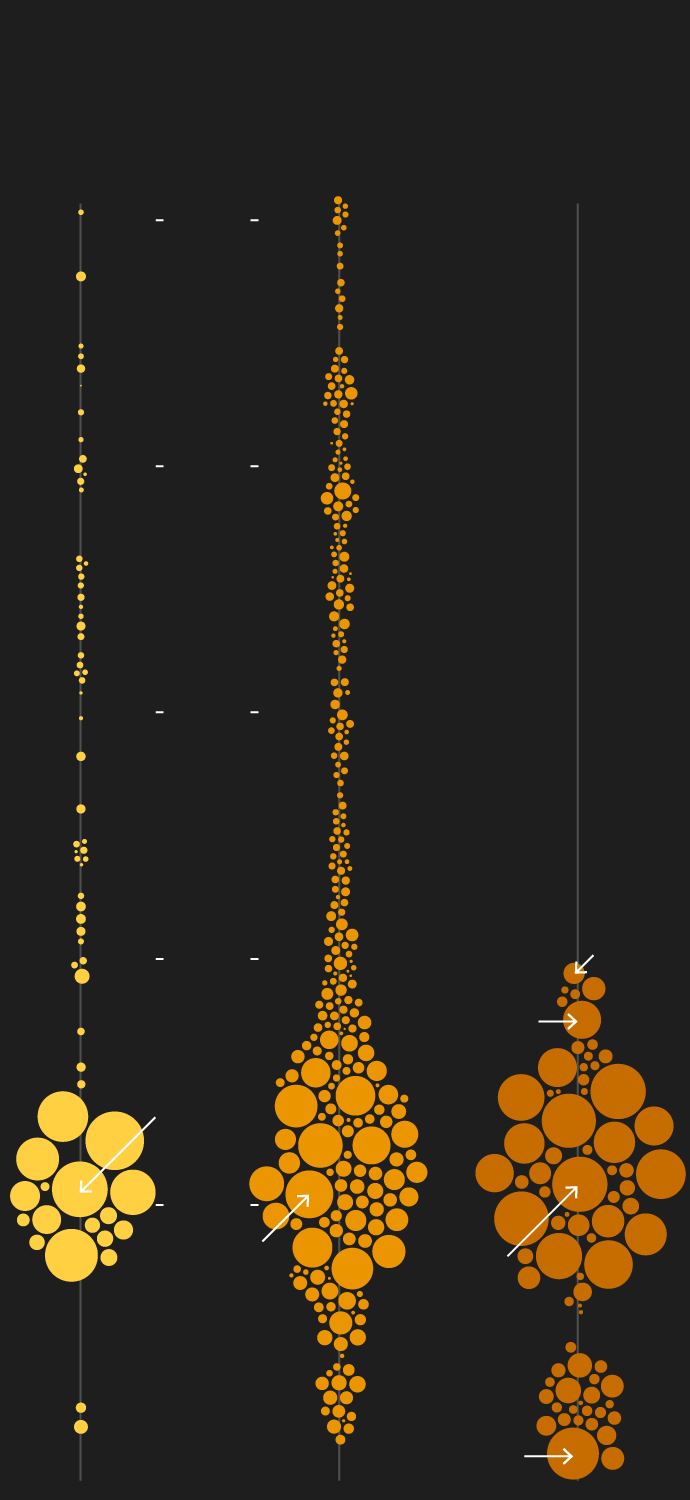
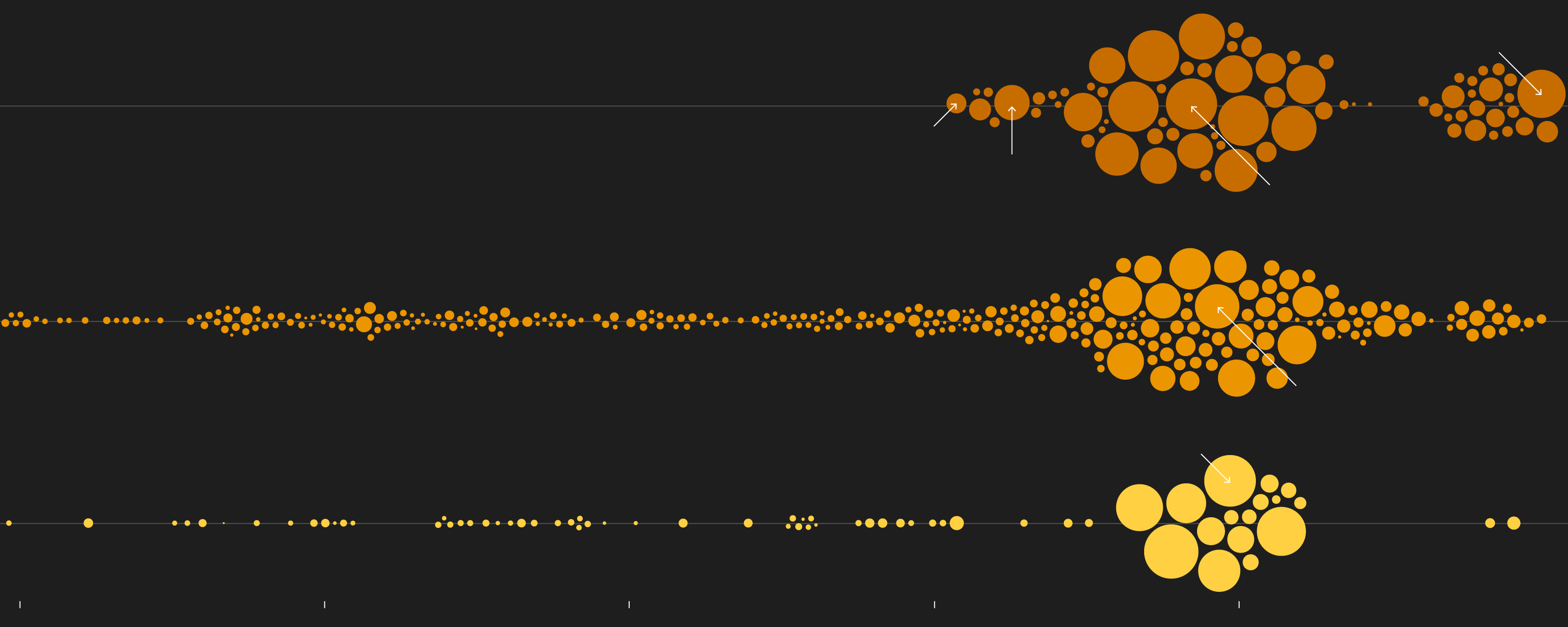
Uniper was one. Traders told the grid operator they were switching off one of the main generators at their Connah’s Quay power station in north Wales. But at the same time they were offering that supply back to the grid via the balancing mechanism at the price of more than £3,000 per megawatt-hour — five times higher than the wholesale price for the evening peak. Several other stations deployed the same maneuver.
Faced with the prospect of multiple generators withdrawing a staggering 2.6 gigawatts of power capacity, enough to supply a city the size of Birmingham, the system operator had to accept their offers. Uniper was paid £9.4 million, while SSE’s Medway and Seabank generators took home a combined £17.7 million. Vitol’s VPI received £12.6 million on the day.
Bigger Paydays
Early 2021
VPI purchases four
power plants, including
Rye House
£11.1M
Dec. 12, 2022
Vitol’s VPI
76
Days accepted using the maneuver
£1.7M
Feb. 10, 2021
£5.8M
April 12, 2021
£12.6M
Nov. 24, 2021
Uniper
294
Days accepted using the maneuver
£9.4M
Nov. 24, 2021
£12.9M
Nov. 24, 2021
Seabank
68
Days accepted using the maneuver
2018
2019
2020
2021
2022

Seabank
68
Days accepted
using the
maneuver
Uniper
294
Days accepted
using the
maneuver
Vitol’s VPI
76
Days accepted
using the
maneuver
2018
2019
2020
Early 2021
VPI purchases four
power plants, including
Rye House
£1.7M
Feb. 10, 2021
2021
£5.8M
April 12, 2021
2022
£9.4M
Nov. 24, 2021
£12.9M
Nov. 24, 2021
£12.6M
Nov. 24, 2021
£11.1M
Dec. 12, 2022
Seabank
68
Days accepted
using the
maneuver
Uniper
294
Days accepted
using the
maneuver
Vitol’s VPI
76
Days accepted
using the
maneuver
2018
2019
2020
Early 2021
VPI purchases four
power plants, including
Rye House
£1.7M
Feb. 10,
2021
2021
£5.8M
April 12, 2021
2022
£9.4M
Nov. 24,
2021
£12.9M
Nov. 24,
2021
£12.6M
Nov. 24,
2021
£11.1M
Dec. 12,
2022
Seabank
68
Days
accepted
using the
maneuver
Uniper
294
Days
accepted
using the
maneuver
Vitol’s VPI
76
Days
accepted
using the
maneuver
2018
2019
2020
Early 2021
VPI purchases
four power
plants, including
Rye House
£1.7M
Feb. 10,
2021
2021
£5.8M
April 12,
2021
2022
£9.4M
Nov. 24,
2021
£12.6M
Nov. 24,
2021
£12.9M
Nov. 24,
2021
£11.1M
Dec. 12,
2022
Seabank
68
Days
accepted
using the
maneuver
Uniper
294
Days
accepted
using the
maneuver
Vitol’s VPI
76
Days
accepted
using the
maneuver
2018
2019
2020
Early 2021
VPI purchases
four power
plants, incl.
Rye House
£1.7M
Feb. 10,
2021
2021
£5.8M
April 12,
2021
£12.9M
Nov. 24,
2021
2022
£9.4M
Nov. 24,
2021
£12.6M
Nov. 24,
2021
£11.1M
Dec. 12,
2022
Early 2021
VPI purchases four
power plants, including
Rye House
£11.1M
Dec. 12, 2022
Vitol’s VPI
76
Days accepted using the maneuver
£1.7M
Feb. 10, 2021
£5.8M
April 12, 2021
£12.6M
Nov. 24, 2021
Uniper
294
Days accepted using the maneuver
£9.4M
Nov. 24, 2021
£12.9M
Nov. 24, 2021
Seabank
68
Days accepted using the maneuver
2018
2019
2020
2021
2022
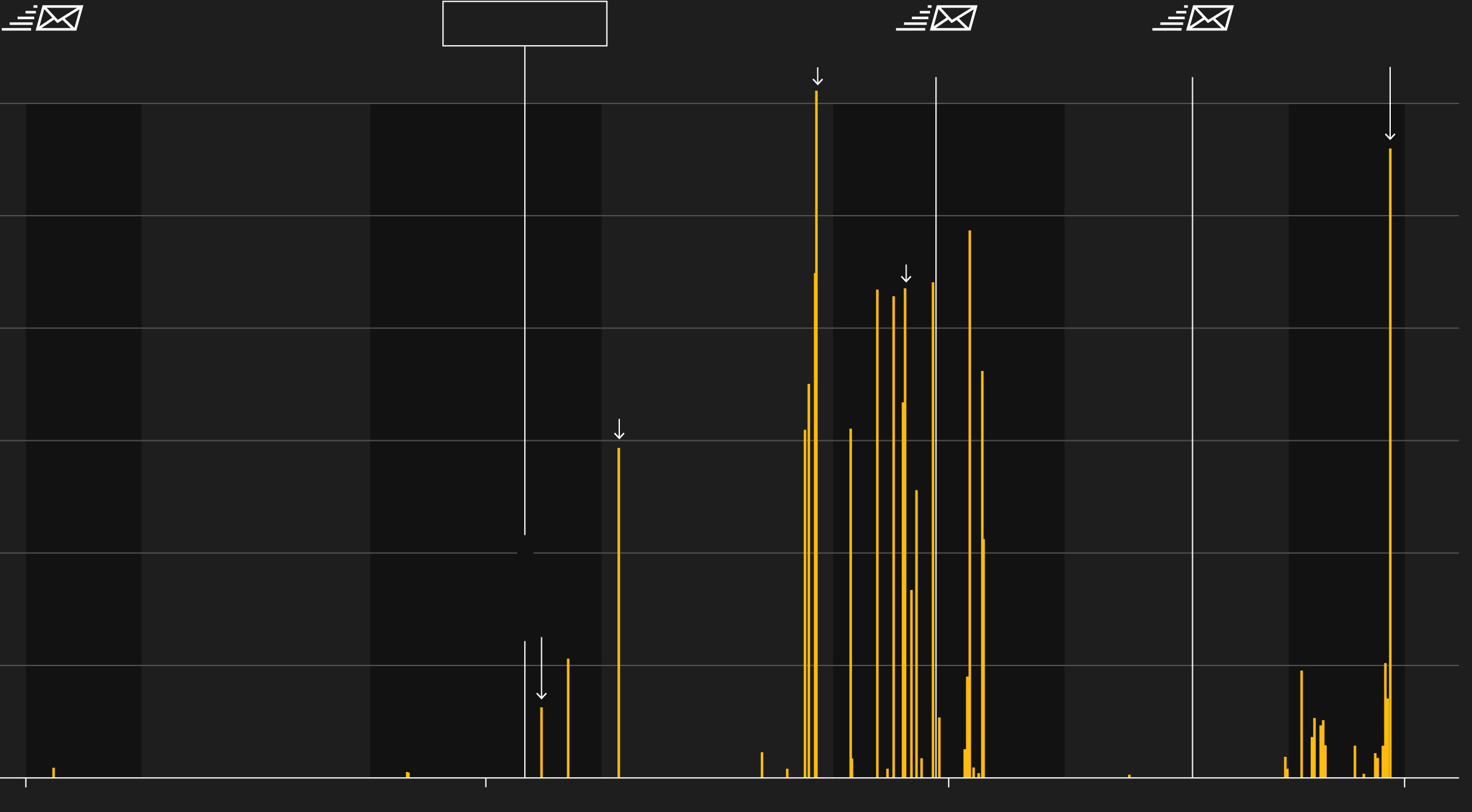
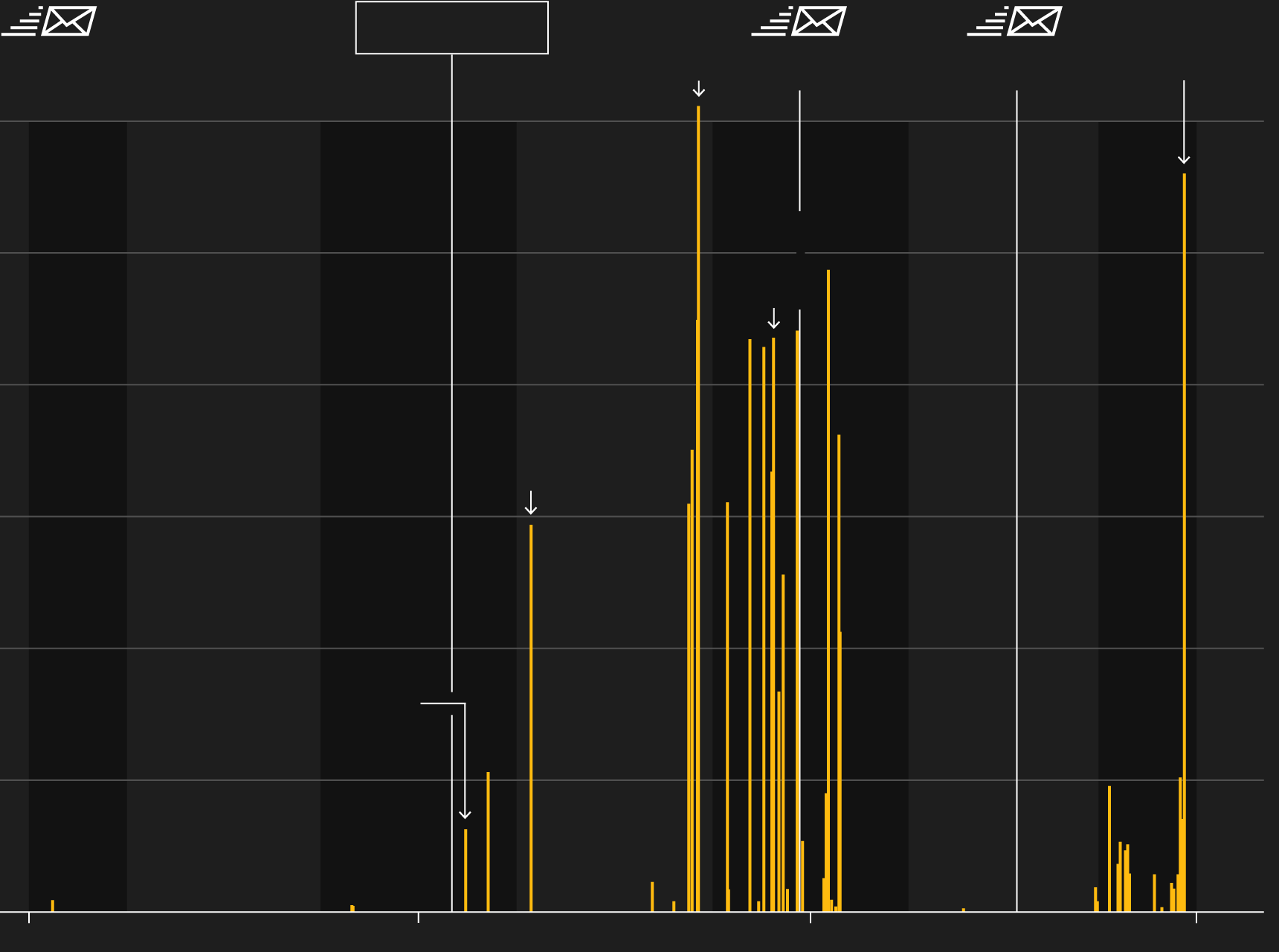
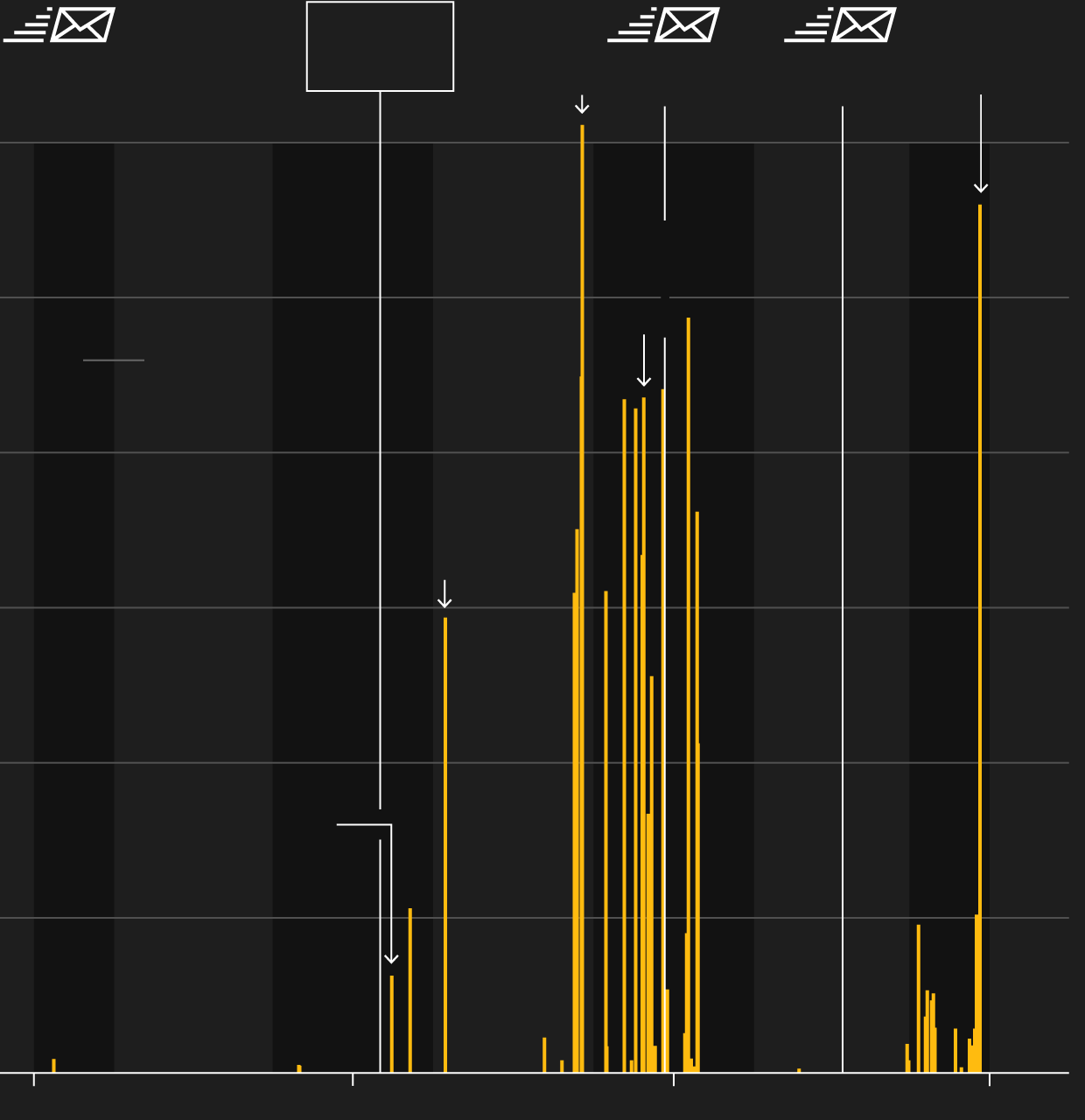
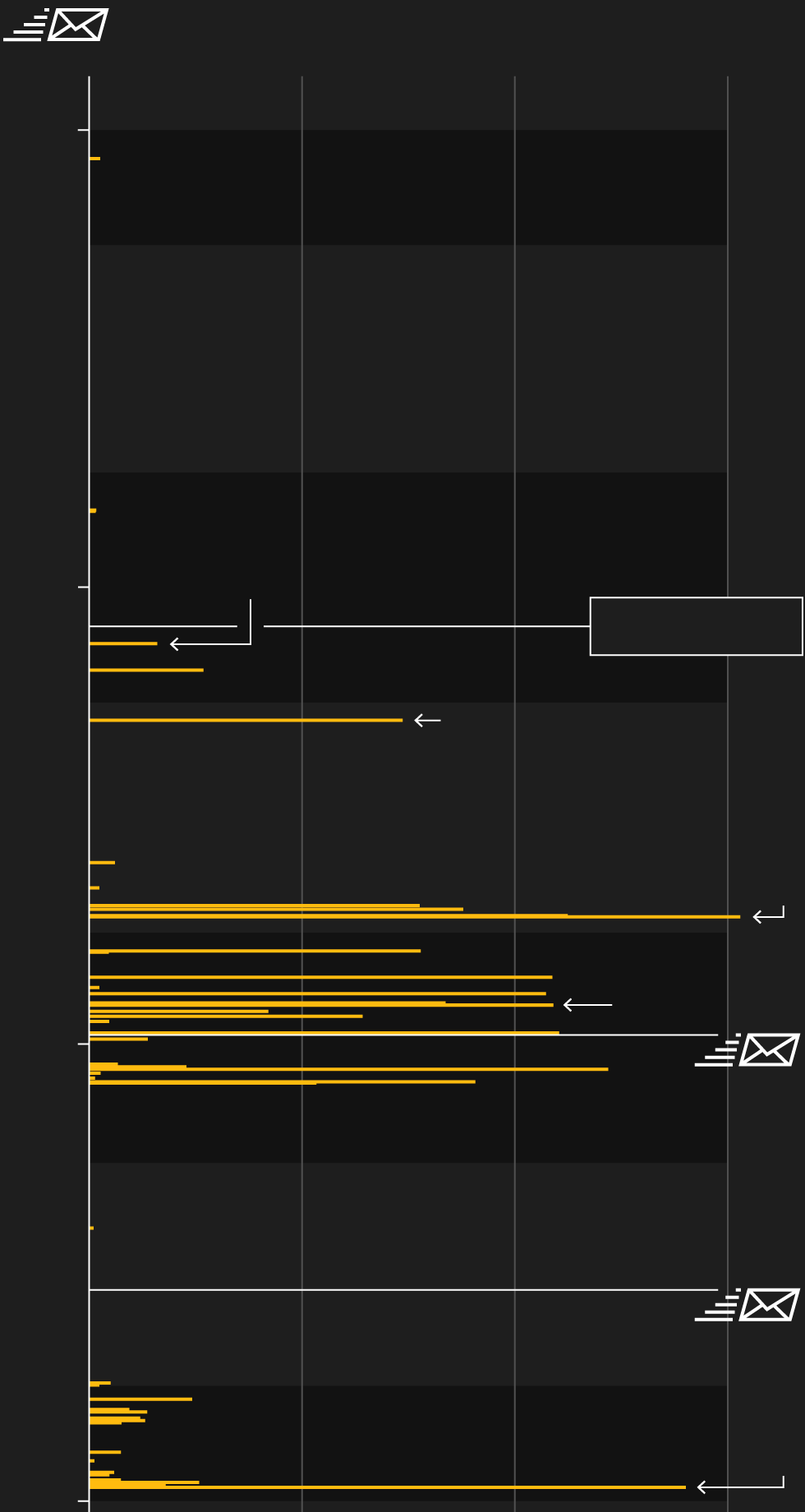
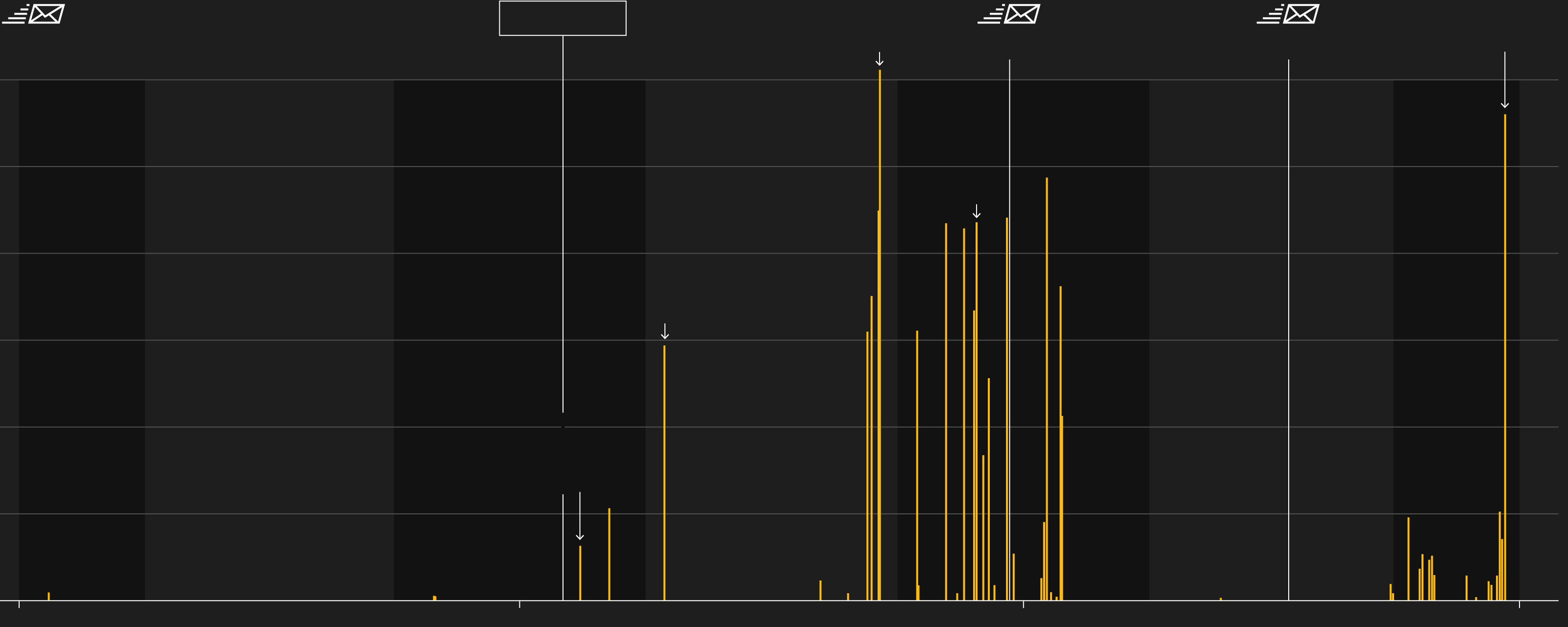
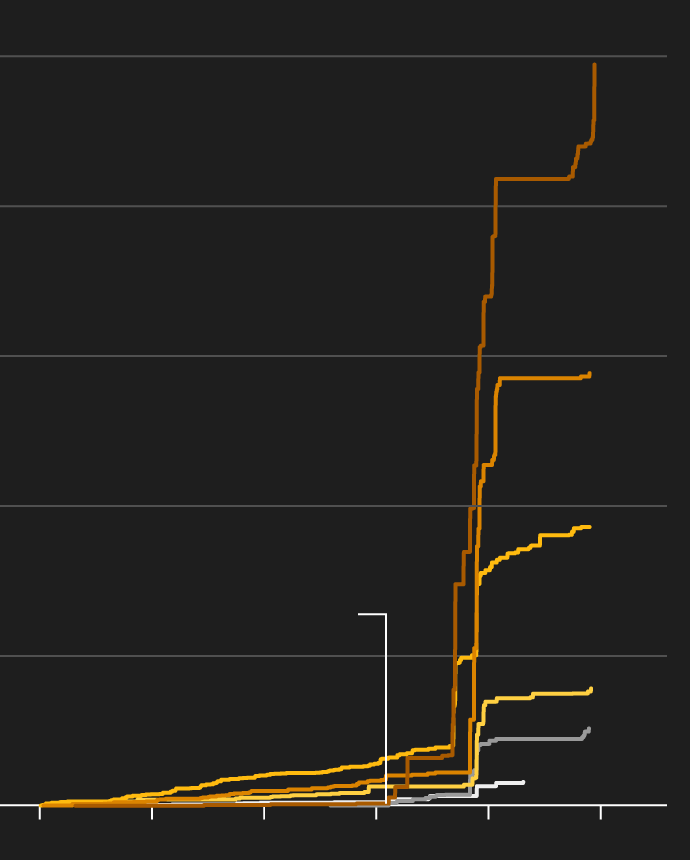
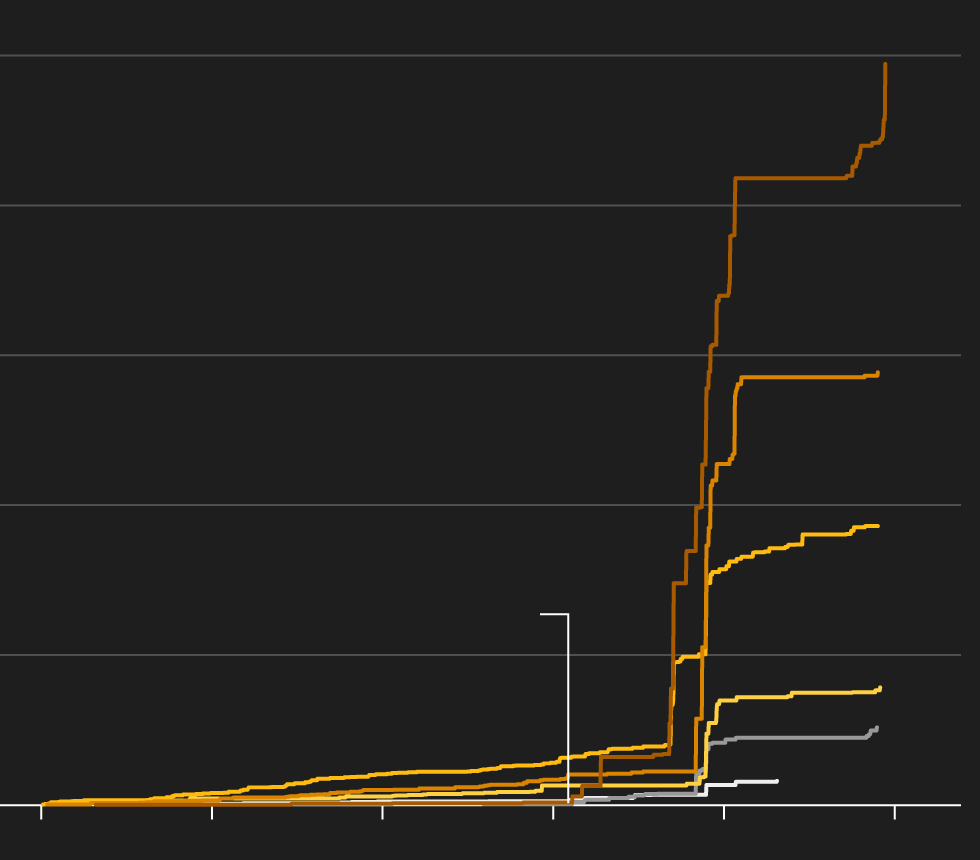
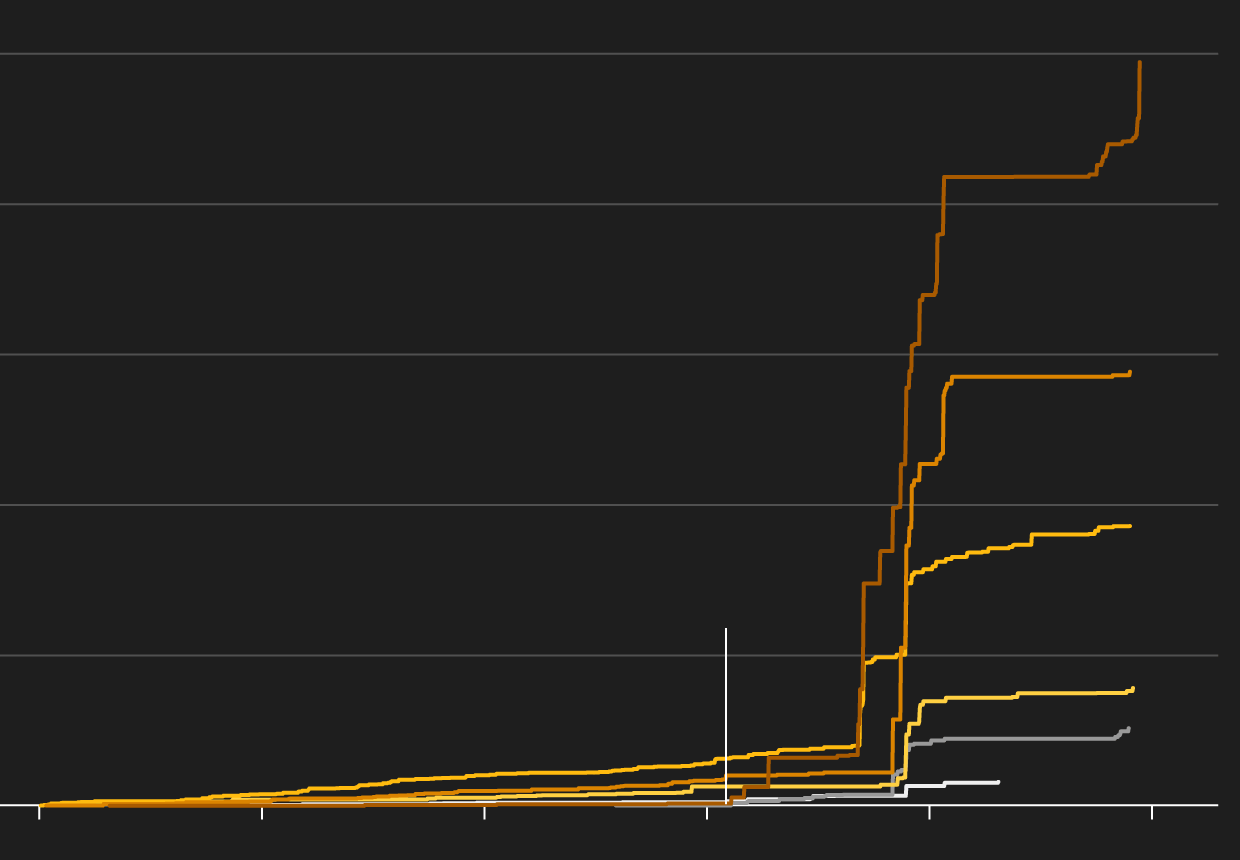
No power station has received more from the off-on maneuver in the past two years than VPI’s Rye House plant. Built in the early 1990s, it’s less efficient and more expensive to run than newer counterparts, so when there’s plenty of supply available, it is seldom called upon. But when the market is tight, Rye House is often one of the last stations available.

From 2019 through 2020, the station rarely used the off-on maneuver, and it never made more than £158,000 from it on a single day.
That changed when Vitol, a behemoth well-known for capitalizing on chaos in commodities markets around the world, bought Rye House via its VPI unit, just after gas prices had started rising precipitously.
On Feb. 10, 2021, only days after it completed the purchase, Vitol’s VPI traders deployed the off-on maneuver for the first time with Rye House — and got paid £1.2 million in a single day, according to Bloomberg’s analysis. Less than a month later, it received £2.1 million in a day. About a month after that, the firm did it yet again and collected £5.8 million.
Rye House Ramps Up
£11.1M
Dec. 12,
2022
£12.2M
Sept. 15,
2021
VPI PURCHASES
RYE HOUSE
Regulator letter
Dec. 20,
2021
July 15,
2022
£12M
£8.7M
Nov. 24,
2021
10
Winter
months
8
£5.8M
April 12,
2021
6
4
£1.2M
Feb. 10, 2021
Makes over £1M
in a single day
2
2020
2021
2022
2023
£12.2M
Sept. 15,
2021
£11.1M
Dec. 12,
2022
VPI PURCHASES
RYE HOUSE
Regulator letter
Dec. 20,
2021
July 15,
2022
£12M
£8.7M
Nov. 24,
2021
10
Winter
months
8
£5.8M
April 12,
2021
6
4
£1.2M
Feb. 10, 2021
Makes over £1M
in a single day
2
2020
2021
2022
2023
£12.2M
Sept. 15,
2021
£11.1M
Dec. 12,
2022
VPI
PURCHASES
RYE HOUSE
Dec. 20,
2021
July 15,
2022
Regulator
letter
£12M
£8.7M
Nov. 24,
2021
10
Winter
months
8
£5.8M
April 12,
2021
6
4
£1.2M
Feb. 10, 2021
Makes over £1M
in a single day
2
2020
2021
2022
2023
Regulator letter
4
8
£12M
2020
Winter
months
£1.2M
Feb. 10, 2021
Makes over £1M
in a single day
2021
VPI PURCHASES
RYE HOUSE
£5.8M
April 12,
2021
£12.2M
Sept. 15,
2021
£8.7M
Nov. 24,
2021
2022
Dec. 20,
2021
July 15,
2022
£11.1M
Dec. 12,
2022
2023

Regulator letter
4
8
£12M
2020
Winter
months
£1.2M
Feb. 10, 2021
Makes over £1M
in a single day
2021
VPI
PURCHASES
RYE HOUSE
£5.8M
April 12,
2021
£12.2M
Sept. 15,
2021
£8.7M
Nov. 24,
2021
2022
Dec. 20,
2021
July 15,
2022
£11.1M
Dec. 12,
2022
2023
£11.1M
Dec. 12,
2022
£12.2M
Sept. 15,
2021
VPI PURCHASES
RYE HOUSE
Regulator letter
Dec. 20,
2021
July 15,
2022
£12M
£8.7M
Nov. 24,
2021
10
Winter
months
8
£5.8M
April 12,
2021
6
4
£1.2M
Feb. 10, 2021
Makes over £1M
in a single day
2
2020
2021
2022
2023
A former trader at one of Europe’s biggest energy suppliers described trading in the balancing mechanism as a game of cat and mouse with the regulator. Traders are incentivized to make as much money as possible while keeping on the right side of the law, and it’s naïve to expect them to behave differently, he said.
Plants’ Pay
- Rye House
- Seabank
- Connah’s Quay
- Medway
- Shoreham
- Rocksavage
£150M
120
90
60
VPI purchases
Rye House
30
2018
2019
2020
2021
2022
2023
£150M
120
90
60
VPI purchases
Rye House
30
2018
2019
2020
2021
2022
2023
£150M
120
90
60
VPI purchases
Rye House
30
2018
2019
2020
2021
2022
2023
Consumer advocates offer a different perspective. “In the middle of a cost-of-living crisis, it’s totally unacceptable for the companies that generate our electricity to be making excess profits,” said Gillian Cooper, the head of energy policy at Citizens Advice. “The regulator has to ensure there is a fair system, so households aren’t left to pick up yet another bill.”
Back in Kent, Shereen Townsend doesn’t know how she is going to afford her monthly energy costs, which almost doubled to £158 in December.
She has cut back on food spending. She bought much of her son’s school uniform secondhand. But it’s not enough.
“I’ve had to say ‘no’ a lot more to my son, which can be really hard,” she said.
Townsend said she is considering taking on more private tutoring work to supplement her income, which is barely above the minimum wage of £9.50 an hour. Some of her colleagues work in grocery chain Sainsbury’s Plc before the school day starts to make extra cash, she said.
“The energy companies are getting away with blue murder,” she said. “And we’re the ones who are going to suffer for that. It feels like we’re easy pickings.”