Texas Moved to Protect its Fragile Grid. Then Prices Skyrocketed
On the afternoon of June 20, demand for electricity climbed as temperatures across Texas hovered around triple digits. To run smoothly in such moments the grid typically relies on power plants like Lamar, a gas-fired station northeast of Dallas that offers some of the state’s cheapest and most efficient electricity.
But Lamar held back some of its supply. So did more than 50 other gas and coal units. Each throttled just a small portion of their capacity, but the cumulative effect made it look like there was serious strain on the grid. Within an hour, prices more than quadrupled to $4,500 per megawatt hour.
The Electric Reliability Council of Texas, or Ercot as the state’s grid operator is known, had explicitly arranged for that supply to go missing from the market. In fact, it was paying power companies tens of thousands of dollars to do it.
Read more from Power Plays, a series about the ways consumers lose on energy bills
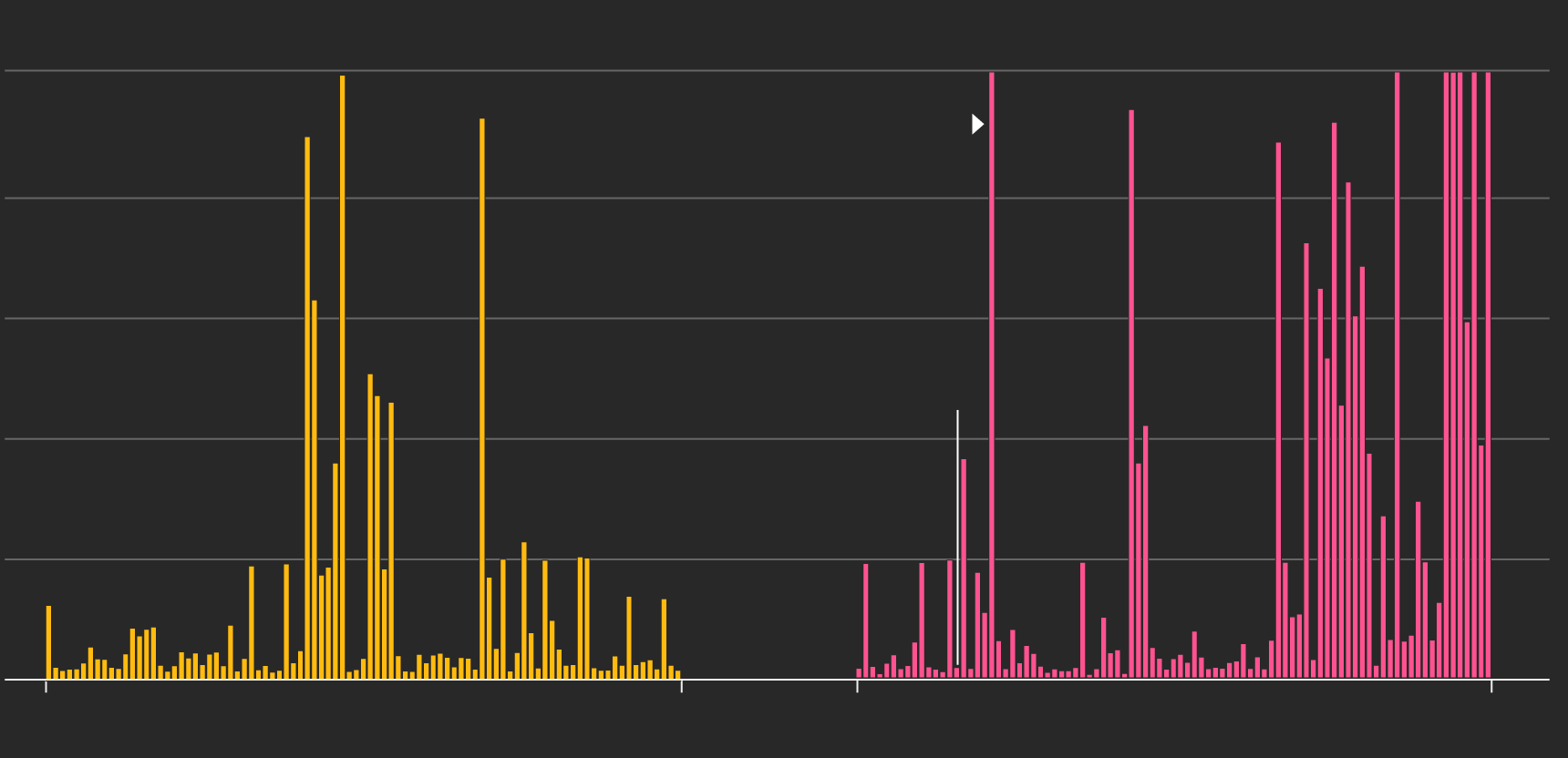
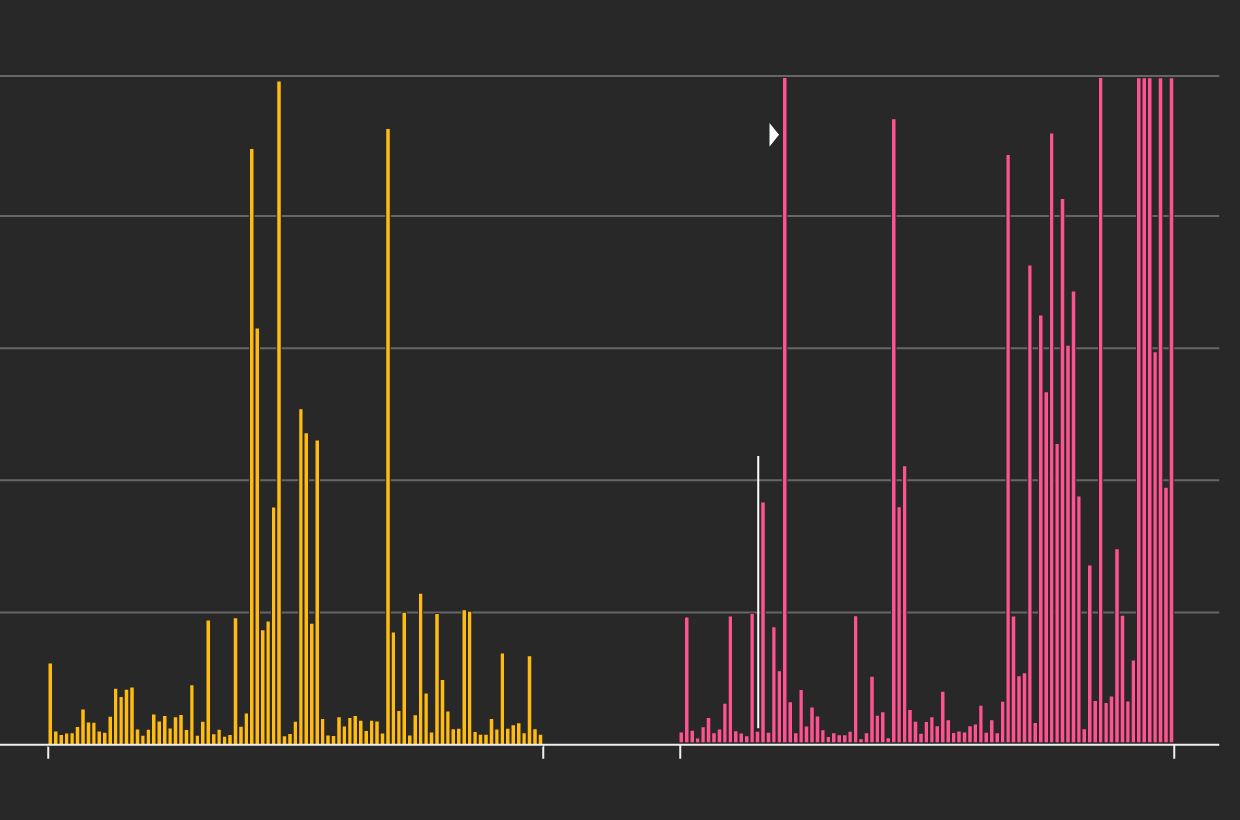
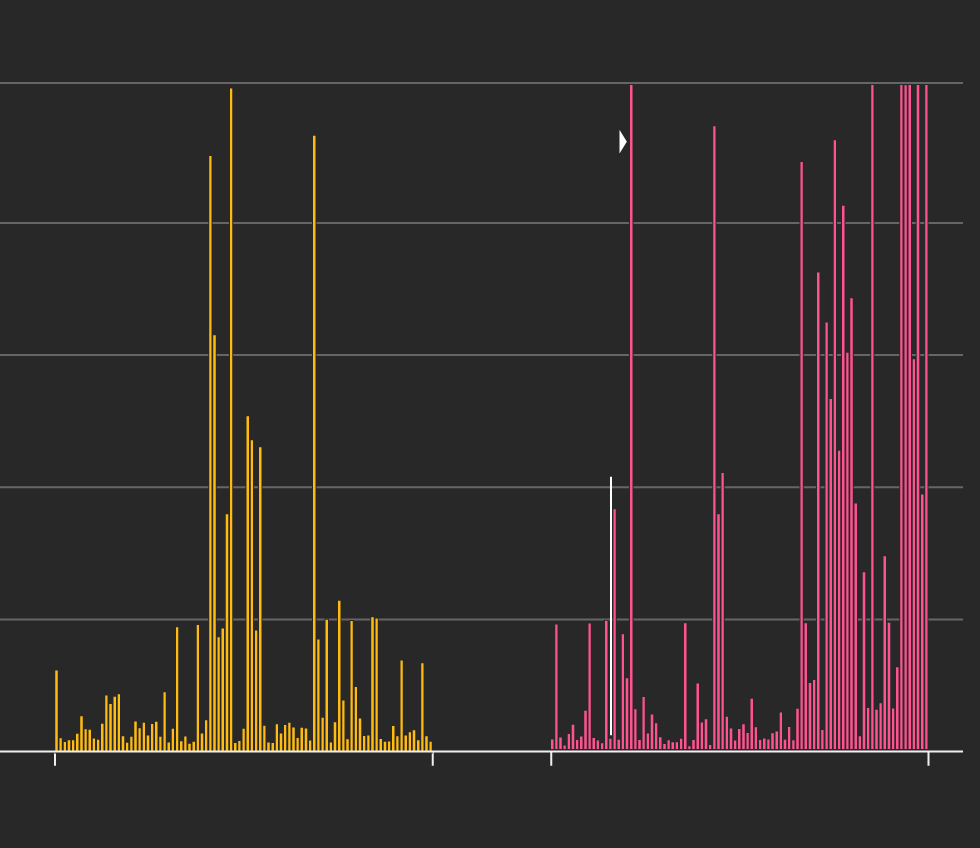
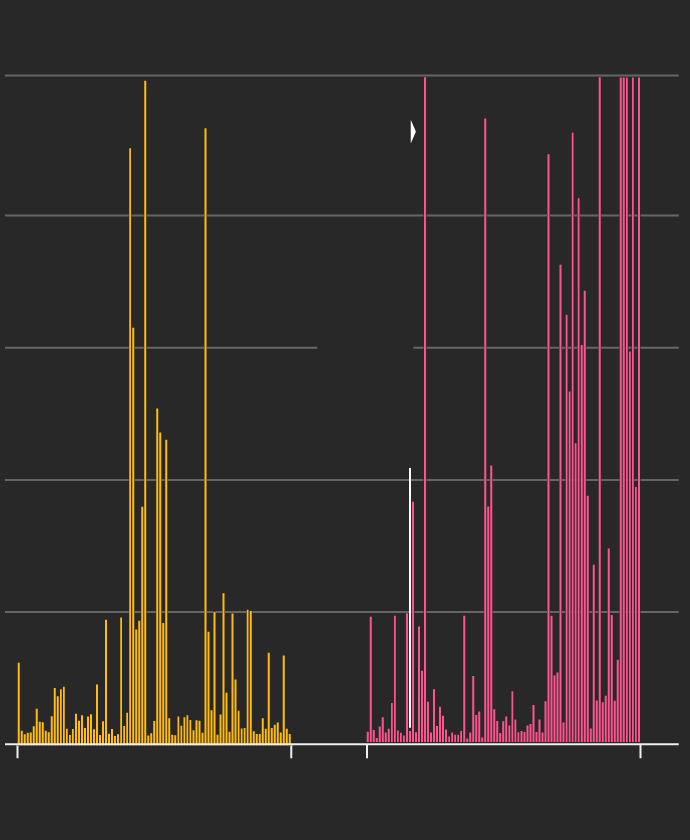
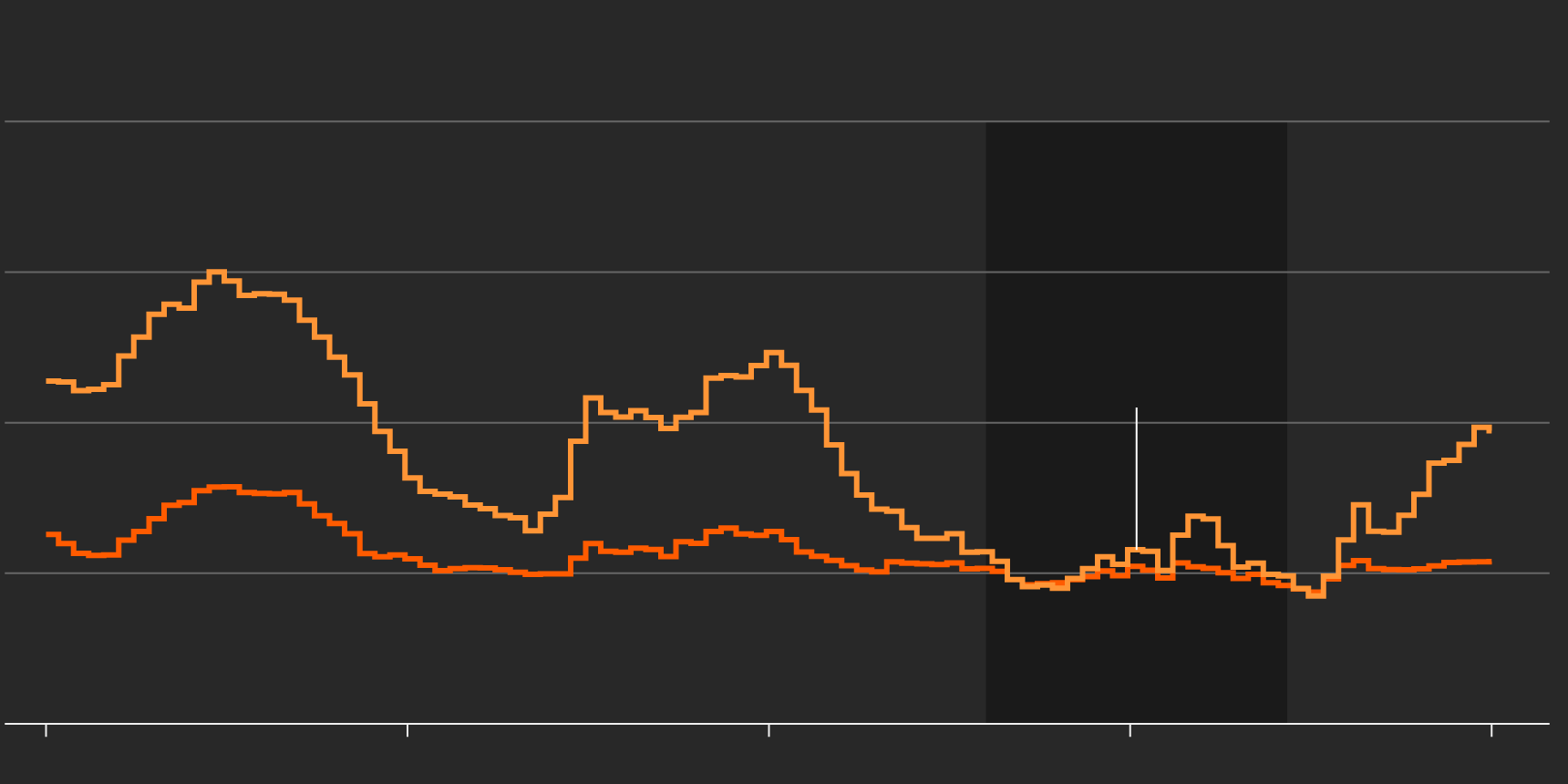
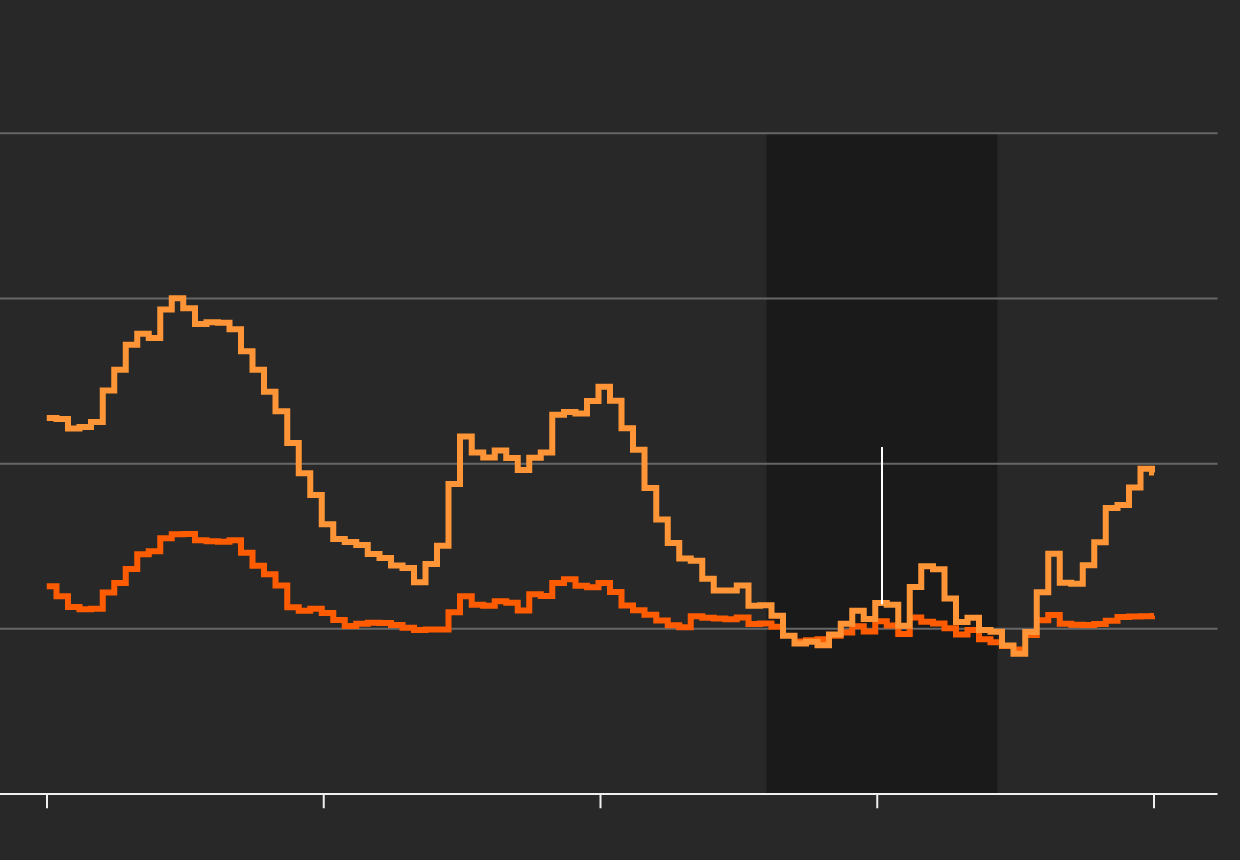
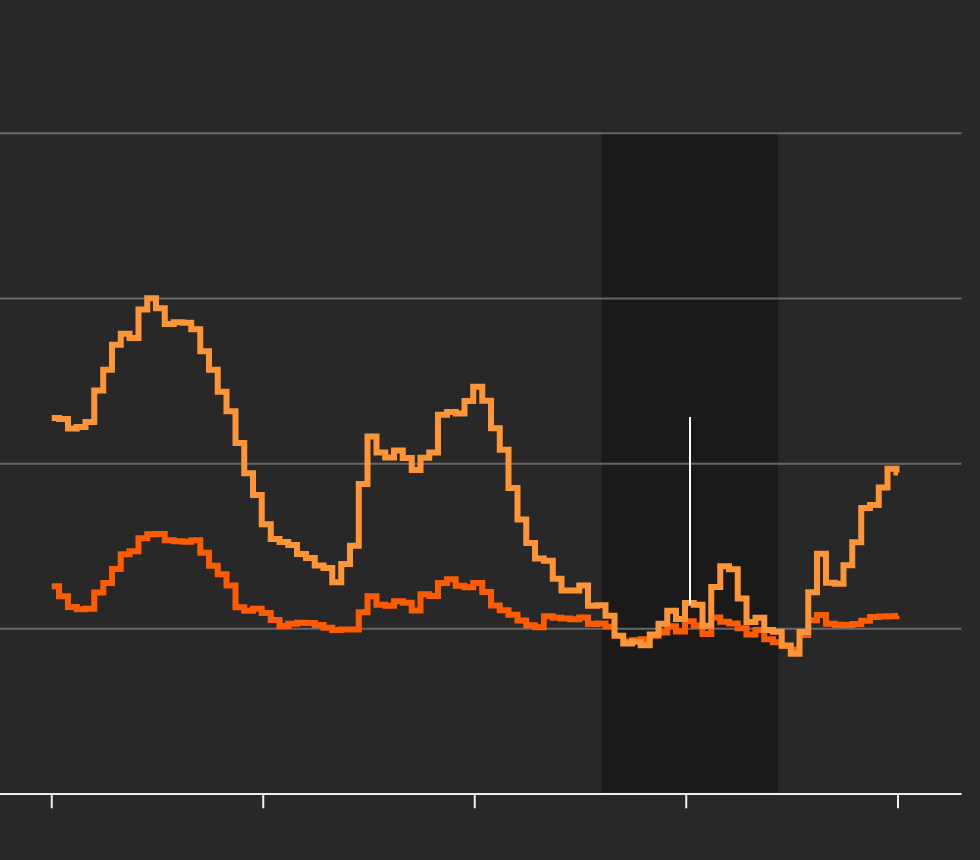
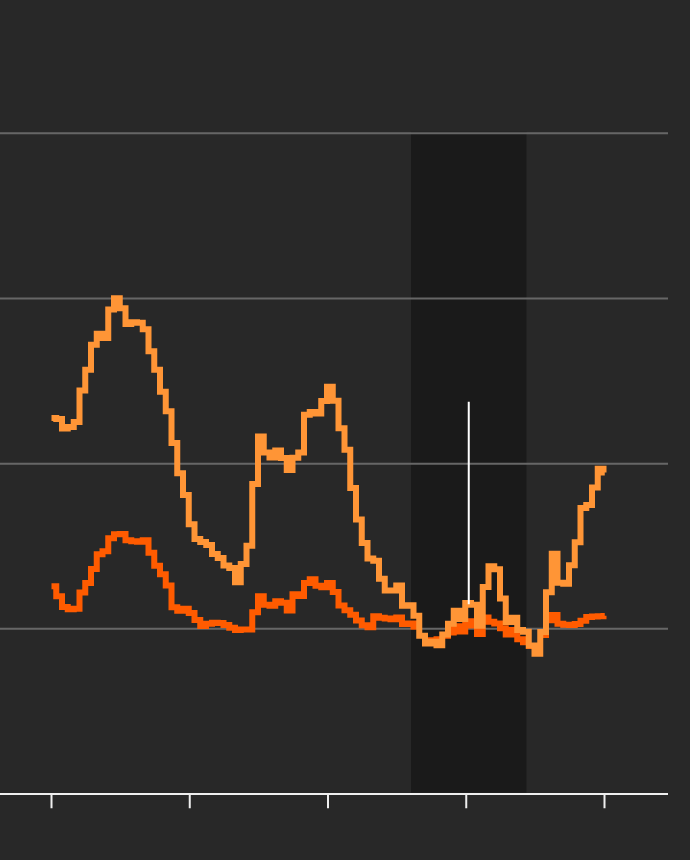
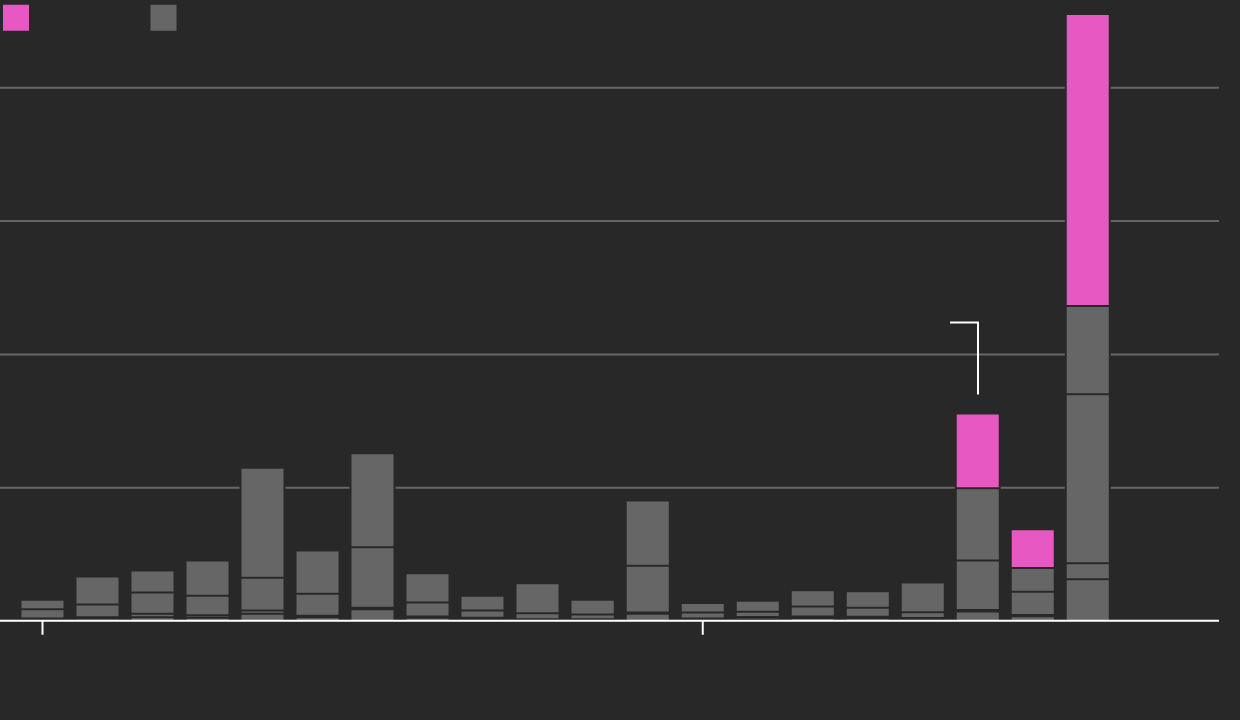
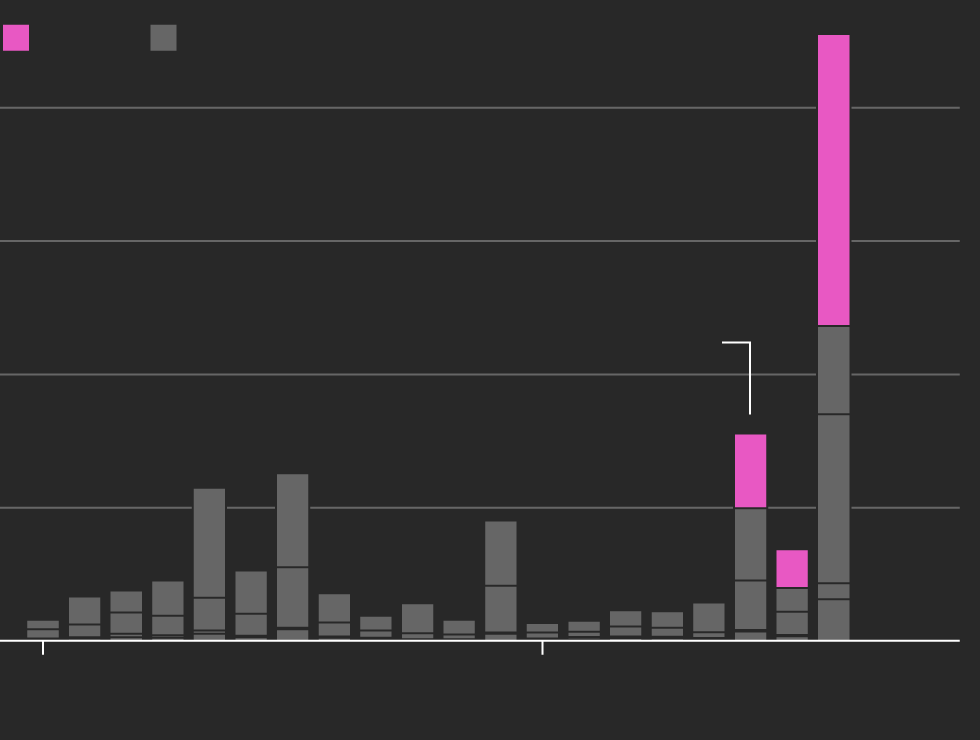
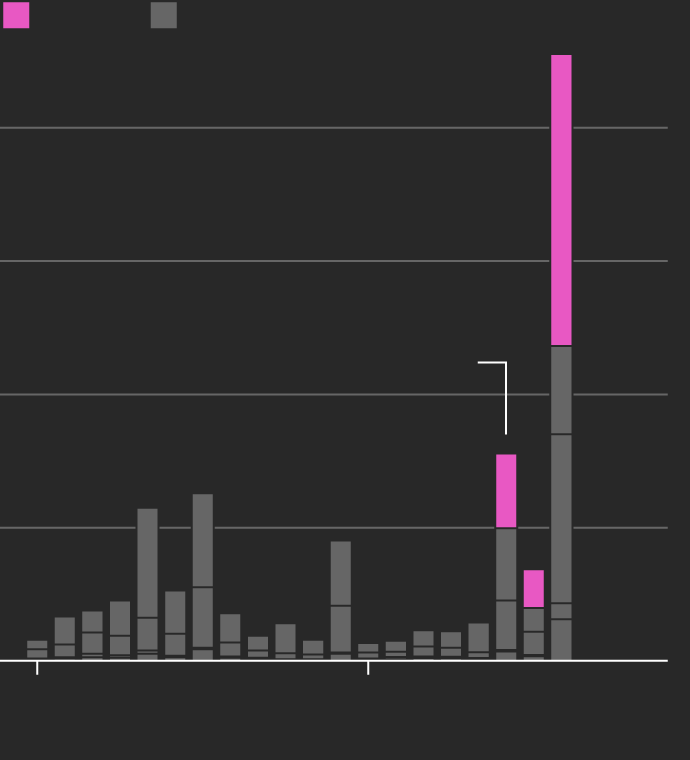
This was all part of a new product Ercot had unveiled just days earlier. Called the Ercot Contingency Reserve Service, its purpose is to provide insurance against another grid disaster like the one that ravaged Texas during Winter Storm Uri in 2021. But on June 20, it also meant that 2,000 megawatts of cheap, otherwise-available supply went offline. That unintentionally created an artificial shortage, driving prices to among the highest levels since Uri, according to a Bloomberg News analysis of thousands of market records and interviews with two dozen market participants and Texas grid experts.
Summer Price Spikes
PRICE (PER MWh)
$5K
Prices reached
$5,000/MWh ceiling
on June 20, 2023
4
3
Ercot introduced ECRS on June 10, 2023
2
1
June 1
Aug 30
June 1
Aug 30
2022
2023
PRICE (PER MWh)
$5K
Prices reached
$5,000/MWh ceiling
on June 20, 2023
4
3
Ercot introduced ECRS on June 10, 2023
2
1
June 1
Aug 30
June 1
Aug 30
2022
2023
PRICE (PER MWh)
$5K
Prices reached
$5,000/MWh ceiling
on June 20, 2023
4
3
Ercot introduced ECRS on June 10, 2023
2
1
June 1
Aug 30
June 1
Aug 30
2022
2023
PRICE (PER MWh)
$5K
Prices reached $5,000/MWh
ceiling on June 20, 2023
4
3
Ercot introduced ECRS on June 10, 2023
2
1
June 1
Aug 30
June 1
Aug 30
2022
2023
Since that day in June, Ercot has kept more than 2,500 megawatts offline through ECRS during peak hours each day — and dramatic price spikes have been common. Due to lags in when data becomes public, it is not yet clear how many days have featured the same dynamic as June 20, when the vast majority of the capacity held back on ECRS could have provided power for much cheaper than the artificially elevated prices at the time.
Through August, Ercot has paid generators $608 million to be on standby in ECRS. That’s the direct cost to consumers. But on Friday, Ercot’s independent market monitor published an analysis that said the indirect cost will be much higher. ECRS likely raised real-time power costs by about $8 billion in just three months by creating an artificial scarcity of supply, the report said. “Additional costs continue to accumulate, notably in early September,” it added.
In Texas, jumps in real-time market prices aren’t immediately felt by customers. But power traders, generators, retail electricity providers and other Texas power experts say those increased costs will eventually make their way to Texans. “These things definitely ultimately funnel to customers,” said Jaden Crawford, head of regulatory affairs at electricity retail provider David Energy.
Ercot told Bloomberg that it “does not comment on specific operations,” but said that ECRS is part of its efforts to find “the most effective way” to meet both electricity demand and grid reliability in Texas. The Texas Public Utility Commission, which oversees Ercot, said ECRS “has been key in ensuring reliability this summer through extreme heat and multiple instances of record-setting demand.”
Bloomberg News is examining energy markets in Texas and elsewhere. Got a tip or a story to share? Get in touch with us at powerpricing@bloomberg.net
On a typical day there is more than enough electricity supply to meet demand in Texas. But if something goes awry — widespread air-conditioner use jumps more than expected due to stifling heat, for instance, or a plant goes offline with maintenance problems — then it is Ercot’s job to ensure everybody gets the power they need, an especially important role given the Texas grid is almost entirely isolated from other states. During Uri, there wasn’t nearly enough supply available after multiple plants shut down. Ercot had to trigger rolling blackouts in a winter storm that resulted in hundreds of deaths.
Officials rolled out ECRS on June 10 as a way to improve resilience, the first so-called ancillary service to be introduced in Texas in more than 20 years. “ECRS will support grid reliability and mitigate real-time operational issues to keep supply and demand balanced,” Ercot said in a news release at the time. Through it, Ercot pays power generators to hold back some of their supply in reserve, to be ready to deploy at 10 minutes’ notice and stay online for two hours.
But that created an unintended consequence. The real-time power market, which determines the price of electricity, treats that supply as unavailable, giving the impression that grid conditions are much tighter than they actually are. This causes prices to spike — sometimes dramatically.
Bloomberg analyzed Ercot’s Physical Responsive Capacity (PRC), which measures the amount of spare power supplies available and therefore serves as a good measure of actual grid health, and the Security Constrained Economic Dispatch (SCED), which is the amount of power available in the real-time market. The data was available via Arcus Power’s Nrgstream market service.
On a normal day, both SCED and PRC stay at secure levels. That’s how they looked on the same day a year earlier, before the introduction of ECRS.
June 20, 2022
GRID CAPACITY (MW)
16K
Peak
demand
12
Available capacity and spare supply stayed at a stable level during peak time
SCED
8
PRC
4
00:00
06:00
12:00
18:00
24:00
June 20, 2022
GRID CAPACITY (MW)
16K
Peak
demand
12
Available capacity and spare supply stayed at a stable level during peak time
SCED
8
PRC
4
00:00
06:00
12:00
18:00
24:00
June 20, 2022
GRID CAPACITY (MW)
16K
Peak
demand
12
Available capacity and spare supply stayed at a stable level during peak time
SCED
8
PRC
4
00:00
06:00
12:00
18:00
24:00
June 20, 2022
GRID CAPACITY (MW)
16K
Peak
demand
12
Available capacity and spare supply stayed at a stable level during peak time
SCED
8
PRC
4
00:00
06:00
12:00
18:00
24:00
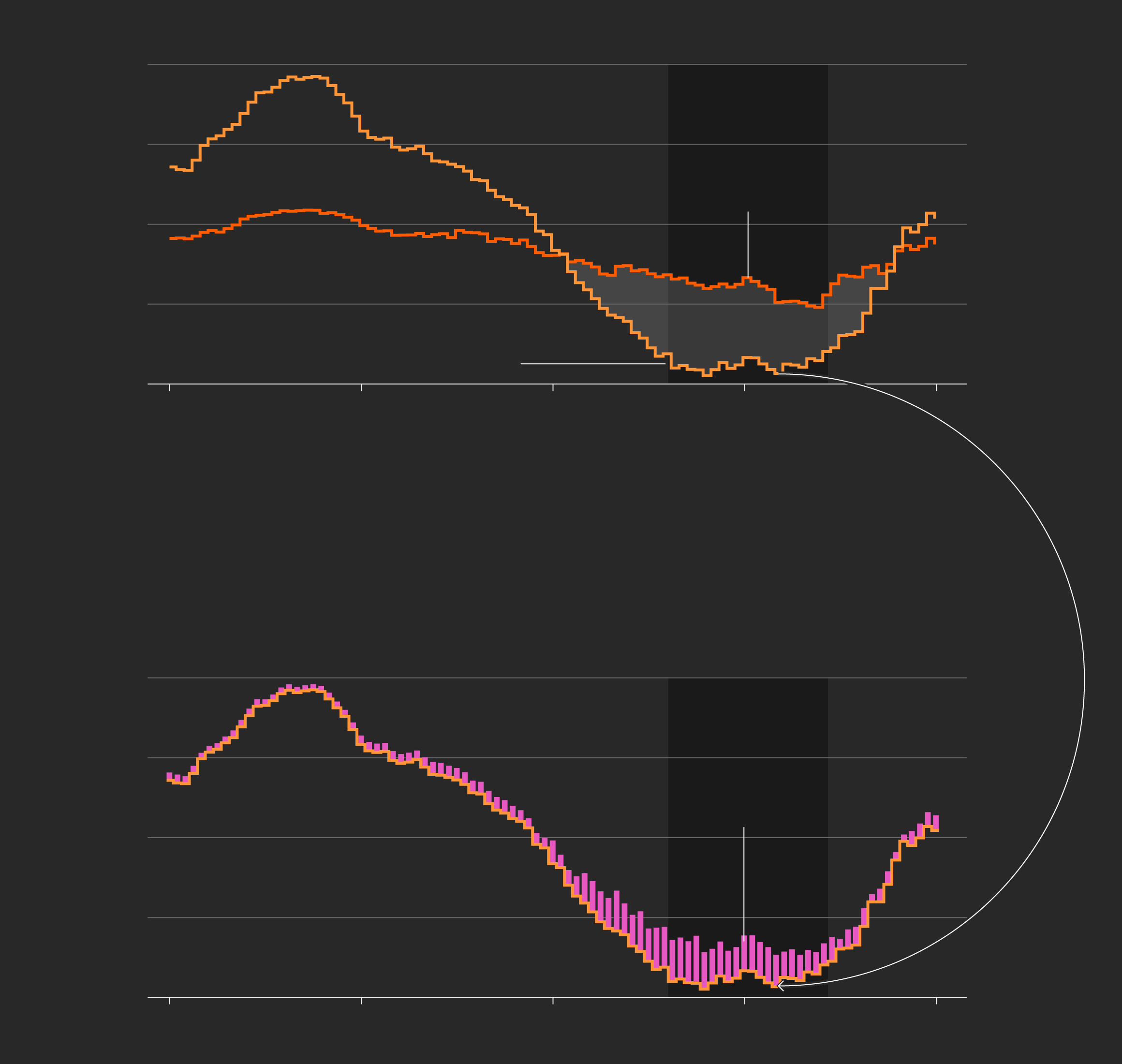
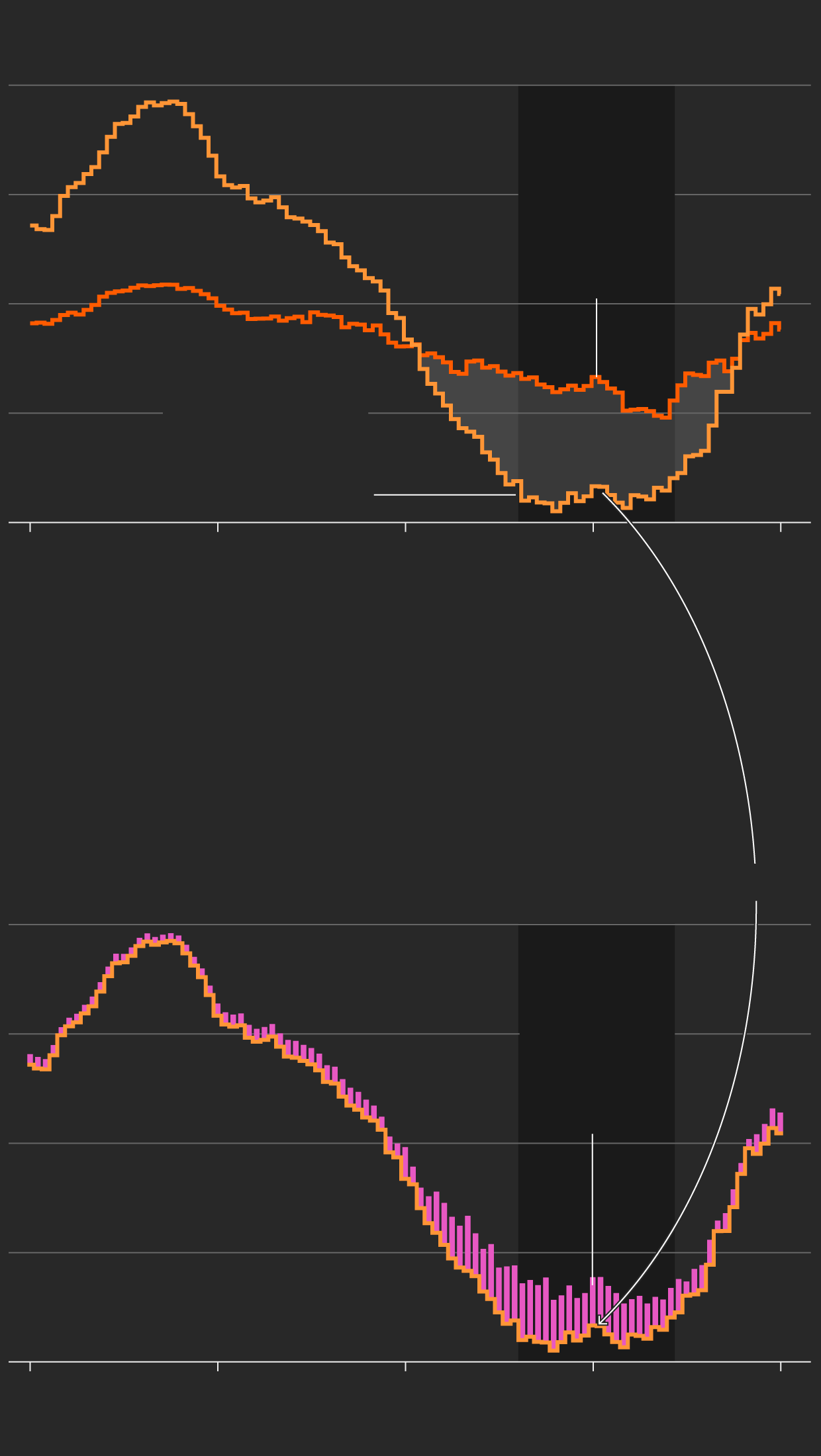
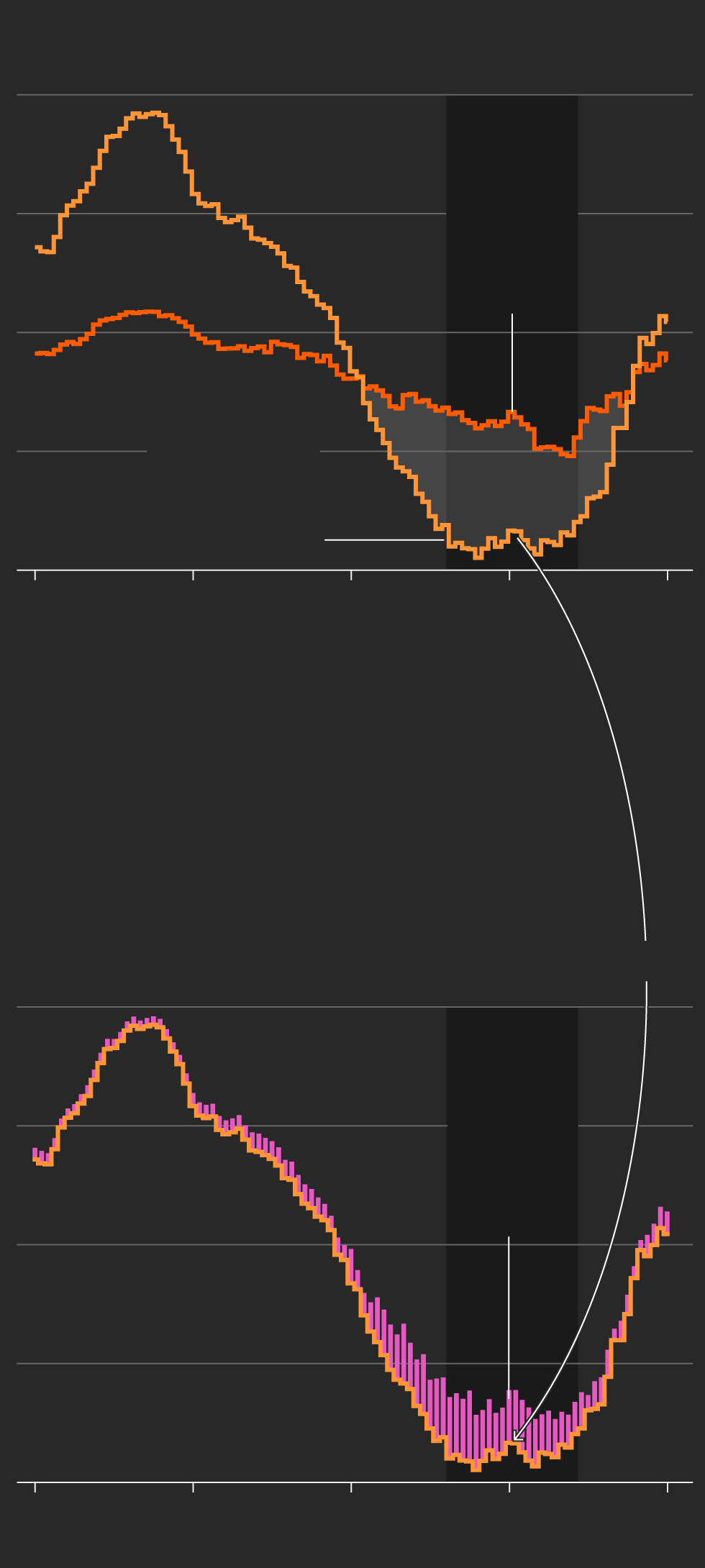
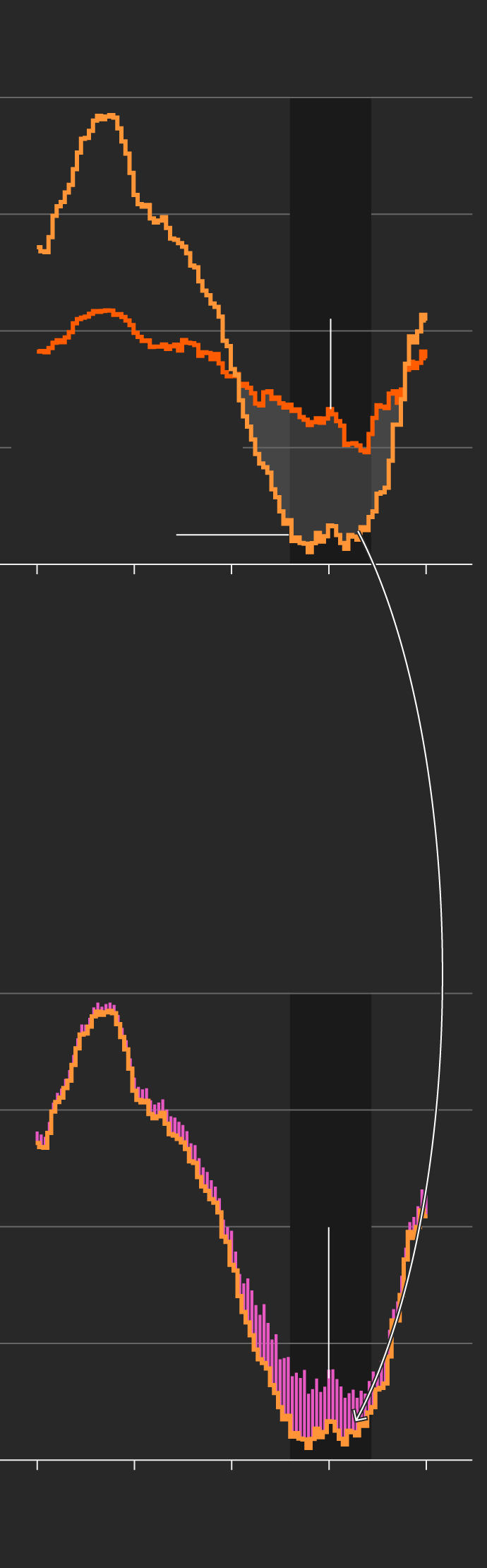
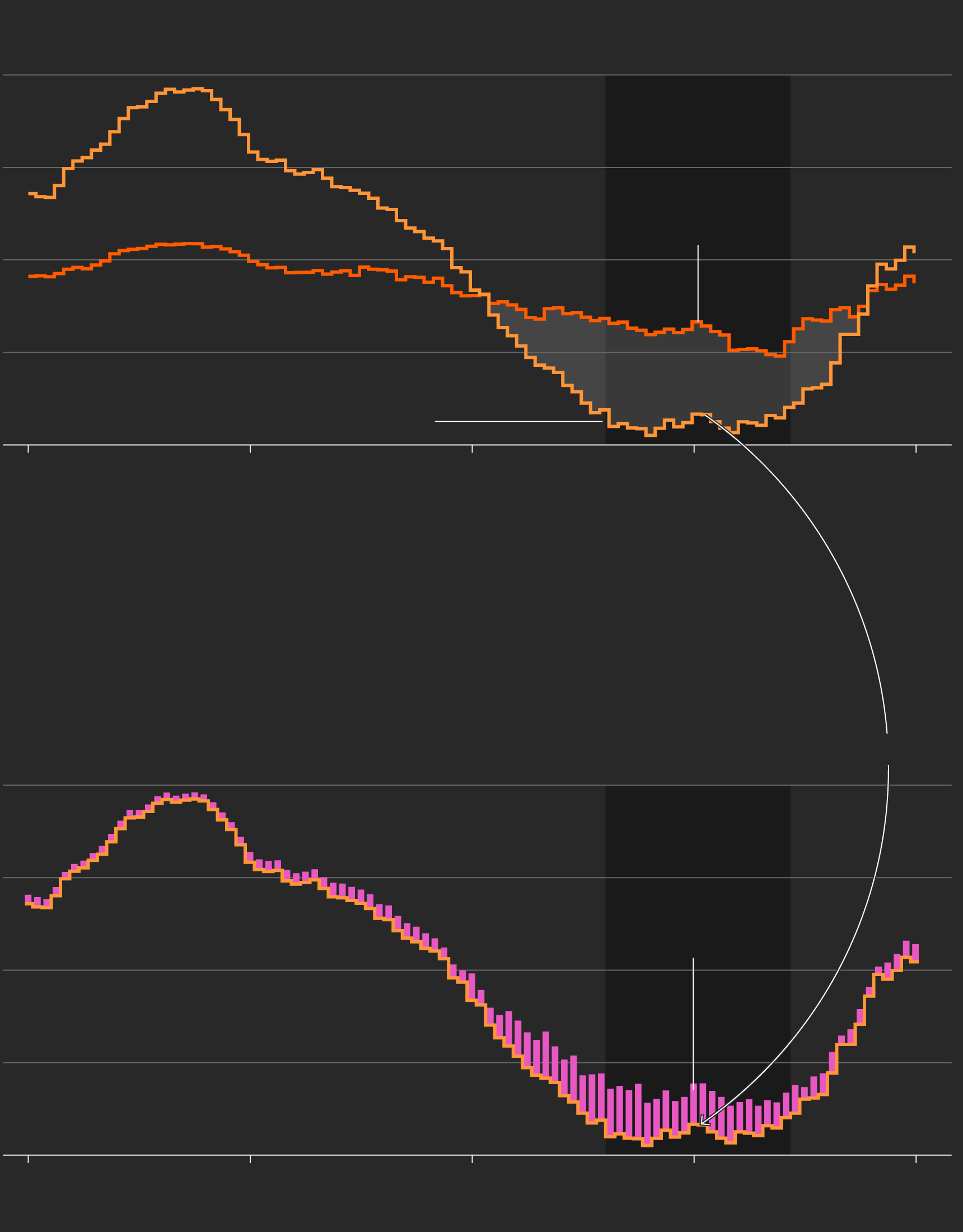
This year, under ECRS, looked a lot different. Actual supply on June 20 remained ample, but the amount available in the market dipped to what looked like a dangerous low.
June 20, 2023
GRID CAPACITY (MW)
16K
Peak
demand
12
The spare supply remained at a normal level, meaning the grid was not in danger
SCED
8
PRC
4
The available capacity dropped to low levels, giving the impression that the grid was under pressure
00:00
06:00
12:00
18:00
24:00
Inexpensive energy held in reserve for ECRS led to less energy available on SCED, which created the gap.
June 20, 2023
GRID CAPACITY (MW)
16K
Peak
demand
12
The cheap energy held back by ECRS could have made the SCED level higher
8
4
00:00
06:00
12:00
18:00
24:00
Note: Cheap energy is defined as below the real-time market price.
June 20, 2023
GRID CAPACITY (MW)
16K
Peak
demand
12
The spare supply remained at a normal level, meaning the grid was not in danger
SCED
8
PRC
4
The available capacity dropped to low levels, giving the impression that the grid was under pressure
00:00
06:00
12:00
18:00
24:00
Inexpensive energy held in reserve for ECRS led to less energy available on SCED, which created the gap.
June 20, 2023
GRID CAPACITY (MW)
16K
Peak
demand
12
The cheap energy held back by ECRS could have made the SCED level higher
8
4
00:00
06:00
12:00
18:00
24:00
Note: Cheap energy is defined as below the real-time market price.
June 20, 2023
GRID CAPACITY (MW)
16K
Peak
demand
12
The spare supply remained at a normal level, meaning the grid was not in danger
SCED
8
PRC
The available capacity dropped to low levels, giving the impression that the grid was under pressure
4
00:00
06:00
12:00
18:00
24:00
Inexpensive energy held in reserve for ECRS led to less energy available on SCED, which created the gap.
June 20, 2023
GRID CAPACITY (MW)
16K
Peak
demand
12
The cheap energy held back by ECRS could have made the SCED level higher
8
4
00:00
06:00
12:00
18:00
24:00
Note: Cheap energy is defined as below the real-time market price.
June 20, 2023
GRID CAPACITY (MW)
16K
Peak
demand
12
The spare supply remained at a normal level, meaning the grid was not in danger
SCED
8
PRC
4
The available capacity dropped to low levels, giving the impression that the grid was under pressure
00:00
06:00
12:00
18:00
24:00
Inexpensive energy held in reserve for ECRS led to less energy available on SCED, which created the gap.
June 20, 2023
GRID CAPACITY (MW)
16K
Peak
demand
12
The cheap energy held back by ECRS could have made the SCED level higher
8
4
00:00
06:00
12:00
18:00
24:00
Note: Cheap energy is defined as below the real-time market price.
June 20, 2023
GRID CAPACITY (MW)
16K
Peak
demand
12
The spare supply remained at a normal level, meaning the grid was not in danger
SCED
8
PRC
4
The available capacity dropped to low levels, giving the impression that the grid was under pressure
00:00
06:00
12:00
18:00
24:00
Inexpensive energy held in reserve for ECRS led to less energy available on SCED, which created the gap.
June 20, 2023
GRID CAPACITY (MW)
16K
Peak
demand
12
The cheap energy held back by ECRS could have made the SCED level higher
8
4
00:00
06:00
12:00
18:00
24:00
Note: Cheap energy is defined as below the real-time market price.
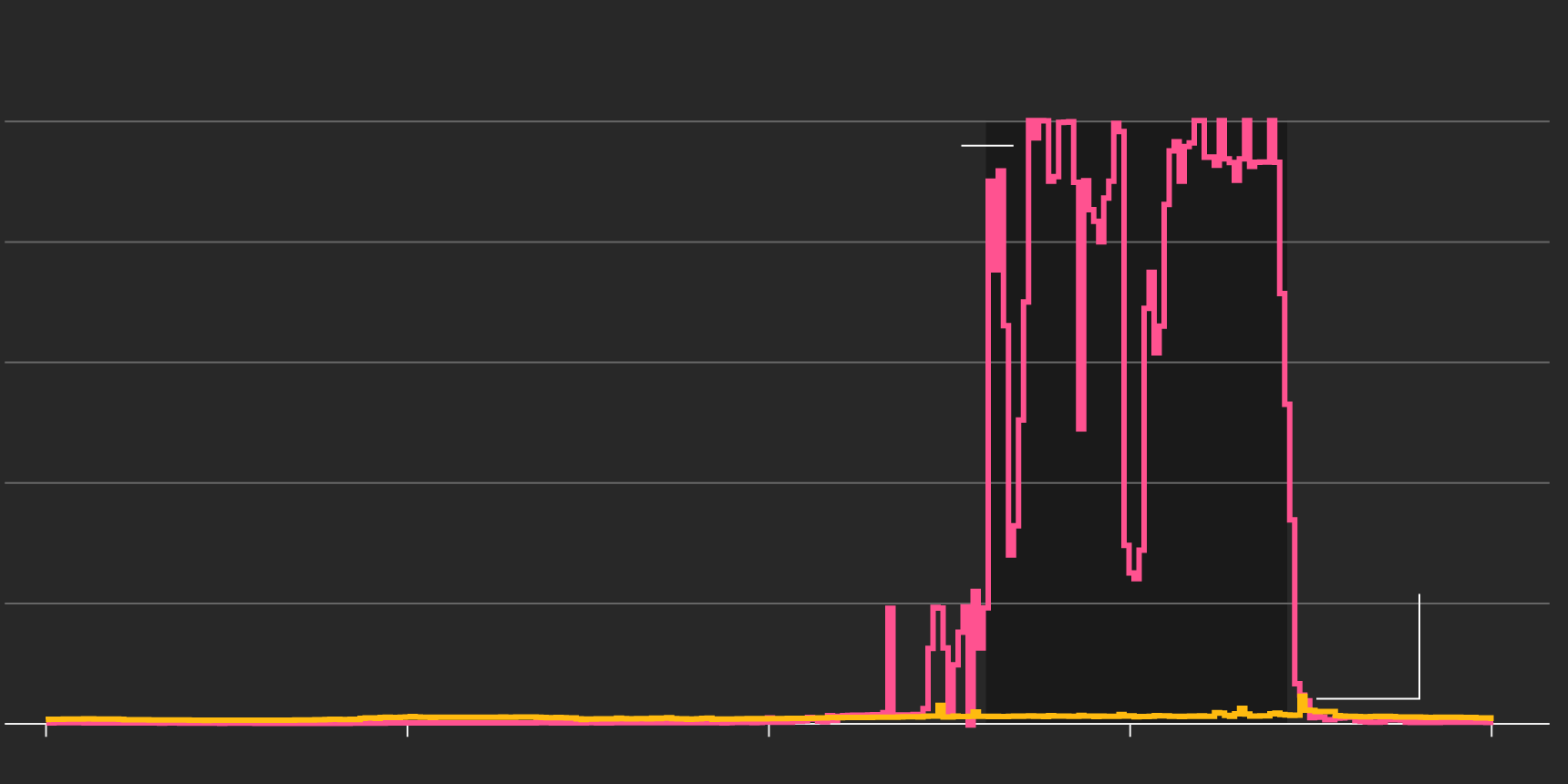
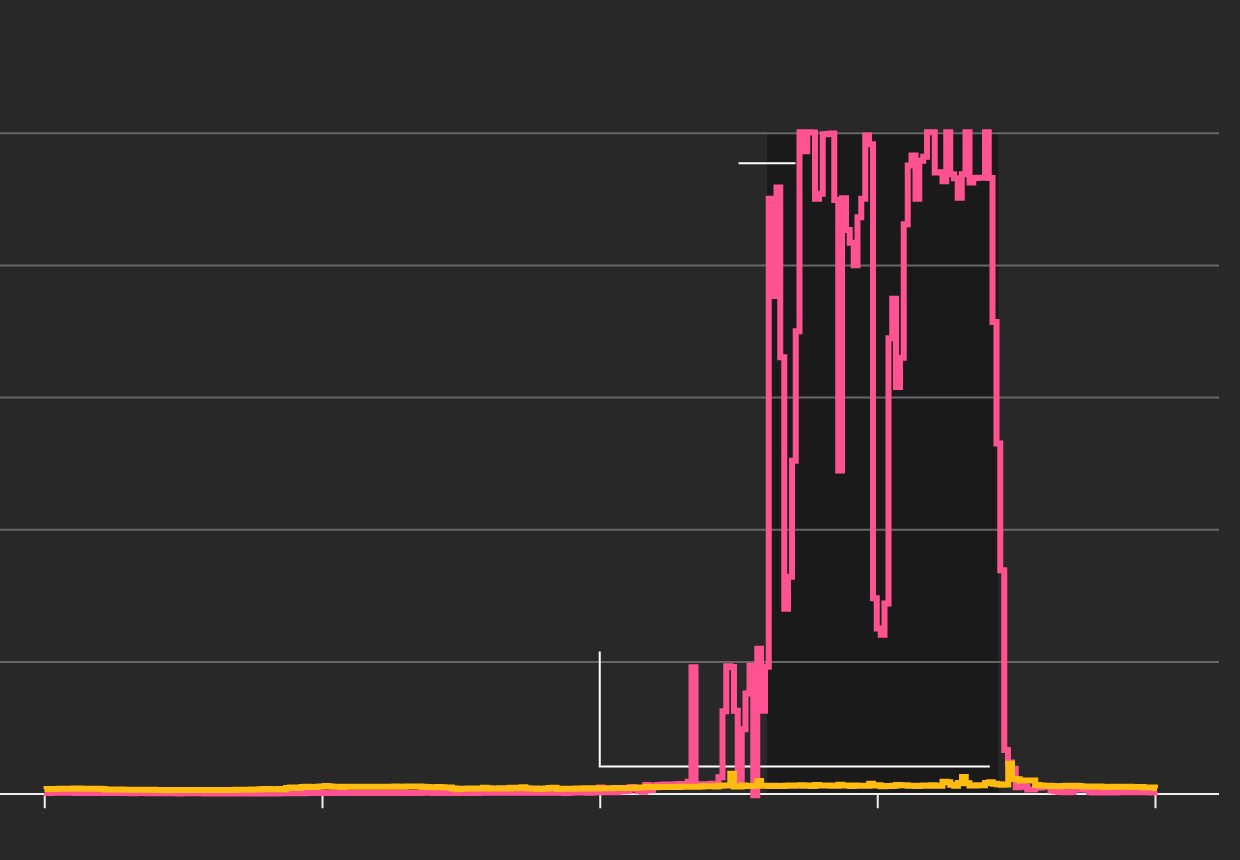
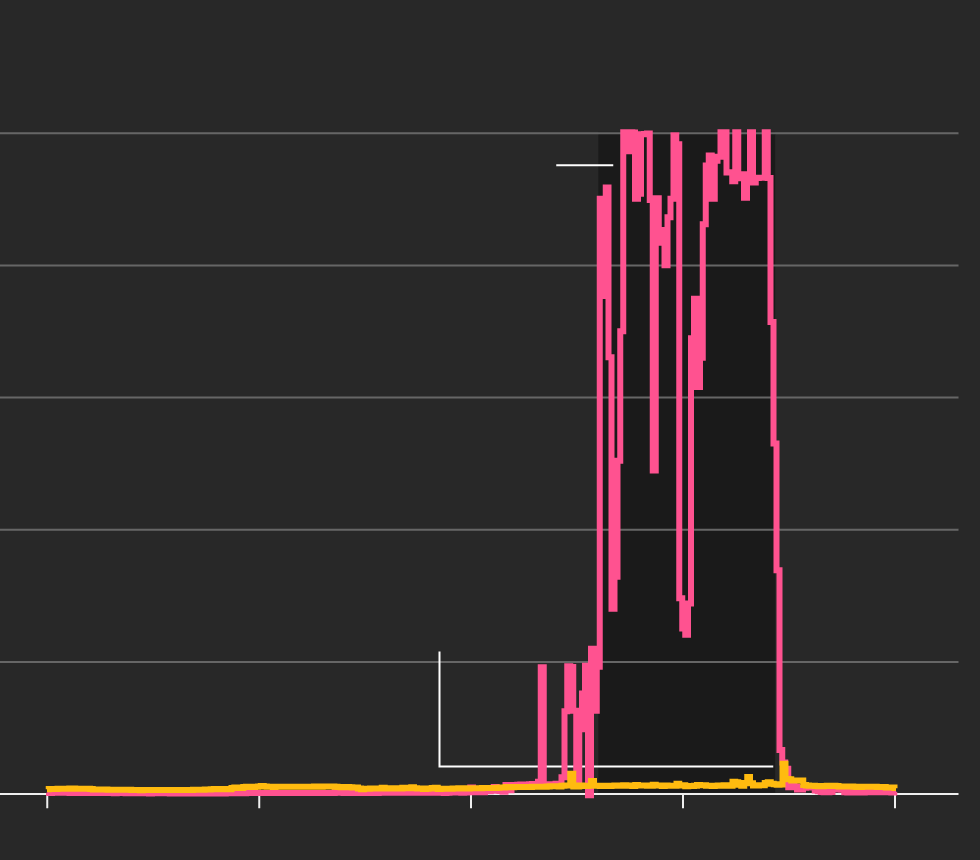
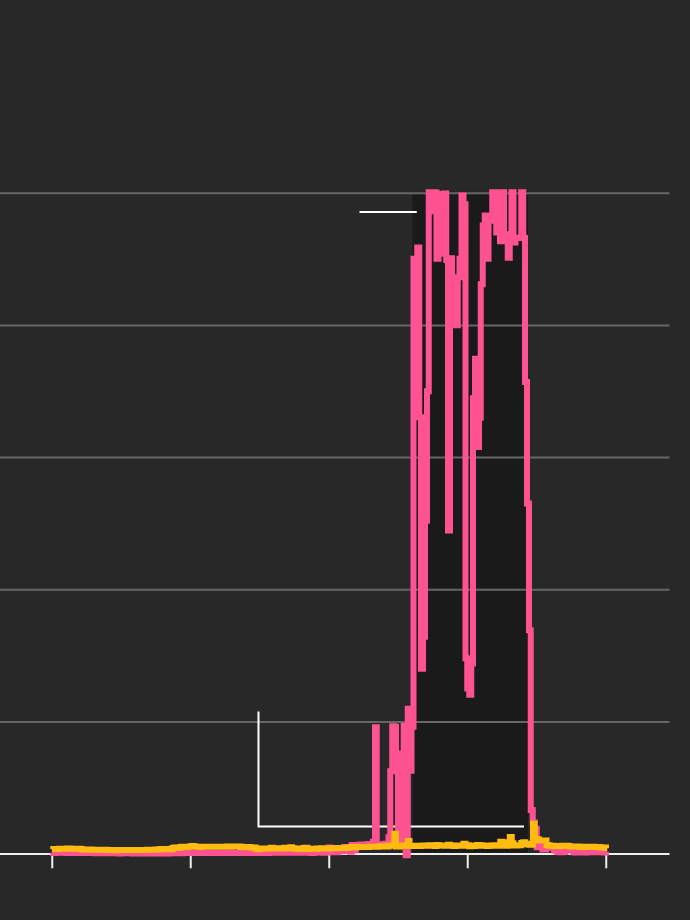
The difference in price was enormous — 20 times higher than the same day last year.
June 20, 2022 vs June 20, 2023
PRICE (PER MWh)
$5K
Prices reached $5,000/MWh ceiling in 2023
4
3
2
In 2022 prices reached a high of $241/MWh
1
00:00
06:00
12:00
18:00
24:00
June 20, 2022 vs June 20, 2023
PRICE (PER MWh)
$5K
Prices reached $5,000/MWh ceiling in 2023
4
3
2
In 2022 prices reached a high of $241/MWh
1
00:00
06:00
12:00
18:00
24:00
June 20, 2022 vs June 20, 2023
PRICE (PER MWh)
$5K
Prices reached $5,000/MWh ceiling in 2023
4
3
2
In 2022 prices reached a high of $241/MWh
1
00:00
06:00
12:00
18:00
24:00
June 20, 2022 vs
June 20, 2023
PRICE
(PER MWh)
$5K
Prices reached $5,000/MWh ceiling in 2023
4
3
2
In 2022 prices reached a high of $241/MWh
1
00:00
06:00
12:00
18:00
24:00
The power plants that participated in ECRS on June 20 this year found themselves in a lucrative arrangement. The Forney power plant in North Texas had originally offered to provide 90 megawatts to the normal real-time market for less than $25 a pop that afternoon. In ECRS, Forney got paid at least $2,000 for each megawatt that sat idle. Vistra Corp., which owns the Forney and Lamar plants, said in a statement that Ercot “determines what’s awarded and which units supply which service. This means that Ercot has the ability to optimize the system as a whole, by picking among units what is most optimal for the grid at the lowest overall system-wide cost.”

At 4:21 p.m., Ercot started calling on standby generators in ECRS to kick into gear, though it’s not clear from the data who got deployed and when. Those who did got a second paycheck: as much as $5,000 per megawatt hour for providing power at peak demand.
Bloomberg has been examining ways in which power companies generate extra revenue at the expense of consumers. In the UK, some firms engaged in what traders referred to as supply-gaming — announcing at short notice that they would stop producing energy, only to change course and deliver the electricity after receiving a higher price.
Texas energy-market insiders have been baffled that ECRS incentivized firms with important power capacity to limit their supply without much clarity on why and when those megawatts would be released into the market. When ECRS was being developed, some market participants said they expected it to be fulfilled by batteries, which can come online quickly but are too costly to provide power supply on a regular basis. But Ercot opened ECRS to everyone capable of ramping up in 10 minutes with sustained output for two hours. With battery capacity still relatively small, power plants have stepped in to fill the void.
Then there’s the size of ECRS. Instead of getting rid of existing ancillary services, the grid operator added ECRS to programs it already had. Texas now keeps more energy in reserve than ever before — capacity that frequently isn’t providing power even at peak hours.
“The design of this product is failing,” said Adam Sinn, a trader who owns Aspire Commodities LP, who added that he and “everyone I know” lost money on June 20. “Ercot is now a failed state. There is not one entity that can tell you the price of power on a day within $25. That was not the case before.”
The $608 million Ercot has paid out via ECRS through August represents 45% of the $1.4 billion it has spent on all ancillary services. David Energy told Bloomberg it expects that those direct payouts via ECRS will cause annual household bills to rise between $30 and $75 – and that’s not including the eventual impact from higher market prices.
Direct Cost of ECRS

$800M
Direct cost breakdown
In less than seven weeks, ECRS shot up to become the costliest ancillary
service procured this year at $608.3 million
600
ECRS
Standard ancillary services
400
200
Jan
2023
Feb
Mar
Apr
May
Jun
Jul
Aug
Jan
2022
Feb
Mar
Apr
May
Jun
Jul
Aug
Sep
Oct
Nov
Dec

ECRS
Other ancillary services
$800M
600
ECRS was introduced in June
400
200
Jan
2023
Jan
2022
ECRS
Other ancillary services
$800M
600
ECRS was introduced in June
400
200
Jan
2023
Jan
2022
ECRS
Other ancillary services
$800M
600
ECRS was introduced in June
400
200
Jan
2023
Jan
2022
Fans of the product say ECRS has helped keep the grid stable. One such proponent is Pat Wood, who led the deregulation of Texas’s electricity market more than two decades ago and now develops batteries for a company owned by the wealthy Hunt family. If anything, Ercot may need more capacity in ECRS, not less, he said: “We’ve got to use the reserve procurements to solve the daily problem, but also to send the price signal for future investment.”
Still, documents obtained by Bloomberg via open records requests show that the system has perplexed key players.
On June 29, a consultant representing the electric vehicles powerhouse Tesla, which owns batteries, emailed the Texas Public Utility Commission requesting a call. Ercot had deployed ECRS for four hours on June 20 instead of the two hours that it was meant for. “There is some confusion among market participants about how a two hour service like ECRS can be expected to be deployed for more than two hours,” the consultant wrote.
A week later another battery developer, Jupiter Power, warned that a proposed new rule change the grid operator was considering would make the problem even worse.
The rule would require batteries to maintain a charge capable of providing two hours of energy pretty much all the time. This would make it harder for batteries to participate in ECRS, which would then create “a higher level of scarcity for tight summer afternoons,” wrote Caitlin Smith, vice president of policy at Jupiter, which is backed by BlackRock Inc. That policy is still being debated.
It’s not just market participants who have raised questions about ECRS.
In a July 21 article, University of Houston energy professor Ed Hirs argued in Forbes that ECRS was creating a supply shortage that would drive up prices and was “likely illegal.” Three days later, Courtney Hjaltman, the chief executive of the Office of Public Utility Counsel, sent the piece to a commissioner with the subject “Would love to chat about the Forbes article.” It’s unclear what came from the conversation.
Ercot’s market monitor in June sent a memo to Texas power regulators “outlining concerns” with ECRS, according to an invoice obtained via an open records request. The PUC has so far declined to provide Bloomberg with the report itself and is seeking a ruling from the Texas attorney general’s office on whether it’s exempt from disclosure.
Bloomberg has also requested ECRS-related documents from Ercot. The grid operator identified more than 4,000 responsive records but has not yet released them.