American West Discovers How to Make Money on the Outdoors: Enjoy It
For the past 100 years, Colorado’s Grand Valley rode the wave of commodity prices—from uranium to oil shale to natural gas. Now, the region is staking its survival on another natural resource: the great outdoors.
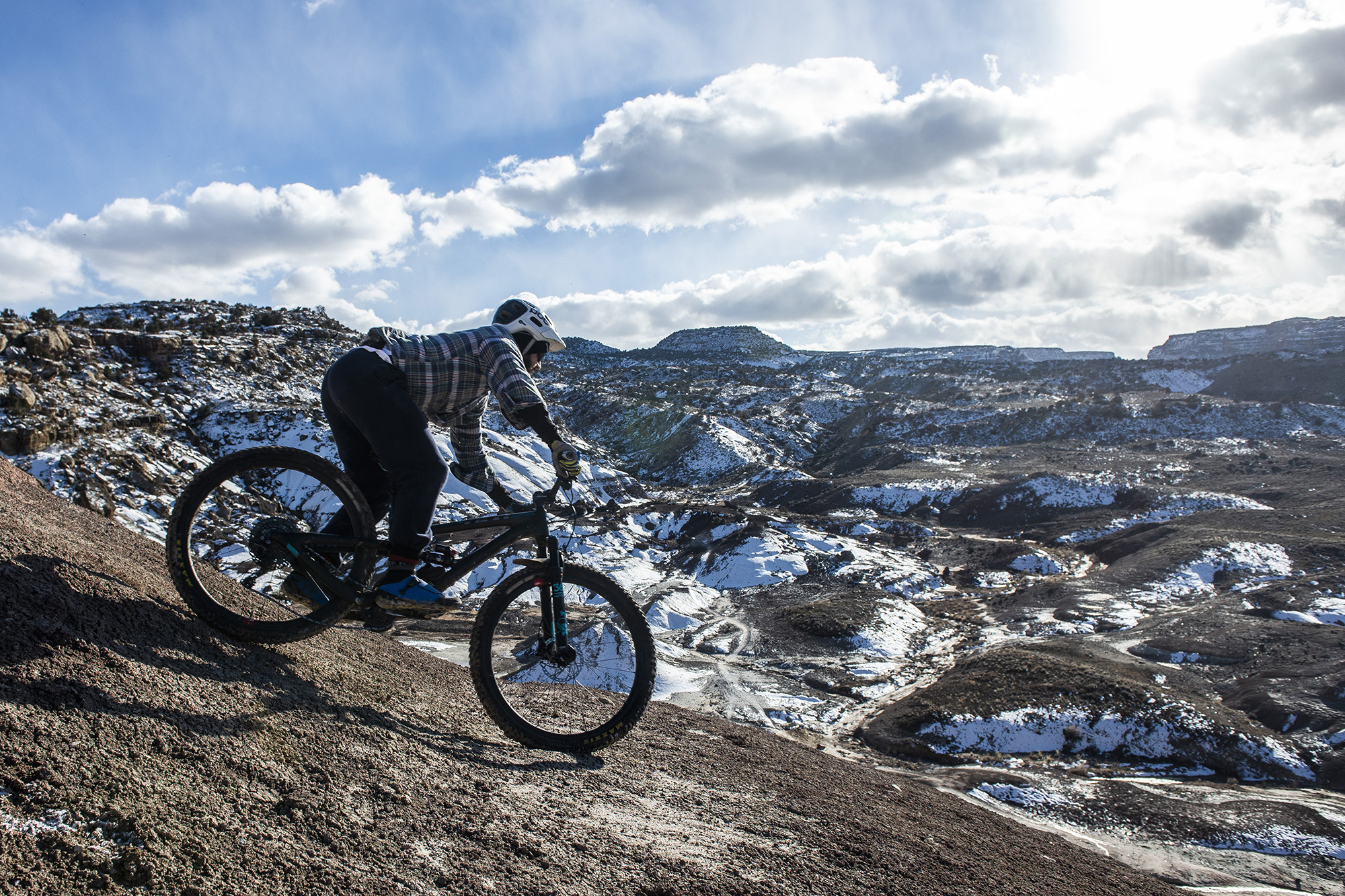
Flanked by red-rock buttes and the largest mesa in the world, the Grand Valley is capitalizing on its natural assets to bolster its once-flagging economy. Hundreds of miles of bike trails cut across the high desert, vineyards line the banks of the Colorado river, and a white-water rafting park is under development near downtown Grand Junction, the valley’s largest city. More than 1 million tourists flow into the valley every year, many from booming Denver, and unemployment is at the lowest in more than a decade. The region now rivals Moab, Utah, as a premier destination for mountain biking.
“Outdoor recreation could change the face of rural America,” said Sarah Shrader, a local business owner and founder of the Outdoor Recreation Coalition of the Grand Valley. “In four years this place has made a complete turnaround.”
The valley’s investment in recreation is a hedge against the volatility of the energy and mineral business. A rush to mine gold, silver, uranium and radium in the Interior West over the past two centuries gave way to oil and gas drilling, as rugged terrain awash in minerals fueled economic activity. Extraction created thousands of jobs—but also subjected Colorado and other western states to the unpredictability of booms and busts.
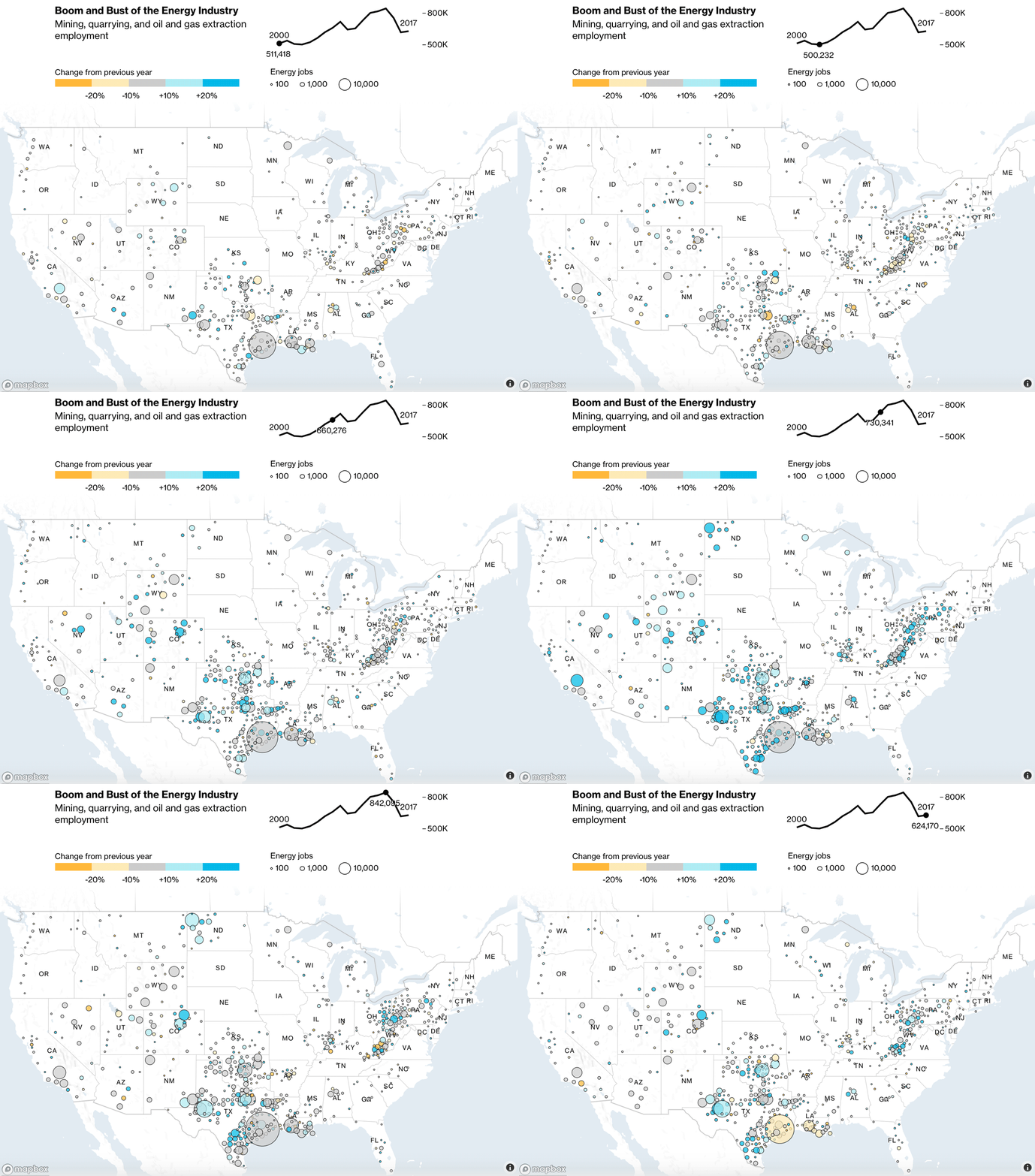
Boom and Bust of the Energy Industry
“It’s hard to overstate how good the boom times are. But when the bust comes, it takes a decade to recover,” said Robin Brown, head of the Grand Junction Economic Partnership.
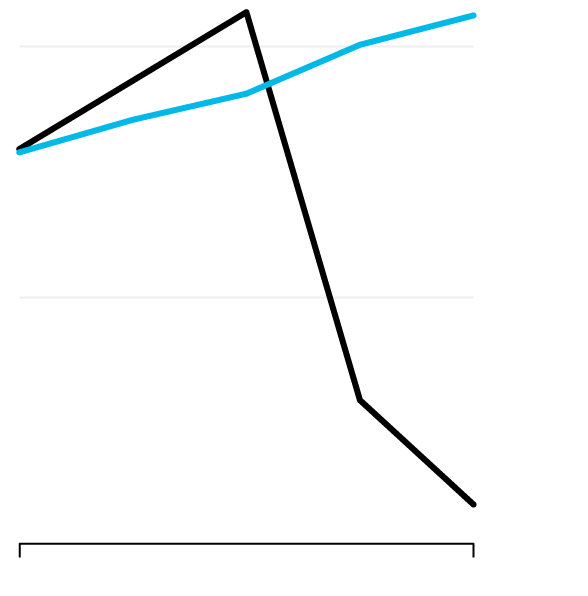
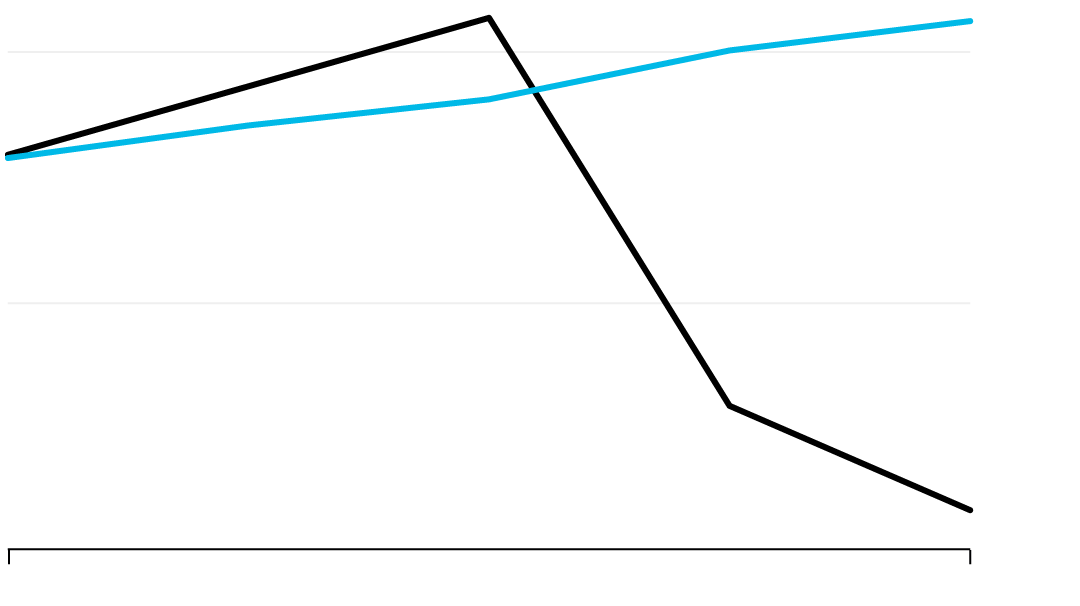
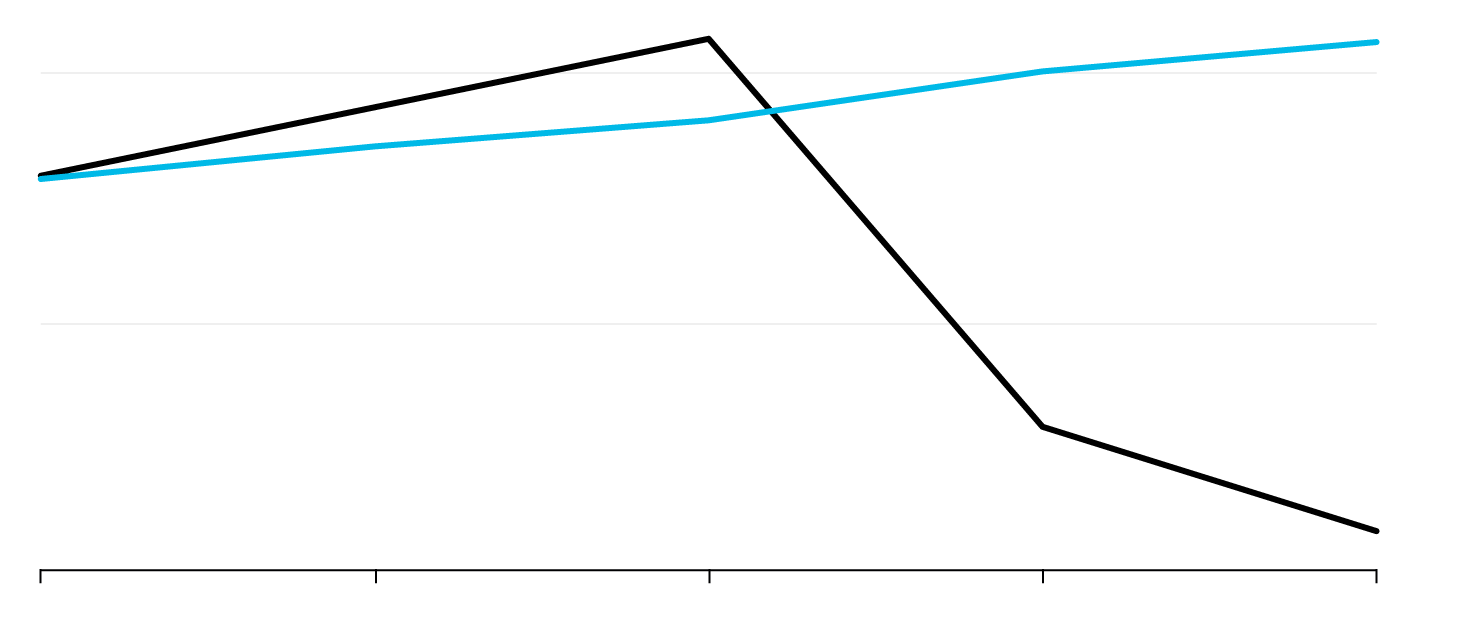
Similar shifts from extraction to recreation are occurring all over the Interior West, as communities once dependent on mineral production seek to diversify. Energy towns from Colorado to Montana are putting public lands to new uses—and cashing in on a recreation boom that added $412 billion to the national GDP in 2016, up 15 percent from four years earlier.
Outdoor Recreation GDP Surpasses Mining, Oil and Gas
$400B
Outdoor
recreation
300
Mining, oil
and gas
200
2012
2016
$400B
Outdoor
recreation
300
Mining, oil
and gas
200
2012
2016
$400B
Outdoor
recreation
300
Mining, oil
and gas
200
2012
2013
2014
2015
2016
Skiing, hiking and other outdoor pursuits now comprise an industry that contributes more to the national GDP than mining, oil and gas. From fly-fishing guides and resort stays to boot manufacturing and mountain bike sales, the sector grew faster than the U.S. economy in 2016, the latest year data is available, according to the U.S. Bureau of Economic Analysis.
VF Corp., owner of The North Face, SmartWool and other brands, is among companies capitalizing on the trend as they expand globally. VF announced last year that it will move its headquarters to Denver from Greensboro, North Carolina. The company’s activewear portfolio is its best-performing segment, reporting 30 percent revenue growth from five years prior. Brunswick Corp., which sells leisure boats and sports equipment, reported a 34 percent jump in sales during the same time period while Columbia Sportswear Co. saw a 33 percent boost.
Travel and tourism is by far the largest contributor to the outdoor recreation economy, followed by apparel and accessories.
Outdoor Recreation Economy
- Recreation support
- Conventional recreation
- Other recreation
The outdoor boom comes as jobs in extraction decline. Nationwide employment in mining, oil and gas fell by nearly a third from 2012-2016 while outdoor employment jumped 16 percent, according to BEA data. Even as the shale boom produces record volumes of crude and natural gas, technological advances in drilling and fracking have eliminated many jobs.
Colorado
Colorado’s outdoor industry, by contrast, is growing rapidly. Employment more than doubled from 2014-2017 and gross output tripled, according to state data. While recreation jobs are typically lower-paying than positions in the energy sector, they support an industry that makes up 10 percent of the state’s GDP.
Millennials, now the largest consumer segment in the U.S., may be driving demand for outdoor opportunities and fueling growth in the West. The generation born between 1980 and 2000 is outspending Gen Xers and baby boomers on things like travel, activities and sports, according to a 2017 report by McKinsey & Company. They’re also increasingly moving to western cities such as Colorado Springs, Denver and Seattle—in pursuit of an experience-driven lifestyle, according to a 2018 study by the Brookings Institution.
“We’re recruiting talent that could go to Boston, New York, L.A.,” said Ray Rasker, executive editor of Bozeman, Montana-based Headwaters Economics and a consultant for the BEA. “The surrounding public land is the ace in the hole. If you come here, you can go fly fishing after work, or ride your mountain bike.”
To be sure, outdoor recreation isn’t an economic cure-all, and it faces headwinds of its own—mainly the existential challenge of climate change. As global warming ushers in shorter winters with less snow and drier summers that fuel devastating wildfires, companies rooted in the outdoors are trying to plan for an uncertain future.
Lower elevation ski areas, such as Powderhorn Mountain near Grand Junction, are usually the first to feel the effects of a low-snow season, which can cut GDP by as much as $1 billion a year nationwide, according to a 2018 report commissioned by the nonprofit Protect Our Winters. Vail Resorts Inc., one of the largest ski resort companies in the U.S., saw shares fall to the lowest in almost two years last month after cutting its forecast due to disappointing sales.
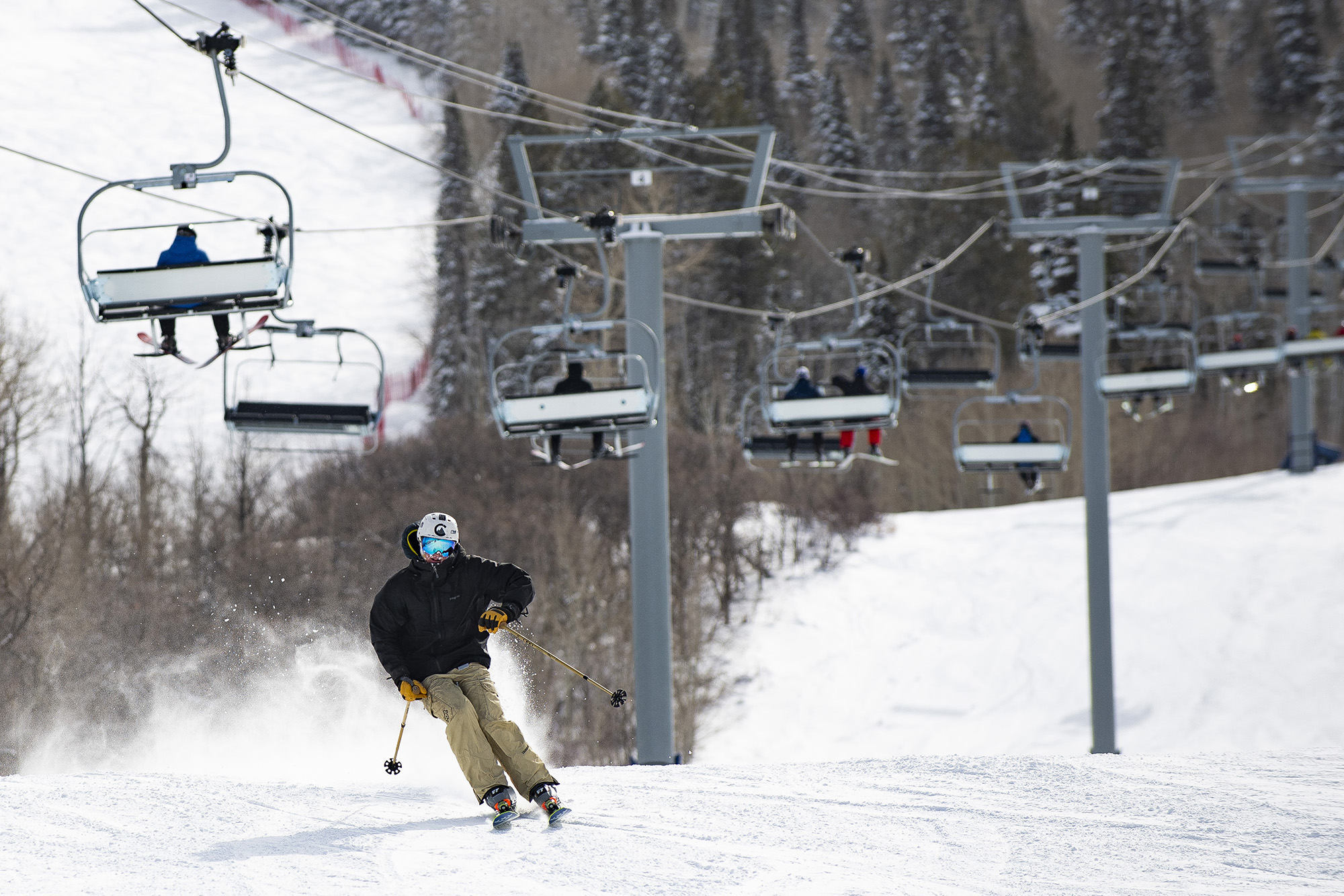
“All ski areas are having to plan and mitigate for these changing conditions,” said David Perry, chief operating officer of Alterra Mountain Company, which owns 14 resorts.
When natural gas prices collapsed in 2008—driving unemployment in Grand Junction to 12 percent within two years—recreation brought in much-needed revenue. And while gas production eventually rebounded, employment in the sector remains 38 percent below 2008 figures, according to the BLS. Meanwhile, the pivot to recreation brought new businesses to Grand Junction. In 2018, seven companies relocated to the city from California, North Carolina and Florida. The unemployment rate fell below 5 percent and GDP grew 4 percent.
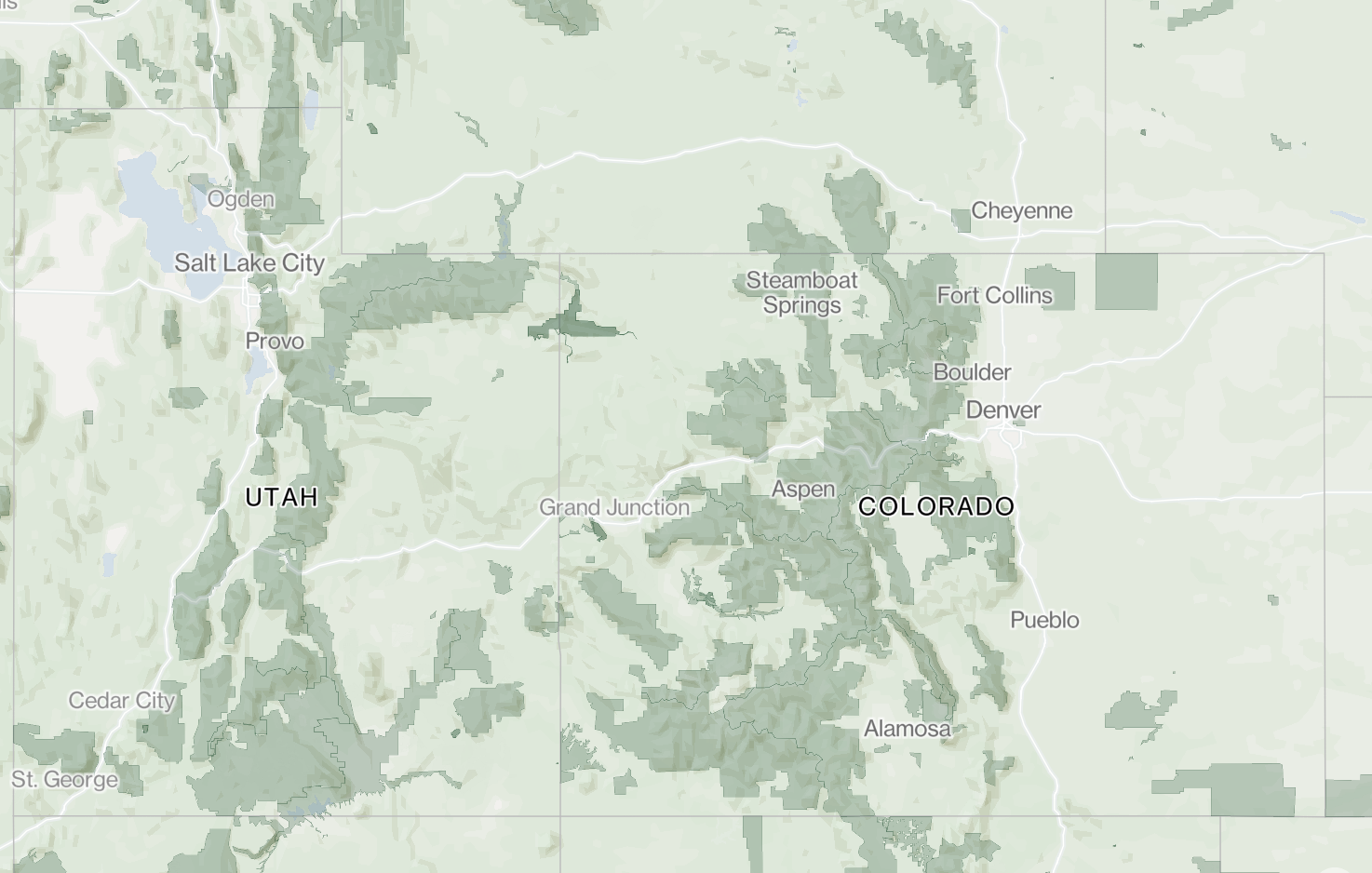
For western states, where most federal land is concentrated, national parks and forests are a key economic driver. One study by Headwaters Economics found that, from 1970 to 2015, counties with the most federal land saw faster population growth, and higher growth in incomes and jobs, than counties with the least. National parks alone added $20.3 billion to the U.S. GDP in 2017—a 28 percent increase from 2012, according to the National Park Service.
Parks and Forests Cover the U.S. West
- Federal park land
The tiny city of Fruita, a short drive from Grand Junction, has worked with the U.S. Bureau of Land Management to fund and develop new bike trails on federal acres, and maintain existing ones.
Utah
That’s especially true in Utah, where mining, including oil and gas, are now a relatively small part of the economy. Skiing, national parks and the production of outdoor goods such as Kuhl apparel and Browning rifles added $12 billion to the state’s GDP in 2017.
“Take the biggest tourist towns in Utah – every one of those towns started with an extraction-based economy,” said Tom Adams, director of Utah’s Office of Outdoor Recreation. “And slowly, a mine runs dry, things go away. You have to diversify.”
Utah was the first state to create an office tasked with advancing the business of outdoor recreation. Six others have followed suit, all but one of them in the West.
Wyoming
Wyoming, for instance, has turned to the outdoors to supplement its flatlining coal market. While the state produces 41 percent of the nation’s coal, it’s seen output fall by 30 percent over the past decade as demand for the fuel declines. Late last year, the governor released a 20-year plan to diversify Wyoming’s economy, and outdoor recreation is a key component.
For now, fuels such as coal and oil remain an important economic driver in the Interior West, even as states increasingly rely on recreation to create jobs and generate tax revenue.
“We’re not trying an either-or approach,” said Tim Fry, owner of Mountain Racing Products, which manufactures high-end mountain bike parts in Grand Junction. “Oil and gas is dependent on our natural resources and the outdoor industry is dependent on our natural resources. That’s where we design, develop and test.”
In the Grand Valley, where residents have struck a balance between drilling and recreation, the threat of climate change poses an uncomfortable dilemma. While energy production funds outdoor infrastructure, it also warms the climate, imperiling the very spaces that it’s paying to conserve.
Those who live in the region are still grappling with that reality and what it means for their future. But for many, expanding the economy takes precedence.
“Rural parts of this country have suffered enough—it is not our job to solve climate change,” said Shrader of the Outdoor Recreation Coalition. “What we can do is diversify our economy so we are not dependent solely on extractive energy.”