What Life Would Look Like Without the ‘Tampon Tax’
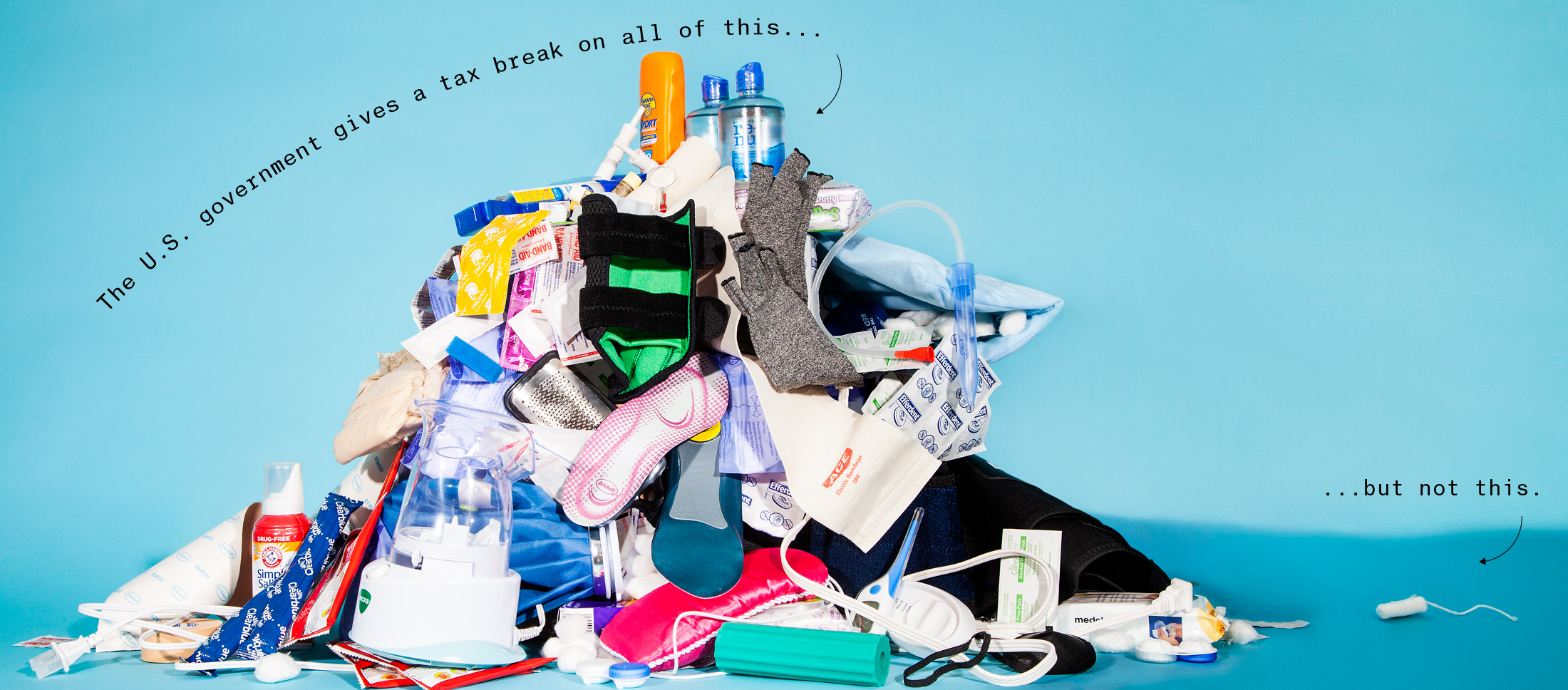
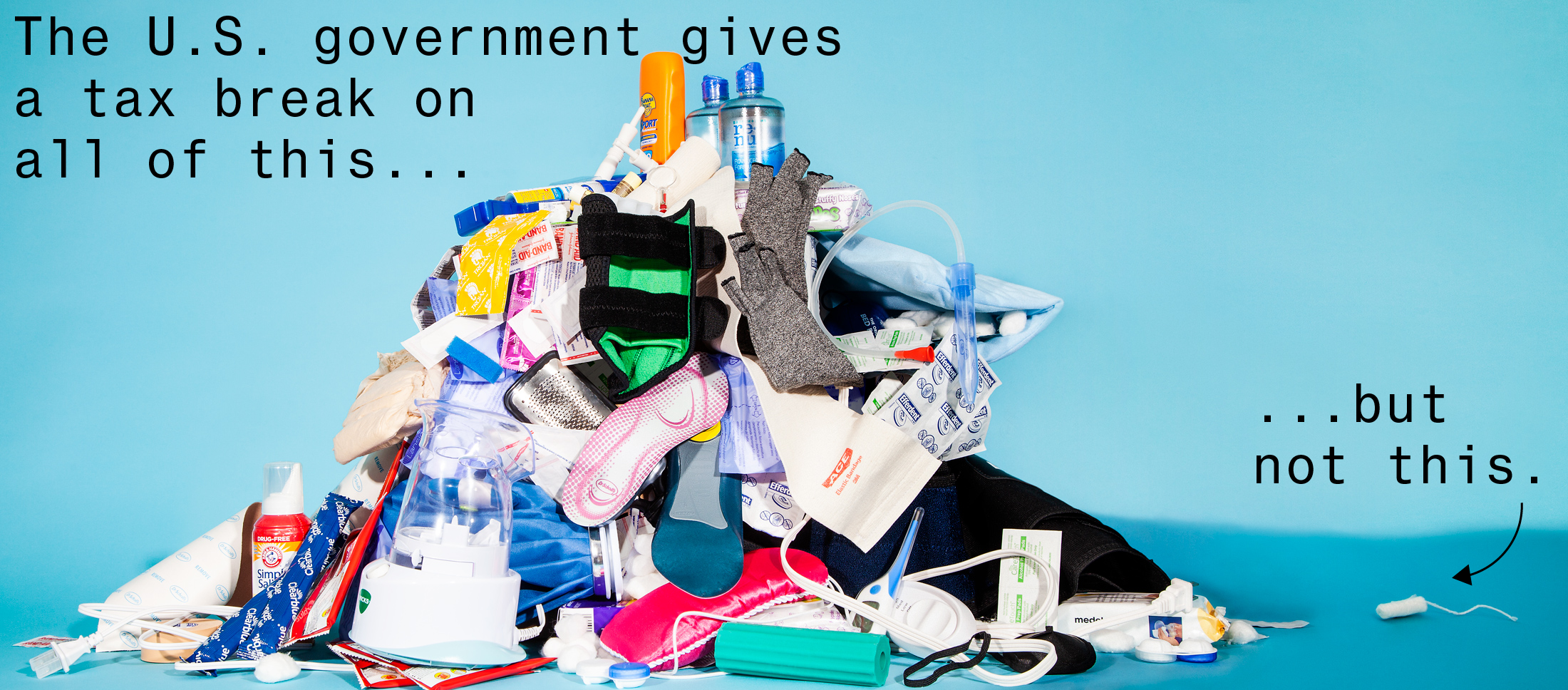
Band-aids—check. Condoms—check. Sunscreen—check. Tampons? Nope, sorry. The U.S. government has a long list of what counts as a medical expense eligible for tax breaks, but menstrual products don’t make the cut.
That means that period supplies for most Americans are taxed twice, through payroll taxes and at the register.
Many employers and health insurance plans offer special expense accounts that let workers set aside a portion of their earnings before paying taxes to go toward medical expenses. These accounts, including Flexible Spending Accounts and Health Savings Accounts, can mean savings of up to 40 percent on over-the-counter medical purchases, as well as prescription drugs and doctors’ visits. But the Internal Revenue Service doesn’t classify tampons and pads as medical expenses, which means they can’t be purchased with untaxed earnings.
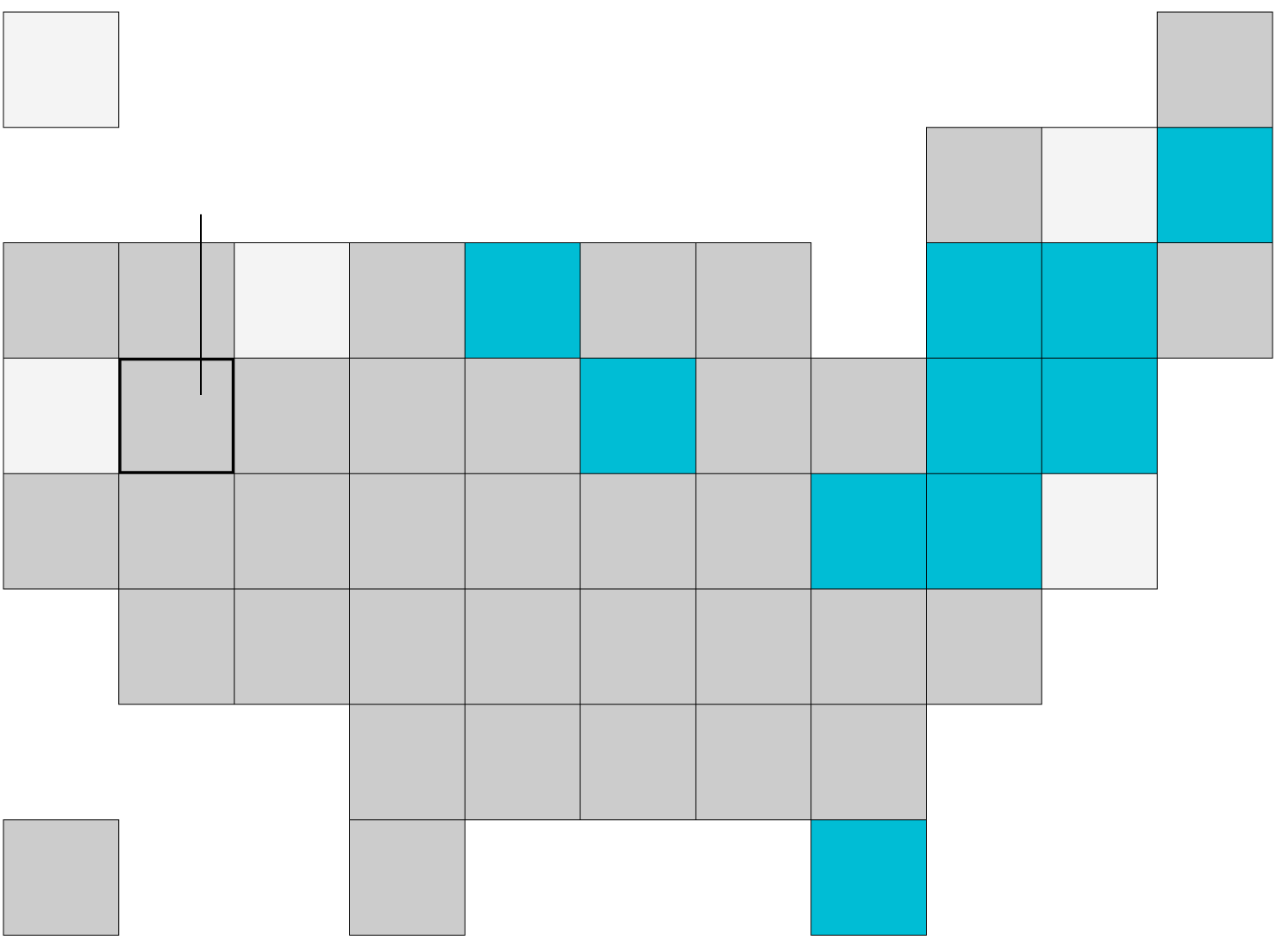
And the majority of U.S. states tax tampons and pads at the register through sales taxes—the so-called tampon tax. Most exempt groceries and medications as necessities, but don’t extend that break to menstrual supplies. State and local taxes can add more than nine percent to the cost of products.
These costs add up over time. Girls in the U.S. start menstruating at age 12, on average, continuing until menopause in their early 50s. There’s a wide range of normal, but a typical menstrual period lasts three to seven days per cycle, about every three to five weeks. That’s about 60 days every year—for 40 years.
Here’s what it would look like if taxes didn’t apply to tampons.
How Much an FSA Would Save You
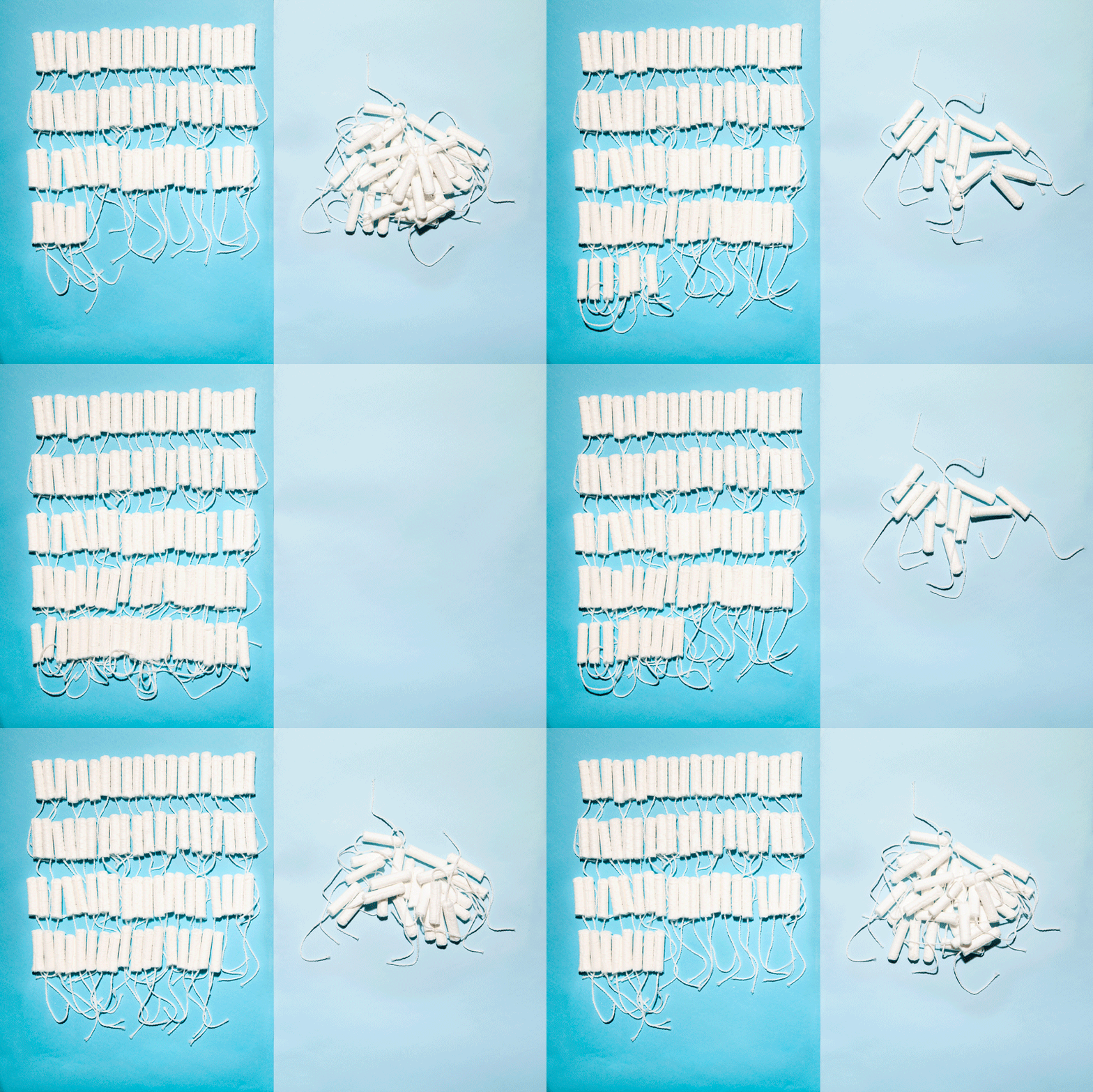
Let’s say you’re able to spend $20 on tampons for the next few months, and you’ve put that money into a Flexible Spending Account, avoiding payroll taxes.
You walk in to your local drugstore and see that the store-brand tampons are $4 for a box of 20. You can buy 5 boxes using your FSA debit card.
With FSA Savings
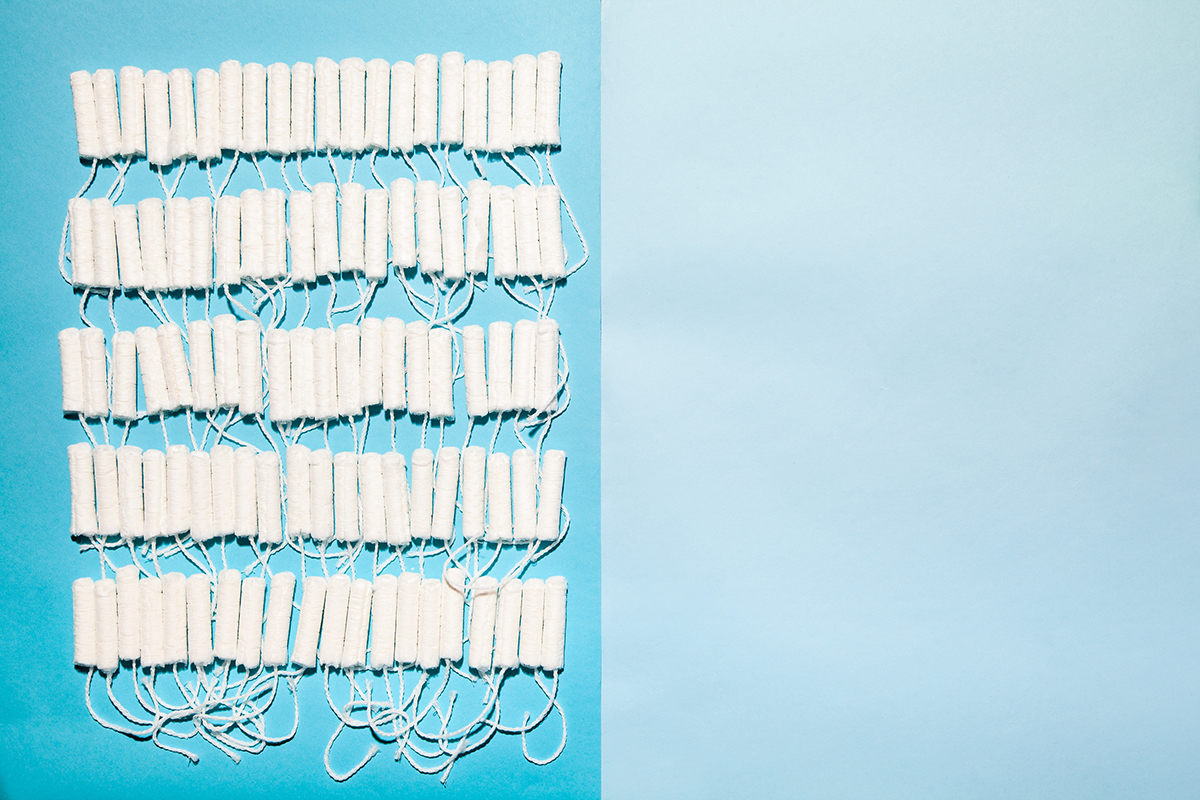
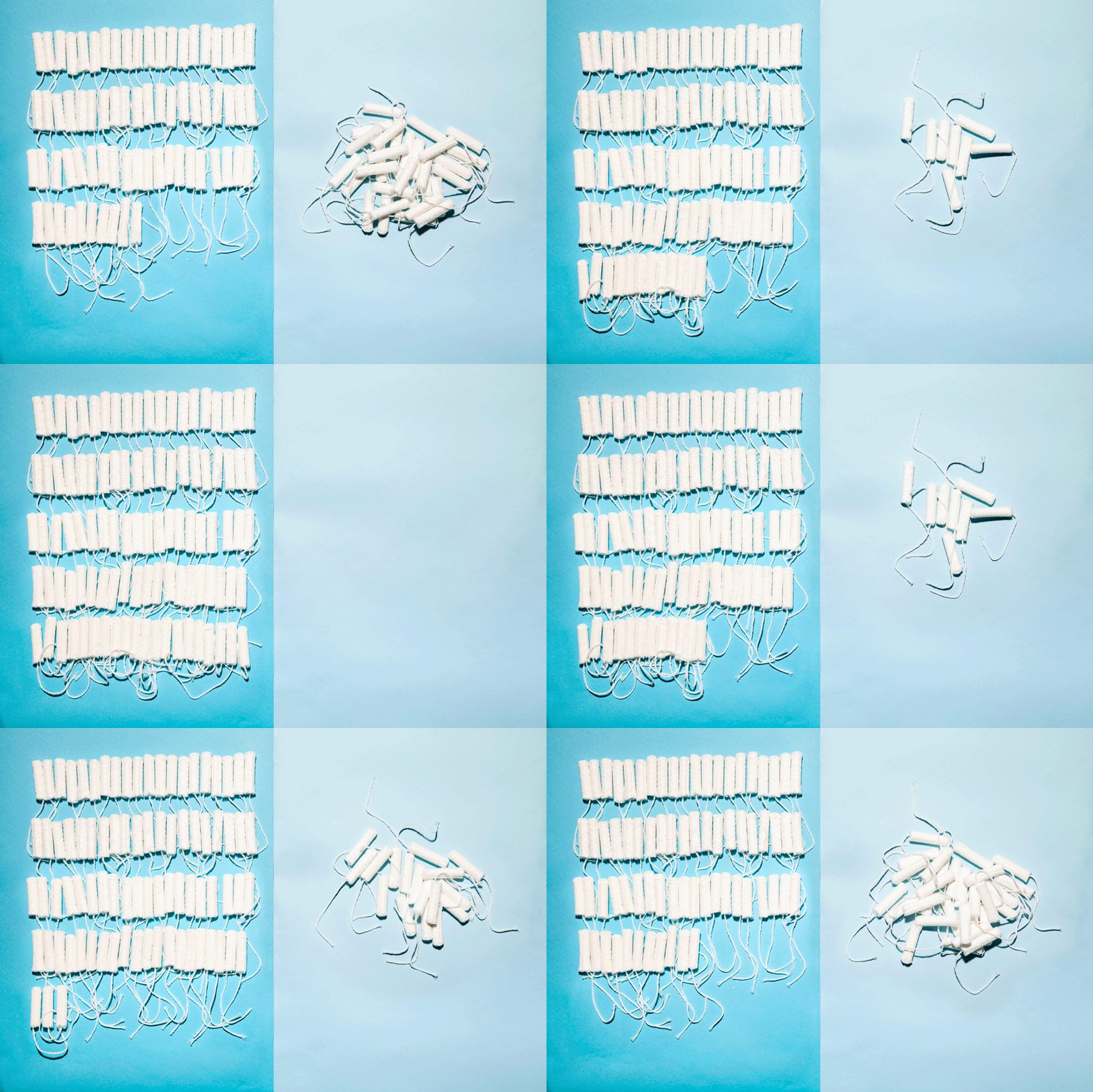
But the law doesn’t currently allow menstrual products to be purchased with your FSA. So before you’ve reached for your wallet, thirty percent of your tampon budget goes to taxes. With the remaining $14, you can buy three and a half boxes. (You can’t really buy a half a box, but let’s pretend.)
That’s only 70 tampons.
Without FSA Savings
Congress seemed poised to address this. The House passed a bill in July that would add menstrual products to the list of FSA- and HSA-eligible products, among other changes, though the Senate has not yet considered the bill.
But the savings would benefit mostly middle- and upper-class girls and women. For women who work in low-paying jobs without benefits or are unemployed, purchasing a health insurance plan that includes an HSA is often out of reach. And for women who are living paycheck to paycheck, deciding to set aside pay months in advance can be unthinkable.
A local fix could help lower the price for tampon buyers, regardless of how they pay.
Sales Tax Costs Even More
Back to our hypothetical. After payroll taxes, you had $14 left to spend. At $4 per box, that would get you three and a half boxes, or 70 tampons.
But tampons are subject to sales tax in most states. Let’s say you live in Nevada, which has a sales tax of 6.85%. If you factor in sales tax, your $14 only buys you 65 tampons.
With Sales Tax
Nevada voters will decide in November if they want to exclude pads and tampons from state and local sales taxes, after the state government passed the measure by a wide margin. They’d join a growing list of states that have passed exemptions in recent years.
And the U.S. isn’t alone. In a wave of recent legislation, several countries, including Canada, India, Kenya and Ireland, have abolished sales and value-added taxes on menstrual products. Australia is poised to join them.
Critics argue that the lost tax revenue would harm local governments.
In 2016, California’s legislature unanimously passed a tax exemption for menstrual products. But Governor Jerry Brown vetoed it the next month, saying in a statement that “tax breaks are the same as new spending.” Recent attempts to revive the bill have failed in committee.
Tampon Tax
- Specifically exempt
- Subject to sales tax
- No state sales tax

AK
ME
VT
NH
MA
WA
ID
MT
ND
MN
WI
MI
NY
CT
RI
OR
NV
WY
SD
IA
IL
IN
OH
PA
NJ
CA
UT
CO
NE
MO
KY
WV
MD
DC
DE
AZ
NM
KS
AR
MS
TN
VA
NC
OK
LA
AL
GA
SC
HI
TX
FL

AK
ME
Nevada will vote on an exemption in the November election.
VT
NH
MA
WA
ID
MT
ND
MN
WI
MI
NY
CT
RI
NV
OR
WY
SD
IA
IL
IN
OH
PA
NJ
CA
UT
CO
NE
MO
KY
WV
MD
DC
DE
AZ
NM
KS
AR
MS
TN
VA
NC
OK
LA
AL
GA
SC
HI
TX
FL
AK
ME
Nevada will vote on an exemption in the November election.
VT
NH
MA
WA
ID
MT
ND
MN
WI
MI
NY
CT
RI
OR
NV
WY
SD
IA
IL
IN
OH
PA
NJ
CA
UT
CO
NE
MO
KY
WV
MD
DC
DE
AZ
NM
KS
AR
MS
TN
VA
NC
OK
LA
AL
GA
SC
HI
TX
FL
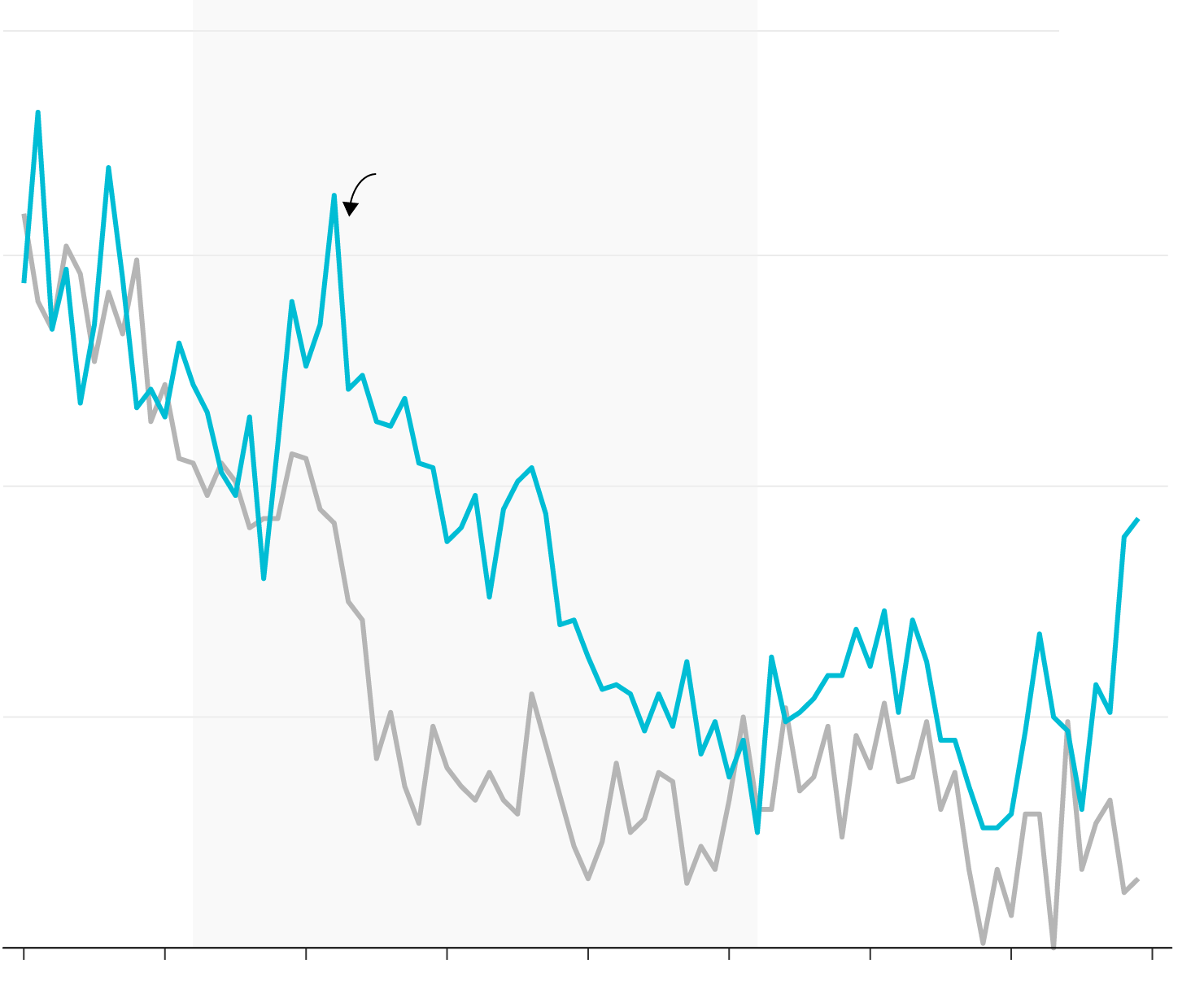
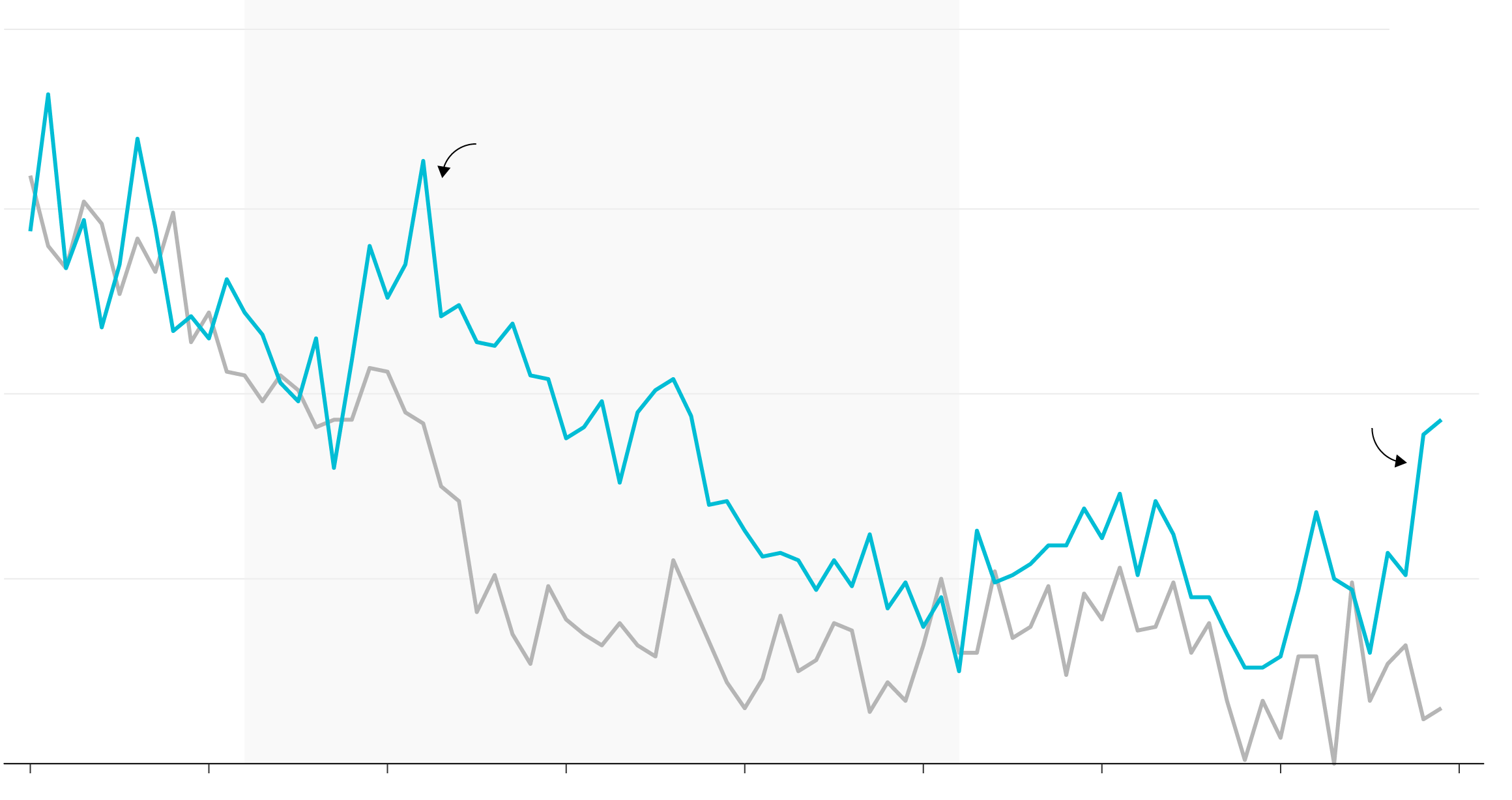
Saving a few dollars per year on pads might not sound like a lot. But poverty disproportionately affects women. And for many people living paycheck to paycheck, menstrual products are already out of reach. Forty percent of U.S. nonelderly adults had difficulty meeting a basic need like food, housing or health care last year.
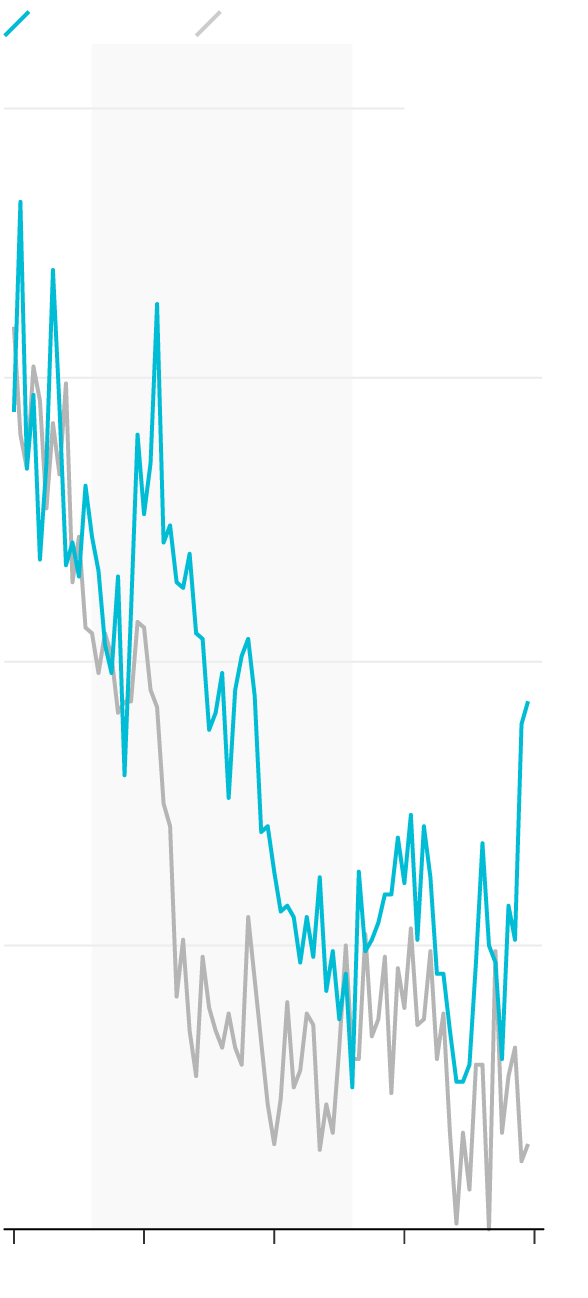
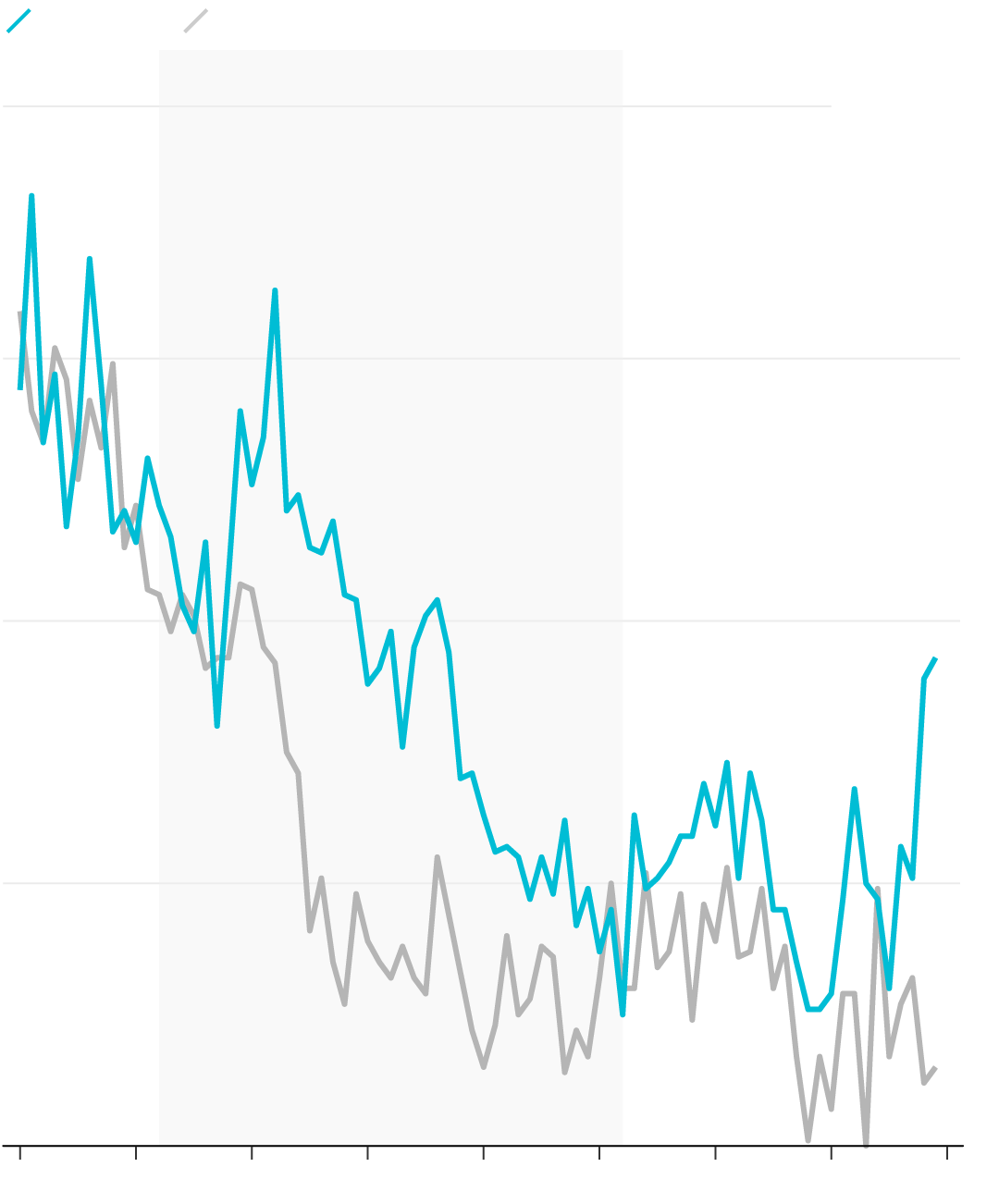
In the U.S., nearly 14 percent of girls and women live below the poverty line—compared to only 11 percent of boys and men. This disparity holds at nearly every age, and is strongest during a woman’s menstruating years. Twelve million U.S. women and girls aged 12 to 52 live below the poverty line.
Poverty Rate by Age and Gender
Female
Male
Menstruation age
(average)
25% poverty
20
15
10
5
0
20
40
60
80 years
Female
Male
Menstruation age (average)
25% poverty
Poverty rates for young girls and boys are about the same
About 1 in 5 women in their early 20s live in poverty
20
Poverty rates are
significantly higher for women than men during prime earning years
The gap increases again late in life, since women
typically outlive men
15
The poverty gap shrinks around retirement age
By the late
teenage years, a gap emerges
10
5
0
10
20
30
40
50
60
70
80 years
Menstruation age (average)
25% poverty
Poverty rates for young girls and boys are about the same
About 1 in 5 women in their early 20s live in poverty
By the late
teenage years, a gap emerges
20
Poverty rates are
significantly higher for women than men during prime earning years
The gap increases again late in life, since women typically
outlive men
15
Female
The poverty gap shrinks around retirement age
10
Male
5
0
10
20
30
40
50
60
70
80 years
Menstruation age (average)
25% poverty
Poverty rates for young girls and boys are about the same
About 1 in 5 women in their early 20s live in poverty
By the late
teenage years, a gap emerges
20
Poverty rates are
significantly higher for women than men during prime earning years
The gap increases again late in life, since women typically
outlive men
15
Female
The poverty gap shrinks around retirement age
10
Male
5
0
10
20
30
40
50
60
70
80 years
Low-income women have few affordable options for period supplies. Tampons and pads can’t be purchased through government assistance programs like SNAP or Medicaid and shelters and food banks say that they’re among their most-requested items.
Tax changes would lower the cost of a period, but larger policy reforms to increase access to menstrual supplies are brewing.
Illinois and New York have recently mandated that all public schools must provide feminine hygiene products in middle and high school bathrooms, while California passed a similar law affecting schools with high poverty rates. Scotland has gone even further, requiring all schools, colleges and universities to provide the products for free beginning this year.
New York City mandated shelters carry menstrual products in 2016. And the federal Bureau of Prisons mandated in 2017 that its prisons provide incarcerated women with as many free pads, tampons and panty liners as they need.
House Democrats, led by Rep. Grace Meng (N.Y.), have introduced other measures in recent years to increase access to menstrual products. Meng also championed the provision that would add pads and tampons to the FSA and HSA eligibility list, which passed the House in an omnibus bill this summer.
Senate Republicans have embraced expanding FSA and HSA eligibility in the past. But if the Senate doesn’t pass the bill this term, a new Congress, determined by next week’s election, would have to start over in 2019.