Three Deep-Red States Are Getting Medicaid Expansion Whether Republicans Like It Or Not
Following Tuesday’s midterm elections, some 168,000 people could be newly eligible for Medicaid benefits.
Idaho, Nebraska and Utah voted to pass expansions of the public health-insurance program for low-income Americans. They would join 33 states that have already expanded the plan.
Separately, Montana residents rejected a ballot initiative that would have ensured the continutation of their existing Medicaid expansion program.
Under the Affordable Care Act, states were given the option to expand Medicaid coverage to adults earning up to 138 percent of the poverty line, or about $17,000 for an individual.
Medicaid was previously limited to insuring children, the disabled and seriously ill, pregnant women and a few other adults, depending on state rules. More than 12 million people have been newly enrolled under expansion measures.
County by county, sparse rural areas largely voted against expanding Medicaid, while residents of urban areas tended to vote in favor of it.
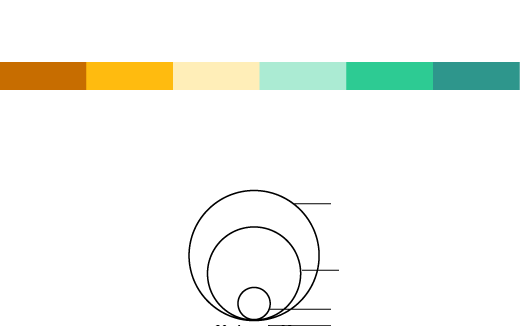
Vote share
← Against
For →
30%
40
50
60
70
Total votes
200K
100K
10K

Vote share
Total votes
200K
← Against
For →
100K
30%
40
50
60
70
10K
Idaho
Medicaid Expansion Results
| Yes | 365,107 | 60.58% | ✓ |
| No | 237,567 | 39.42% |
Medicaid Expansion vs. Uninsured Rate
Idaho voted to expand Medicaid by a wide margin on Tuesday. Outgoing governor, Republican Butch Otter, endorsed the measure last week.
According to the Kaiser Family Foundation, 43,000 Idaho adults will be newly eligible for Medicaid.
Nebraska
Medicaid Expansion Results
| Yes | 345,948 | 53.19% | ✓ |
| No | 304,450 | 46.81% |
Medicaid Expansion vs. Uninsured Rate
Nebraska voted to expand Medicaid, making an estimated 34,000 adults newly eligible for the health-insurance program.
The state also re-elected Governor Pete Ricketts and Senator Deb Fischer on Tuesday, both Republicans. Ricketts had opposed the expansion measure, while Fischer has voted repeatedly to repeal the ACA, which would have ended Medicaid expansion.
Utah
Medicaid Expansion Results
| Yes | 555,651 | 53.32% | ✓ |
| No | 486,483 | 46.68% |
Medicaid Expansion vs. Uninsured Rate
Medicaid expansion passed in Utah. The ballot measure included a small increase in the state sales tax that would be used to fund expansion.
More than 90,000 adults could be newly eligible for coverage under an expansion.
Montana
Medicaid Expansion Results
| Yes | 230,083 | 47.08% | |
| No | 258,628 | 52.92% | ✓ |
Medicaid Expansion vs. Uninsured Rate
Montana voters chose not to introduce new taxes that would have funded a continuation of Medicaid expansion, leaving the program’s future in jeopardy.
Expansion began in 2016 in the state, with a sunset date of 2019. The ballot measure had included new taxes on e-cigarettes and additional taxes on traditional tobacco products in order to help fund the state’s share of future costs.
Nearly 1 in 10 Montana residents—96,000 people—are now covered by Medicaid expansion. The program will end next year unless the state legislature votes to reauthorize it.
Idaho, Nebraska and Utah may not be the only states expanding Medicaid in the coming months.
Maine voters decisively chose Medicaid expansion in a ballot race of their own last year, but outgoing Republican Governor Paul LePage blocked its implementation. Newly elected Democrat Janet Mills vowed Wednesday morning to carry out the expansion immediately after taking office.