Can Any G-7 Leaders Corral Trump?
A year’s passed since Donald Trump made his debut at the gathering of seven of the world’s most powerful leaders. He’s gone from being the odd man out—alone in a golf cart while the others walked and talked down Taormina’s cobbled streets—to leaving no one in doubt that he’s happy flying solo. The president has picked apart international agreements on Iran and climate change, put the world on the brink of a trade war and is off to see North Korea’s Kim Jong Un in Singapore soon after the G-7. These actions have post-war allies wondering how they fit in the new pecking order. Is power now measured in relation to where you are in Trump’s orbit?
Emmanuel Macron—The BFF
Macron seems to have supplanted the U.K. as the closest Western interlocutor to Washington yet he and Trump are a strange couple. A pair of outsiders who upended their respective political orders, they are 30 years apart in age and have radically different intellectual backgrounds. No European leader lectures Trump as harshly on issues such as trade, 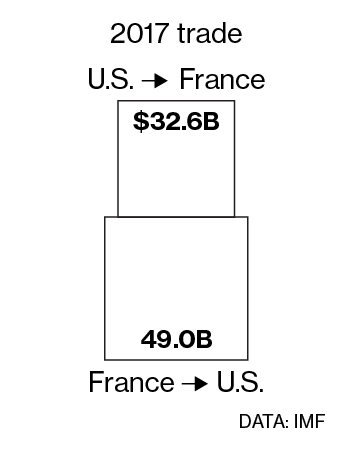 climate,
 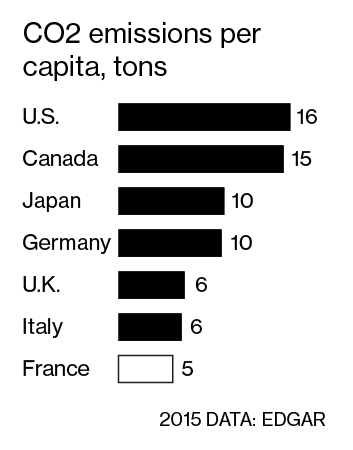 and Iran. Yet for all that access, Macron hasn’t won the president to his multilateral approach to world affairs. Macron is unapologetically pragmatic. So Trump’s suggestion that armed Parisians could have prevented a terrorism attack
 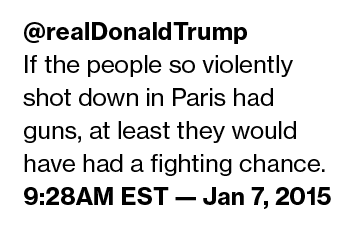 were annoying but ultimately shrugged off. He won’t offer much advice on North Korea nor will he be preaching on Russia, especially having just taken a large business delegation to St. Petersburg.
What to expect: Lectures, hugs and some dandruff diplomacy.
Trump clears dandruff from Emmanuel Macron’s shoulder in the Oval Office before a meeting on April 24, 2018.
Shinzo Abe—Golfing Buddy
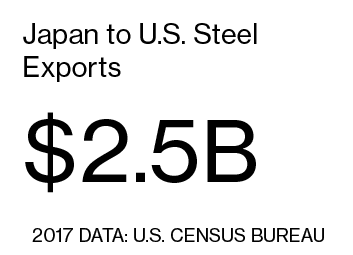
The Japanese prime minister has pulled out all the stops to get close to Trump: He was the first foreign leader to fly to the U.S. after his election win, and the pair squeeze in a round of golf 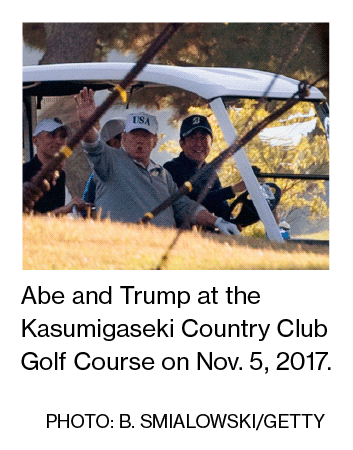 when they meet. But their smiles conceal some key differences—especially on North Korea, Abe’s highest priority. Japan is still insisting on maximum pressure and is being forced to reluctantly back Trump’s summit with Kim Jong Un. Trade is also a source of friction, with Trump pulling out of a regional pact championed by Japan and slapping tariffs on metal imports.
  Tokyo is unhappy with Washington withdrawing of a global climate
 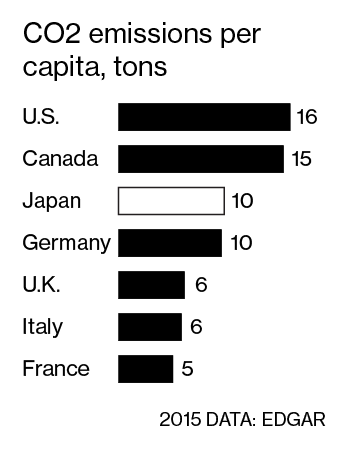 agreement, but is less interested with Iran, Russia, and terrorism.
What to expect: Show of mutual admiration, awkward policy divisions.
Trump and Shinzo Abe arrive at the Uka-Tei restaurant in Tokyo, on Nov. 5, 2017.
Justin Trudeau—Northern Neighbor, Nafta Nemesis
The G-7 has landed during a trade 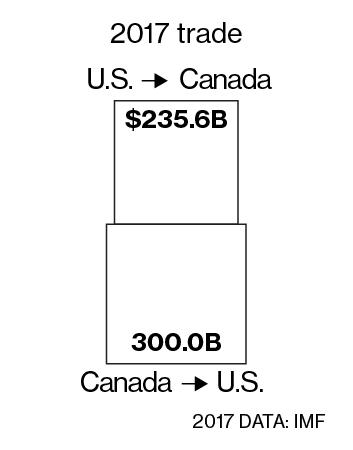 spat and Nafta talks aren’t promising. Trudeau, who is the G-7 host, finally looks fed up. He’s thrown shade at Trump’s “America First” mantra while calling for action on boosting diversity and fighting climate change.
 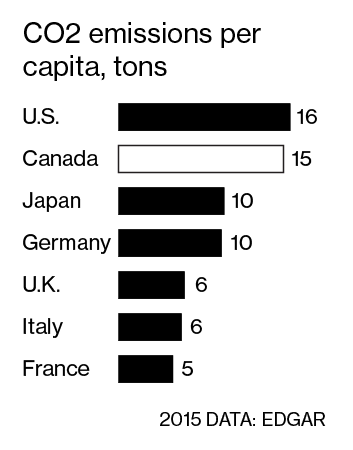 Canada is pushing a task force aimed at stopping foreign interference in democracies—clearly aimed at Russia. Trudeau backs the Iran deal, while North Korea and terrorism are lesser priorities. Don’t expect too many fireworks: Canada relies on the U.S. for a greater share of its trade than any other country and Trudeau is a hard-wired optimist. Even in a trade war, Canadians play nice.
What to expect: Gritted teeth, subtweeting, calls for change.
Trump greets Justin Trudeau as he arrives at the White House on Feb. 13, 2017.
Theresa May—She’s Not His Maggie Thatcher
A long history of a ‘special relationship’ between U.K. and U.S. leaders demands May and Trump be tight, but they’re not. The British prime minister’s raison d’etre is defined by Brexit so her priority is trade, 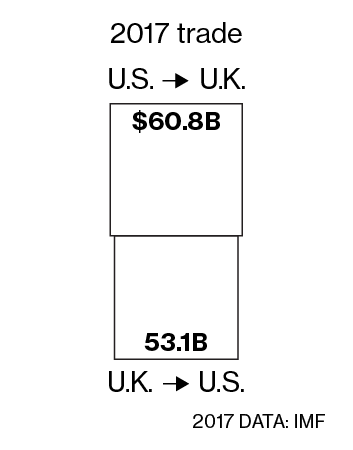 specifically bringing home a deal with the world’s biggest economy. To that end, she’s willing to swallow a lot—including his criticism on Twitter
 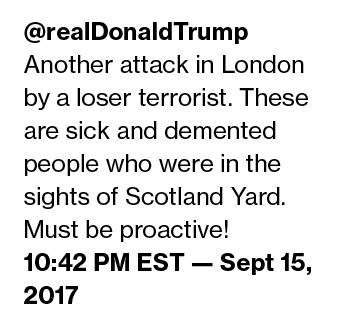 about terrorism in the U.K.—especially given that in the end he backed her in condemning Russia after the spy-poisoning episode. It’s no coincidence that when the U.S. announced tariffs her voice was less scolding than some of the others. She’s quite happy to let other Europeans take the lead on Iran and climate change, and has barely weighed in on North Korea.
What to expect: Some platitudes, no holding hands.
Theresa May and Donald Trump at The White House on Jan. 27, 2017.
Angela Merkel—The Veteran
It may look as though Merkel has been eclipsed by Macron, but Germany holds the keys as Europe’s biggest exporter. That puts the G-7’s longest-serving leader on a collision course with Trump on trade. 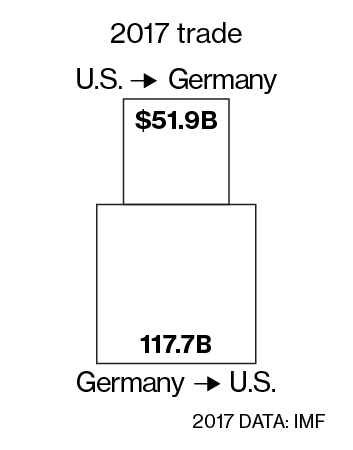 Merkel warned darkly that old allies are no longer reliable, and she’s still grappling with his agenda of disruption on display with Iran and climate change. Look for complex interplay: Trump needles her on NATO defense spending
 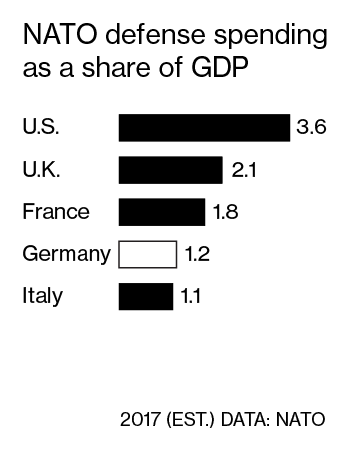 yet openly admires how Merkel defends German interests and has sought her advice on how to deal with Russia’s Putin. Merkel has 12 years of experience dealing with confrontational male peers but she and Trump have found little common ground. Where she can, she offers words of support—be it on North Korea or terrorism.
What to expect: Cordial but wary atmospherics.
Angela Merkel speaks with Trump during a meeting in the White House on March 17, 2017.
Giuseppe Conte—The Unknown
Italy has a brand new prime minister who is a political unknown: a dapper 53-year-old law professor at Florence University with no experience of government. What’s interesting is that as the face of a populist government he has more common ground with Trump than any of the others, from protectionist trade policies and anti-immigration rhetoric to scepticism of NATO. 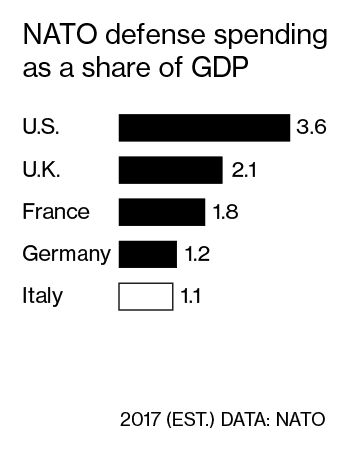 Italy depends on Russia for its gas
 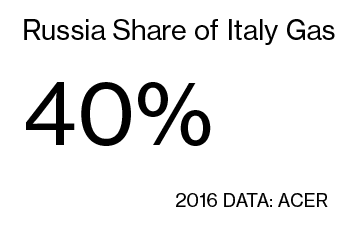 and wants better relations with Putin. The Italians rarely have a big say at these summits unless they can set the agenda—as they did last year as hosts when Trump was the new guy at the table and migration was on the menu. They are not stakeholders in Iran or North Korea, are unlikely to revive climate change or have much to contribute on terrorism given their limited military footprint.
What to expect: A handshake, then who knows?
Giuseppe Conte speaks during a press conference at the Quirinale Palace in Rome, on May 31, 2018.