Key Chavistas Abandon Maduro as Crisis Intensifies
Days of Disorder
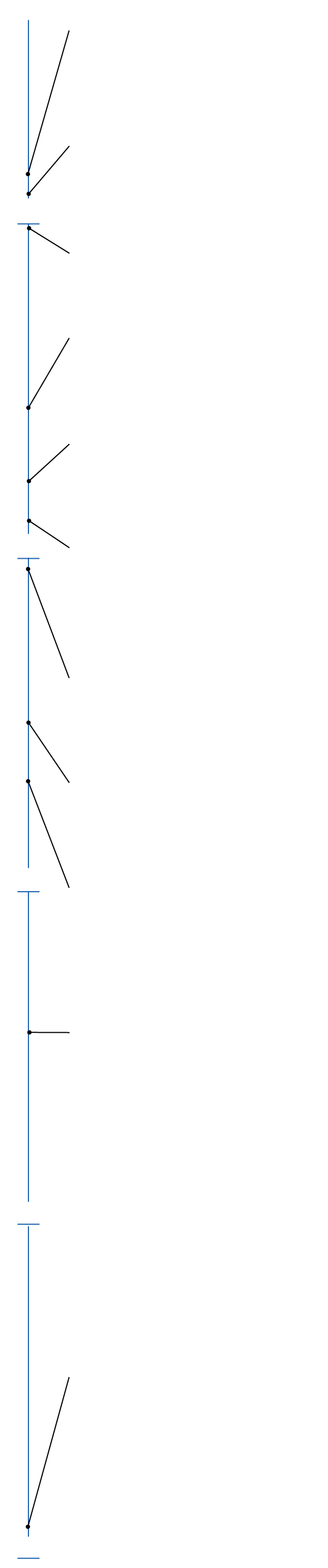
2017
March 29
Supreme court seizes powers of Congress—the only opposition- controlled institution—declaring the elected body invalid.
March 31
Luisa Ortega Díaz breaks ranks, saying supreme court decision “ruptured” constitutional order.
April
April 1
Supreme court reverses much of its decision to strip power from opposition-led Congress.
April 19
More than a million Venezuelans pack the streets of Caracas and other major cities in the “mother of all marches.”
April 26
Venezuela announces plans to pull out of the Organization of American States amid growing international condemnation.
May
April 30
Pope Francis speaks out against increasing unrest, calling for negotiated solution to end violence.
May 1
Maduro convenes constituent assembly to rewrite 1999 constitution, considered a hallmark of Chávez’s legacy.
May 18
Treasury Department slaps sanctions on members of Venezuela’s top court for “making a mockery” of separation of powers.
June
May 24
Ortega Diáz rails against authorities’ use of lethal force.
June 13
Some 70 lives have been lost as protests grow increasingly violent and volatile.
July
July 30
Voting to begin for representatives to rewrite the constitution.
August
Friends of Venezuelan President Nicolás Maduro are peeling away. As the nation's chaos grinds on, former allies are joining a mounting chorus of dissent, a wave of defections unprecedented since the 1999 dawn of the nation's socialist era. Many of the disenchanted are actively working to foil Maduro’s efforts, making his hold on power all the more tenuous.
For almost three months, the nation has been rocked by unrest that shows no signs of ebbing. Sputtering demonstrations against government overreach quickly became a nationwide movement against the country's dire state, with inflation in triple digits and crime and corruption rampant. Dozens have been killed and thousands more injured or jailed.
Yet rather than yield to mounting pressure to hold elections, Maduro has called for a constituent assembly that would rewrite the constitution—considered one of the greatest legacies of the late Hugo Chávez—stoking fears that the embattled president seeks do away with elections entirely. Ruling socialists have endured previous waves of criticism, broken ranks—even coup attempts—since Chávez rose to power almost two decades ago. But never in recent memory has a president been so unpopular and the state of the country so grim.
As Venezuela faces its fate, Maduro's coalition is showing cracks.
-
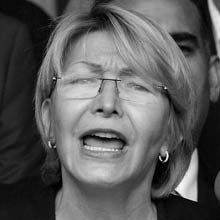
Luisa Ortega Diáz
Public prosecutor
Venezuela’s chief prosecutor represents the deepest crack in Chavismo, Chávez’s self-styled socialist project. Once a fierce loyalist who brought charges against foes of the late president and Maduro, she now denounces Maduro’s crackdown as “brutal repression.” She is investigating abuses by the state and armed forces, while filing motions to stop the rewrite of the constitution. She stands as one of the most dangerous threats to her former comrades.
-
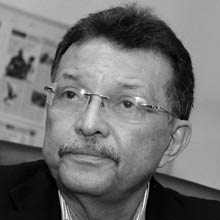
Germán Ferrer
Former guerrilla, lawmaker from the ruling party and husband of Ortega Diáz
Ferrer has lambasted the president for ignoring criticism, clamping down on the media and for not submitting his plans to rewrite the constitution to a vote. He has said that both he and his wife have been receiving threats and are under surveillance.
-
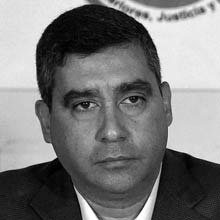
Miguel Rodríguez Torres
Retired major general and former minister of interior under Maduro
A close ally of Chávez, he participated in the botched 1992 coup that launched the late president onto Venezuela’s national stage. Rodriguez Torres later rose through the ranks, serving as a spy chief until Maduro tapped him as minister. He has emerged as a key dissident voice, trying to create a middle ground in a bitterly divided country, boasting both his experience in the politically pivotal military and his loyalty to Chávez.
-
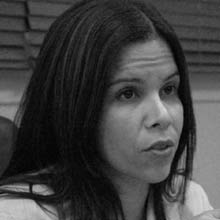
Gabriela Ramirez
Former ombudsman under Chávez and Maduro
A human-rights advocate, Ramirez recently resigned as adviser to Venezuela’s top court to protest Maduro’s push to rewrite the constitution without consulting the public. She says the current charter ensures basic freedoms.
-
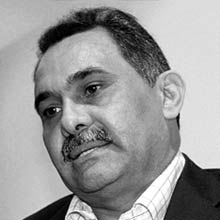
Eustoquio Contreras
Lawmaker
A veteran congressman who heads a tiny party, that has formed part of the ruling socialist alliance. He says Maduro shouldn’t change Venezuela’s constitution, but comply with it.
For a year and a half, the embattled president has used control of the courts to stymie the congress or sidestep it entirely. Now, some jurists have broken their silence, saying rewriting the constitution is a step too far.
-
Danilo Mojica
Current supreme court judge
-
Hildegard Rondón de Sansó
Former supreme court judge
-
Marisela Godoy
Current supreme court judge
Cabinet members under Chávez are denouncing his successor's plans. They heeded the late president's last wishes and supported Maduro's rise, but now say he's making a mockery of the Chávez legacy.
-
Maripili Hernandez
Former minister of communication and information
-
Ana Elisa Osorio
Former minister of environment
-
Hector Navarro
Former minister of electricity and education