Education
How Did I Get Here?
Dr. Rodney Perkins
Medical entrepreneur

-
-
Bosse High School, class of 1953, Evansville, Ind.
-
Indiana University, class of 1957, Bloomington
-
Indiana University School of Medicine, class of 1961, Indianapolis


-
Work Experience
-
1963–67Medical resident, Stanford University Medical School
-
1968–93Doctor, ear surgeon, private practice
-
1975–93Co-founder, Collagen
-
1982–2004Founder, chief executive officer, chairman, Laserscope
-
1986–99Founder and chairman, ReSound
-
1988–PresentProfessor of surgery, Stanford
-
1994–2004Founder, California Ear Institute at Stanford
-
2002–PresentFounder and chief medical officer, EarLens
-
2011–PresentFounder, CEO, chairman, Soundhawk



-
Life Lessons
-
“Make it happen.”
-
“It’s very hard to beat someone who’s intelligent and passionate about what they’re doing.”
-
“Most successful enterprises come from someone seeing a need and acting on it.”
-
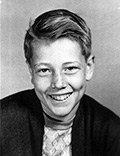 School photo, 1948“My class ranking was in the middle, but I did really well in science.”
 -
-
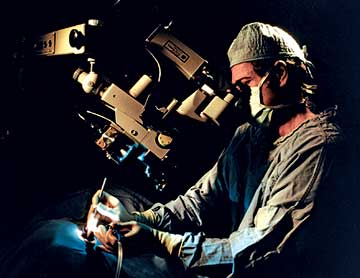 Performing surgery with a laser, 1981
 -
-
 “I’ve started 16 or 17 companies. I had to make a list.”
 -
-
-
-
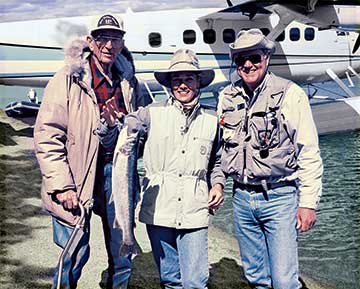 With his wife, Sherry, and Hewlett-Packard co-founder David Packard, in British Columbia, 1994
 -
-
-
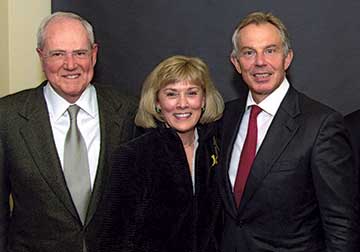 With Sherry and Tony Blair, 2011