If you had to name a single thing Donald Trump has said that captures his tumultuous first year back in the White House, it might be this:
“I have the right to do anything I want to do. I’m the president of the United States.”
Trump said these words in August to defend his decision to send National Guard troops to Chicago under the pretext of fighting crime. It’s a view of the presidency that he’s repeatedly brandished since returning to office, to justify his moves to seize authority from Congress, federal agencies and the courts. He invoked it to chastise judges who ruled he couldn’t deport immigrants without due process. He used it to explain his escalating military action against Venezuela, which culminated in a strike to capture its leader and ultimately commandeer its oil. Trump’s decisions to fire federal workers, compel obedience from corporations, law firms and universities, and demolish part of the White House to make way for a ballroom were also rooted in this notion.
His claim of absolute power isn’t true, of course. (A catchier title for the US Constitution could be “Presidents Can’t Do Whatever They Want.”) But Trump discovered long ago that in politics, as in business, what’s true is often less important than what you can get away with. With help from submissive Republicans in Congress and a compliant conservative majority on the Supreme Court, he’s been able to get away with much of what he set out to do.
Not everything, though. While many individuals, companies and institutions have caved to Trump’s demands, there are growing signs he may have overestimated his popularity and powers of coercion. An outright backlash could disrupt his agenda and puncture the aura of invincibility he’s cultivated.
As Year 2 of his second term gets underway, here’s a look at what he’s changed, what he hasn’t and what to watch for in the months ahead.
What’s Changed
Trump famously complained that “deep state” aides and appointees stopped him from exercising power during his first term. This time, surrounded by obedient loyalists, he moved quickly to put the federal government under his control. In his first 12 months, Trump …
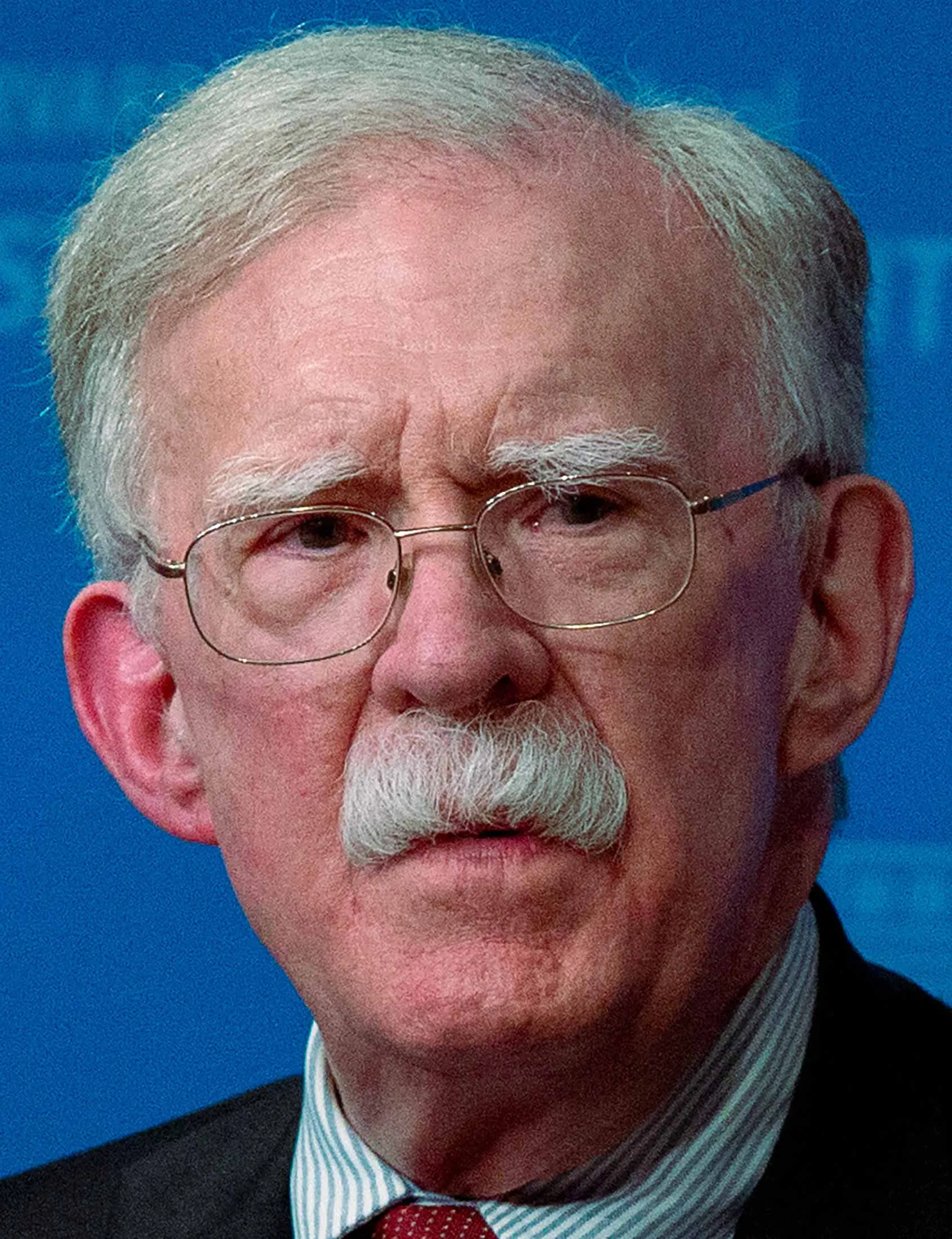
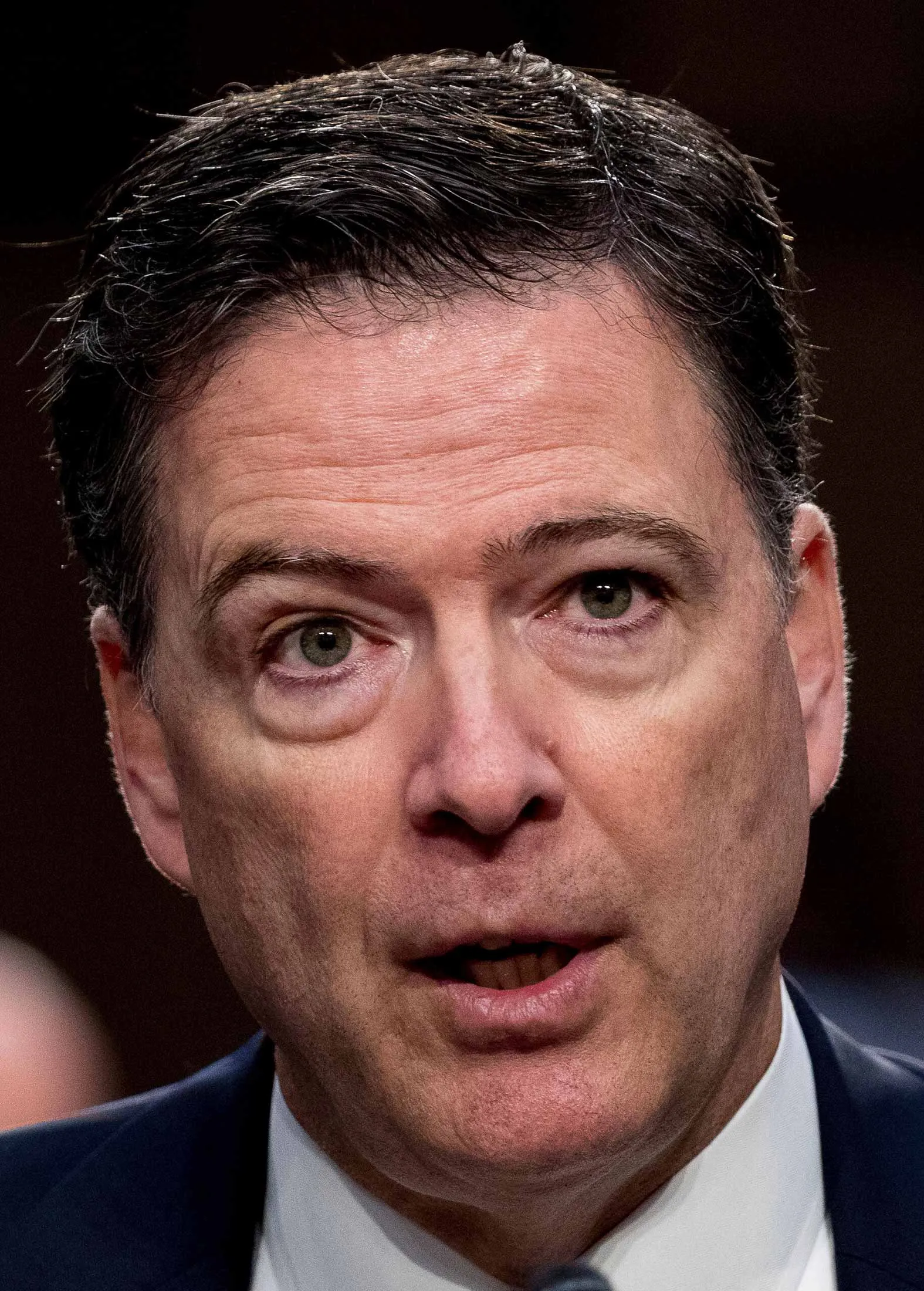
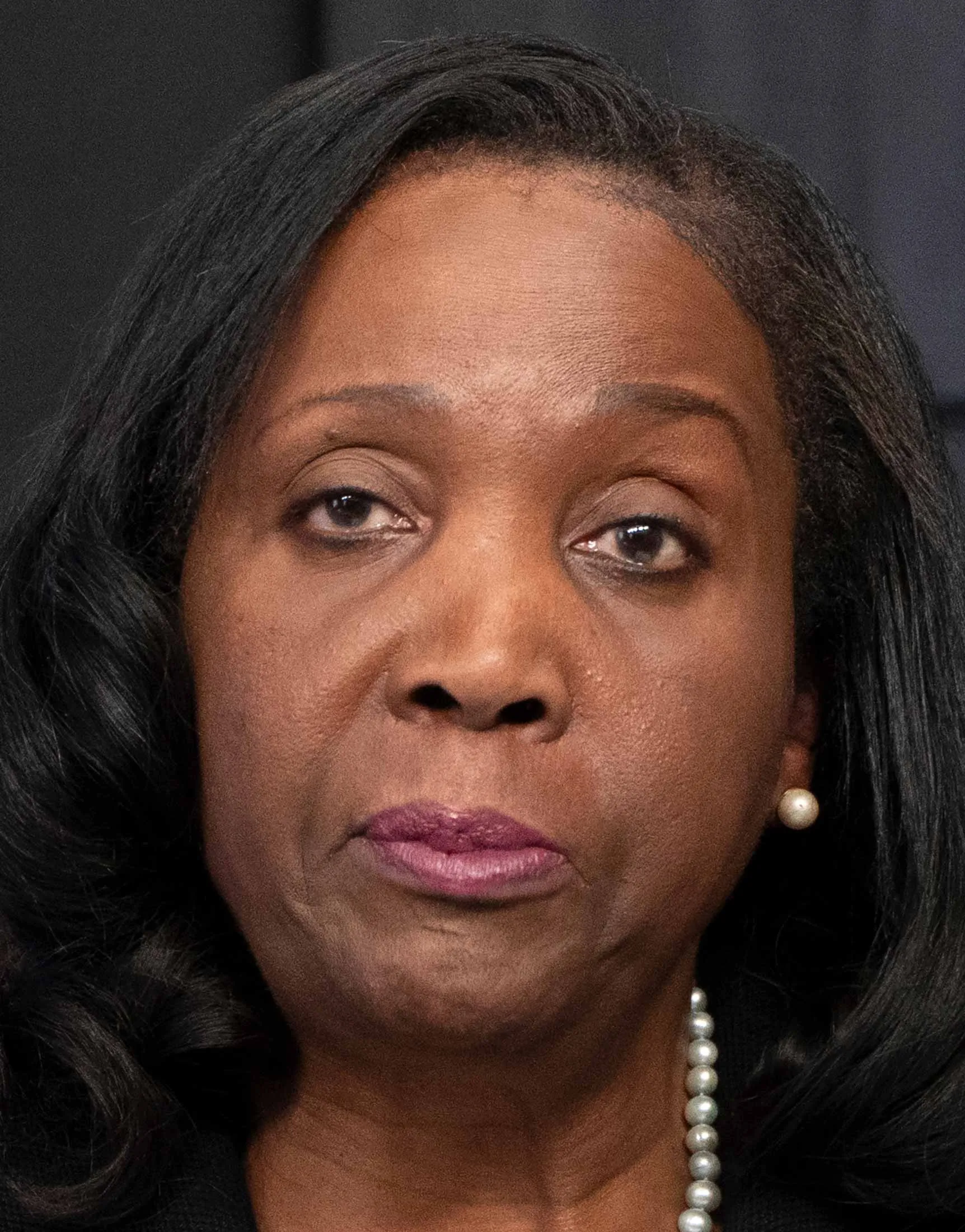
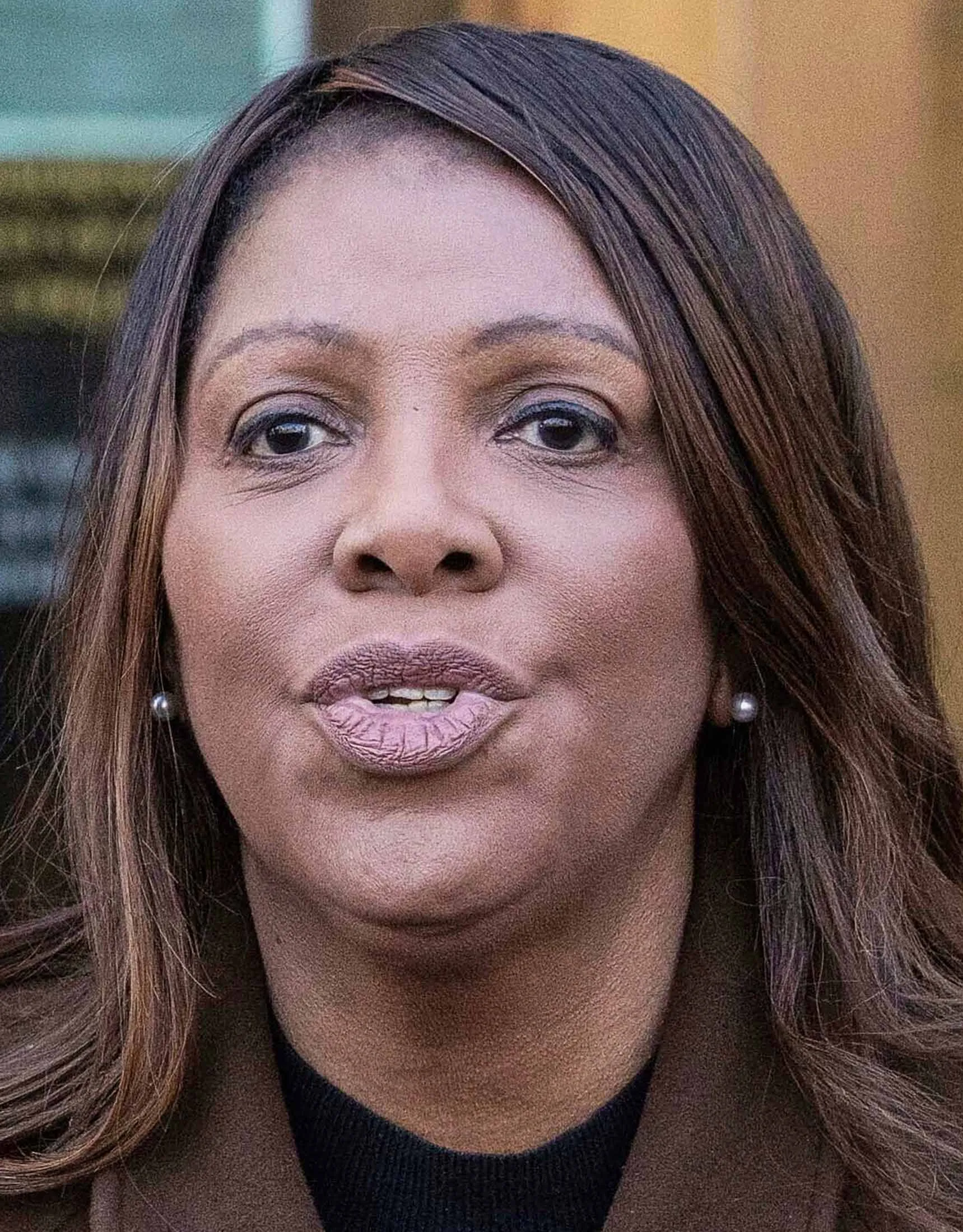
● Weaponized the Justice Department. Trump has swept aside the post-Watergate independence previous presidents granted the US justice system, which largely allowed it to operate free from political pressure. He fired seasoned federal prosecutors and replaced them with allies, and he ordered his attorney general, Pam Bondi, to investigate and prosecute government figures who he claims wronged him.
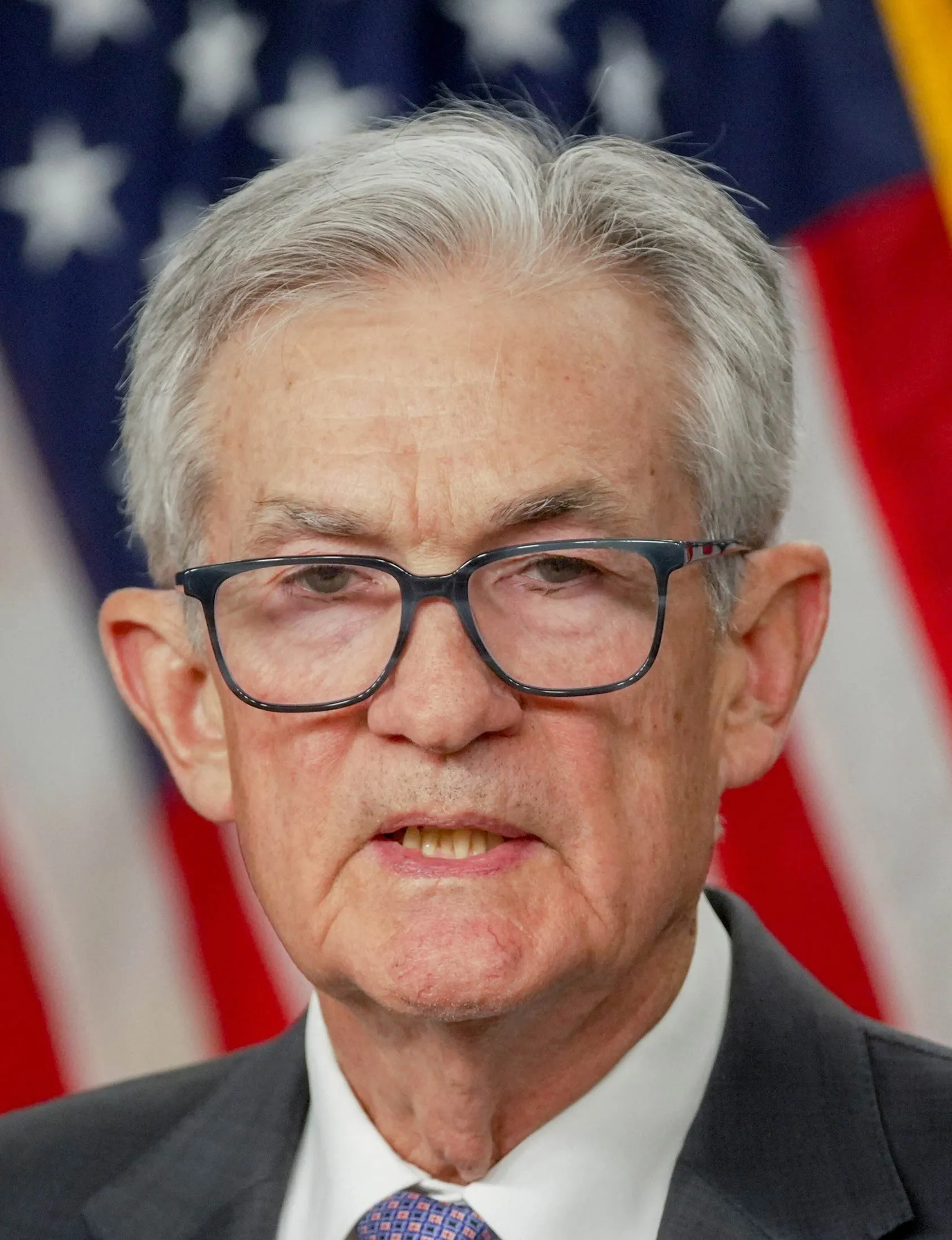
● Put the world on notice. As a candidate, Trump vowed to disentangle the US from foreign conflicts and focus on domestic issues. Instead he’s picked fights with other leaders and unleashed raw displays of US military power. He’s ordered airstrikes on seven nations.

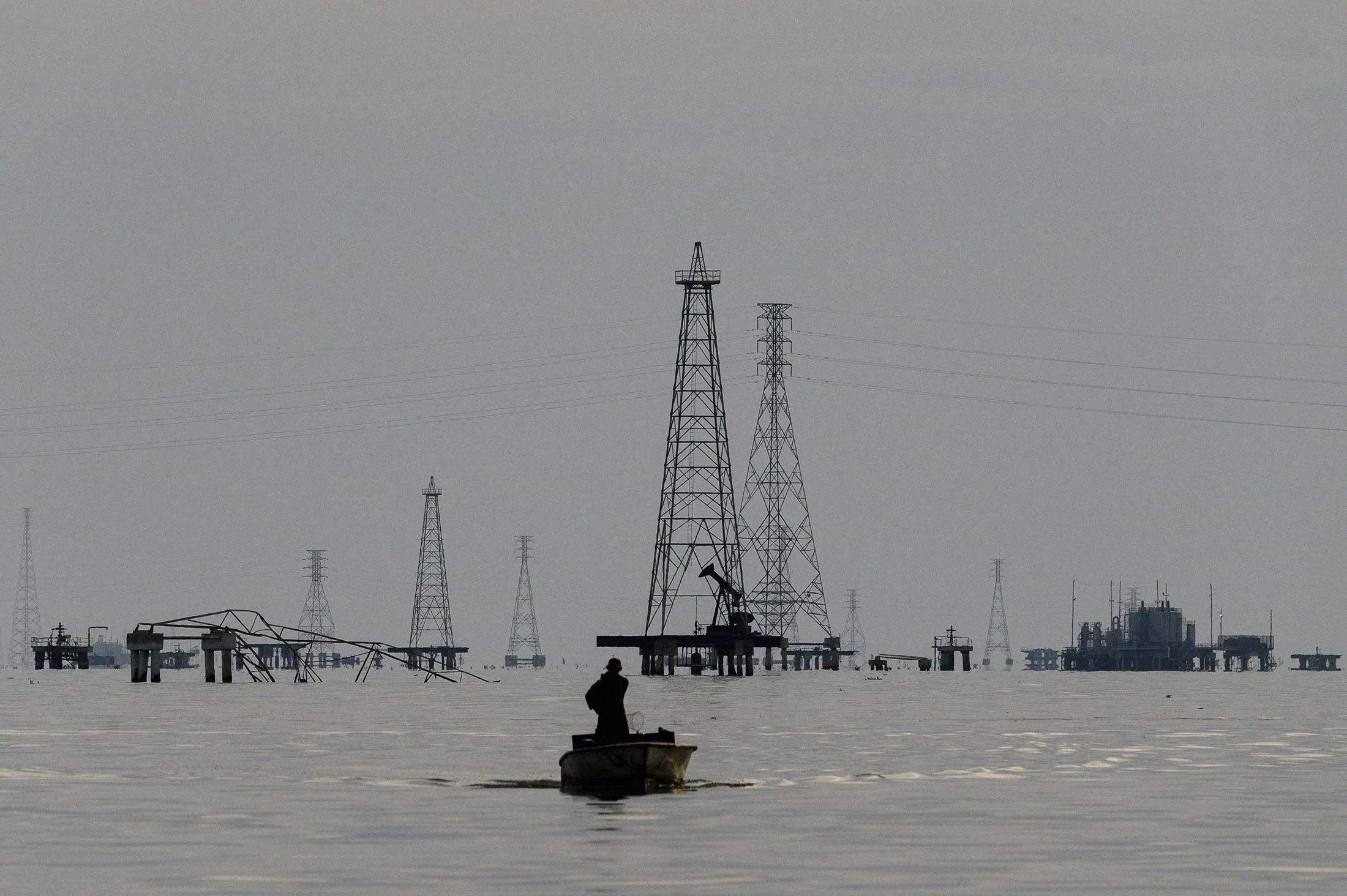
And he began the new year with a surprise military mission to oust Venezuelan leader Nicolás Maduro, claiming the US would “run” the country and profit from its vast oil reserves.
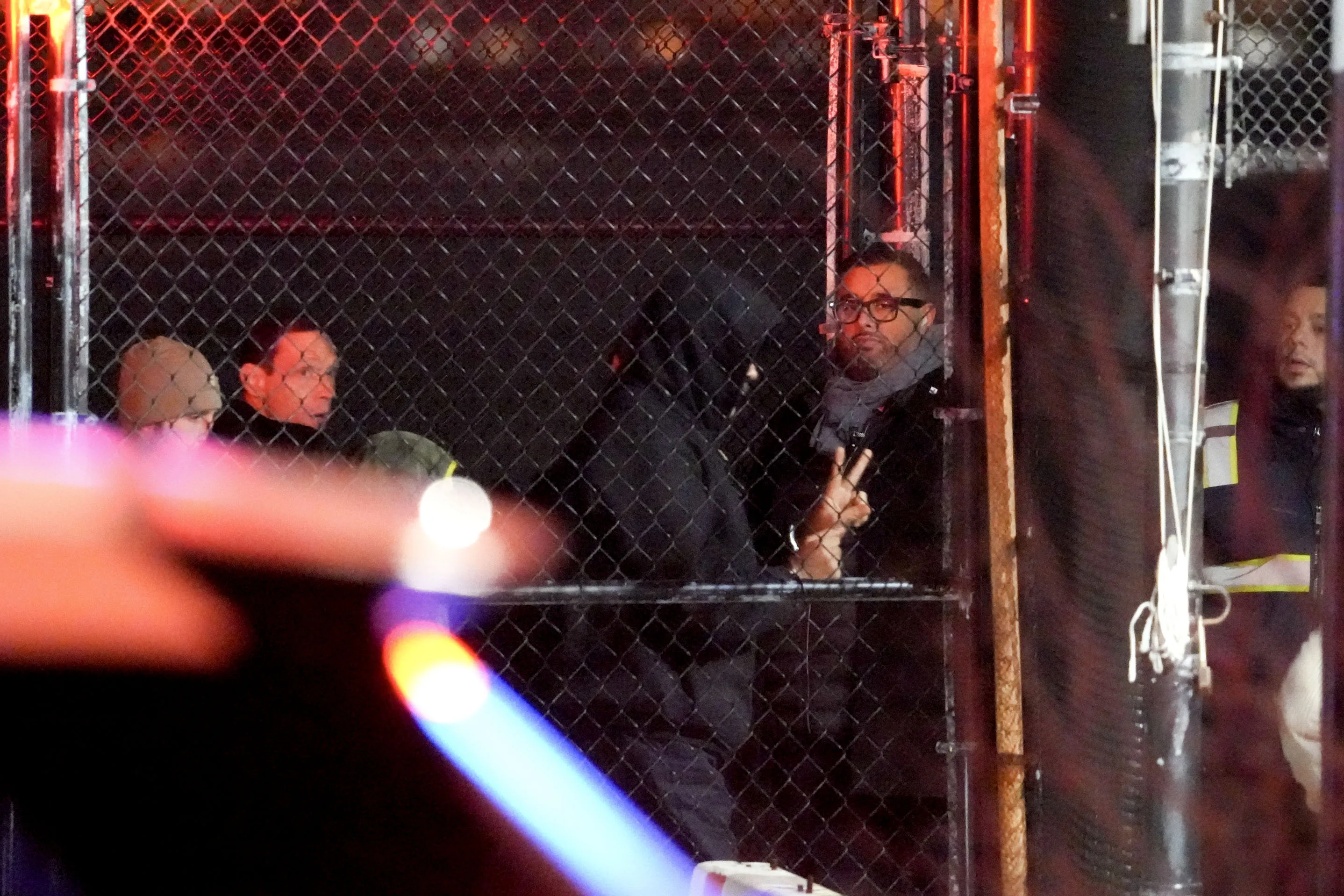


Trump’s repeated musings about forcibly annexing Greenland, a self-governing territory of NATO ally Denmark, have shaken the mutual defense pact. One member attacking another could spell the end of the alliance, at least in its current form.
Percentage-point change in poll respondents who view the US favorably, 2024 to 2025

Source: Pew Research Center
Early in his second term, Trump announced his intention to pull the US out of international agreements and organizations, including the Paris climate treaty, the World Health Organization and the United Nations Human Rights Council. At the start of this year he signed an executive order removing America from 66 more international groups.
Trump has also slashed foreign aid, long a way for the US to accrue soft power through international goodwill. In 2023, America accounted for 43% of all government humanitarian funding worldwide. It’s now just a fraction of that.
Nonresident tourism to the US, year-over-year change

Source: ITA, compiled by Bloomberg
The president’s global tariffs, the centerpiece of his economic agenda, have strained relations with allies and adversaries alike, scrambling supply chains and business planning and pushing up consumer prices. Trump promised trillions of dollars in tariff revenue that would pay for programs and shrink the US fiscal deficit. That hasn’t materialized. In 2024 the US federal deficit was $1.82t in 2025 it was $1.78t
And months after the White House predicted other nations would rush to cut trade deals with Trump, major partners including Brazil, China and India are still holding out for better terms.
● Declared everything an emergency. Past presidents reserved their emergency powers for … emergencies, such as wars, when timely decisions can be a matter of life or death. For Trump an emergency is sometimes more of a useful way around barriers to something he really, really wants to do—like tariffs. The Supreme Court will soon rule on whether emergency declarations actually gave him legal authority to impose tariffs. He’s declared a national emergency
10 times, more than any other president in the first year of a term. According to Trump, America is in a …
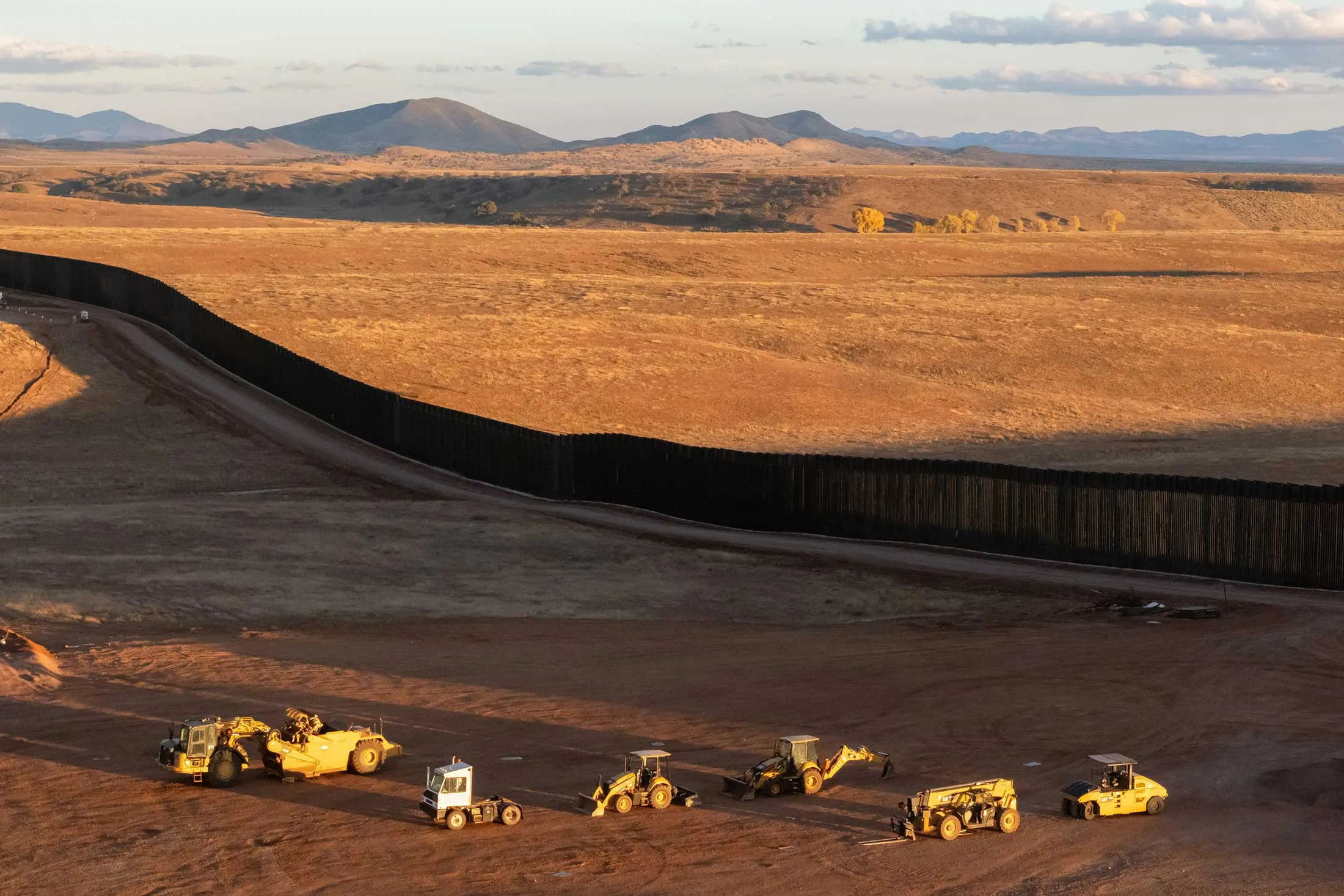
1 Southern border immigration emergency that warranted directing US troops to help stop illegal migration from Mexico and to restart work on border walls.
2 Northern border opioids emergency justifying his decision to bypass congressional approval to impose tariffs on Canada for allegedly flooding the US with illegal fentanyl. (Fact check: Less than 1% of illicit fentanyl enters the US from Canada.)
3 Southern border opioids emergency, this time establishing a rationale for tariffs on Mexico. (Mexico actually is a major source of illicit fentanyl in the US.)
4 Opioids supply chain emergency justifying tariffs on China, allegedly for not doing enough to stop drug trafficking. (China, too, is a major source of illicit drugs in the US.)
5 Drug cartels emergency designating trafficking operations as foreign terrorist organizations and calling for their eradication.
6 National energy emergency freeing up protected federal wildlands for oil drilling and short-circuiting environmental reviews.
7 ICC sanctions emergency accusing the International Criminal Court of abusing its power by “targeting” Israeli Prime Minister Benjamin Netanyahu and former Defense Minister Yoav Gallant, both Trump allies.
8 International trade emergency providing a legal rationale for Trump’s decision to sidestep Congress and impose tariffs on various nations.
9 Brazil emergency justifying sanctions on the country for refusing to drop charges against former President Jair Bolsonaro, a Trump friend arrested for attempting a coup after losing a reelection bid. (Bolsonaro was nonetheless convicted and sent to prison.)
10 Venezuela oil emergency blocking that nation’s creditors from trying to claim Venezuelan oil revenue held by the US Treasury.
● Made himself everyone’s boss. Trump has pushed for control of all federal agencies, even ones Congress created specifically to check presidential power and force public accountability. Mass layoffs of more than 20,000 federal workers under Elon Musk’s so-called Department of Government Efficiency didn’t bring anywhere close to the $2 trillion in savings the administration promised. But it gave Trump something no less desirable: an opportunity to test whether a president can fire career civil servants at will.
Trump also removed more than 10 appointees to independent agencies, and he’s taken aim at departments he’s deemed too “woke.”




● Put the high court on speed dial. Trump has tried to get around federal court judges who’ve blocked some of his moves by taking advantage of the Supreme Court’s emergency “shadow docket.” These appeals for quick, often unsigned decisions are intended for urgent matters. Trump has made them a matter of routine.
In his first year he sought rapid decisions from the Supreme Court
31 times, far more than any predecessor. It’s easy to see why: The court’s conservative majority sided with Trump in 22 of those cases, allowing him to move ahead with his policies while legal challenges work their way through lower courts. The Supreme Court ruled against him in just four cases. (Of the remaining cases, one resulted in a split decision, two were withdrawn, and the other two haven’t been decided.)
The justices have temporarily cleared the way for Trump to freeze foreign aid, fire federal workers and independent agency heads and ban transgender people from serving in the military.
● Used troops as political tools. Trump has long viewed the US military as his personal fighting force. He was furious during his first term when Pentagon brass refused to support deploying US armed forces to counter Black Lives Matter protesters. But he’s seen his preferences fulfilled in his second term. He has sent National Guard troops to patrol Democratic-led cities …
Domestic deployment of the US military, 2025

Source: Lawfare
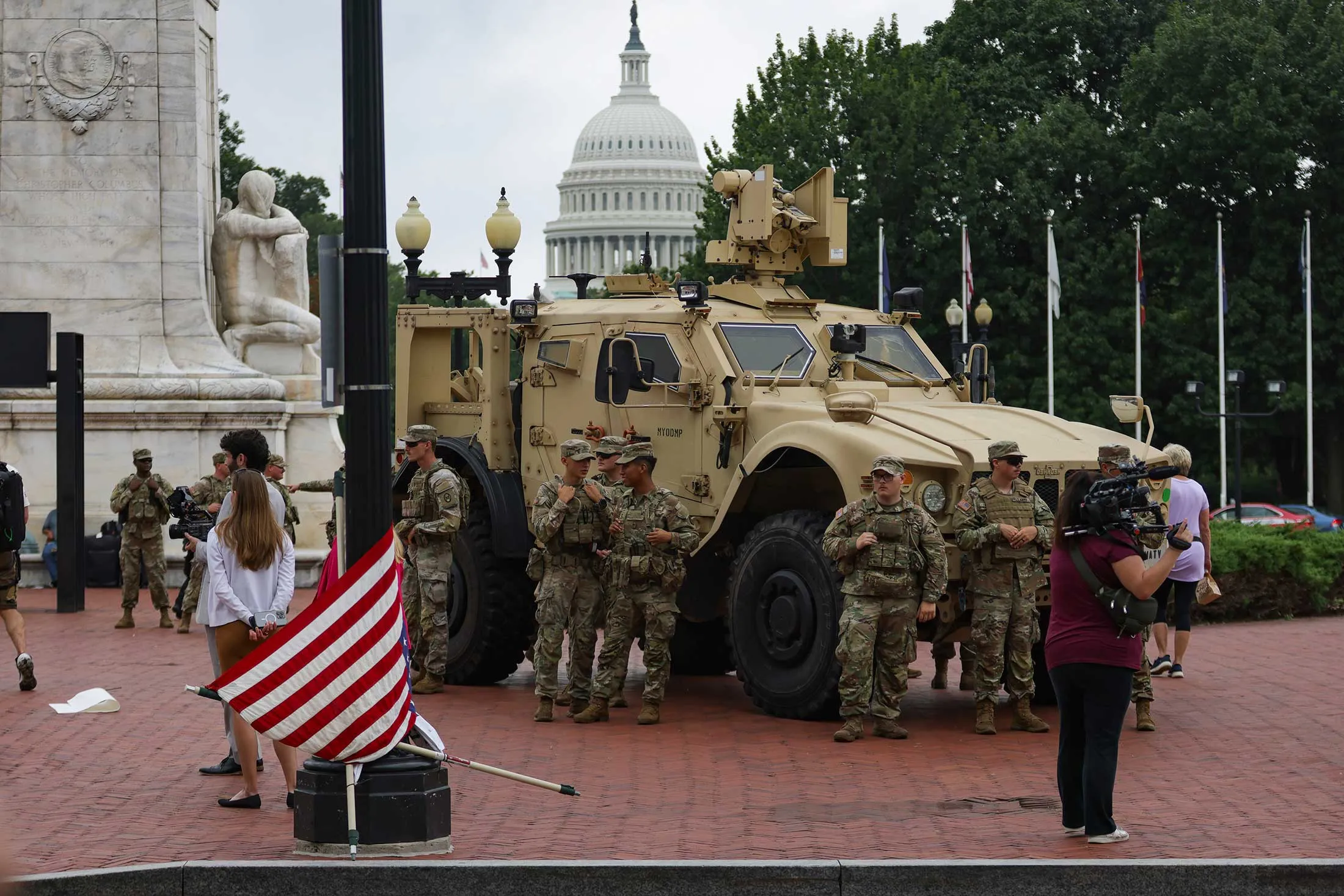
… and transformed ICE—US Immigration and Customs Enforcement—into a masked, heavily armed paramilitary force.

● Plastered his name and face everywhere. When the newly formed US Treasury wanted to put President George Washington’s face on currency, as the British did with their king, Washington refused: America’s leaders were ordinary citizens who served the people, not monarchs who ruled over them. Trump has rebranded the capital with his name and likeness and remade its spaces to suit his gilded tastes.
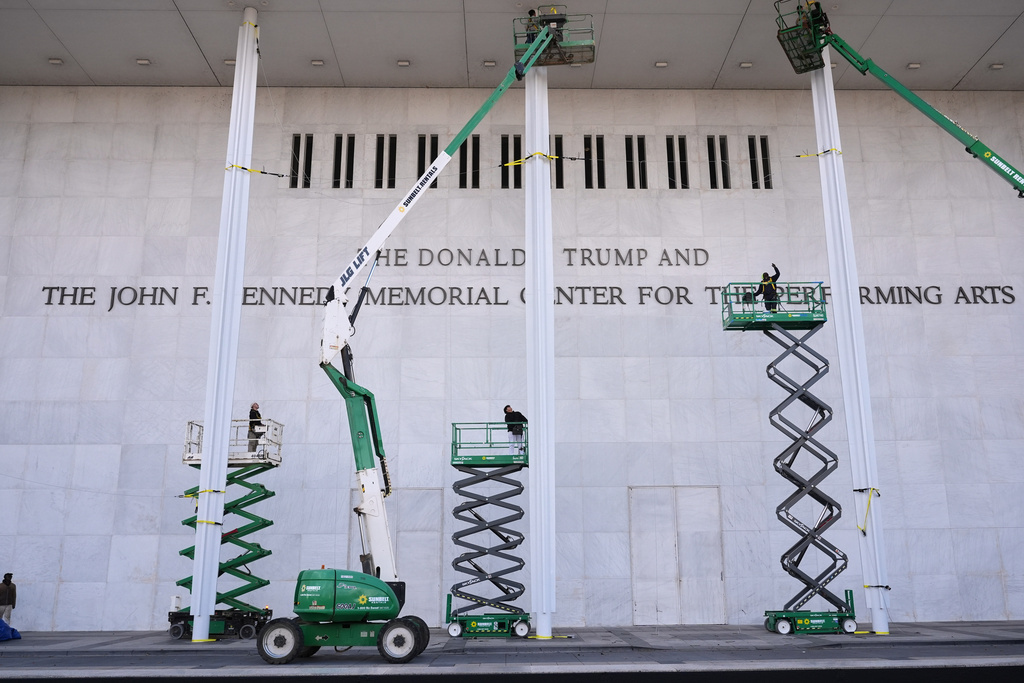
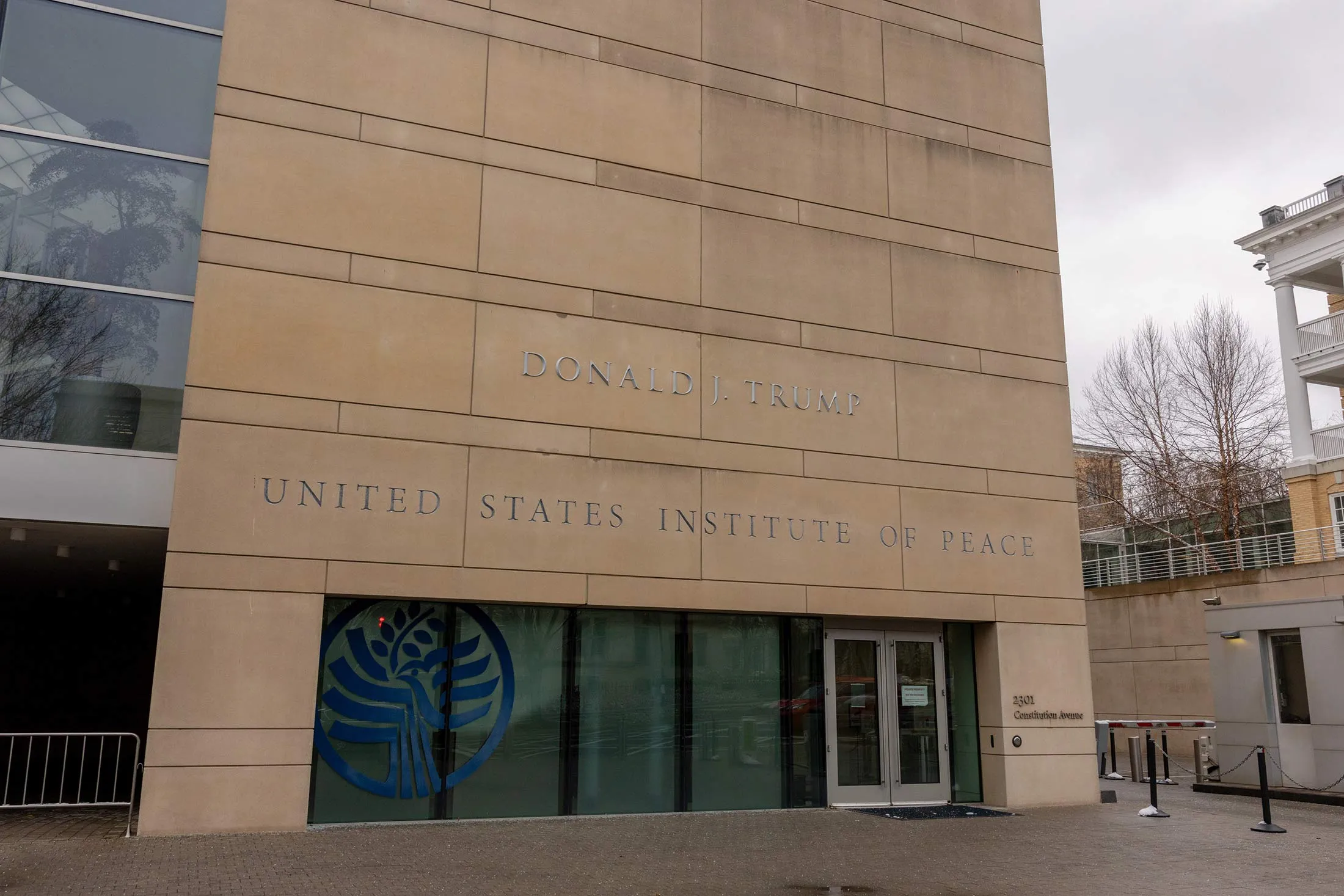
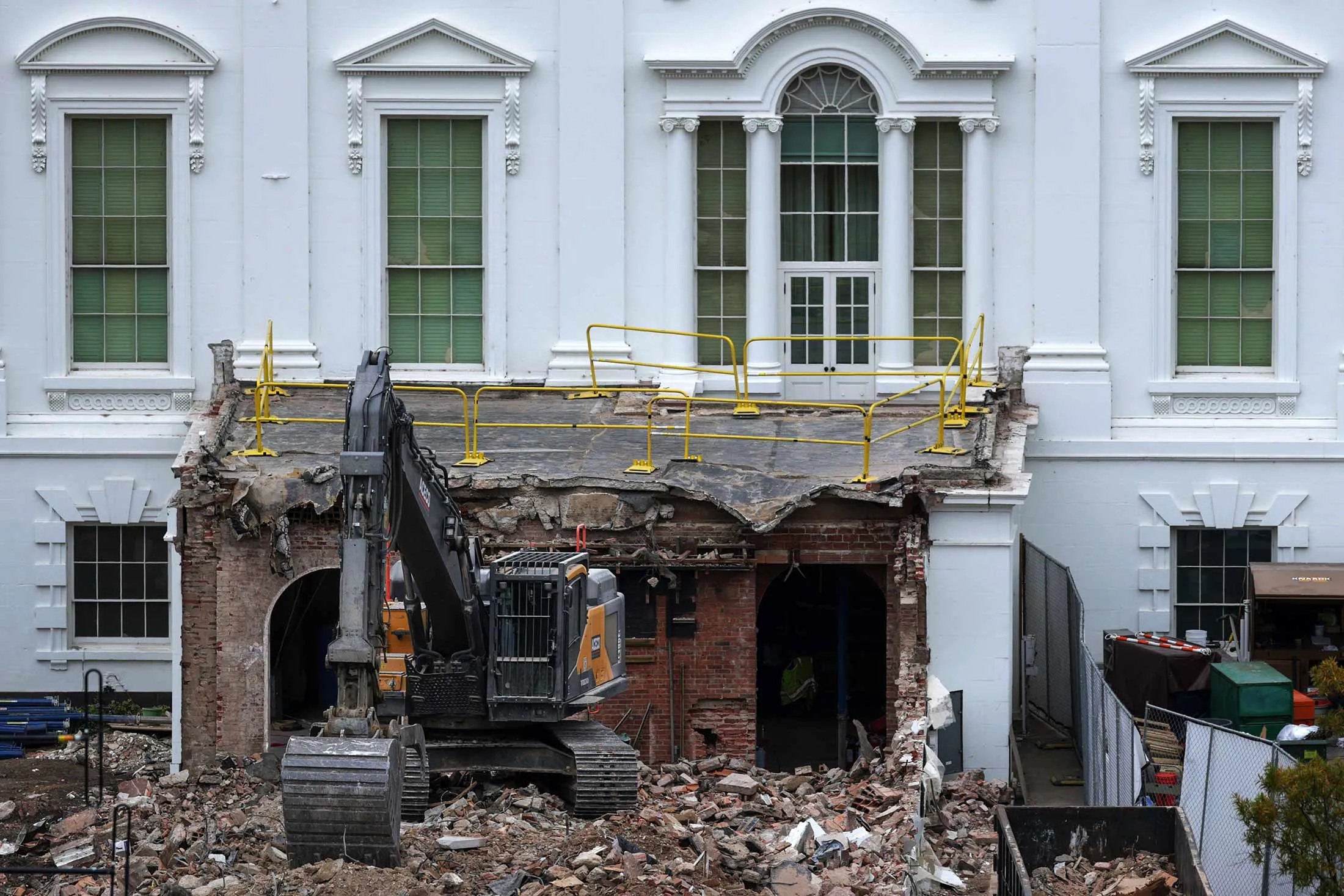
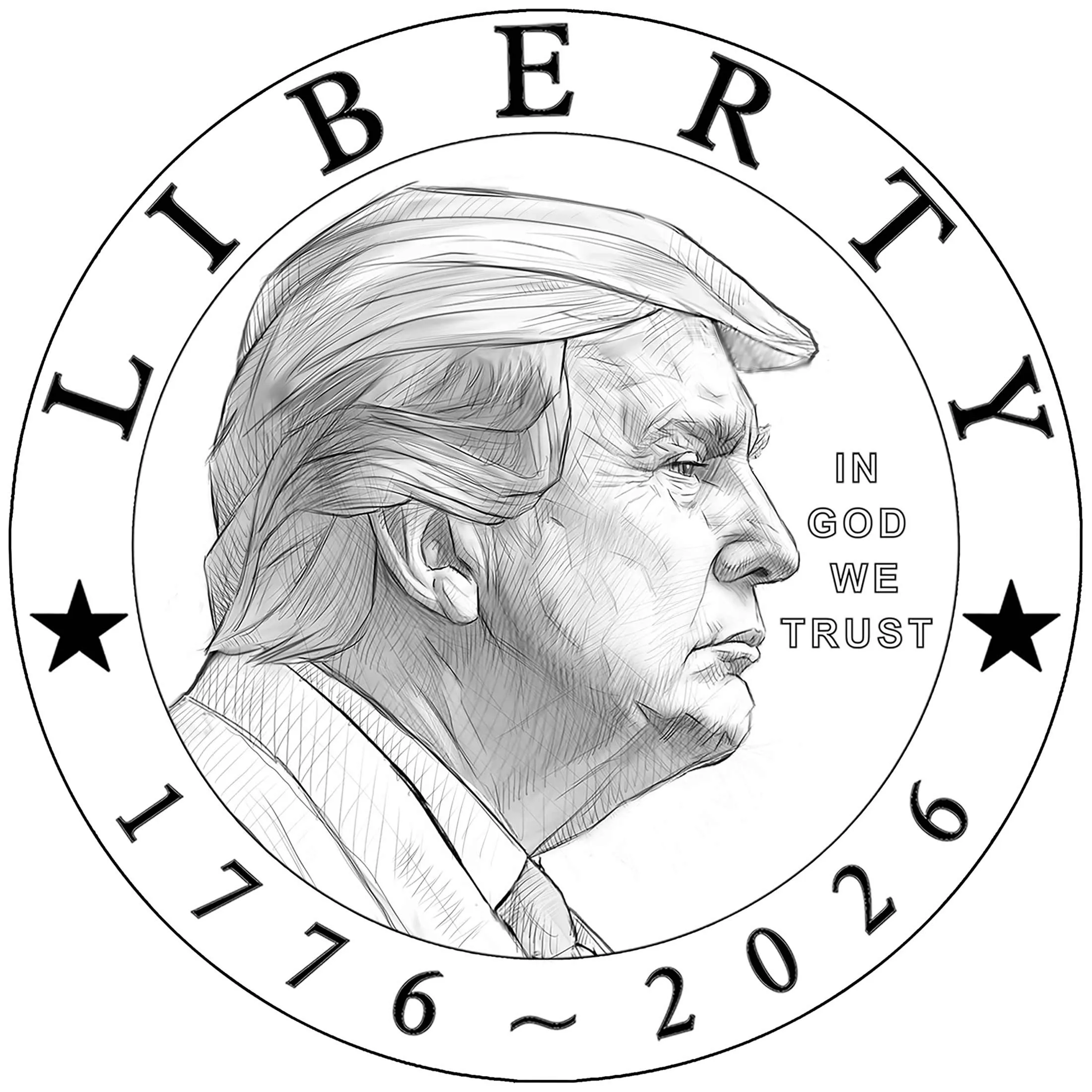
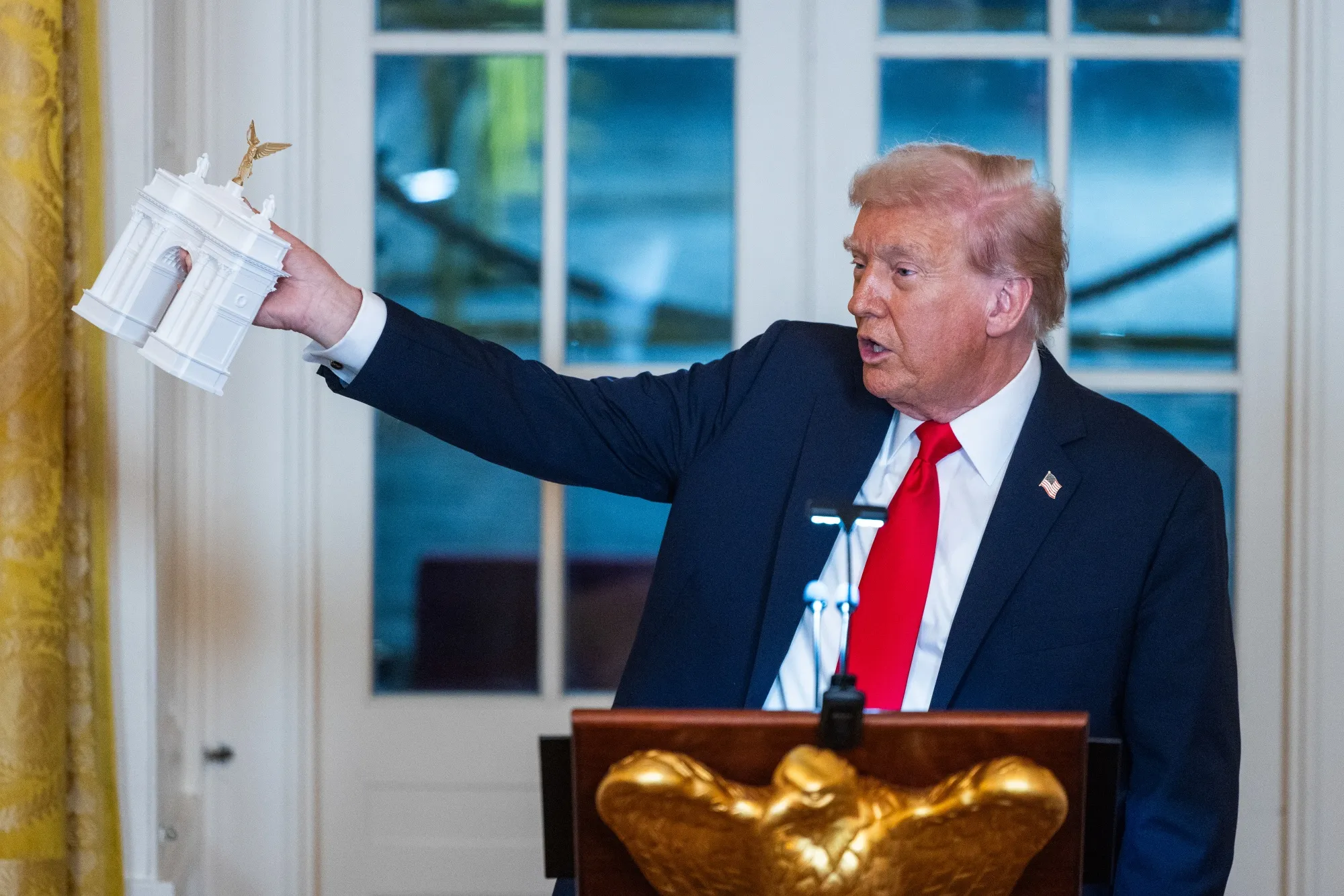
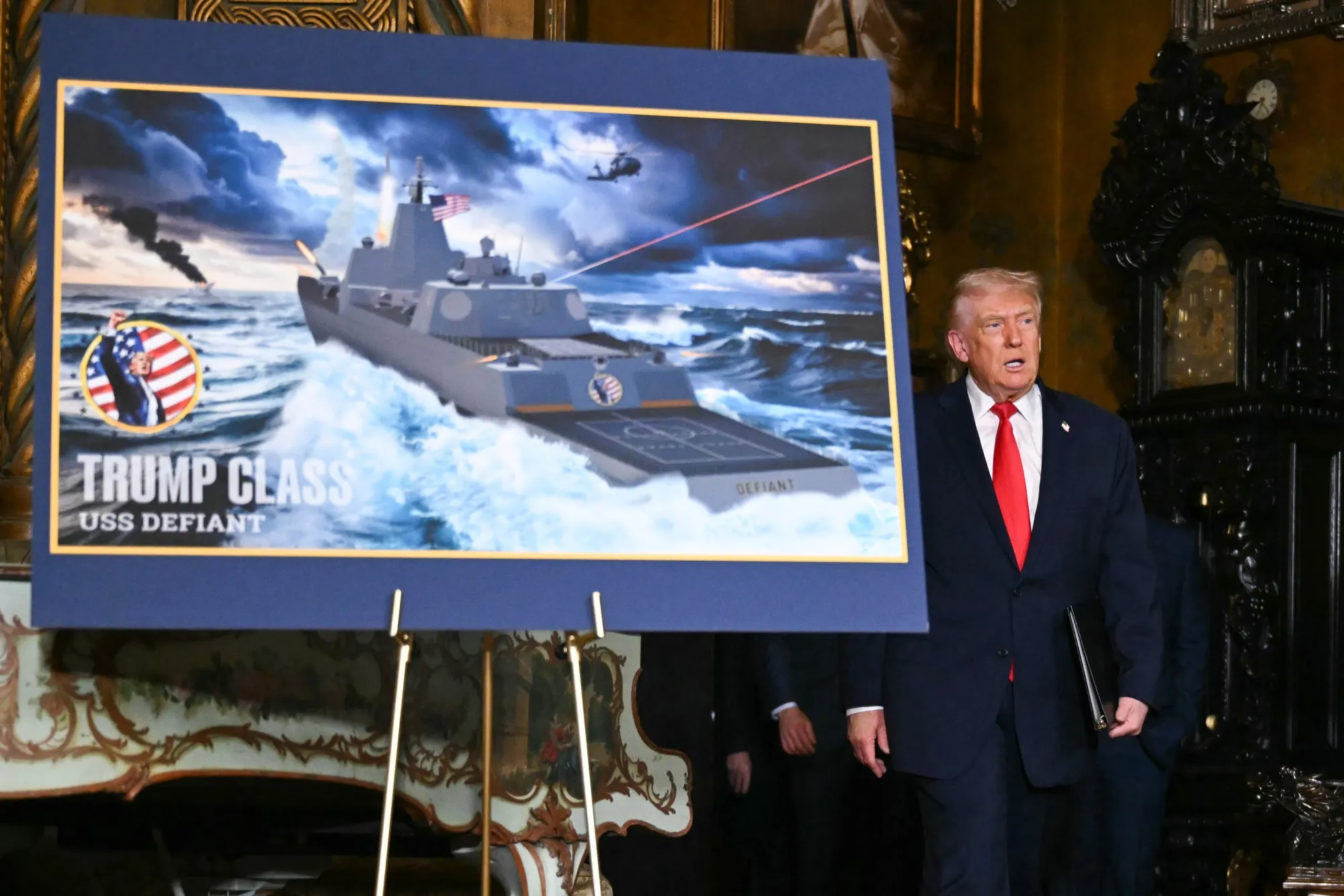
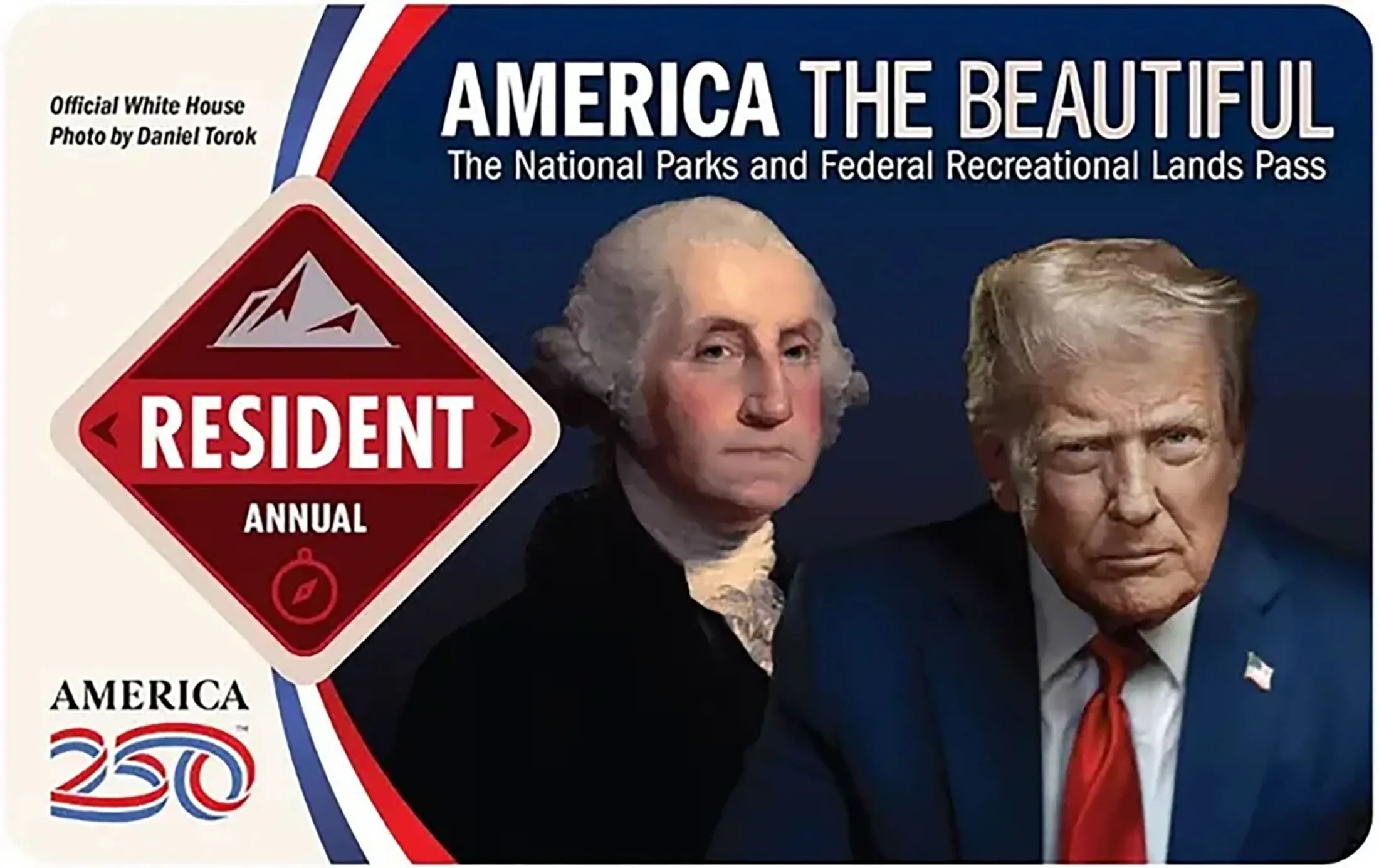
● Mixed politics and profit. Past US presidents strained to avoid any appearance of using the White House’s power to make money for themselves. Not Trump.
Since returning to office, he’s intermingled government and private business interests as his companies pursue lucrative deals at home and overseas. The Trump Organization has plans for new towers and golf resorts in countries in Europe, Asia and the Middle East while some of their governments are striving to stay in the president’s good graces on tariffs, security and other concerns.

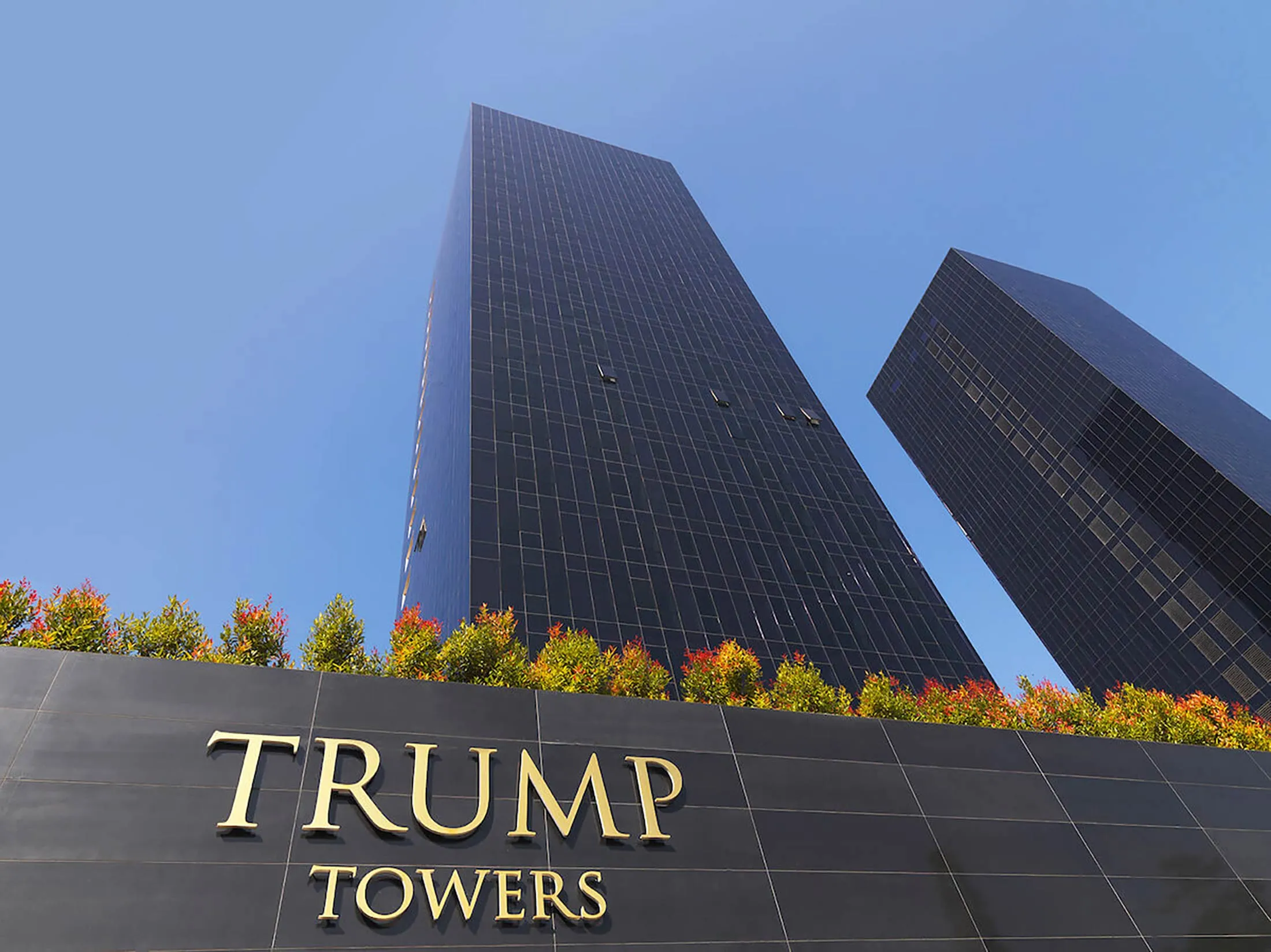
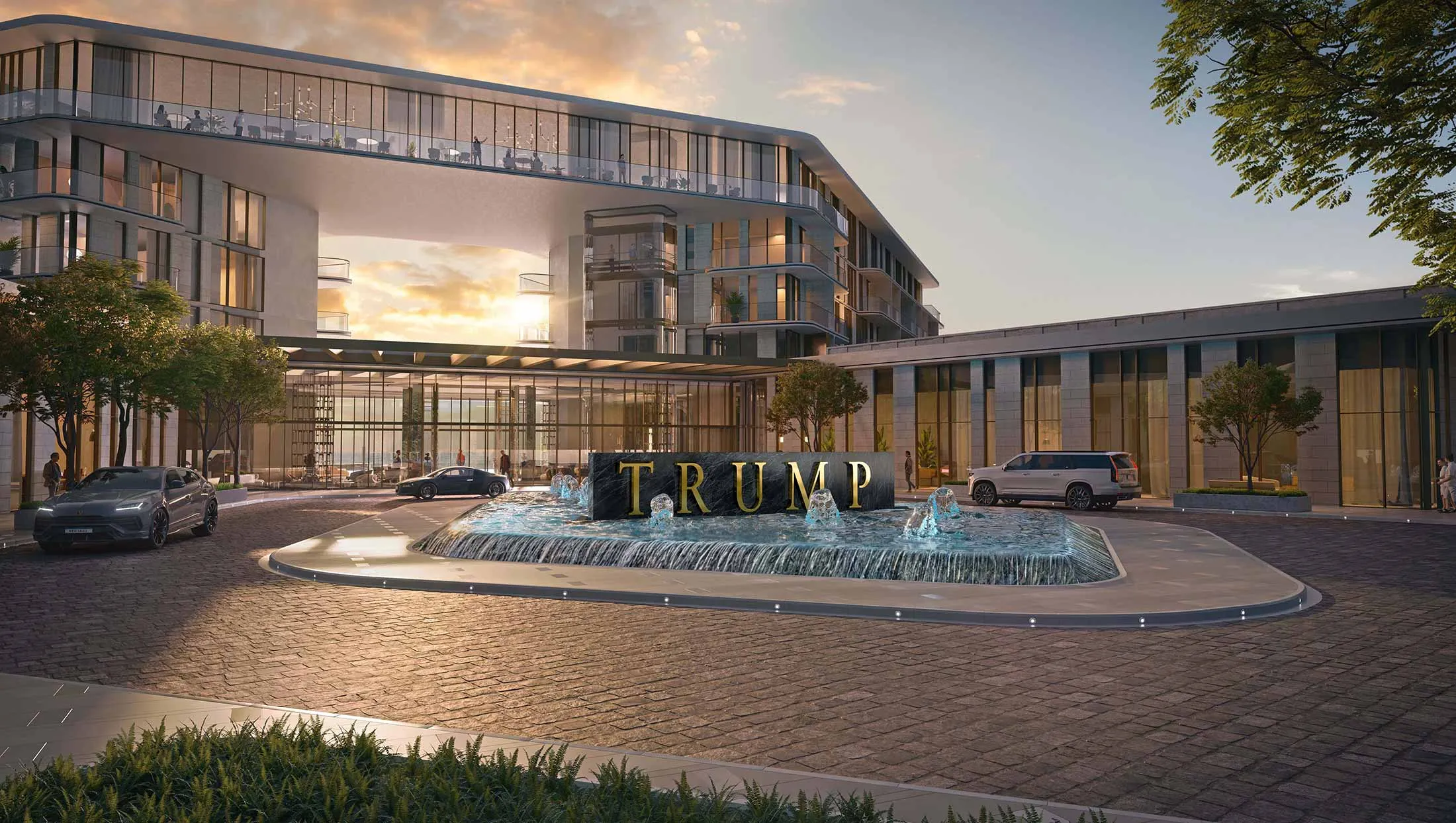
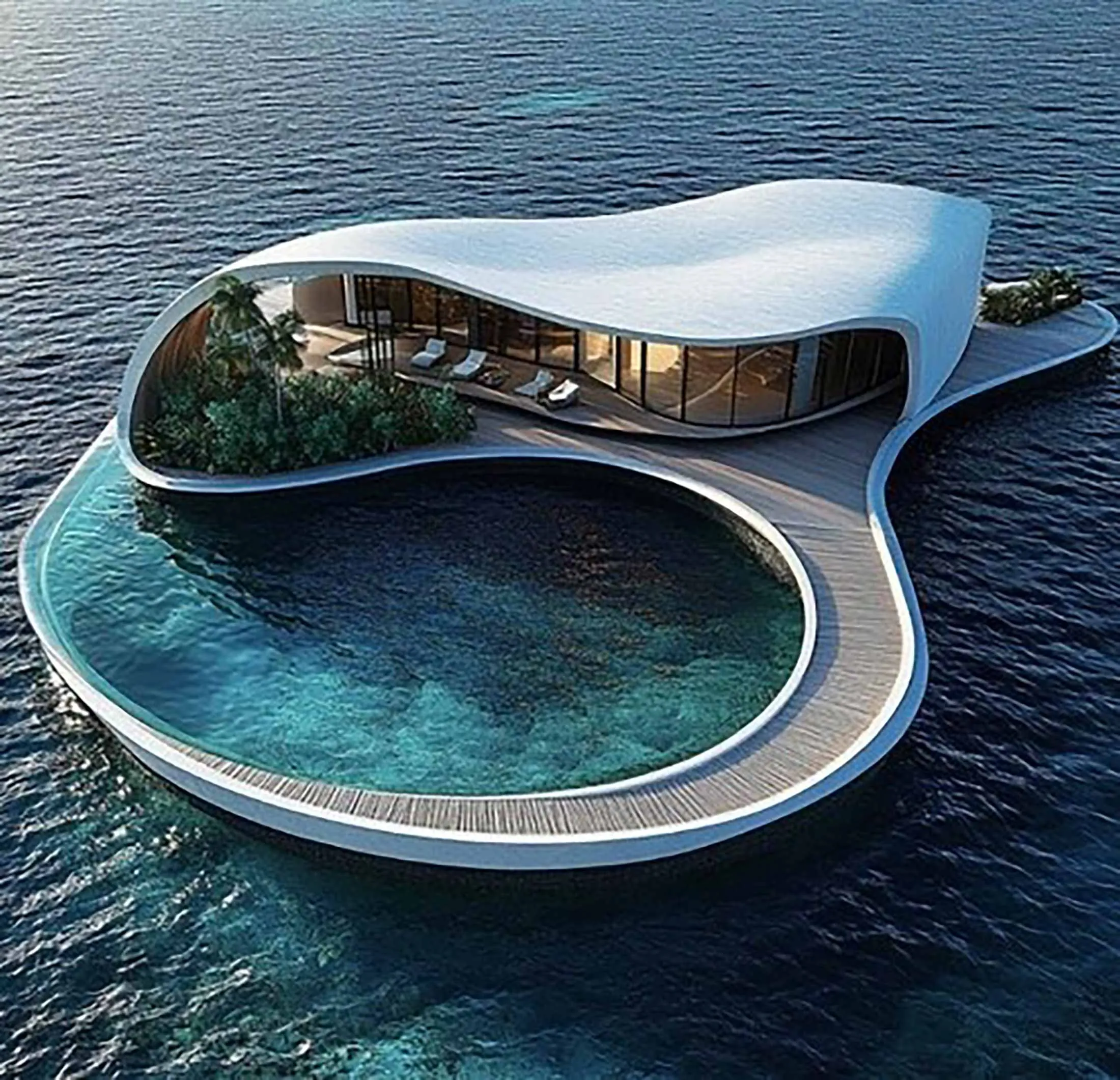
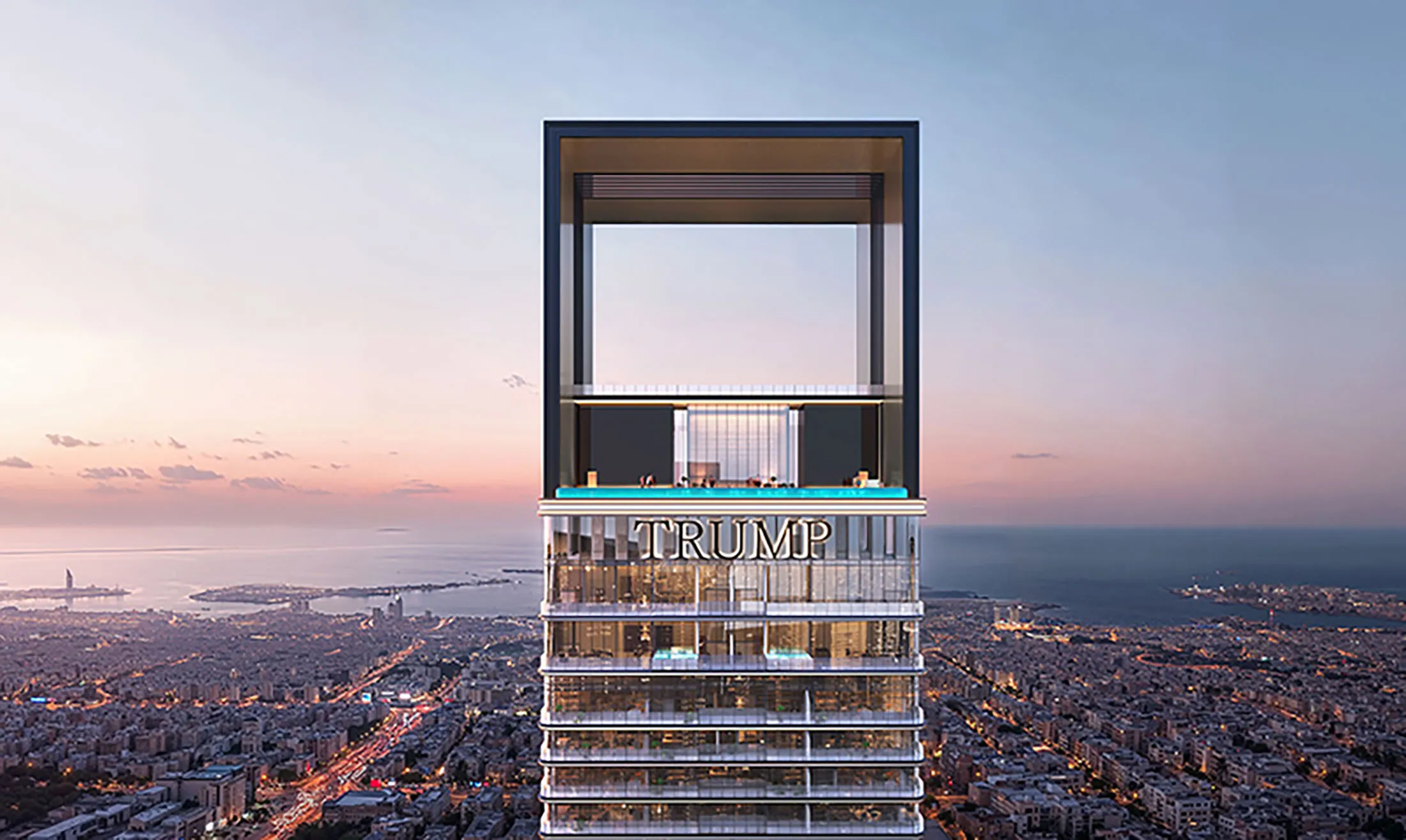

And also Riyadh (residential, golf); Gurgaon Sector, India (residential); Hưng Yên, Vietnam (residential, hotel, golf); Doha (residential, golf); and Bucharest (residential).
He also has financial interests in multiple cryptocurrency ventures, including a Trump memecoin and the USD1 stablecoin. Trump and his three sons are among the founders of the company that issued the stablecoin, World Liberty Financial.

Sources: Bloomberg, CoinMarketCap
The White House has said Trump removed himself from the decisions of his real estate business and doesn’t take a salary as president. “Neither the President nor his family have ever engaged, or will engage, in conflicts of interest,” a spokesperson told Bloomberg Businessweek in December.
What Hasn’t Changed (Yet)
Despite Trump’s efforts to bend Washington to his will, he’s encountered resistance from other parts of the government and the public. Notably …
● Not all courts are caving. The sympathetic Supreme Court majority has given Trump an at least temporary pass to pursue some of his goals, but he’s found a chillier reception in lower federal courts. The administration was sued more than
700 times in the first year by parties challenging his policies—and that’s not including more than 1,400 claims filed by companies against his global tariffs. At yearend the administration was losing more of these cases than it was winning. Although many fights are still working through the appeals process, there were 200‑plus orders in place blocking policies or actions, compared with about 125 cases in which the government had prevailed.
On Dec. 23 the Supreme Court also handed Trump a stinging loss when it refused his emergency request to deploy the National Guard in Chicago. Days later, Trump pulled troops from Los Angeles and Portland, Oregon.
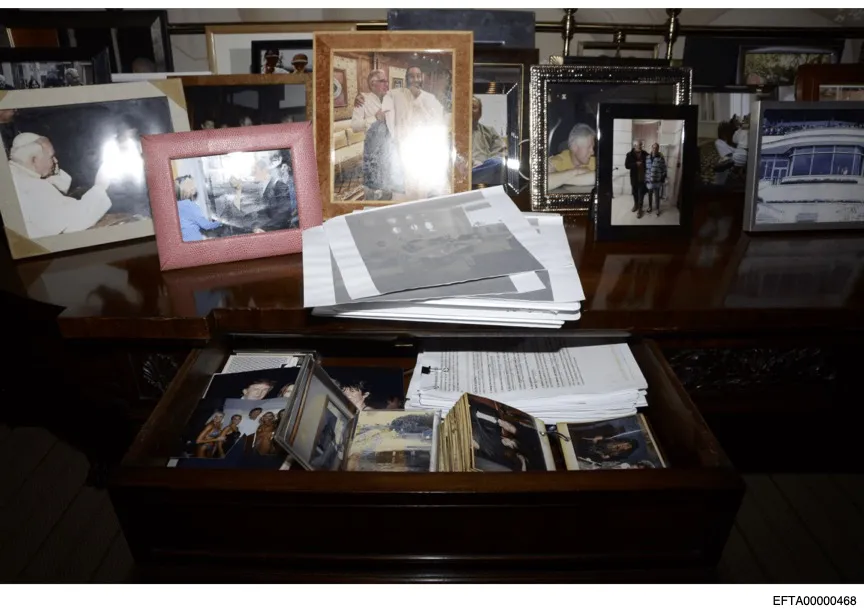
● Congress hasn’t completely bent the knee. The Republican-controlled House and Senate have largely approved Trump’s policies and sat by while he snatched away their powers. Yet even some of his ardent supporters dug in against his efforts to freeze federal funding and to undercut states’ power to regulate artificial intelligence. Several House conservatives joined with Democrats this month to block future strikes on Venezuela without congressional approval. A noisy faction of MAGA Republicans have protested Trump’s resistance to a full release of the Jeffrey Epstein files.
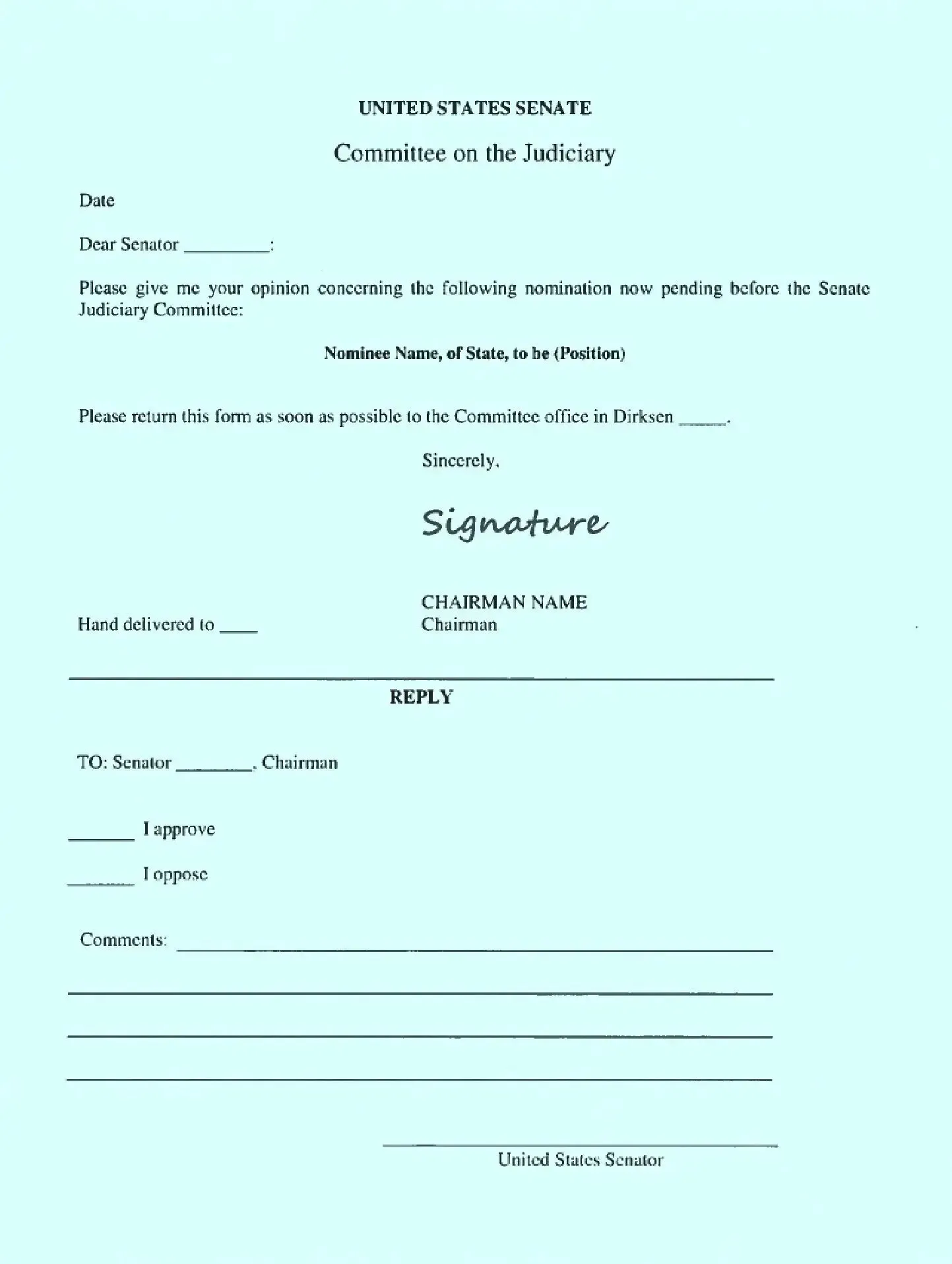
And GOP leaders in the Senate have refused his demand to eliminate “blue slips,” the age-old custom that allows any senator to block a president’s nominees for a federal judgeship in their home state. Democrats have used it to gum up the works.
● Most Americans haven’t bought in. As the price of food, health care and other necessities tick upward,
Change in consumer prices since December 2024

Source: US Bureau of Labor Statistics
Note: Seasonally adjusted
US consumer confidence has fallen.
US consumer sentiment index

Source: University of Michigan, compiled by Bloomberg
Many blame Trump. According to a Reuters/Ipsos survey from Jan. 6, 59% of Americans—and 62% of independents—say the US is on the wrong track.
Trump’s job approval

Source: Reuters/Ipsos Polling
And a Gallup poll released on Nov. 28 showed Trump’s job approval rating had fallen to its lowest level since he returned to office.
Share of Gallup poll respondents who approve of the way Trump is handling ...

Source: Gallup, Nov 2025
What’s Next
Major court rulings and looming midterm elections—along with an uncertain economy and rising global tension—could fuel Trump’s agenda or set it back. In Year 2, expect …
● More from Project 20252026. Look for the administration to keep checking off prescriptions from Project 2025, the far-right Heritage Foundation policy agenda Trump disavowed as a candidate then embraced as president. This year could see attempts to criminalize the sale of abortion pills through the mail, further restrict LGBTQ rights and crack down on diversity programs at companies and universities. The president has also suggested he’ll seek to expand his National Guard rollout in Democrat-led cities.
● The Supreme Court to weigh in for real. The high court is set to hand down final decisions on three consequential cases challenging Trump policies, with others certainly to come.
● A make-or-break midterm election. If ever a midterm cycle could be considered a barometer of how voters feel about a president, it’s this one. Trump has everything at stake: Republicans, who have the slimmest majority in the House, can’t afford to lose more than a handful of seats. A Democratic-led House and, less likely, Senate could block or slow him down and possibly move to impeach him.
“You got to win the midterms, because if we don’t win the midterms, it’s just going to be—I mean, they’ll find a reason to impeach me”
Two groups could be especially important to the Republicans’ fortunes in the congressional elections: Black and Hispanic voters, who shifted toward Trump in significant numbers in 2024 but have come to view him less favorably since.
Share of poll respondents who believe the US is headed in the right direction, by race

Source: The Economist/YouGov poll
Some Democrats are already daring to whisper about the possibility of a “blue wave” election in which they’ll decisively defeat Republicans. Don’t count on that. But don’t count it out, either.
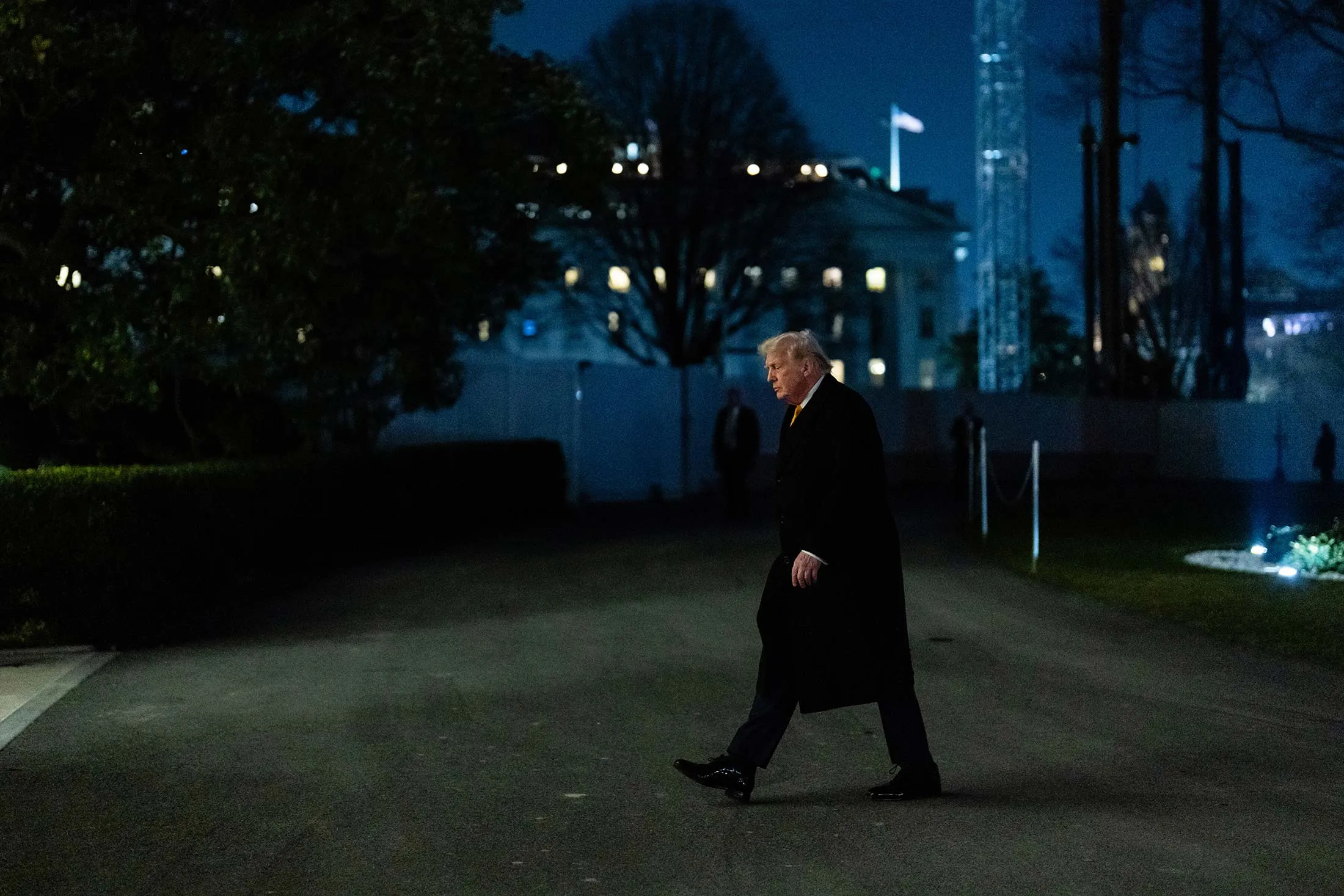
● This story to be outdated almost immediately after it’s published. Trying to forecast the president’s moves a month or even a day ahead is risky. He’s impulsive and relishes keeping people guessing. The only reliable answer to what Trump will do next: Wait five minutes.
—With Greg Stohr and Zoe Tillman