
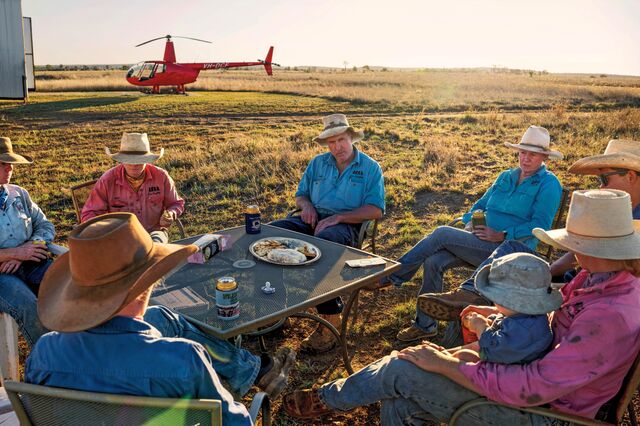
Markets MagazineKeep It or Cash Out? A Succession Crisis Hits Some of the World’s Biggest Farms
As Australian agriculture scales up to stay competitive, family businesses are struggling to hand their operations to the next generation.
Towering over the flat, brown plains of eastern Australia, the steel feeding shed dominates the landscape. Five stories tall, the structure underscores the scale of the farm it serves—roughly the size of Chicago, so big that its owners hop into a helicopter to address far-flung emergencies among its 15,000 head of cattle. “People say to you, ‘Oh, you can see it from Mars,’ ” says Karen Penfold, 54, the matriarch of the family who oversees the operation.
Four generations of Penfolds have made a living farming on the continent. Now they’re at the center of an emerging crisis: How will these businesses survive intact into the next generation?
The Penfolds’ metropolis-size property is no outlier in Australia, where farms average 72 square kilometers (28 square miles), compared with 1.8 square kilometers in the US. The operations have had to grow bigger, and take on more debt, because the country pays farmers little in subsidies, a fifth the level of Canada and the US and a tenth of the European Union. The average farm carried debt of A$1.1 million ($737,000) in 2024, nearly twice as much as a decade earlier. “The whole push for Australian farms to be efficient and competitive internationally has meant scale,” says Alison Sheridan, an emeritus professor at the University of New England Business School. “Scale was necessary.”
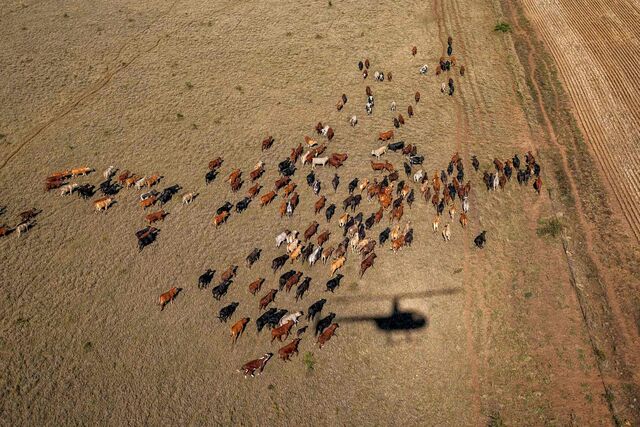
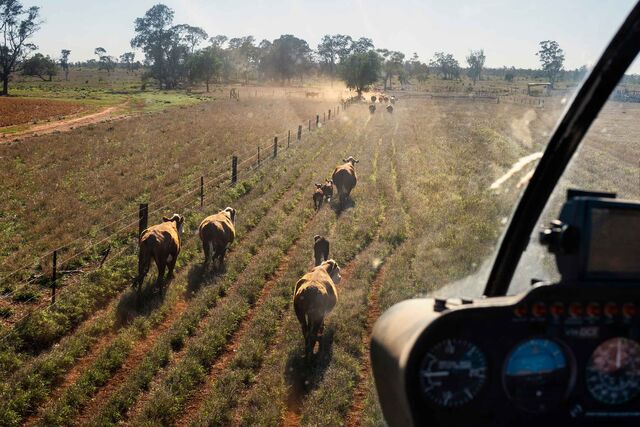
A messy generational succession could undermine one of the world’s great breadbaskets. Australia’s farmers not only put food on the tables of the nation’s 27 million people but also supply China, Southeast Asia and the US. Australia, which produces prodigious crops of wheat and barley, is the second-largest beef exporter in the world, after Brazil. US consumers have such an insatiable appetite for lean Australian cuts—combining perfectly with fattier American varieties in hamburger patties—that US President Donald Trump has agreed to lift his 10% tariff. Partly thanks to Australia’s huge pastures, the majority of cattle are grass-fed, which appeals to health-conscious consumers.

A review by industry group Dairy Australia of western ranches in the state of Victoria found that only 14% of farmers had finalized a transition plan. A report by Charles Sturt University found that even those who do navigate their succession can suffer what one farmer described as “20 years of hell,” often because of family conflict. In dozens of interviews, farmers and their families call succession one of their biggest challenges. The doubling of prices for rural land over the past decade has made selling out more attractive, even if there’s often little cash left after repaying debt.
One solution, once taboo, is selling to a large institutional investor or corporation. In August money manager New Forests Advisory Pty Ltd.’s New Agriculture unit announced it had acquired a 50% stake in McPhee Beef Farms, a 30-year-old family operation in the state of New South Wales that exports high-quality Wagyu meat.
David Shelton, global head of investments at New Forests, says a purchase by an institution could present multiple benefits to farmers without a succession plan. The investor acquires a valuable asset run by an experienced hand, and farmers can stay on the land as long as they want with a guaranteed salary. “Historically farmers would sell to farmers, whereas now there are farmers selling to corporates, selling to downstream investors, selling to conservation organizations, selling to institutional investors, selling to managers,” he says. “I think that’s a healthy thing for the development of the sector.”
Jay McPhee, the farm’s founder, says he decided to sell when it became clear his sons had no interest in the beef trade. “It’s like a lot of families,” he says. “Kids go to universities in town, and they’ll meet someone and get married and all that, then decide they don’t want to be living in the country anymore.”
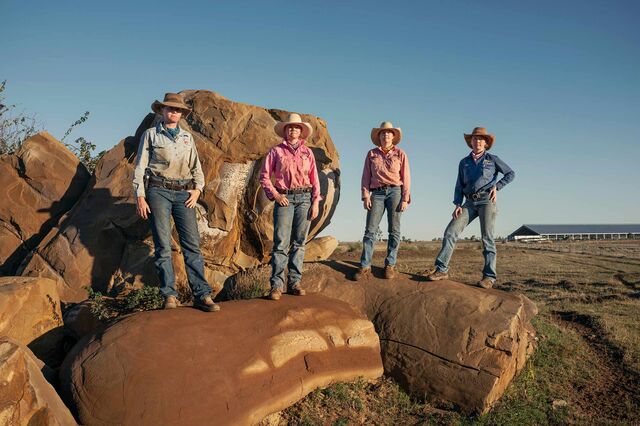
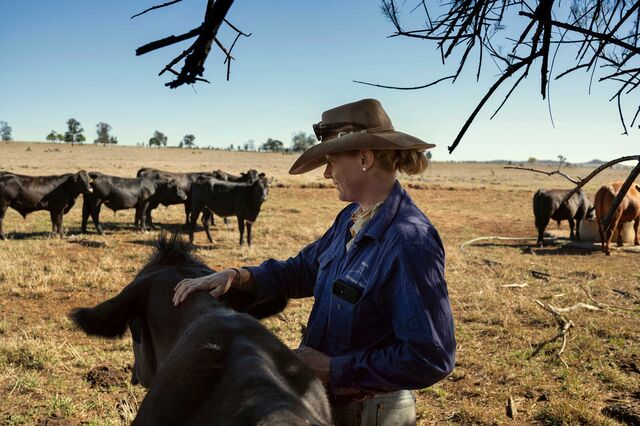
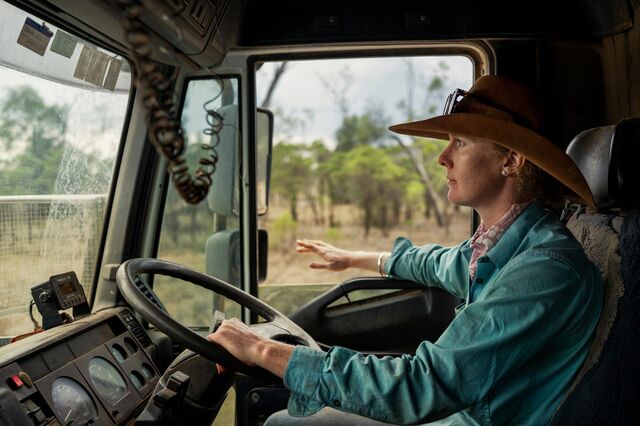
THE PENFOLD FAMILY started farming in New South Wales, about 300km north of Sydney. In the 1950s, Frank Penfold began his first small cattle farm there in vast, green paddocks surrounded by creeks and gum trees. When their family grew too large for the farm, his sons Jim and Les applied for the land lottery in the northeastern state of Queensland, known for its extreme conditions, brown arid land in the south, verdant tropics in the north. It was a way for poorer farmers to get a start on the land, renting from the state government while they got their operations up and running.
The Penfolds had a rough start. Jim’s son, Dan, grew up in a wooden shed. But Jim thrived, and before long he’d built up a property big enough that discussions began over how to pass it over to his three children. Dan, however, wanted to expand. His father was less enthusiastic, so Dan broke away, leaving the family fractured.
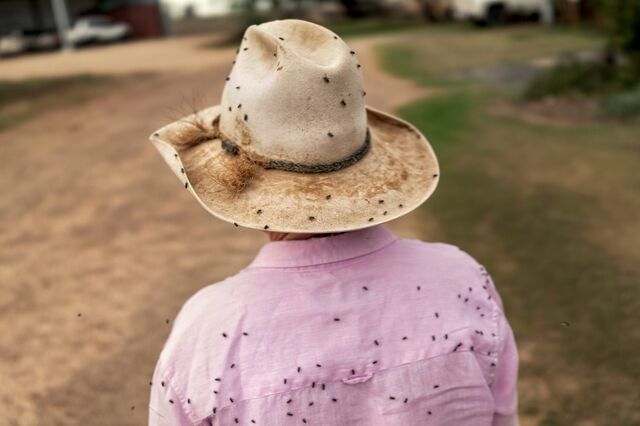
Once on their own, Dan and his wife, Karen, began with 500 cattle and about A$20,000 in the bank, as well as the debt from the land on which they were operating. Now they average 15,000 animals, and their property has swelled to some 500 square kilometers. The work can be tough. The couple and their children wear wide-brimmed hats to protect themselves from the often brutal sun. Their jeans and work shirts are caked with mud.
From the moment they started the farm, Dan and Karen had a singular goal. Their children—Bonnie, Molly, Jemima and Matilda—would have a smooth transition if they chose to carry on the business, or an easy way out if they didn’t. In fact, they named their business Four Daughters. Their kids’ silhouettes are emblazoned on their uniforms. To some the name can sound foreboding, with its echoes of Shakespeare’s King Lear, whose three daughters’ falling out brought the monarch to ruin. Dan, 55, most of all wants to avoid family discord. “I’ll be gone in 20 or 30 years’ time,” he says. “They’ve still got 50 or 60 years together. If I thought for a minute that they were going to come to blows, I’d say, ‘Let’s sell it now, and let’s move on.’ ”
Bigger and Deeper in the Red
Area and debt of large-scale farms in Australia

The parents wanted their children to have options. In their 20s, each has a university degree or similar qualification: Bonnie is a teacher; Molly is an accountant; Jemima studied agribusiness; Matilda is a pilot who can fly the farm’s helicopter. They share warm memories of the farm. Jemima tells stories of Molly trying to climb onto the heavy machinery wearing Barbie sandals. “Little girls in pink fairy skirts used to move cattle pretty quickly,” Karen says. “They looked at them, and they take off.”
The hard work of succession planning is well underway. Every month, Karen, Dan and their children gather around a wooden table in an office on their property two hours outside the rural Queensland town of Roma, one of the largest cattle-trading hubs in the Southern Hemisphere. They set yearly, monthly and even decades-long goals—working with external consultants to bequeath the business to their daughters. “It’s provided an energy and a power that everybody is pulling together, that everyone feels valued and everyone feels that their voice is heard,” Karen says. “It’s a bit like the power of a steam train. It’s just gaining momentum.”
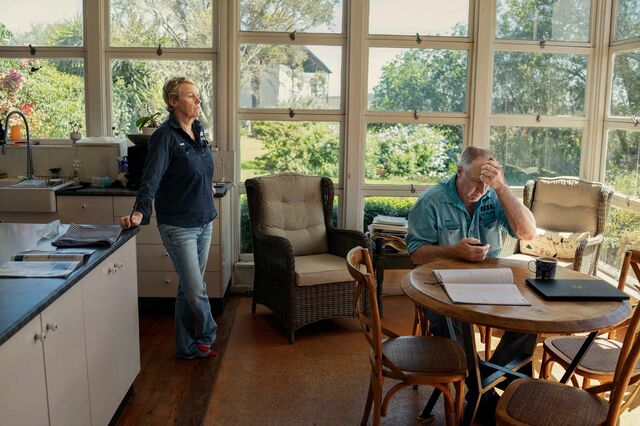
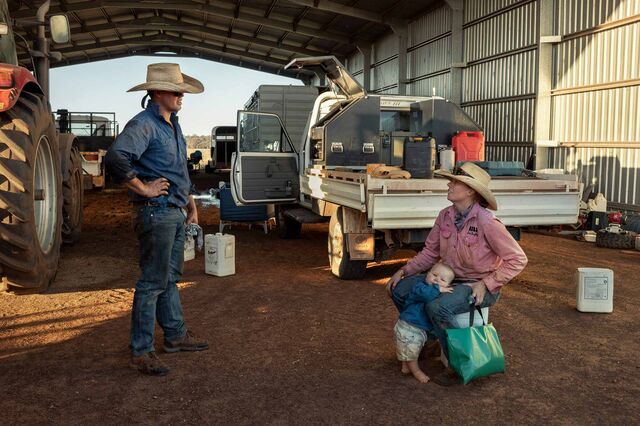
Karen and Dan made sure the children and their families eventually got their own house. In the past year they’ve all moved out. Jemima is fixing up her parents’ old place, tending to her garden while building a menagerie of pets. Molly and her husband, Tom Sutton, have a son, Wally, fixing to be the fifth generation of the Penfold cattle dynasty.
Dan says that when other farmers hear about what they’re doing, they suddenly sigh and start talking about their own problems, looking for advice. Karen is promoting their family model at conferences across the country. “What will happen is we will lose all family farms, and corporate ag will be the only one,” she says. “And then the passion is lost.”
Four Daughters farm could still split up. As property values soar and debt becomes increasingly hard to manage, Jemima says, the pressure of maintaining the farm can be overwhelming: “Sometimes I feel like I’m falling off the back of the treadmill, or I’ve put way too much in my mouth, but I just have to keep chewing.” Their mother says that if her four daughters hadn’t been interested in farming, she and her husband could have sold, paid down their debt and lived happily on a few parcels. Instead they want to prepare for a bigger future. “It’s not about money,” she says. “It’s about legacy.”
Westcott covers agriculture from Bloomberg’s Melbourne bureau.