Wealth
The Billionaires Behind Japan’s Cultural Icons
From Hello Kitty to Demon Slayer, pop culture is now the country’s second most valuable export.
On a blustery Sunday morning in January, an animated crowd of fans gathered outside Sanrio Co.’s Puroland theme park in western Tokyo. Beneath the pastel turrets at the entrance, tourists in pink headbands and Hello Kitty T-shirts jostled for the perfect selfie. Nearby, a gaggle of schoolgirls, their acrylic nails glittering with tiny feline decals, compared bag charms fresh from the gift shop. From every direction, impatient children tugged at windswept parents, eager to meet a character that has become a ubiquitous global export, appearing on everything from stationery to commercial jets across the world.
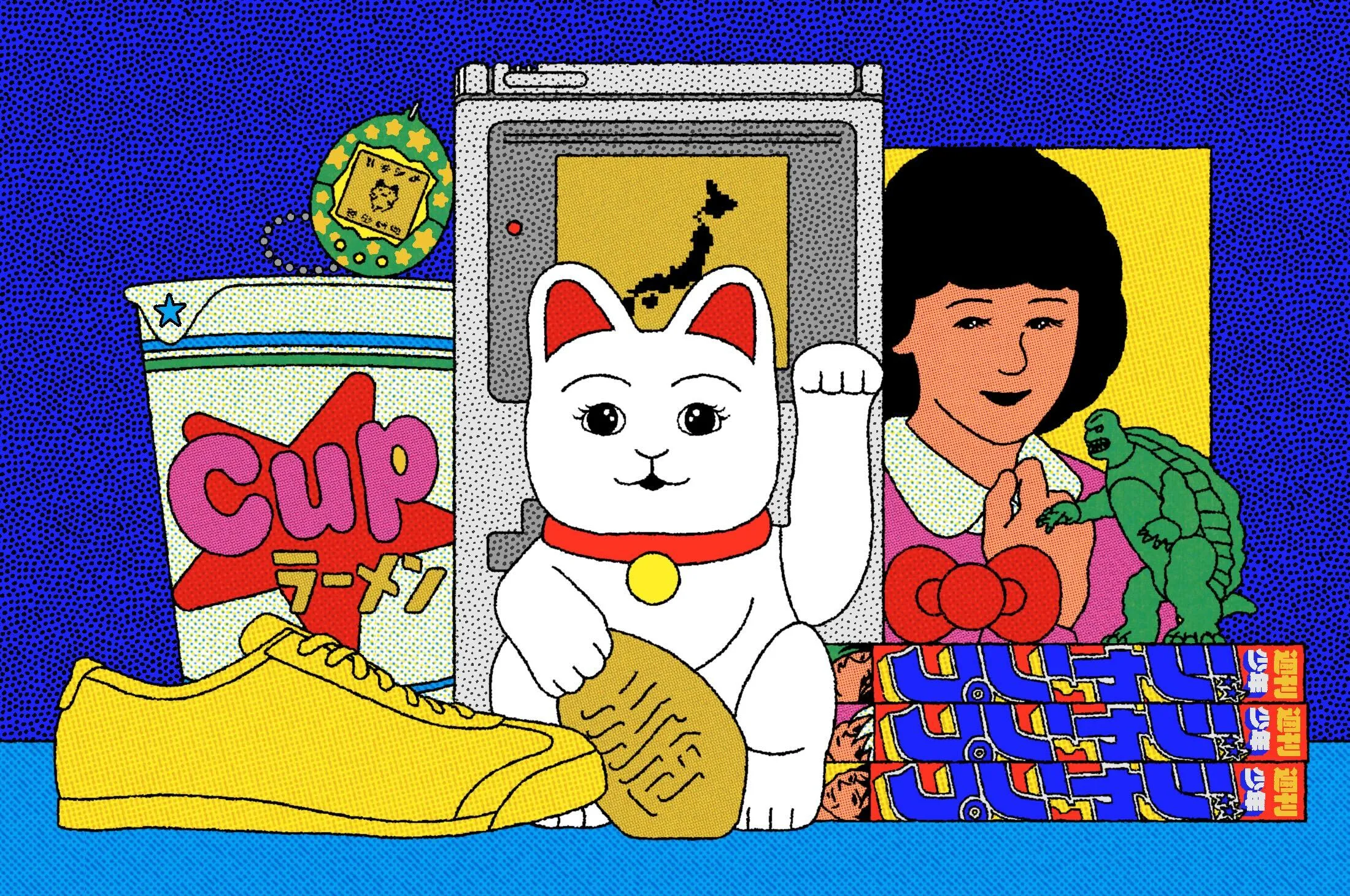
Hello Kitty mania offers a window into Japan’s growing, global and resurgent soft power: a vast pop-culture economy spanning games, film, fashion, food and travel that has surged since the pandemic. Over the past couple of years, a record influx of foreign visitors, helped along by a historically weak yen, and renewed government efforts to promote “Cool Japan” have propelled the nation’s content exports past semiconductors in value. Only automobiles generate more overseas revenue.
That cultural pull has hardened into a formidable wealth-creation engine. As global obsession scales, mascots and manga have turned into billion-dollar businesses that have minted fortunes for the executives, founders and heirs who control the rights to its most coveted symbols.
“Japan knows how to personify a product, and has been producing characters and IP at an astounding pace,” said Kohei Okazaki, chief market economist at Nomura Securities Co. “Nostalgic characters that adults loved when they were children are getting a new lease of life with the next generation.”
The boom has been a windfall for those positioned to profit from it. Shintaro Tsuji, founder of Hello Kitty licensor Sanrio, is among a group of Japanese business moguls who have crossed $1 billion in net worth on the country’s rising soft-power appeal. Their wealth rides on everything from blockbuster films and video game franchises to footwear sales and live-experience tourism.
In Bloomberg’s first rich list from Japan, we focus on soft power, spotlighting ten tycoons and families whose combined net worth exceeds $24 billion, based on fresh calculations by the Bloomberg Billionaires Index. Together, they illustrate the growing economic heft of culture — and how Japan has turned its global influence into one of its most lucrative exports.
Some companies did not respond to requests for comment. Others declined.