
An NBA Owner, Music Stars and Athletes Team Up for a $5 Billion Atlanta Bet
The Centennial Yards project aims to transform a long-stalled site, with a coalition that leaned on local Black leaders to get it done.
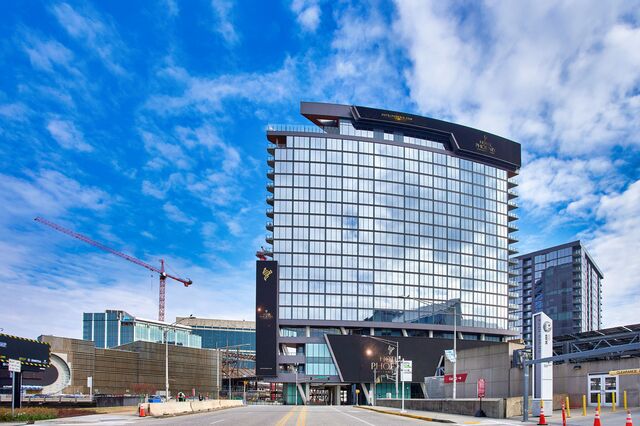
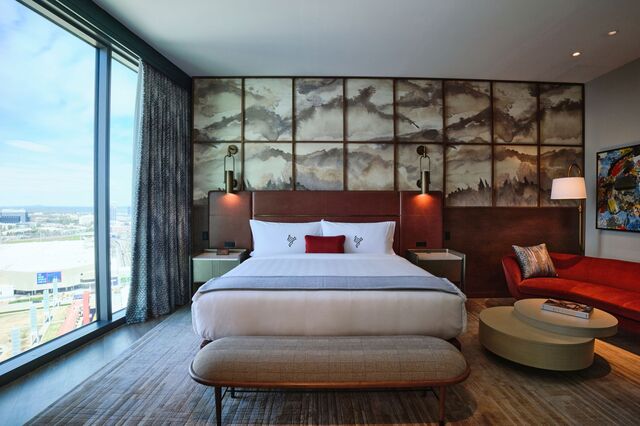
A who’s who of Atlanta luminaries gathered last month to celebrate the opening of the Hotel Phoenix, built on once-desolate land in the shadow of the city’s professional sports arenas.
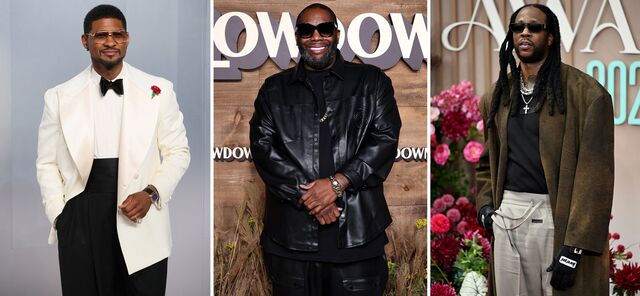
The pop music star Usher worked the cocktail party — shaking hands, hugging and posing for photographs. Rappers Killer Mike and 2 Chainz stood by the ballroom’s huge round bar, as speakers toasted the occasion. Andrew Young, the 94-year-old former mayor, ambassador and civil rights leader, relished the event as one he had “long awaited.”
But the real VIP was Atlanta Hawks owner Tony Ressler, who smiled and cheered as Mayor Andre Dickens excitedly proclaimed, “Downtown is back!” The private equity billionaire had courted many of the event’s marquee names, persuading them to invest their money and clout on one of the region’s most ambitious real estate projects ever.
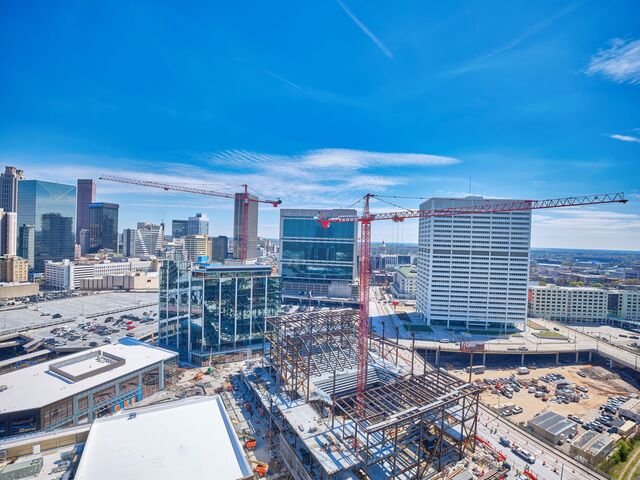
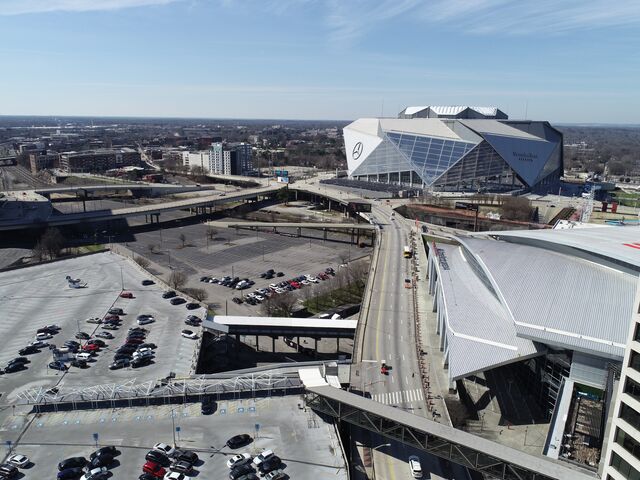
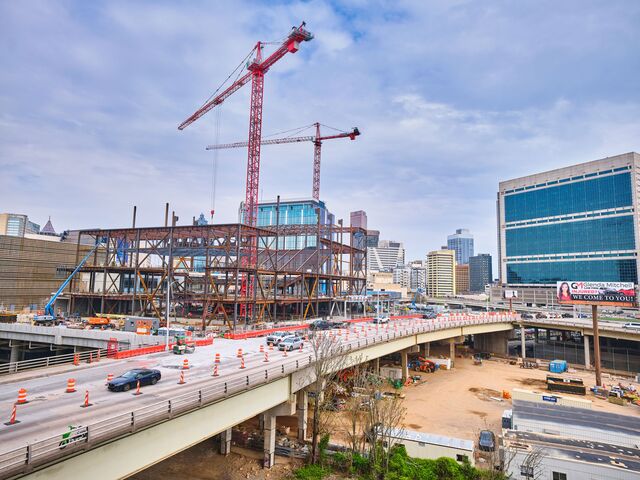
The 19-story Phoenix is among the first buildings to open at Centennial Yards, a $5 billion redevelopment of downtown land long known as “The Gulch.” For decades, the site was a foreboding dead zone marked by a tangle of old railroad lines with city streets built 40 feet above. Despite its central location, the challenging infrastructure and competing local interests for years derailed any thoughts of developing the tract.
Now, backed by nearly $2 billion in public incentives, Ressler and CIM Group — a real estate development firm co-founded by his brother, Richard — are betting it will become a thriving sports and entertainment district that will reshape Atlanta’s struggling urban core.
“Every great city in the world has a downtown hub,” Ressler, 65, said in an interview. “That’s the one thing that Atlanta has been missing.”
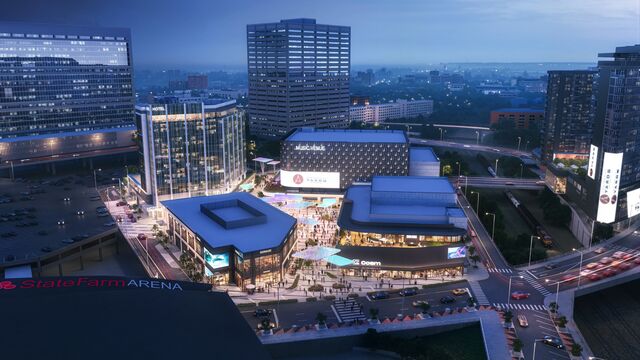
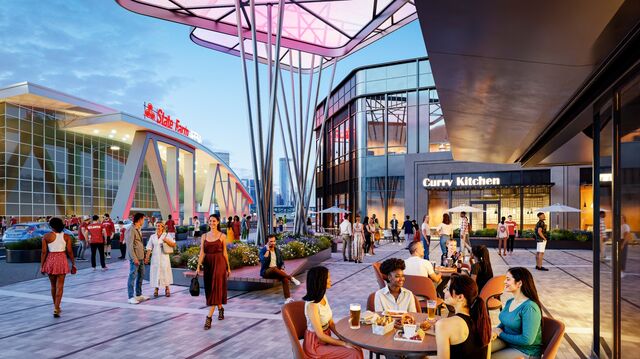
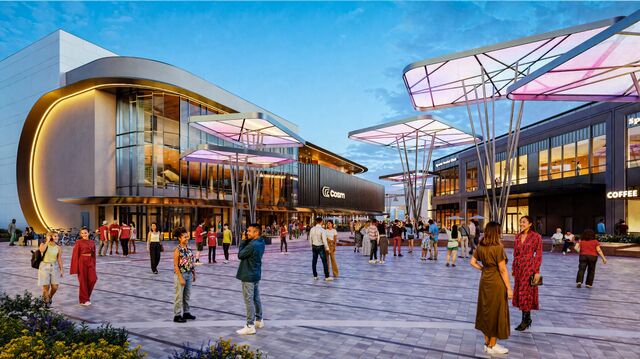
The 50-acre project is notable not only for its scale but for its backers: A rare coalition of financiers, athletes, entertainers and predominantly Black members of Atlanta’s business elite, brought together to push a development that might otherwise have collapsed under political infighting and public skepticism.
Centennial Yards is adjacent to Mercedes-Benz Stadium, home to the NFL’s Falcons, and State Farm Arena, operated by Ressler and where his basketball team plays. Yet the Gulch has been like a hole in the center of the city, preventing the critical connection between Atlanta’s thriving Midtown business district to the north, and its hardscrabble downtown to the south.
While the Atlanta region is a booming epicenter of the US South, the city’s downtown has been left behind. Major corporations that call the area home, including Chick-fil-A, Cox Enterprises, Home Depot Inc. and United Parcel Service Inc., have all developed expansive headquarters and campuses in the suburbs. The downtown office vacancy rate is 33%, the worst among the city’s submarkets, according to Cushman & Wakefield.
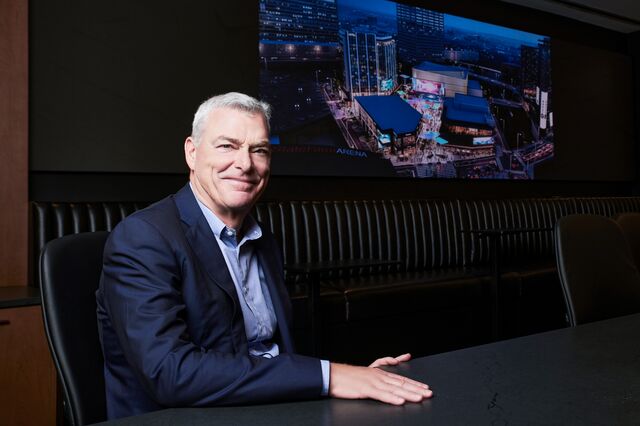
Already, Ressler and his partners can see that pulling off such an ambitious project is daunting. Office towers that were originally planned for Centennial Yards were scuttled post-Covid in the weakened commercial real estate market. And a broader challenge remains: whether Atlantans will embrace a district long known as a no-man’s land. On its best nights, the Gulch has served as a parking lot for Hawks fans willing to climb 84 stairs to the arena entrance. But most times, it’s been a deserted stretch that few linger in.
Centennial Yards Aims to Revitalize Downtown Atlanta
NBA Owner Tony Ressler plans retail, residences and live entertainment

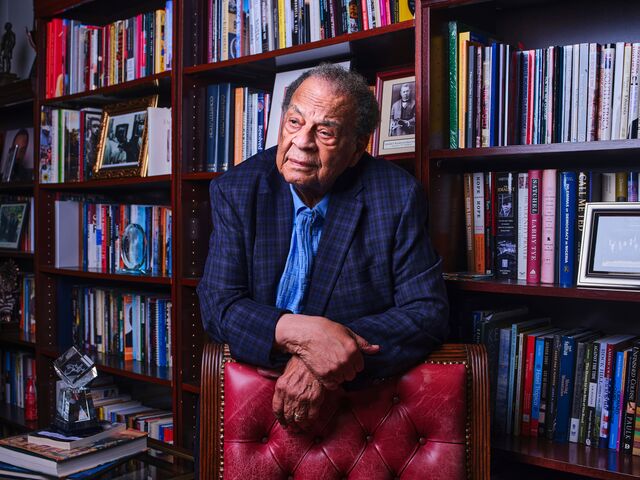
The Gulch is where Young, at the age of 14, first arrived in Atlanta by train from New Orleans. He would go on to work closely with Martin Luther King Jr. and serve as a US congressman, United Nations ambassador and Atlanta mayor. Today his name appears across the city — on streets, schools, highways and monuments. Yet for him, the Gulch represents unfinished work.
“It’s been a hole in my heart,” said Young, who along with his son has invested in Centennial Yards. “Hopefully, it will become the axle around which the city will spin.”
Downtown Atlanta was once the city’s commercial and cultural center. But over the past half century, discriminatory housing policies and White flight hollowed it out as residents and businesses moved to the suburbs. Even the 1996 Olympics — which elevated Atlanta on the global stage — failed to reverse the shift. In 2016, Major League Baseball’s Atlanta Braves left Turner Field, the downtown ball park that had been built for the Olympics and for the team, and developed their own stadium and entertainment district on the northwest outskirts.
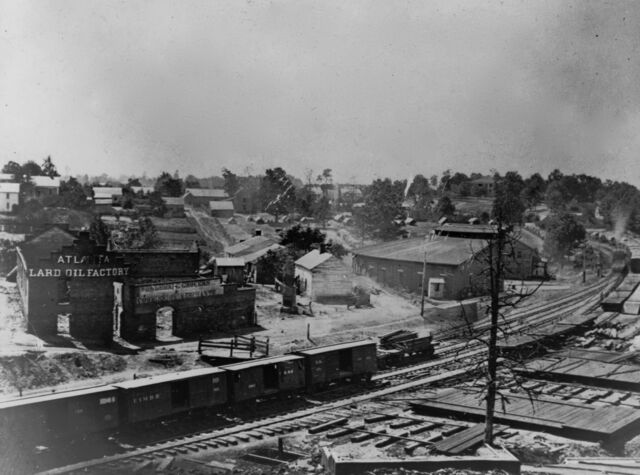
The area’s troubles were exacerbated by the Gulch, the site of a once-vital rail hub known as Terminus. But as Atlanta grew in the mid-20th century and cars overtook railroads, developers built all of the streets above the existing rail lines. That left exposed tracks, concrete decks and shadowy voids, with the site living up to its foreboding unofficial nickname.
The Gulch caught Ressler’s attention as he explored buying the Hawks more than a decade ago.
“The Goldman Sachs book that was selling the Atlanta Hawks, highlighted it as a huge opportunity,” he said. “I’m still scratching my head over that description, but nevertheless, we are where we are.”
The Ares Management Corp. co-founder purchased the basketball team in 2015 for about $850 million, moving with his family from Los Angeles to the tony Buckhead district. On his first visit with the Hawks, Ressler got out of the car, looked at the vast hole across the street, and asked, “What is that?”
Former NBA star Grant Hill, who was accompanying Ressler on the trip and is a minority partner in the team, recalled “It just looked complicated.”
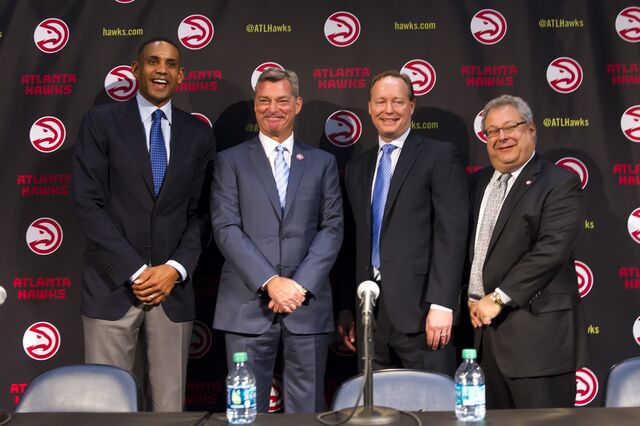
But Ressler soon determined that he wanted to build an Atlanta version of L.A. Live, the entertainment district surrounding the arena where the NBA’s Los Angeles Lakers play. Steve Koonin, the Hawks’ longtime chief executive officer and an Atlanta native, cautioned that such ambitions required a delicate approach — one rooted in relationships, inclusion and respect for local culture.
In Atlanta, where Black political and economic leadership has shaped the city for decades, that inclusion was essential to getting the project approved. Success, Koonin advised, would require doing things “the Atlanta way.” The location heightened the stakes. The site sits between Sweet Auburn, the historic Black neighborhood where King was born, and the Atlanta University Center, home to several historically Black colleges.
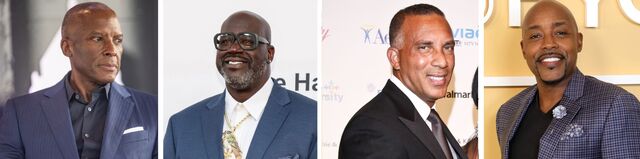
With Hill’s assistance, Ressler convened a meeting before the Covid-19 pandemic at a private club not far from State Farm Arena. About 30 people were there — all men, and almost all Black, attendees recall. The guests included Will Packer, the producer behind Girls Trip and Straight Outta Compton; Michael and Jerome Russell, scions of the H. J. Russell construction and real estate business built by their late father; John Brewer, whose wife, Rosalind, once led Walgreens Boots Alliance; and Chris Womack, CEO of Southern Co., one of the nation’s largest utilities. Others who also ultimately became investors attended the meeting or were represented, including Usher, 2 Chainz, Killer Mike and NBA legend Shaquille O’Neal.
“We wanted a whole bunch of local Atlantans,” Ressler said. “Having all sorts of investors from every part of town is really important to us.”
At the meeting, Ressler laid out his plan to build Centennial Yards, and he made an offer, according to some in attendance: If those in the room invested their own money and lent their support, he would match every dollar and structure the deal to limit their risk. He also acknowledged something rarely said aloud in developments of that scale. “Tony said it had been brought to his attention that these deals get done and Black people get left out,” said Andrew Young III, the 53-year-old son of the civil rights leader. “He wanted to change that.”
Altogether, Ressler corralled about 30 mostly local investors. The group owns about one-third of Centennial Yards, with CIM controlling the remainder. Infrastructure bonds issued for the project are used to generate revenue from parking, signage and other ancillary services sold within the district. CIM investors own the remainder.
Ressler has leaned into Atlanta’s diverse identity and culture, seeking support beyond corporate and political leaders. His investment group includes Michael “Mr. Magic” Barney, owner of the city’s infamous adult nightclub, Magic City. Actress Jami Gertz — Ressler’s wife — produced a 2025 documentary series about the club.
“In Atlanta, it helps that Jami has entertainment in her blood,” said Jerome Russell. Ressler and CIM donated $5 million to the Russell Innovation Center for Entrepreneurs, which focuses on developing communities surrounding Centennial Yards.
Navigating the culture isn’t always easy. This month, Ressler’s Hawks were forced to cancel a planned “Magic City Night” promotion for one of the team’s home games, after fans — from both Atlanta and around the NBA — complained that it was inappropriate for the team to partner so publicly with an adult-themed business.
The Gulch has inspired countless grand plans. Over the decades, proposals ranging from a new City Hall to futuristic transit hubs have collapsed under the weight of complex ownership, engineering hurdles and prohibitive costs. As recently as 2017, the site was floated as a contender during Amazon.com Inc.’s search for second headquarters.
To transform the area into Centennial Yards, which expands the original 40-acre site, CIM has had to work with three different mayors. In 2017, then-Mayor Kasim Reed announced a $1 billion mixed-use partnership with Ressler and CIM. The project grew as the Los Angles-based developer sought to tackle about $1.8 billion in upfront infrastructure costs needed at the Gulch. Any redevelopment had to be built over the active rail lines and a major water tunnel, requiring engineering solutions few firms could execute.
“Putting this puzzle together is extremely hard,” said Shaul Kuba, a co-founder and principal at CIM. “I’m not saying this is the easiest thing I’ve ever done in my life. But whoever touches this project falls in love and wants to get a deal done.” Richard Ressler declined to comment.
As the proposed project grew in scale, critics balked at the approximately $2 billion in tax incentives. In 2018, then-City Council member Dickens voted against Centennial Yards, citing a lack of enforceable hiring and housing guarantees. Nevertheless, Keisha Lance Bottoms, then the mayor, got the project and incentives approved. The public funding faced opposition in court, but a state supreme court ultimately approved the plan, allowing the city to issue $557 million in bonds backed by the future tax revenue generated in the new district.
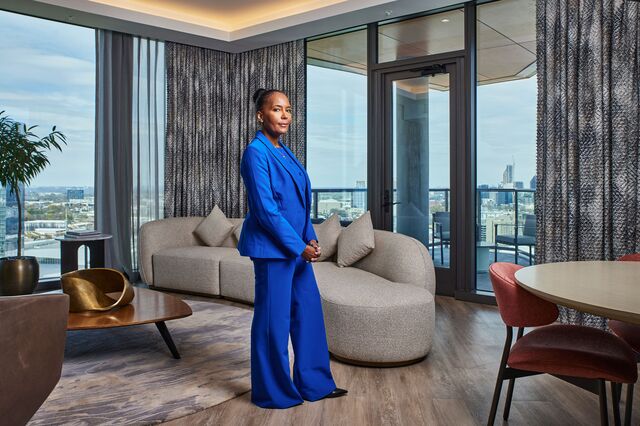
In addition to creating an estimated 10,000 jobs, another key to Ressler and CIM’s agreement is that it requires no capital investment from the city. The developers receive the $2 billion in tax incentives only if Centennial Yards creates tax revenue.
“We take on no risk,” said Eloisa Klementich, head of Invest Atlanta, the city’s economic development agency. “And yet together we’re gonna build the tax base, property tax and sales tax. If they do not generate the taxes, there’s nothing for them to pay themselves back.”
Bottoms said she understands why skepticism around the Gulch’s development ran deep. Her grandmother was displaced during construction of the Georgia World Congress Center in the 1970s. “The opposition was grounded in reality and history,” Bottoms said, noting that earlier promises about jobs and community benefits often went unfulfilled.
That history shaped negotiations this time. The agreement includes penalties if developers fail to deliver promised affordable housing, along with funding for broader community investment — including a $28 million affordable housing trust fund, $2 million for child savings accounts for public school students, $2 million for tech workforce training and funding for a southwest Atlanta community center. “I wanted it to be felt in every community across the city,” Bottoms said.
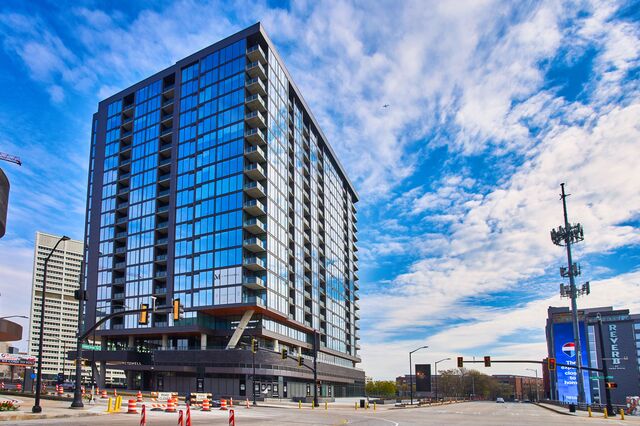
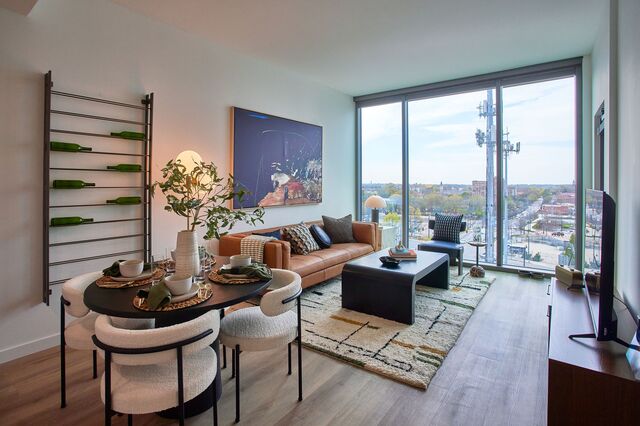
Still, for the site’s latest residential property, CIM paid Atlanta a $8.5 million fine rather than meeting a requirement to make 20% of the units affordable. The 304-unit apartment building, which opened earlier this year, is entirely market-rate homes. By pushing off its obligation, the owners are betting the property will generate more income and bolster values of nearby real estate, before other parts of the project eventually meet affordable-housing goals. Proceeds from the fine are being used to build housing elsewhere.
With only the hotel and two apartment buildings fully completed, workers are scrambling to open Cosm, a 70,000-square-foot immersive entertainment dome, on June 10, one day before the first World Cup match is played in Atlanta. Games will be played right across the street from Centennial Yards, at the Mercedes-Benz stadium — a missed opportunity for the broader project, which isn’t expected to be ready until 2031.
“Do I wish we were further along? Yes. Emphatically yes,” Ressler said. Still, he’s pleased with the progress.
“I didn’t expect this development to have to be as large and as complex,” Ressler said, looking out from the top floor of the Phoenix. “Nobody is suggesting mission accomplished. But we have some pretty extraordinary momentum.”
(Updates with housing fine proceeds in fourth-to-last paragraph. A prior version of this story corrected the date of the Cosm opening.)