Bloomberg Green | The Big Take
Lights Out
How Trump’s war on climate science is weakening the US.
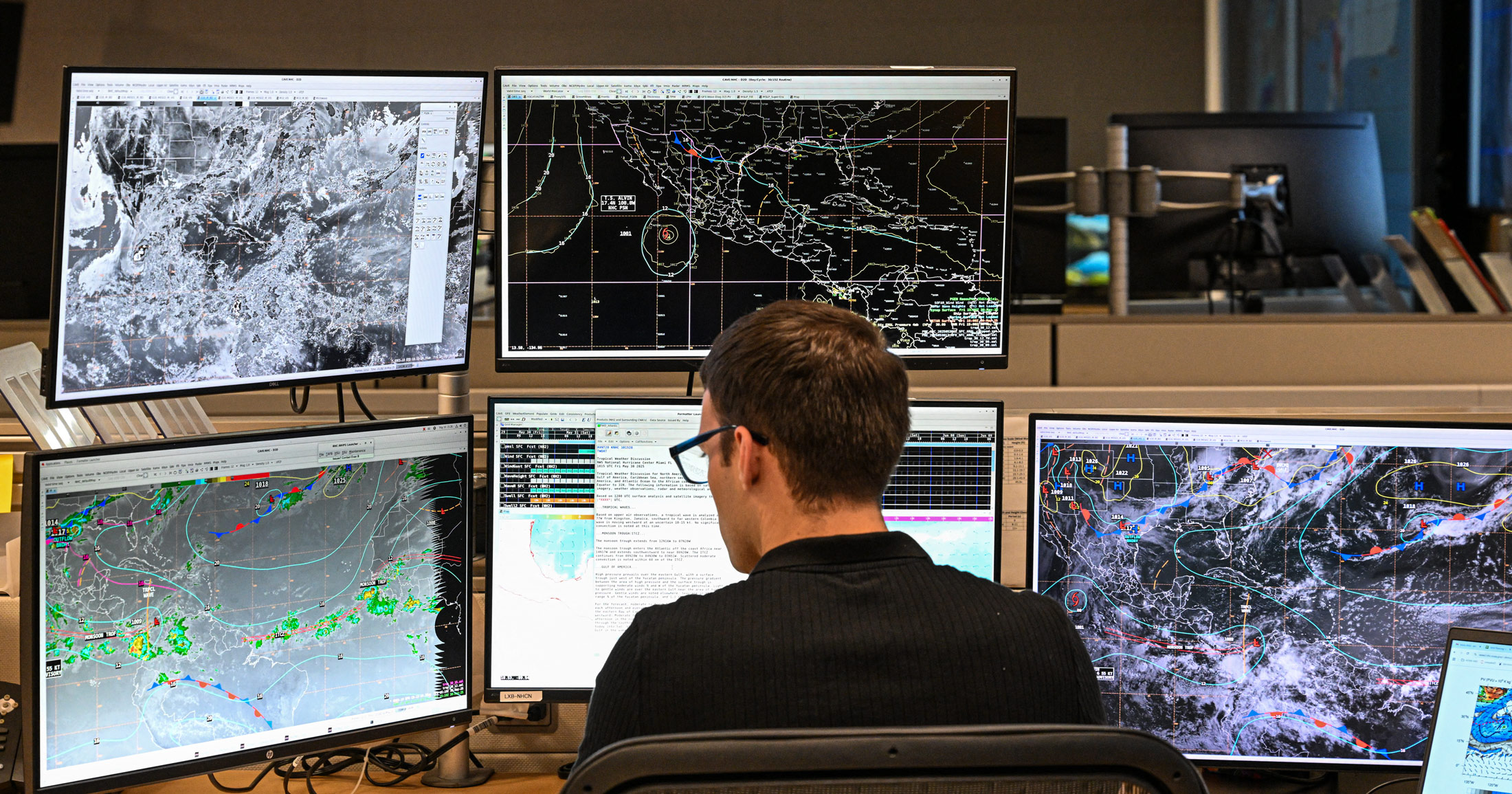
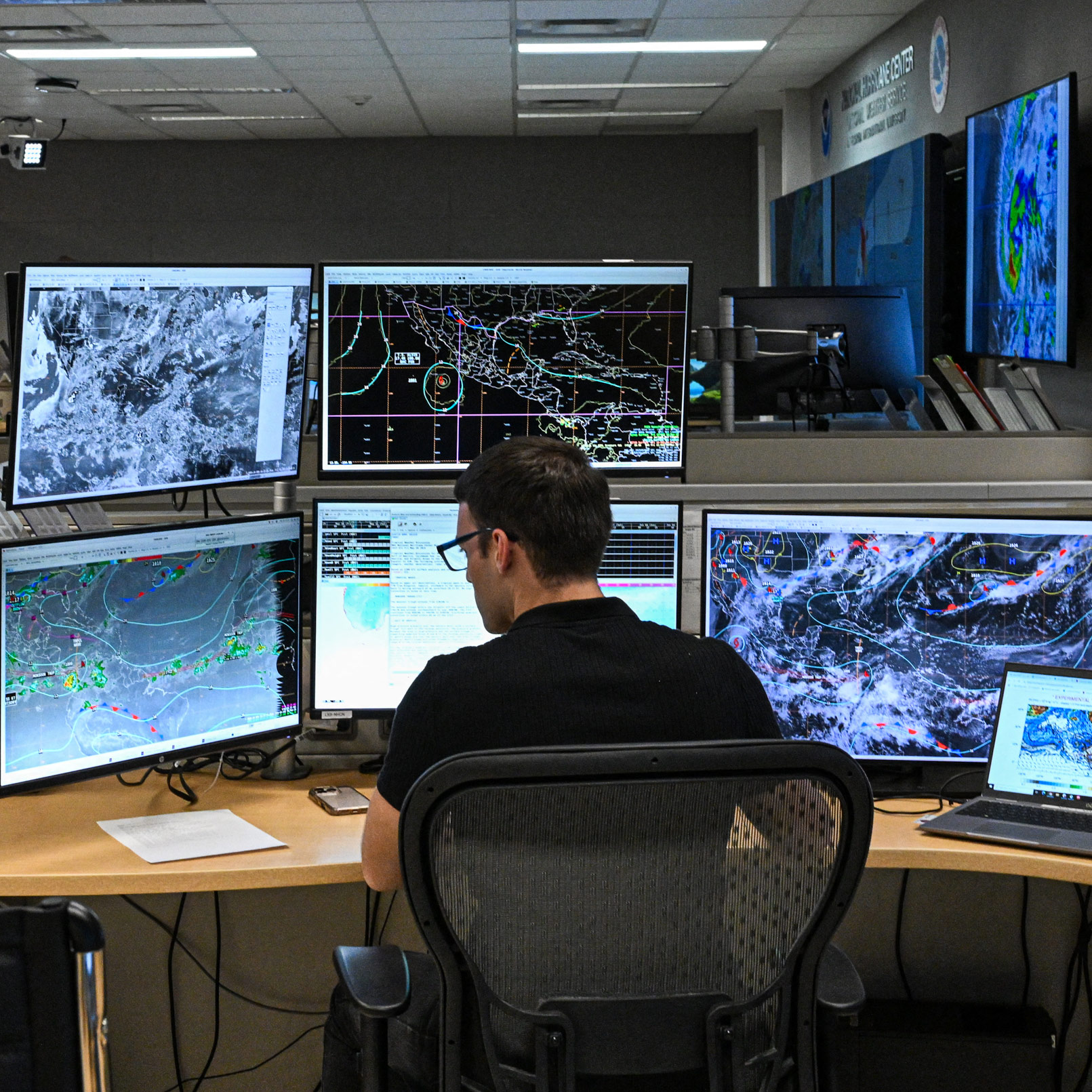
The National Oceanic and Atmospheric Administration’s (NOAA) National Hurricane Center in Miami, in May. Photographer: Chandan Khanna/Getty Images
By Zahra Hirji, Eric Roston and Brian Kahn
September 8, 2025 at 5:00 PM EDT
In late July, President Donald Trump’s Environmental Protection Agency announced a proposal so bold it would have once seemed unthinkable: to reverse the endangerment finding, a legal determination under which the agency regulates planet-warming pollution. The 2009 finding rests on a vast body of scientific evidence showing greenhouse gas emissions cause climate change and threaten public health.
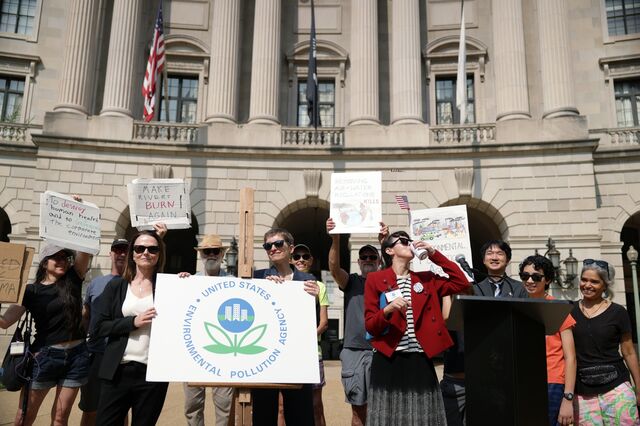
The agency held a public hearing on the move last month. Speaking against were activists, doctors, state officials — and business leaders such as Chris Nevers, senior director of public policy at the electric vehicle maker Rivian Automotive Inc., who called it “detrimental to the US automotive industry, consumers, and public health and welfare.”
The effort was striking, but not isolated. Around the same time, Trump proposed in his budget to shut atmospheric observatories including Mauna Loa in Hawaii, which keeps a benchmark record of carbon dioxide levels. The Energy Department published a report by contrarian scientists that downplayed the severity of climate change, and Energy Secretary Chris Wright said that past US government reports on climate science — which have been taken down from government websites — will undergo review and possible alteration. News surfaced plans by NASA to abandon two satellites that measure CO2.

These and dozens of other actions taken since Jan. 20 paint a clear picture: The Trump administration is going to war with established climate science. Mass firings, regulatory rollbacks, program closures, and funding cuts across agencies have compromised the nation’s ability to gather and assess data on climate change, reducing the amount of high-quality information that policymakers and business leaders can use to guide their decisions, potentially for years to come.
It’s the most aggressive targeting of climate science by any US administration, according to interviews with more than a dozen current and former federal workers and officials, academic researchers and members of Congress. It parallels Trump officials’ efforts to sideline or question other types of widely accepted expertise, from vaccine research to labor statistics.
“They’re doing away with science. That, to me, is enormously troubling,” said Christine Todd Whitman, EPA administrator under President George W. Bush and the former Republican governor of New Jersey. “It’s science across the administration.”
The assault has left hundreds of federal scientists out of work, but its impacts reach much further. Datasets that industries and policymakers depend on have gone dark. Weather forecasting nationwide has been strained. The cancellation of billions of dollars in grants has halted work on, to cite only two examples, mapping of flood and storm risks for the US Coast Guard and improved stormwater infrastructure for towns in North Carolina.
Meanwhile, the administration wants to relax limits on climate pollution for fossil fuel and manufacturing as it reins in electric vehicles, solar power and especially wind farms. Marginalizing the science on global warming helps this push by seeming to weaken the case for clean energy and affirming the decision by governments and companies to keep pumping greenhouse gases into the atmosphere.
“Under President Trump’s leadership, agencies are refocusing on their core missions and shifting away from ideological activism,” said White House spokeswoman Taylor Rogers when asked about the government-wide shift. “The Trump administration is committed to eliminating bias and producing Gold Standard Science research driven by verifiable data that informs Americans’ decision-making while keeping them safe.”
Not every cut and rollback will survive the many lawsuits that have been filed to stop them. Some moves have already been reversed.
Michael Gerrard, faculty director of Columbia University’s Sabin Center for Climate Change Law, described the administration’s strategy as “a cluster-bomb approach.”
“They’re fighting on multiple fronts, some legal, some not,” he said. “They just want to see what ultimately hits.”
The barrage is hard to track. Even changes with major long-term consequences can “slip under the radar, because there's so much else going on. And that’s part of the tactic,” said Whitman.
Over the first six months of Trump’s second term, the administration took roughly 400 anti-science actions, many more than in the entirety of his first term, according to tracking by the nonprofit Union of Concerned Scientists. Meanwhile, the impacts of climate change are piling up, from intense heat waves to massive wildfires to deadly floods. Last year was the hottest ever recorded.
Emissions Heat the Atmosphere
CO2 monitoring on Hawaii's Mauna Loa fueled the discovery of global warming

Whether we will have enough reliable data to predict, recover from and adapt to these impacts is an open question, experts say. “Some damage will take decades to regain. Some cannot be repaired,” said Julio Friedmann, chief scientist of advisory firm Carbon Direct and a former Energy Department official who served in two administrations.
“The result,” said Senator Sheldon Whitehouse, a Rhode Island Democrat, “is going to be that we are very, very unprepared for when the climate chickens come home to roost.”
The earliest impact felt by climate researchers came just one week after Trump’s return to the White House, when the Office of Management and Budget froze all outgoing federal funds. Judges intervened to halt the order, but many grants remained frozen, putting climate research, projects and jobs in limbo. The EPA moved to wrest back from bank accounts $20 billion of climate funding awarded by the Biden administration; a recent ruling by a federal appeals court cleared the way for the agency to go ahead, pending further litigation.
The EPA under Trump is “laser-focused on its core mission of protecting human health and the environment,” said agency spokesperson Carolyn Holran. She said Administrator Lee Zeldin cancelled the grants due to his concerns over conflicts of interest, unqualified recipients and missing agency oversight.
Then came the downsizings. Through a combination of probationary employee firings, early retirement offers, reductions in force and resignations, agencies shed thousands of employees. In the first five months of the year, the Federal Emergency Management Agency lost 2,446 workers, including dozens of senior officials, according to a Sept. 2 report by the US Government Accountability Office. The EPA said about 400 people left between this year through mid-August. But 2,300 employees are participating in early retirement and deferred resignation programs, and most are technically still on the roster for now. Not included in these figures are the dozens of employees that have recently been placed on administrative leave at both agencies for signing onto open letters criticizing their Trump-appointed leaders.
So many departed the National Oceanic and Atmospheric Administration’s National Weather Service that it is now trying to hire many of them back. But the nation’s weather forecasting capabilities have already been affected. At least seven of 122 NWS offices no longer operate around the clock due to shortages. Now, if an office can’t cover all of its shifts, its closest neighbor will help put out disaster watches and warnings for the territory, said Tom Fahy, legislative director for the union National Weather Service Employees Organization.
Staffing cuts at the Centers for Disease Control and Prevention have also had a ripple effect on local climate work around the US. Officials in Maricopa County, Arizona, relied on the agency’s data and guidance to help them track heat-related illnesses and deaths. Doing without it “means Arizona is losing critical support,” said Maren Mahoney, director of the state’s Office of Resiliency.
In April, the administration also dismissed hundreds of outside scientists who had volunteered their time to write the sixth National Climate Assessment, a landmark report mandated by Congress. The last edition of the NCA took nearly four years to develop and had some 750 contributors. It’s widely consulted by businesses and policymakers as a roadmap to current and future risks: Chipotle Mexican Grill Inc., Marriott International Inc. and The Travelers Companies Inc. have all cited NCAs in public disclosures.
Not only is the sixth report on ice, but the website hosting past reports was pulled down, making it harder for the public to access taxpayer-funded research.
“You tear down data, it impacts the scientists who use that data,” said Emily Grover-Kopec, a director in the climate and energy practice of the research firm Rhodium Group and a meteorologist by training. “But ultimately this affects businesses, policymakers, city planners, individuals — they’re just looking to make good decisions with some information.”
Then, in July, the Energy Department published climate research of its own. It released a report by five scientists, handpicked by Wright, who oppose the consensus view on climate change. The report argues that global warming projections are exaggerated, benefits from higher levels of carbon dioxide are overlooked and policies to reduce emissions may do more harm than good.
Numerous experts have criticized these conclusions, and a group of more than 80 researchers issued a detailed critique of the report on Sept. 2. Another group of former military leaders and national security experts said it failed to address the defense implications of a warming planet.
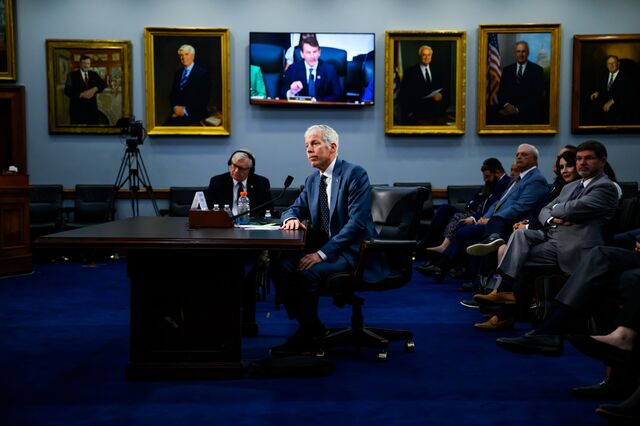
Wright told Bloomberg Television that the agency isn’t denying the reality of climate change, which he called “a real physical phenomenon,” but that it has “put climate in its rightful place.” The report, he said, gives Americans “a more realistic view of this phenomenon. It’s just not even close to the world’s greatest problem. But that’s the only reason we’ve justified putting expensive wind turbines out.”
Wright’s suggestion that US energy policy has been too tethered to climate concerns is emblematic of the administration’s stance. It “very clearly sees climate as a social, economic and scientific phenomenon taking us down the wrong direction with respect to the kinds of energy we use,” said Joseph Majkut, director of the Energy Security and Climate Change Program at the think tank Center for Strategic and International Studies.
The Energy Department released the contrarian report in tandem with EPA proposing to roll back the endangerment finding, and to unwind related regulations on emissions from vehicles, power plants and oil wells. The attempted repeal will be hard-fought in court. Should it go through, it would have long-lasting consequences by making it harder for federal agencies to create new climate regulations without explicit congressional approval.
“We have basically an EPA that’s totally been defanged of its mission,” said Gina McCarthy, the EPA chief under President Barack Obama and a climate advisor to President Joe Biden. “It’s simply beneficial to the fossil fuel industry.”
The agency said deregulation ensures it sticks to its mission. Since the endangerment finding, spokesperson Holran said, consumers and automakers “have suffered from significant uncertainties and massive costs” due to vehicle emissions standards. If the finding is rescinded, “companies can plan appropriately, and the American people can have affordable choices when deciding to buy a car.”
Trump has made it a top priority to extract more fossil energy — declaring an energy emergency, exempting some coal power plants from pollution rules and speeding up permitting for oil and gas projects. That’s a stark contrast to the hurdles put in front of the renewables sector. Republicans in Congress hastened the end of tax credits for solar and wind production and electric cars in the One Big Beautiful Bill Act. But getting rid of Biden-era incentives wasn’t the end of it.
The Energy Department killed financing for a transmission line planned to carry wind power across the Midwest. The EPA pulled the plug on Solar for All, $7 billion to help low-income households tap solar power.
The Interior Department has created a snarl of red tape for all renewables projects on federal lands. It has taken particular aim at offshore wind, which Trump loathes. It withdrew millions of acres of ocean from potential use for wind power, and in August halted construction at a wind farm that was nearly finished. The agency also revoked approval for a planned 231-turbine wind project in Idaho and is trying to block other projects in Massachusetts and Maryland. The Interior Department didn’t respond to a request for comment.
The hobbling of the sector coincides with rising electricity demand from AI and data centers. Massachusetts Governor Maura Healey, a Democrat, told Bloomberg News the administration should be “working with states, not against states, in an effort to bring more power on board.”
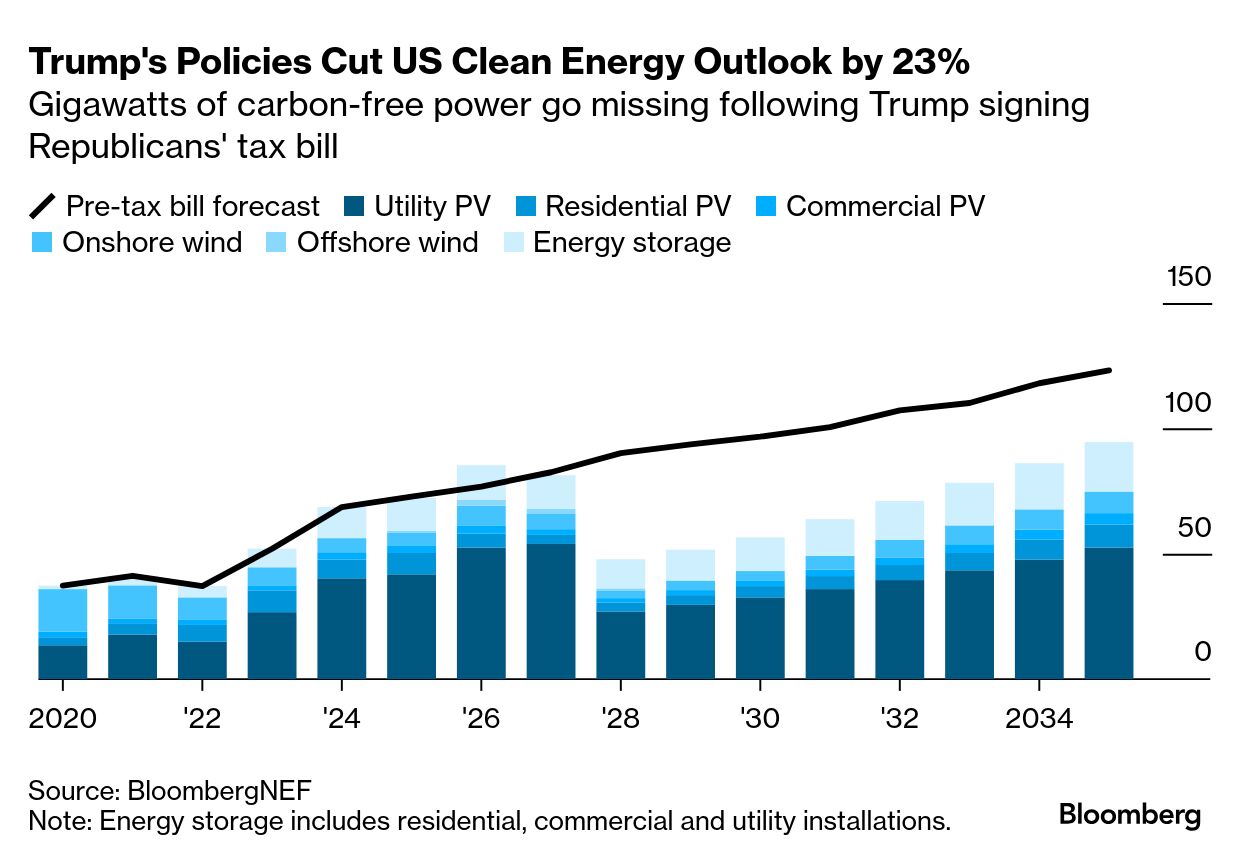
The overall outlook for US clean energy has dimmed. New capacity added through 2030 will be 23% lower than forecast before the tax bill passed, according to BloombergNEF.
Trump's Policies Cut US Clean Energy Outlook by 23%
Gigawatts of carbon-free power go missing following Trump signing Republicans' tax bill
Researchers at Princeton University projected in July that the tax bill and other Trump policies will lead to 470 million more tons of carbon emissions in 2035. That’s equivalent to the energy used by 63 million American homes per year.
Justin Mankin, a scientist at Dartmouth College, estimates there will be $35 billion in economic losses in the US by 2035 from the clean energy rollbacks in the One Big Beautiful Bill Act alone. Meanwhile, China installed over half of the world’s new solar last year and makes more than 70% of the EVs sold globally.
“We're ceding economic leadership in the energy transition to China,” Mankin said.
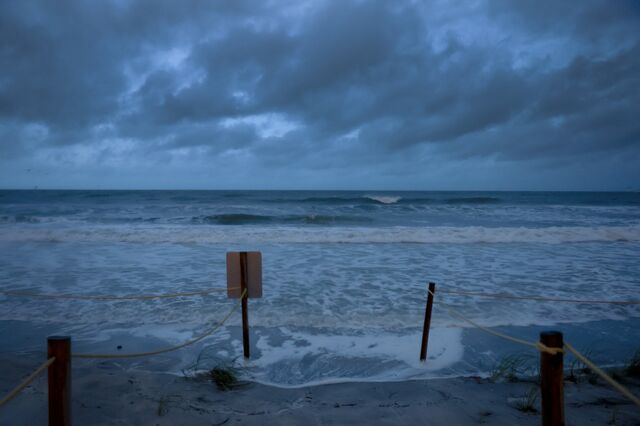
The administration’s policies will also limit the nation’s capacity to defend itself from the climate impacts that are already piling up: more intense storms, fires, heat waves and floods.
Trump and Department of Homeland Security Secretary Kristi Noem have called for eliminating FEMA, which DHS oversees, and putting the burden of disaster response on states, localities and individuals. Trump launched a review council “tasked with reforming and streamlining the agency,” a group that’s set to release recommendations later this fall.
The US Is Seeing More Billion-Dollar Disasters
Climate change and urban expansion are among the factors driving the rise

But already, the administration has taken several steps to dial back the federal government’s role in responding to and preparing for disasters. FEMA has stopped sending staff doorknocking to help survivors in disaster-hit areas, and it has reduced the amount of aid it gives to states that experience a catastrophe.
In April, FEMA terminated its billion-dollar Building Resilient Infrastructure and Communities grant program, with funds that states could use to protect themselves by, for instance, elevating structures in floodplains or retrofitting hospitals against fierce storms. (Twenty states challenged the ending of the program in July, and a judge then ruled the administration cannot spend the funds elsewhere while litigation continues.)
Trump’s FEMA “is leaner, faster, and laser-focused on real disaster response,” according to a written statement provided by the agency’s press office, which called the door canvassing effort “wasteful and ineffective.” The spokesperson said the Biden administration was “burning through FEMA’s budget on so called ‘climate change’ and DEI pet projects.”
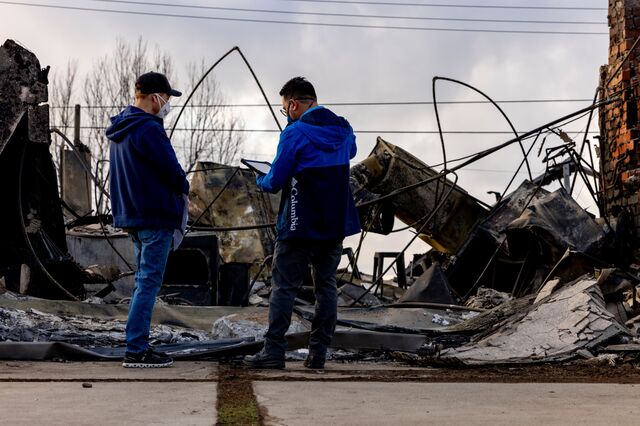
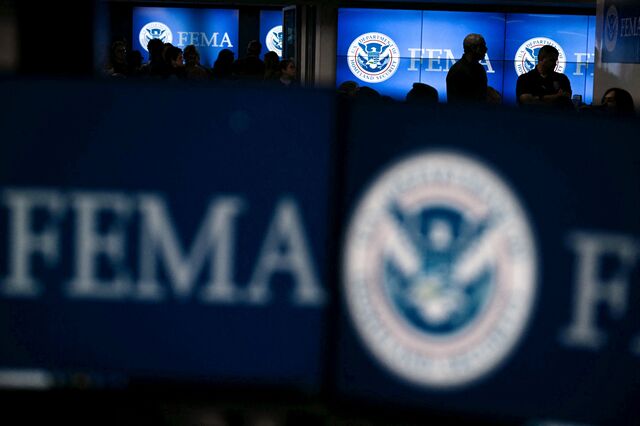
If FEMA disappears or shrinks significantly, states will have to mount their own responses at their expense, and households may be stuck with higher taxes and insurance premiums. This would sap GDP growth in disaster-prone states, according to research by Bloomberg Intelligence.
The US is the biggest historical emitter of greenhouse gases, and the rest of the world is feeling the effects of its U-turn. Trump has struck trade deals that commit other countries to buying more US oil and gas, potentially slowing their own carbon-cutting progress. The administration has been pushing for changes at the International Energy Agency, displeased by forecasts it views as too green.
The US retreat from the Paris Agreement and climate diplomacy is already providing cover for governments, banks and corporations that have watered down or dropped green pledges. The dynamic is also tempering ambitions for the United Nations’ upcoming COP30 climate summit in Brazil, since it could give more leverage to Saudi Arabia and other countries that have worked to block strong targets at past talks.
(Michael Bloomberg, the founder and majority owner of Bloomberg News’ parent company Bloomberg LP, is the UN Secretary-General’s special envoy on climate ambition and solutions. His philanthropic organization Bloomberg Philanthropies has said it will help cover US financial obligations under the Paris Agreement following Trump’s withdrawal.)
American scientists have long played a major role in writing the UN’s Intergovernmental Panel on Climate Change reports, considered the gold standard of climate science. Four dozen plan to contribute to the next edition. But after the closure of the federal program that once supported this work, scientific organizations are fundraising to cover expenses, and some researchers will have to find their own funding to take part. The IPCC also draws on regional research like the National Climate Assessment; its suspension means there will be less granular data about the US available in the future.
Fortunately, the global climate science effort is less dependent on the US than in prior decades, according to Jake Schmidt, senior strategic director of international climate for the Natural Resources Defense Council. Other countries and private companies have launched satellites that can collect climate and weather data that only the US did a decade or two ago.
But the US has the best-resourced scientific establishment in the world, and many holes will inevitably go unplugged. The result will be less insight into the current state of climate and weather, as well as what lies around the corner. It will be harder to tell promising solutions from dead ends. Public trust in US government data will decline, making it easier for misinformation to take hold. The country will be groping with one hand tied behind its back as record-breaking heat and storms become the new normal.
“We’re going to be playing catch-up all the time. We’re not going to be prepared for the challenges of the future,” said Whitman. “That’s the real tragedy here. When we look at what’s coming at us next — we won’t know.” —With Brian K. Sullivan, Ari Natter and Jennifer A. Dlouhy