Vintage clothing was already in. Then came Trump’s tariffs, and preloved apparel is more in demand than ever.
Text and photos by Andy Bosselman
May 15, 2025 at 08:00 AM EDT
Share this article
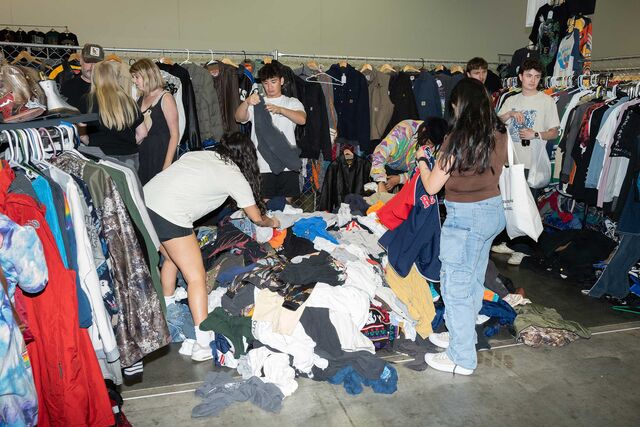
Almost 10,000 thrifters and artists gathered inside Georgia’s second-largest convention center this spring to buy and sell roughly $1 million of secondhand and upcycled clothing at ThriftCon Atlanta. It’s a big step up from the company’s first vintage pop-up, convened in a Denver parking lot in 2018.
ThriftCon, which has exploded into the largest traveling marketplace for preloved fashion in the US, drew 40,000 attendees to its various events in 2024 and expects to double that this year as prices for new apparel rise because of inflation and President Donald Trump’s tariffs. In 2025 organizers are expanding to include 10 pop-up markets in exhibition halls and concert venues across the US, plus a debut in London.
“If fast fashion is getting more expensive,” says vendor Blake Adams, who also operates a vintage storefront in Mobile, Alabama, “it makes sense for recycled, sustainable, older stuff to be more sought-after.”
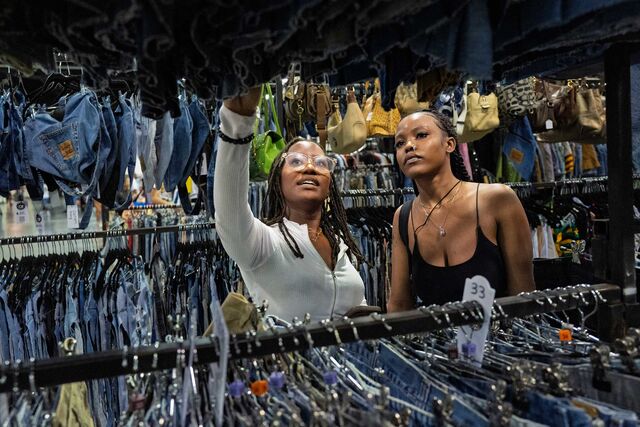
Many buyers at the April 19 event said they were trying to keep worn clothing out of landfills; others were looking to save money. Many cited the declining quality of today’s apparel and increasing costs as reasons to choose preowned alternatives.
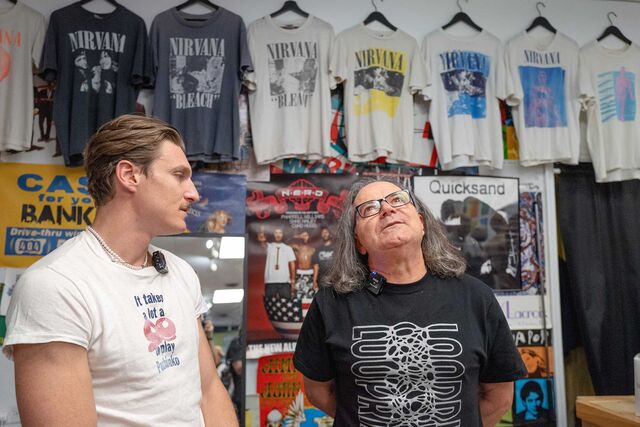
Some vendors brought in as much as $15,000 at their booths, peddling everything from bargain-bin finds to Y2K-era streetwear. Jeff Ross, a musician who in the ’90s designed iconic T-shirts for bands such as Mudhoney, the Fluid and Nirvana, has been selling his collection of vintage tees to fund his lifestyle in Japan. They regularly go for $4,000 or $5,000; a recent sale reached $10,000.
Even before US trade policies drove up apparel prices, demand for thrifted items was booming. The US secondhand clothing market grew 14% in 2024—five times faster than the broader retail apparel market—and is expected to reach $74 billion by 2029, says online consignment store ThredUp Inc.
“You get pieces you wouldn’t be able to find anywhere else,” says Braxton Kennedy, an 18-year-old student who sells occasional finds for profit. “Not too long ago, I got a hoodie for $6, and I flipped it for $65.”
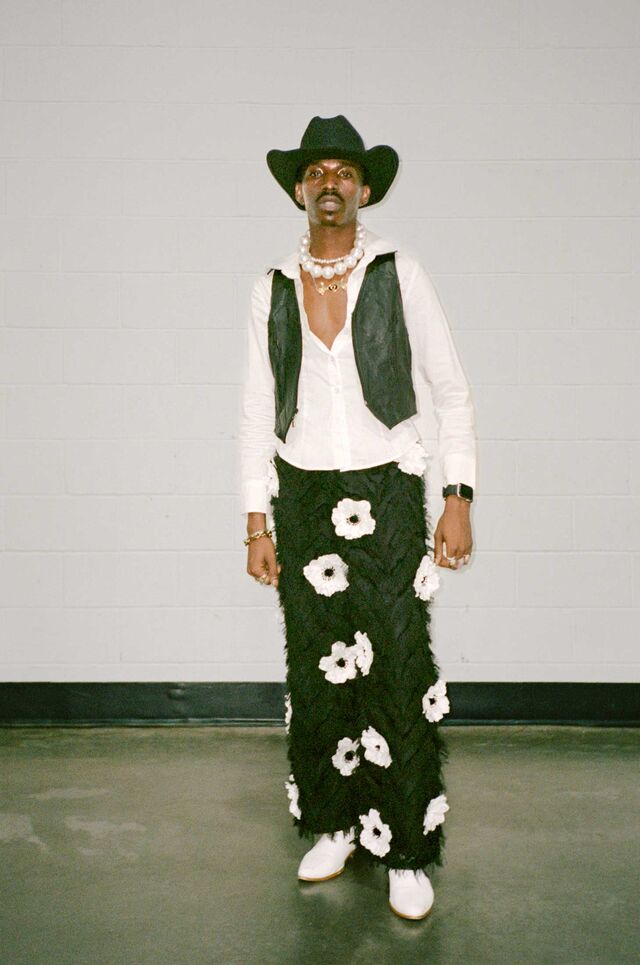
“I like to stand out,” says Dwayne Johnson, 30, in pearls and custom-designed floral pants, “even though the world wants everybody to fit in.” For Johnson, vintage fashion is also about sustainability. He hopes to start his own brand that helps customers rework old clothes into custom garments. “It’ll save you the cost, and also it’ll save the environment that we’re unfortunately not taking care of.”
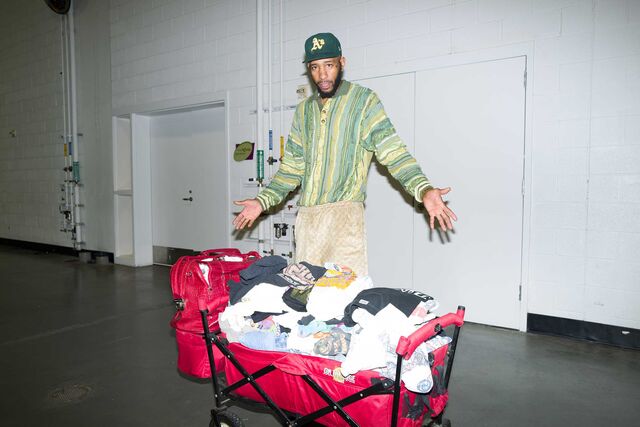
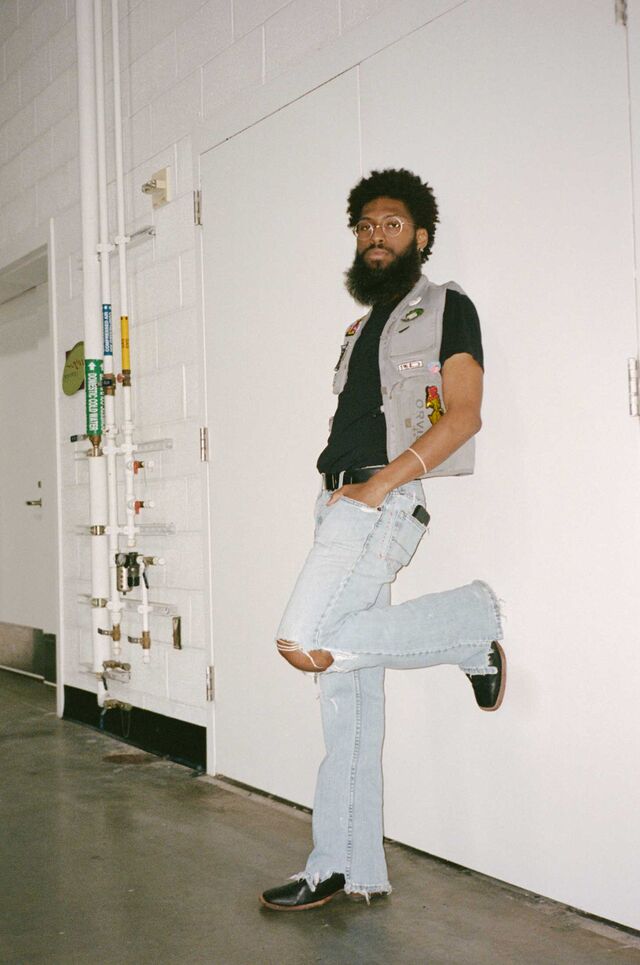
“Eventually this stuff is not going to be able to be found anymore,” longtime seller J.R. Bradley, 33, says of the kinds of unique pieces stretching out across the hall. “This stuff right here is going to always increase in value because it’s so limited.” In Atlanta, he’s specifically hunting for cartoon-style Black art T-shirts from the ’80s and ’90s, often sold at historically Black colleges and universities or music and arts festivals.
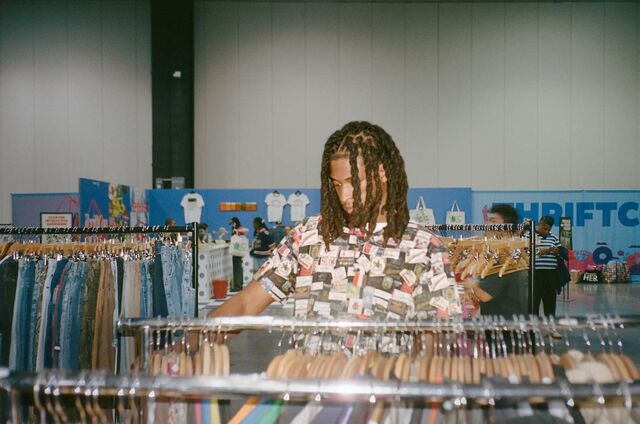
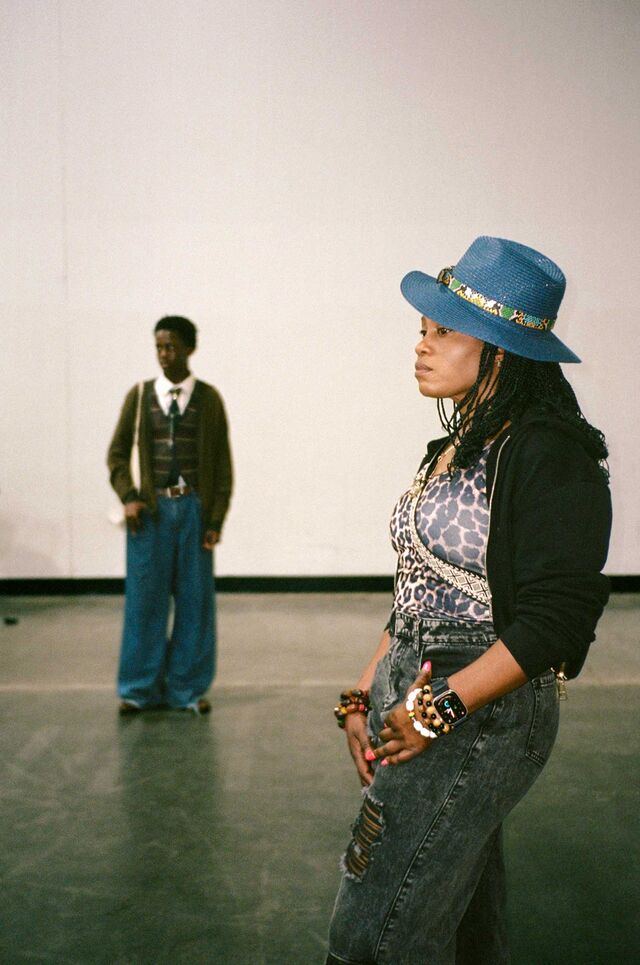
Faith Omo runs a small African market outside Atlanta that imports clothes, jewelry and food from Nigeria. Tariffs and customs delays have made it increasingly difficult to restock. “Right now, I have about two containers full of stuff that I’m trying to bring in,” she says. “I had to stop it so I can find a way to bring it in smaller sizes—or even find families and friends who are traveling over.” She’s shopping with her 14-year-old son, David. Dressed in vintage Levi’s from the ’90s, he represents a new generation of thrift-savvy shoppers who approach fashion with both critical awareness and personal flair. He checks tags to avoid fast-fashion staples like Shein or H&M, which he says are inflating prices in secondhand shops. “They're being upcycled as if they were vintage,” he says, “and that has definitely caused prices to go up.”
More than two out of three younger-generation shoppers, meaning those age 18 to 44, shopped for secondhand apparel last year, ThredUp says. That’s 10 percentage points more than for the wider population.
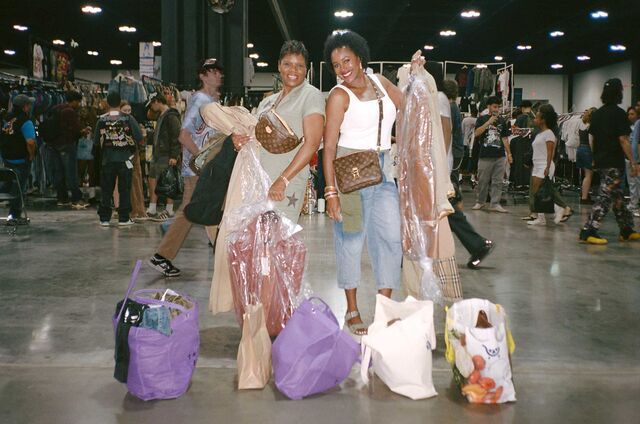
It was Tanisha Browne’s (right) and her friend Maxine McCauley-Hack’s first ThriftCon, but they shopped like veterans—each leaving with about 10 finds, including what Browne estimated as “at least five coats apiece.” Who buys coats in Atlanta just before summer? Browne laughs, saying the prices and brands were too good to ignore. “I mean, you couldn’t leave it behind.”
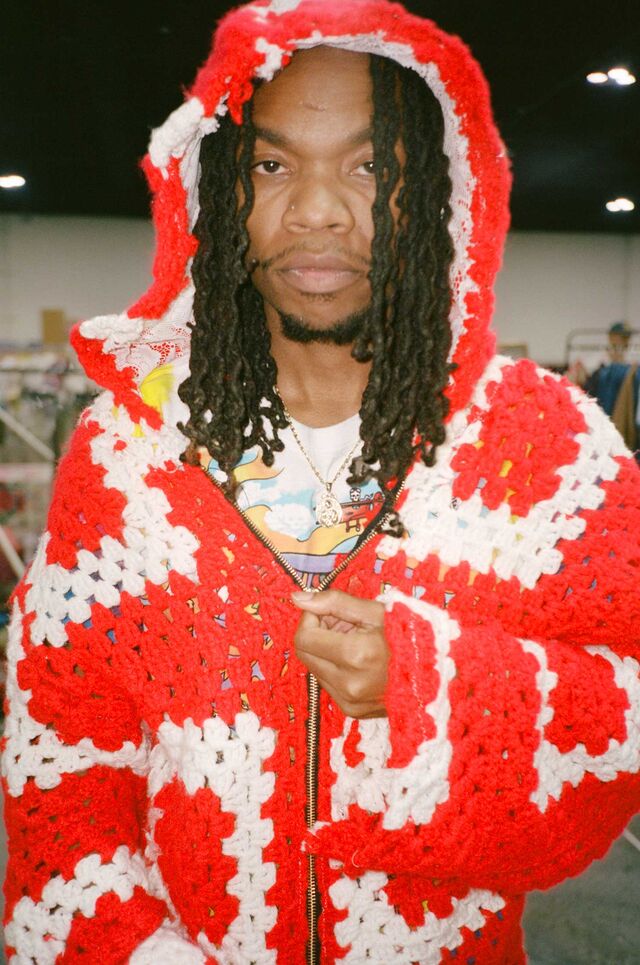
R.J. Nash, 26, wears what he makes. In Atlanta, the Memphis-based upcycler wore for the first time a hoodie crafted from a vintage crocheted Afghan blanket, lined with lace. His brother taught him “the tricks of the trade,” and now he’s fast—what used to take him a week to make, he can finish in a day. He picked up a few pieces for himself—a funky Mickey Mouse watch, a pullover made by his brother for sale at the booth they’re sharing—but he avoids buying too much. “My closet’s running over, like heavy. It’s killing my flow.”
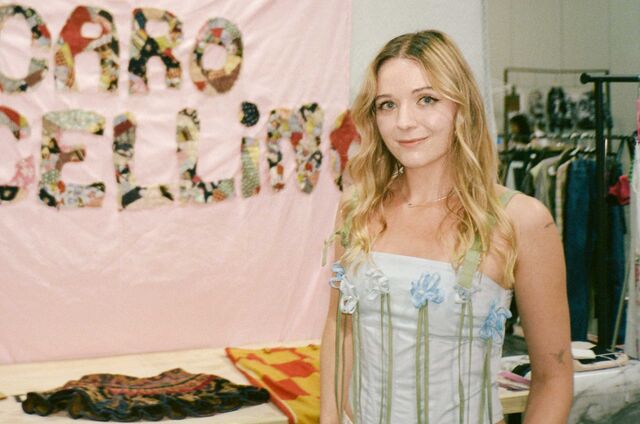
Upcycler Liz Stevenson, 28, who sewed her own pants from old handkerchiefs and vintage napkins, has watched the cost of sourcing rise steadily: “My textiles get more expensive, especially in LA.” Still, she avoids import tariffs by buying small quantities of European fabric while traveling. “I just put it in my suitcase.”
Noah Abrams says Trump’s policies are already reshaping shopping habits in his orbit. His aunt, for instance, wanted to buy a dress for her birthday. “Some of the stuff she had in her cart disappeared because it was made in China,” he says. If tariffs stick, he expects more people will turn to vintage. “Even if it’s a steep price, if it lasted that long and you know you’ll wear it, it’s worth it.”