Buy Your Luxury Secondhand
Designer prices are sky-high and fashion brands remain in flux.
Even in the best of times, luxury fashion is a tricky business. The contradiction at the heart of the largely European industry—its goods command high prices because they’re putatively rare or special, but they’re produced at industrial scale and sold in every corner of the globe—is always threatening to collapse in on itself. That’s true even if two decades of boom times have made the whole proposition seem far less precarious than perhaps it should. Now that precarity is on full display.
As recently as 2023, it was easy to feel as if the good times would last forever. That year, LVMH Moët Hennessy Louis Vuitton SE, fashion’s largest and most powerful conglomerate, which owns brands including Louis Vuitton and Dior, brought in more than €86 billion ($100 billion) in revenue, the company’s largest haul and a more than 50% increase from only four years earlier. The industry had been on the receiving end of a cash cannon fired by affluent people all over the world, whose savings accounts had grown fat during the pandemic from vacations not taken and tasting menus not eaten—to say nothing of their ballooning brokerage accounts, cryptocurrency wallets and property values. Those shoppers, bored at home, evinced a willingness to buy almost anything Europe’s fashion giants had on offer, and at seemingly any price.
Luxury brands responded to that willingness (or, if you want the companies’ line, to rising costs of labor and raw materials) by jacking up their prices further and faster than most of their customers could have imagined possible. A report from HSBC Holdings Plc found that the prices of luxury goods in Europe increased an average of 54% from the end of 2019 through September 2024, far outpacing inflation. Some of the most sought-after items soared even higher: In 2019 a medium-size Chanel Classic Flap bag—one of the most popular and recognizable designs in fashion history—cost $5,800 in the US. At the beginning of 2025, the same bag would have set you back $10,200.
By then the cracks in global fashion’s facade had become visible. “Luxury is in a death spiral,” the longtime fashion editor and lecturer Katharine Zarella wrote in a New York Times op-ed at the height of the 2024 holiday shopping season. That year both LVMH and Kering SA—fashion’s other heavyweight conglomerate, which owns Gucci and Balenciaga, among others—would post revenue declines, and both are on track for further declines once 2025 is tallied. Growth stalled for a whole host of reasons: The prices were ridiculous, yes, but also the industry’s ideas were stale, the quality of many of its products had declined enough for customers to notice, and the Chinese economy faltered, stifling the spending power of the consumers who’d for years been European fashion’s most reliable driver of expansion. Then the election of Donald Trump brought with it tariff chaos, recession fears and a stagnant US job market, spooking the middle-income American shoppers whom luxury marketers had worked for decades to persuade to splurge on $600 logo belts and $3,000 handbags every now and then.
Luxury’s Biggest Player Takes a Dip
LVMH annual revenue, 12 months ending in September

Fashion’s issues were bad enough this year that the state of the industry became fodder for discussion among the young people whose patronage will be crucial to its future. On TikTok, videos from Chinese manufacturers went viral in the US, claiming to expose the dubious origins of European luxury products, and in China, disenchantment with Europe’s fashion giants has provided an opening for homegrown luxury brands to expand, some of them as much as 1,000% in the past two years, according to a recent data analysis from Bloomberg News. An ongoing investigation by Italian prosecutors linked brands including Dior and Armani to the exploitation of Chinese immigrant labor in clandestine Italian sweatshops, giving credence to the argument that most luxury goods aren’t actually special at all. (The brands in question say they knew nothing about their products being manufactured in those facilities, pointing to the opaque nature of the fashion supply chain, in which vendors often subcontract work out to cheaper manufacturers without the explicit permission of their clients.)
Industry executives have undertaken a number of efforts to stanch the bleeding, most notably by bringing in fresh creative talent to breathe life into some of the most important brands in the business. Balenciaga, Bottega Veneta, Celine, Chanel, Dior, Fendi, Gucci, Loewe and Valentino, among a slew of others, all have new designers at the helm, a level of simultaneous upheaval unprecedented in the industry’s modern era. Others are trying to crib tactics from Hermès International SCA, Prada SpA and the Row (one of the few serious American participants in the sector), which have continued to grow even as their peers have floundered. One strategy no one is trying is to moderate their prices: The same Chanel bag that was $10,200 in January is now $11,300. LVMH returned to growth in the most recent quarter, with a 1% improvement from a year earlier, though executives credited much of that success to the strength of beauty giant Sephora, even as the conglomerate’s fashion assortment continues to lag.

Fashion brands aren’t just working against their own price hikes and creative stagnancy to lure back customers; they’re also working against the sometimes superior design and materials they offered to customers in years past. Huge selections of those goods (not to mention plenty of lightly used examples of current designs) are widely available for pennies on the dollar on resale platforms such as the RealReal Inc and Vestiaire Collective.
Shoppers might be balking at what’s available in luxury boutiques, but at least some of those dollars are now flowing into the secondhand fashion market, which is growing at three times the rate of the market for new goods, according to a recent report from Boston Consulting Group. The same report valued the current global secondhand market at $210 billion, with a projected value of $360 billion by 2030. Even in China, where high-end shoppers have long eschewed used clothing and accessories, the phenomenon is gaining traction. The country’s resale market grew an estimated 35% this year, according to the consulting firm Digital Luxury Group.
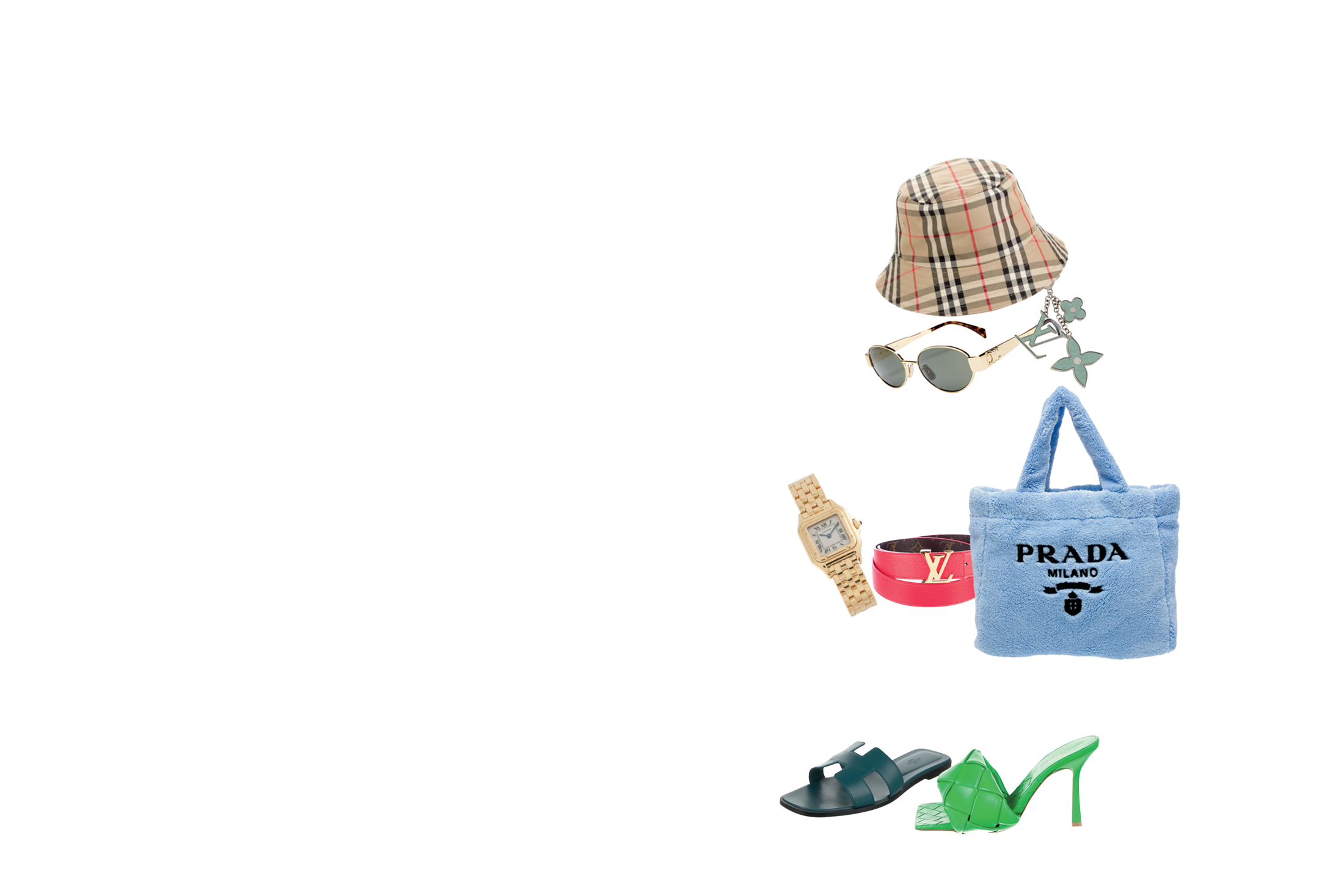
The powerhouses of traditional luxury have long sought to distance themselves from the secondhand trade, and most refuse to verify the authenticity of products purchased at resale. With every passing year, though, their customer base becomes more open to the prospect of shopping from other people’s closets, and the conglomerates’ pricing games and middling output will continue to push holdouts to reconsider. There’s never been a better time to shop for a gently used leather bag or cashmere coat, and secondhand shopping offers an opportunity that the biggest brands haven’t been able to credibly present to shoppers in years: the prospect of finding something truly special and unexpected, and escaping the hunt with your finances intact.