
Markets Magazine
The Puzzle Super Bowl
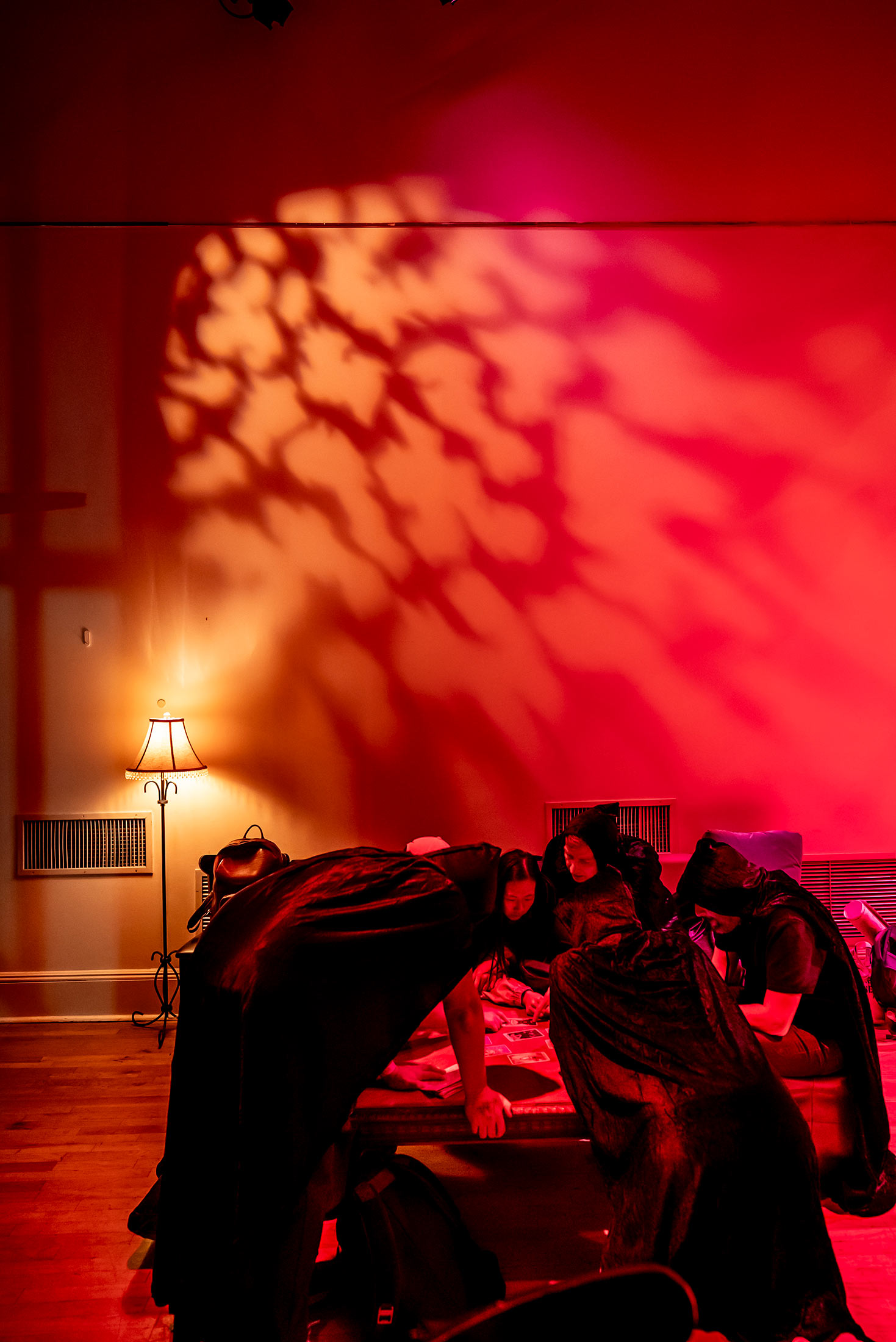
Six midcareer financial professionals hovered over a Ouija board on the first floor of a Brooklyn brownstone in early October, stumped by its cryptic responses.
Not a chance. It’s unclear. You’re missing the point.
“This isn’t working. Let’s try something else,” said Daniel Aisen, co-founder of Proof Trading Inc., which brokers stock transactions for big money managers. He decided to ask whether any of the questions they’d taken 20 minutes to formulate mattered at all. The plastic pointer searched the board before landing on the bad news and emitting a buzzing sound.
Don’t count on it.
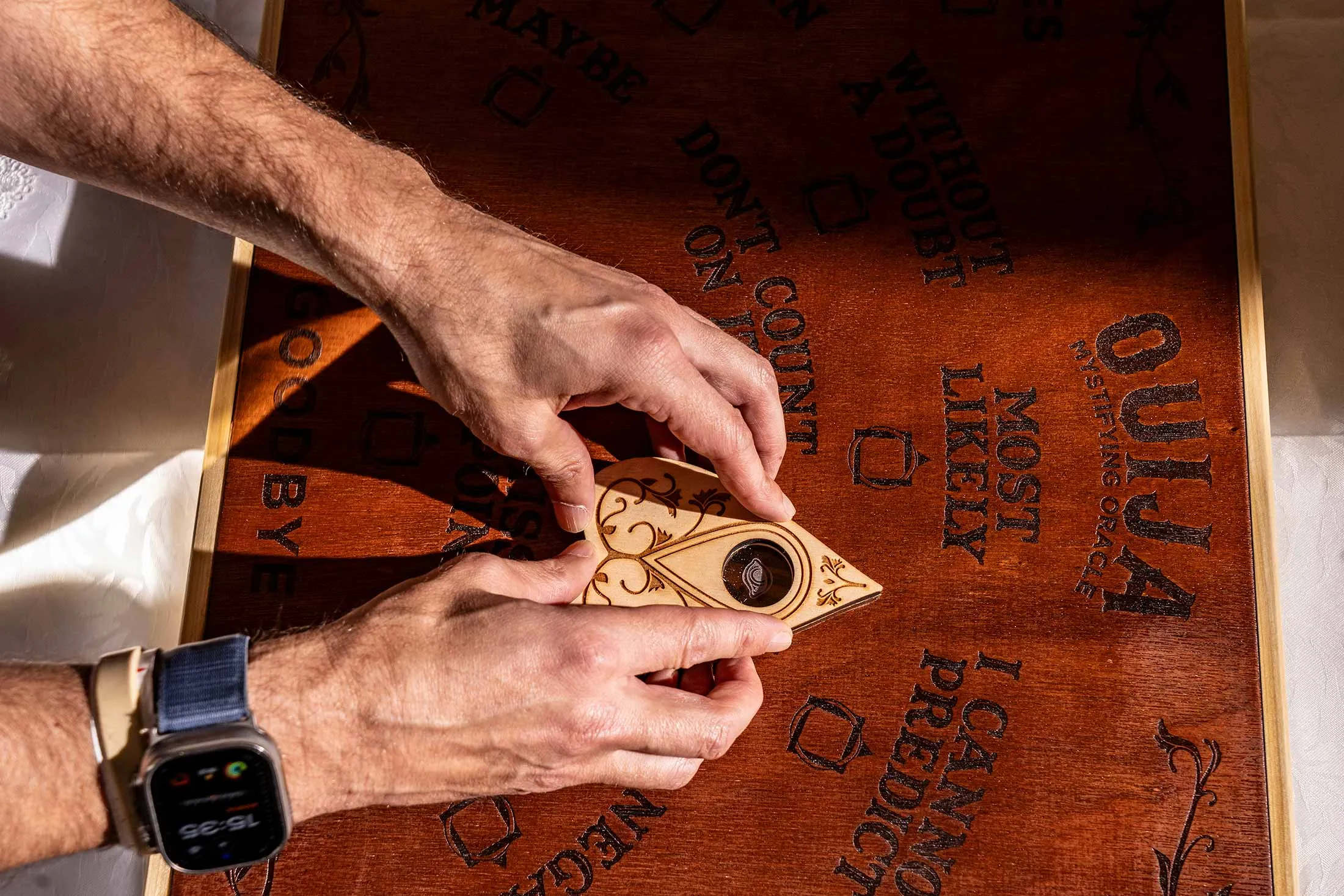
The sextet realized they’d fallen for a red herring. They were competing in an elaborate 12-hour scavenger hunt in New York City, and now they’d lost valuable time.
Midnight Madness, as the biennial contest is known, began in 1996 as a free game devised by a pair of college kids at Columbia University who were fans of the eponymous comedy film. They eventually shuttered the project, but former player Elisha Wiesel, son of the writer and Nobel laureate Elie Wiesel, helped revive the contest in 2012 for employees of Goldman Sachs Group Inc., his employer at the time. It was such a hit that they opened it up to other players, and proceeds were directed to charity. Gotham Immersive Laboratories, a creative agency and production studio, has helped produce the puzzles since 2021.
This year’s competition raised more than $818,000 for Good Shepherd Services, a nonprofit focused on youth development and family services. Nineteen teams took part, including eight sponsored by Goldman Sachs, each paying a $42,000 entry fee. The 114 players mostly hailed from the city, and they donned sweatpants and sneakers to run, bike and Uber more than 22 miles around Brooklyn and Manhattan to solve a series of convoluted puzzles at 10 secret locations.
A world map, a newspaper and a squad of referees called Game Control guided players on their journey. “Without them pointing you in the right direction, you’ll never get to the finish line,” Aisen says in an interview. The 38-year-old, who goes by the nickname “Puz,” participated in the puzzle hunt with a group of friends.
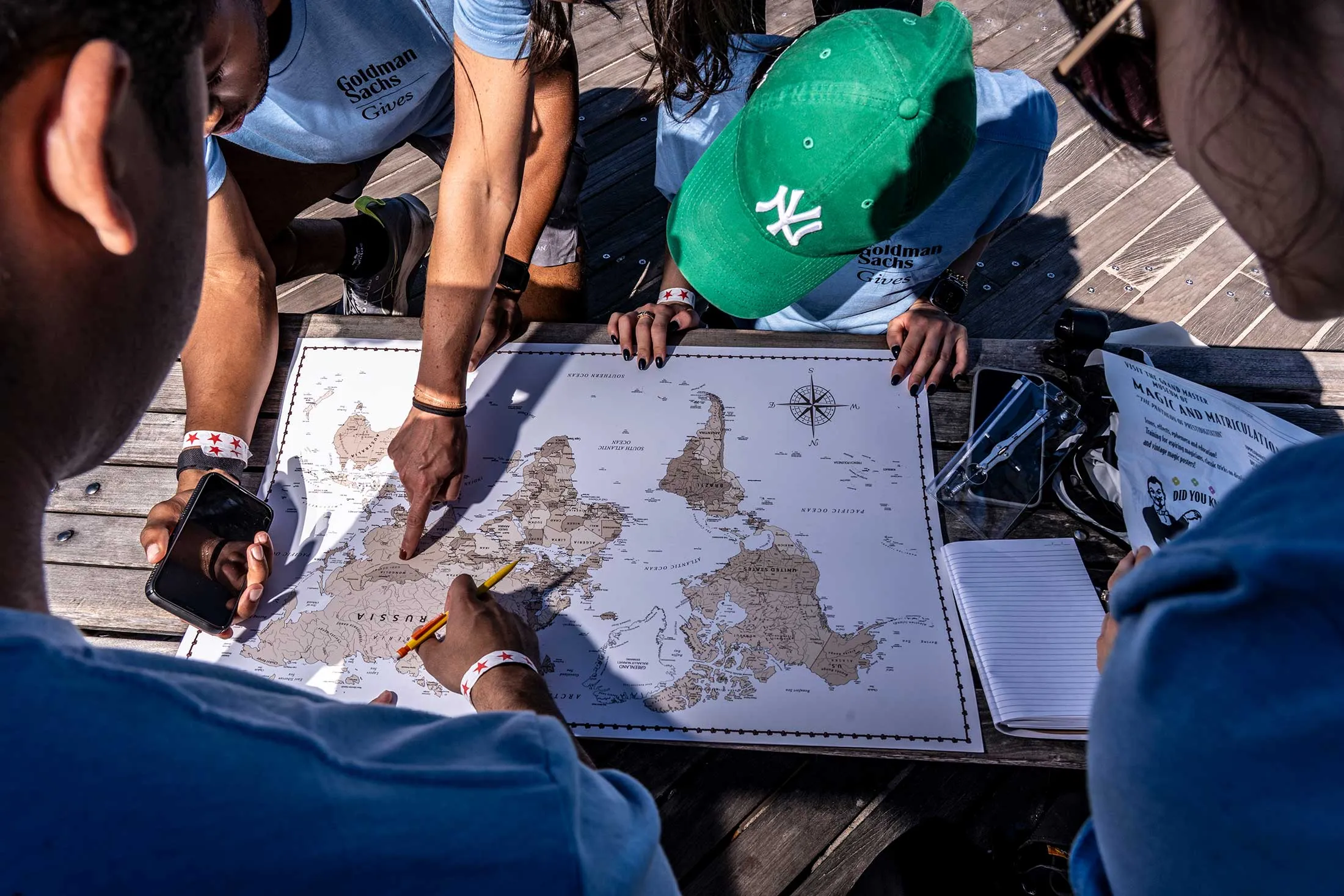

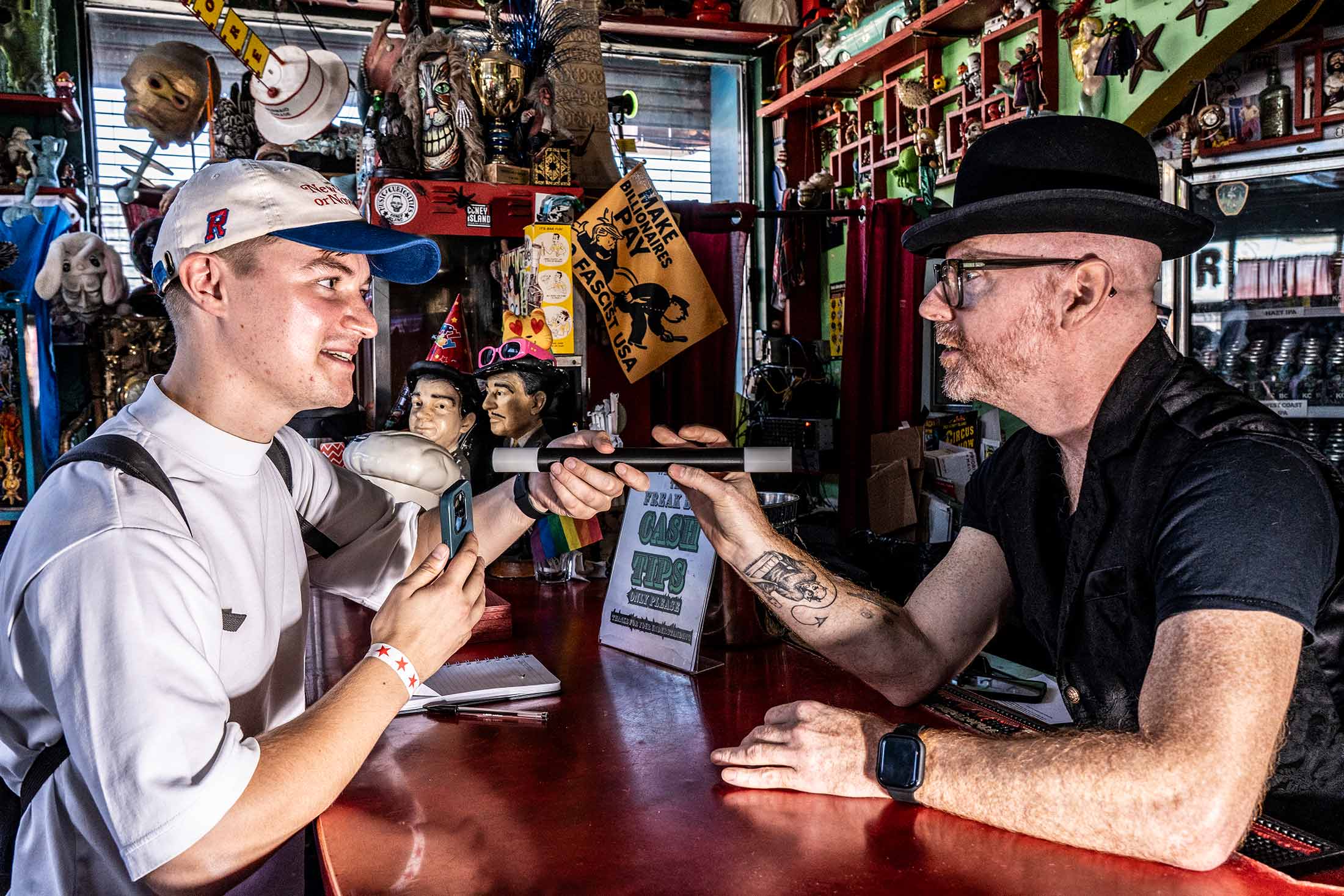

The theme of this year’s game revolved around Harry Houdini. Each puzzle incorporated aspects of his life and magic tricks. A lockbox at the bottom of a swimming pool paid homage to his famous escape act from a water torture cell. Players had to displace water in cylinders using chains and then make key impressions in putty to solve that puzzle. “You’re acting out the things he had done,” Aisen says.
Teams teased clues from props and actors at each location to find out where to go next. In a small theater on Coney Island, for instance, a contortionist bent her limbs to spell letters in semaphore, the flag-signaling system sailors use to talk between ships. Then a burlesque dancer showed off a handful of garments bearing numbers embroidered in silver, including a feather boa that unfurled into a fan revealing a “6.”
Each puzzle provided numbers or phrases directing players to the next location. Sometimes it required a bit of pop-culture knowledge, such as knowing that Harry Potter and the Deathly Hallows is the seventh book in the series or that The Phantom Menace is the first Star Wars episode, to fill in missing digits for longitude and latitude.
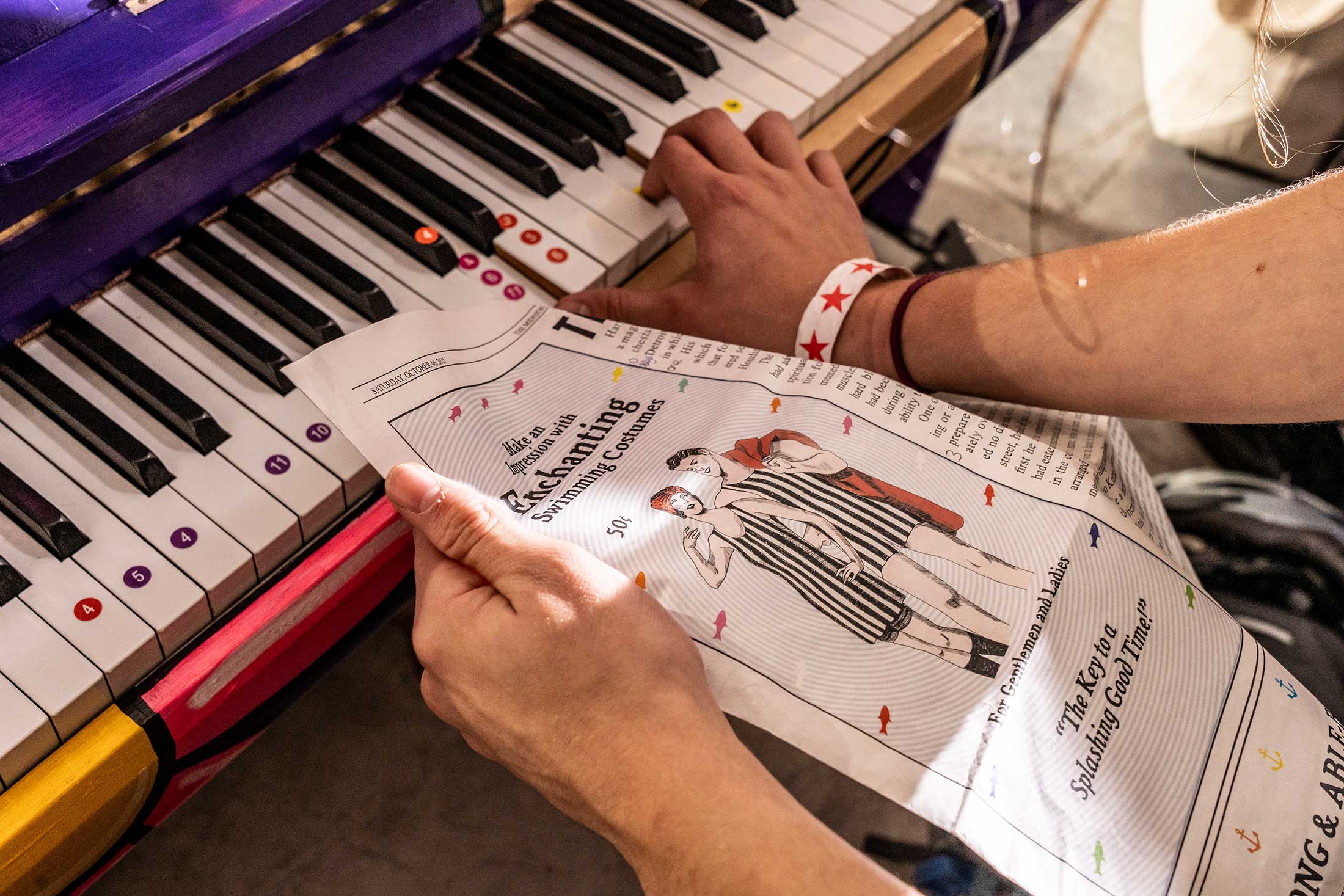
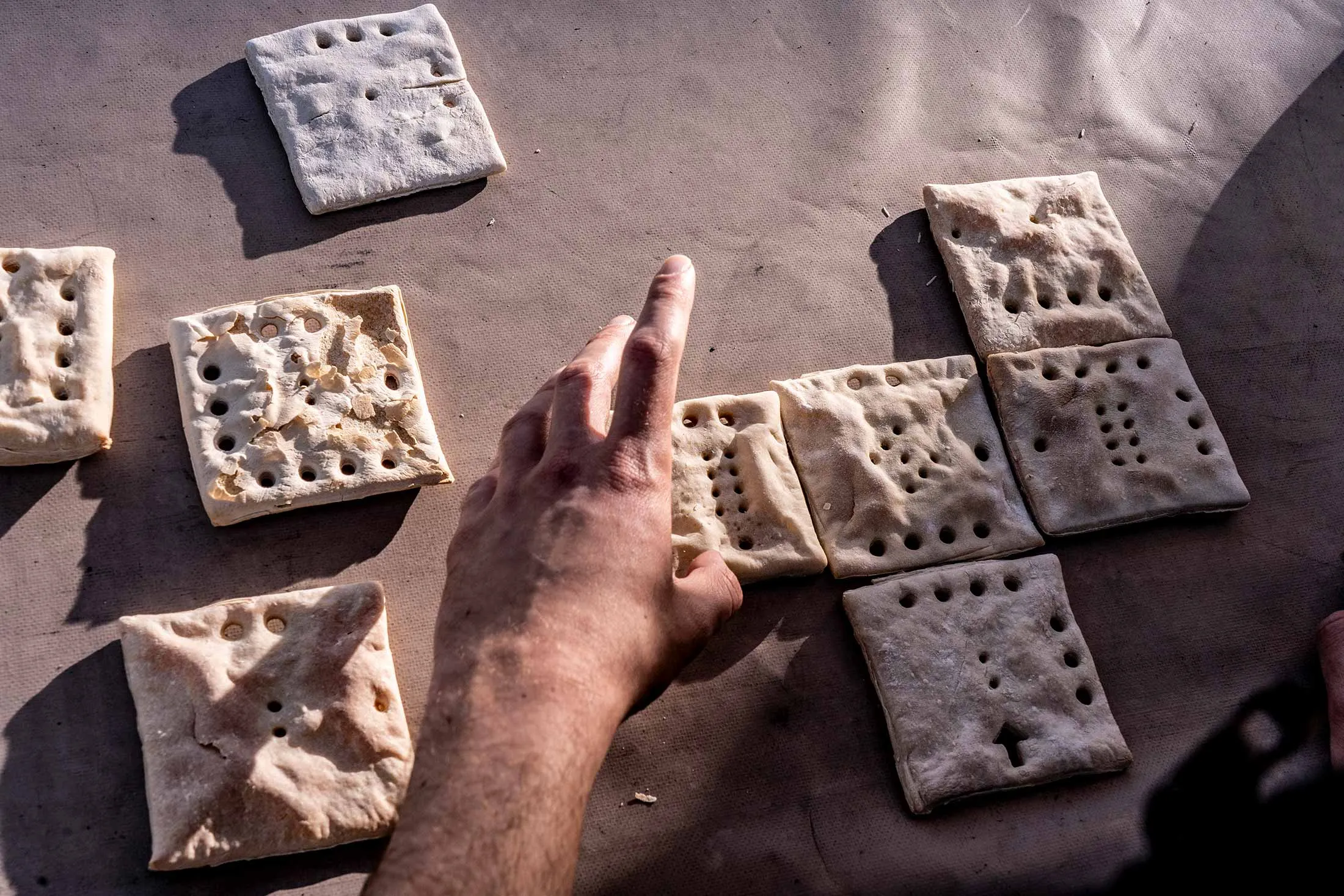

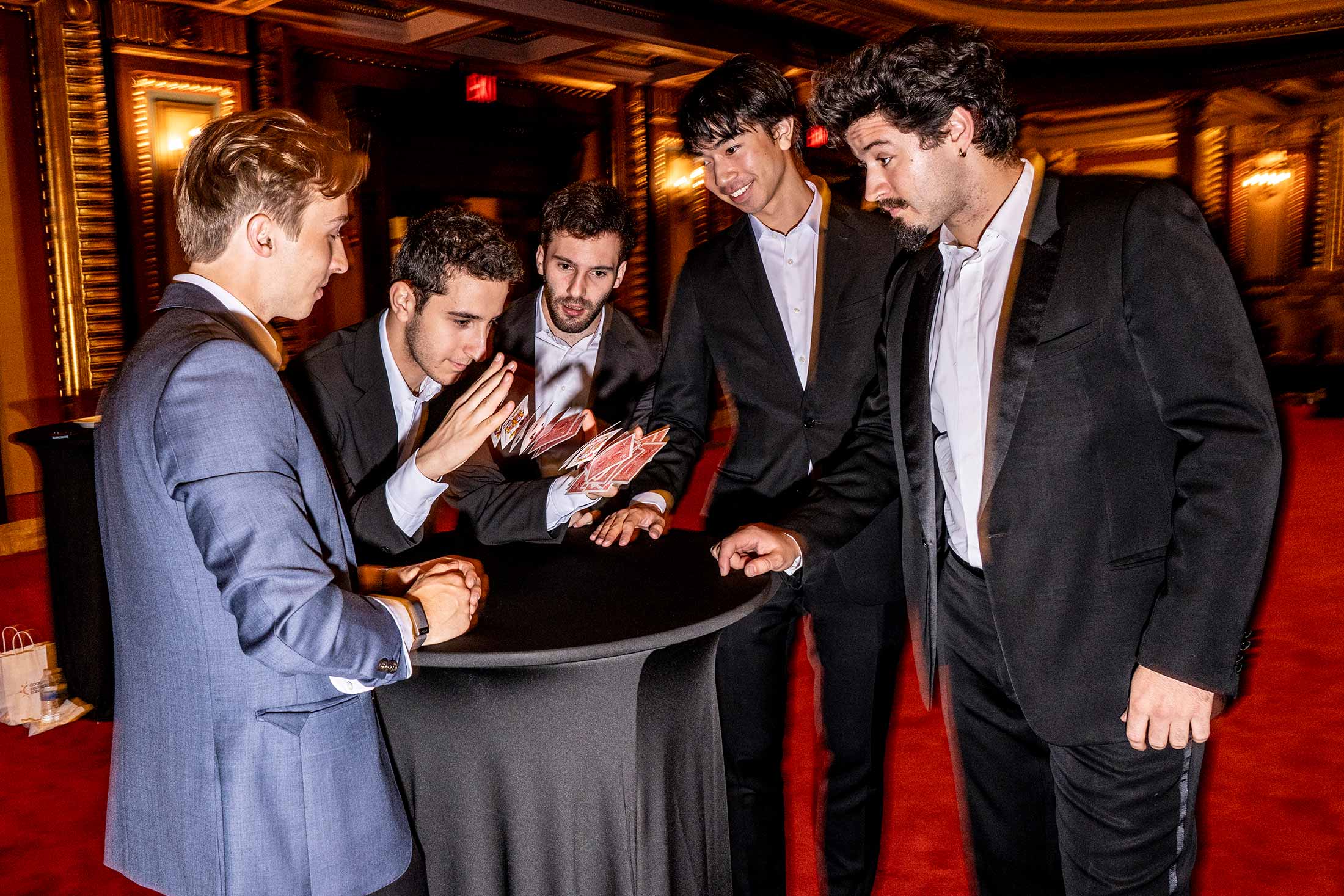
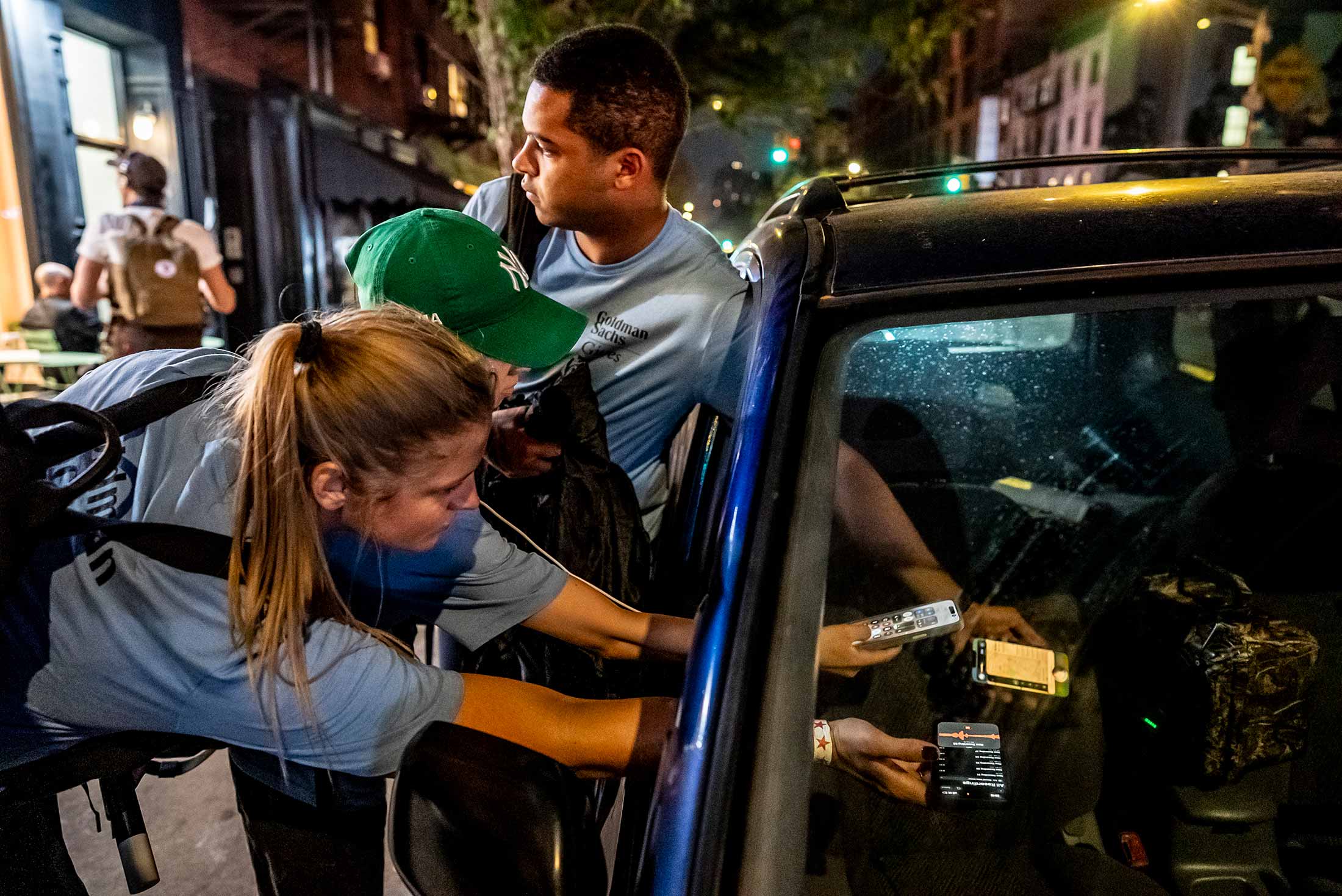
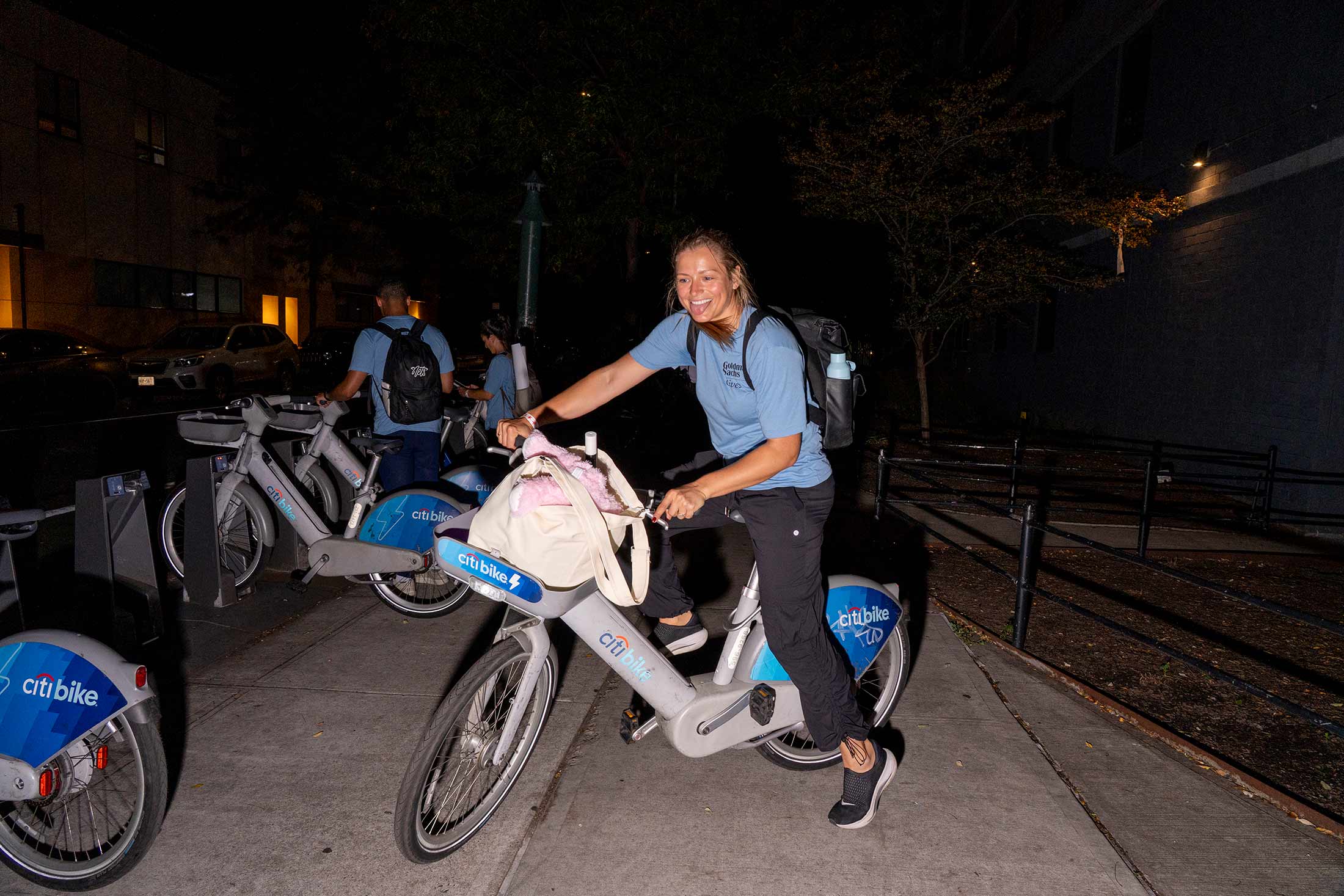
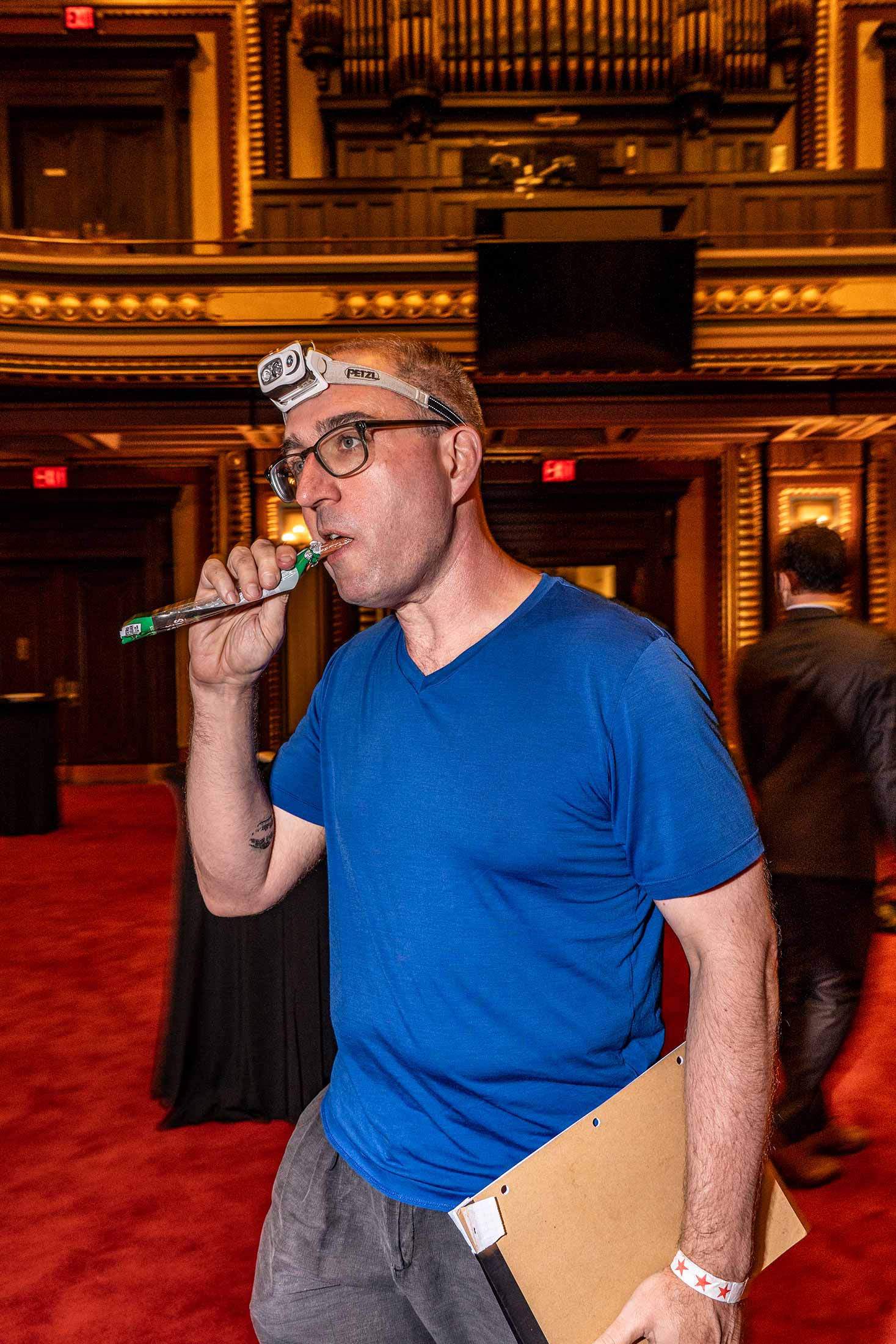
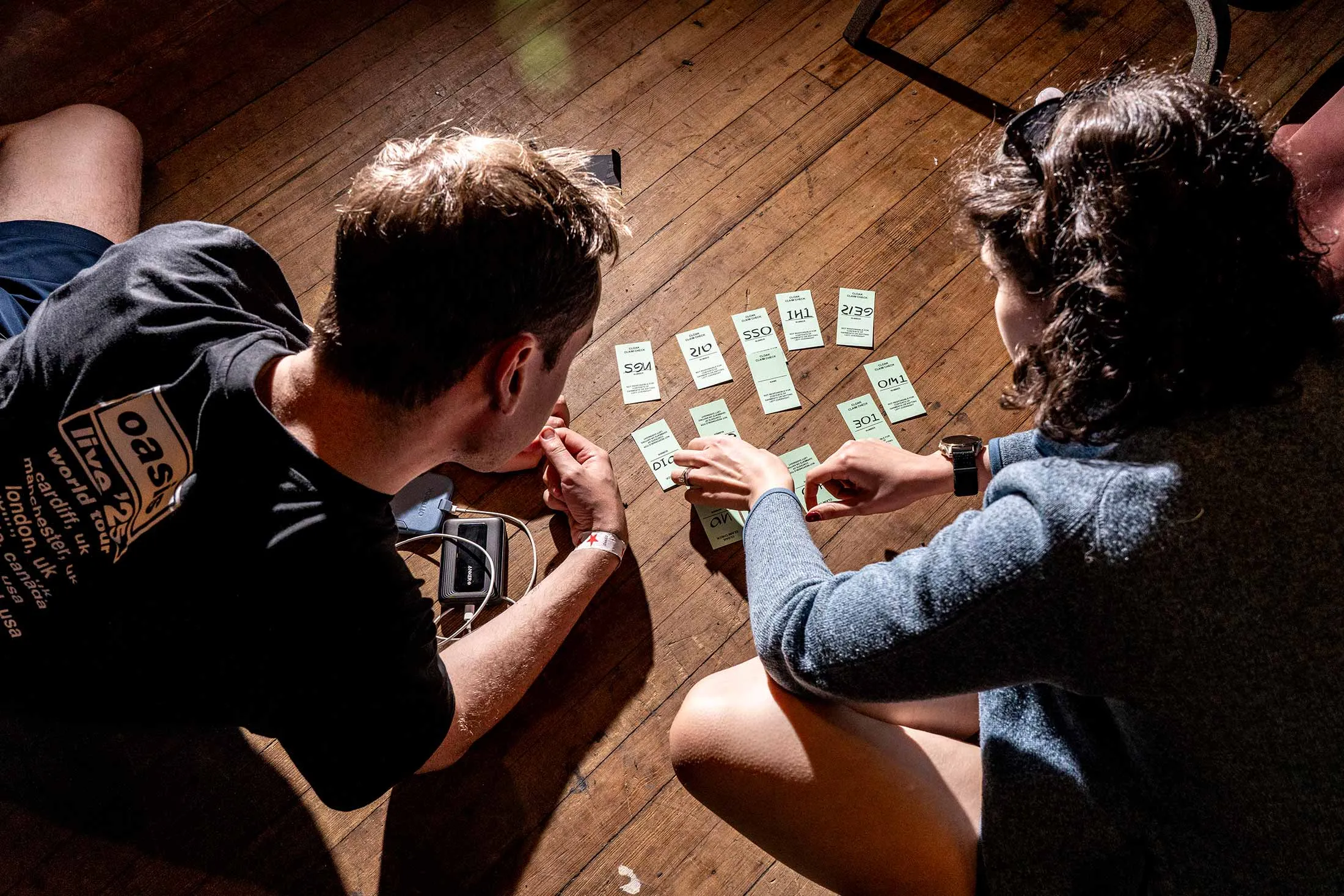
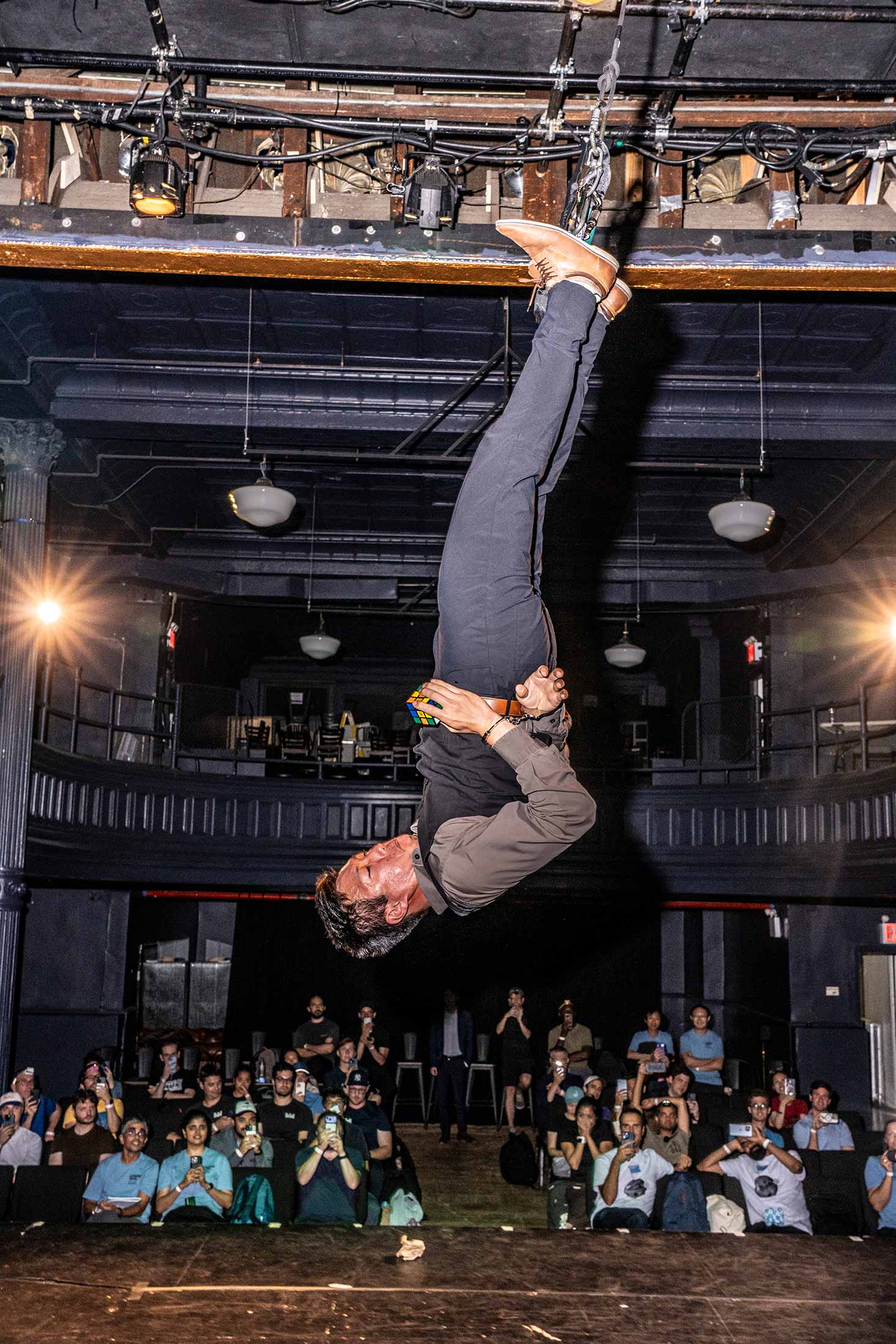


In the end, a self-funded team called Regenwolk 3000 was crowned the winner around 1:30 a.m. Their prize was bragging rights. A team from Citadel Securities came in second. Aisen’s group, the Midnight Marauders, finished third, missing out on a three-peat after victories in 2021 and 2023.
“They call it the Super Bowl for puzzle people,” says Raymond Iwanowski, co-founder of Secor Asset Management LP and sponsor of Aisen’s team. He began convening a team for the event after starting his own firm. “Quantitative people like to solve puzzles,” Iwanowski says.
It also turns out that the scavenger hunt, with all its intricacies, has a lot in common with investing. Just like the Ouija board puzzle that ensnared the Midnight Marauders, being successful in finance often comes down to figuring out which problems are worth solving. “Really good investors are really good at separating the signal and the noise,” Iwanowski says.


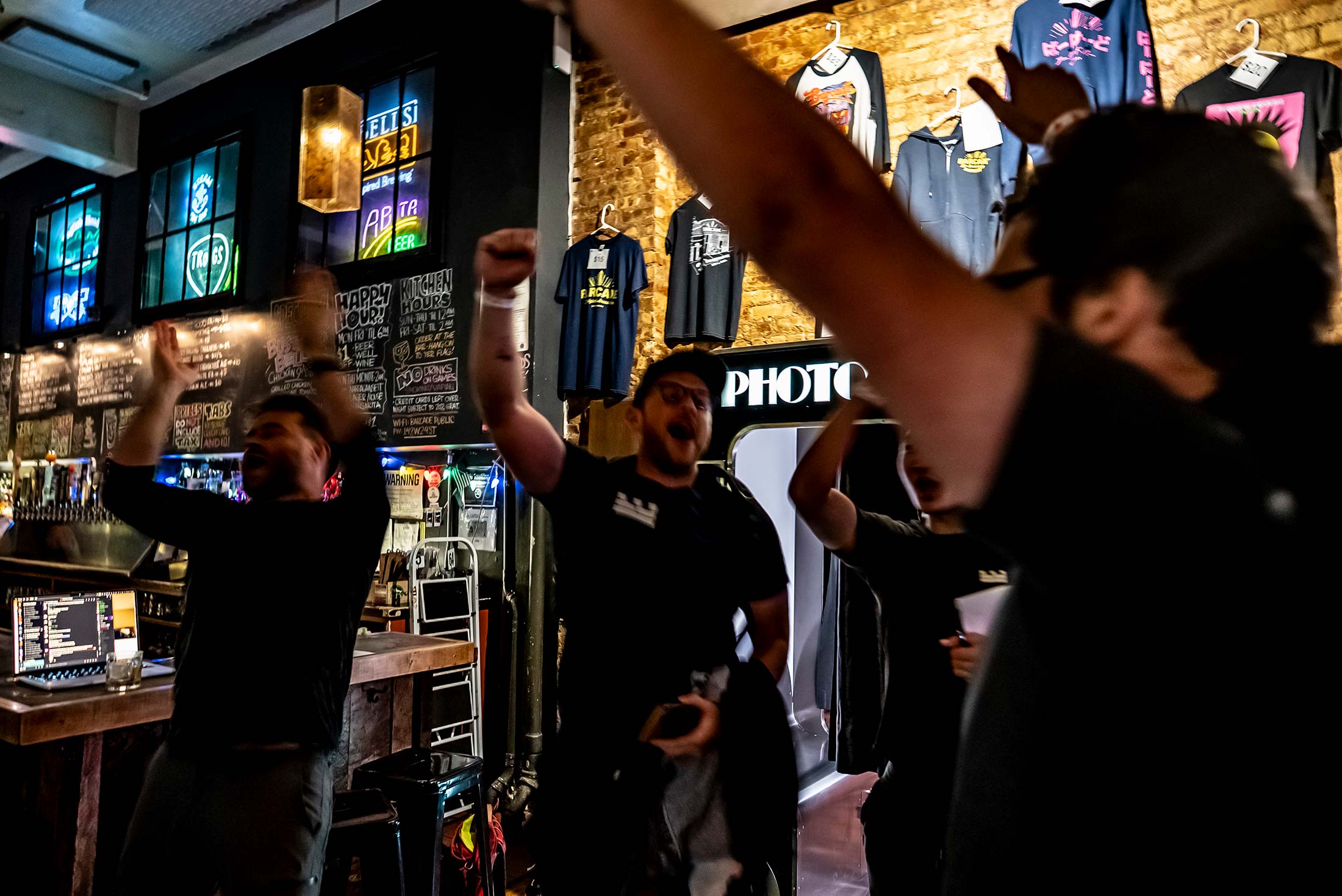
For Aisen the fun lies in using high-level thinking with relatively low stakes compared with a typical day on Wall Street. And even when you mess up, there’s a chance for redemption. Hours after the Ouija board incident, his team encountered a particularly challenging puzzle at Gleason’s Gym in Brooklyn. Working together, they figured out how to punch a dummy at the right speed to play a series of TV news clips that correlated with the dates of famous boxing matches. Nine boxes held objects related to specific boxers along with a scale. Weighing the correct pairs of boxes provided the coordinates of words in the newspaper they’d been given at the beginning of the scavenger hunt, directing them to the final spot on their quest.
“That’s the heart of the puzzle solving,” Aisen says.