Two-Night Minimum Manchester
A cultural and economic revolution is transforming this old industrial hub into one of Britain’s most captivating—and modern—cities. But two things will never change: Its penchant for football and for rock ’n’ roll.
Welcome back to Two-Night Minimum, a series of city guides for those who want to get to the heart of a place in a short time—be it on a business trip or a weekend vacation. For this Manchester edition, we independently scoped out more than 130 venues and distilled the list down to the very best of the best: Every recommendation below has earned our most discerning stamp of approval.
Is there anything more prototypically Manchester than seeing Oasis frontman Liam Gallagher perform to a sold-out crowd of 25,000 fans, all hurling pints of beer from the balconies while belting lyrics about cigarettes, alcohol and lasagna?
That’s the scene that welcomed me to town. Three decades since the release of his band’s breakout album, Definitely Maybe, Gallagher was on a homecoming tour. And it’s likely we both saw the city with the same fresh eyes. After all, Manchester is practically unrecognizable from the dour, working-class city Gallagher left long ago.
Your Next Destination
Case in point: the venue. Opened in May on Etihad Campus—also the home of famed football franchise Manchester City—Co-op Live is now the biggest music-dedicated venue in all of Europe. And that’s not the city’s only cultural superlative, either. Just across town is the year-old Factory International, an interdisciplinary performance space that represents the most expensive arts investment in the UK since the Tate Modern swung its doors open in 2000.
It’s this cultural renaissance that’s more definitive of Manchester today than anything else. Following the upheaval of Brexit, global hyperinflation and the aftershocks of the pandemic, the UK’s second city has emerged as an artsy and affordable foil to London—one of the most desirable places for Brits to live and work. The city is teeming with new residential towers and a bevy of new attractions. And to sweeten the pot, there’s a booming startup and tech culture: Look no further than the legions of international corporations such as Amazon.com Inc. and Adidas AG that have transplanted their headquarters here in recent years.
With more cranes than a Frasier rerun, Manchester is seeing high-speed growth and evolution that show no sign of stopping. Is this a city poised to break out beyond its borders and gain global recognition? Definitely maybe.
Here’s a cheat sheet to help make the most of your visit, whether you have two nights or two weeks.
Top Rooms in Town
The details you really need to know to stay in comfort
All-Day Dining
Our favorite restaurants for every meal
First things first: In England’s North, the midday meal is “dinner” and the evening meal is “tea.” There’s little ceremony around breakfast (a slice of toast and a big mug of tea—actual tea), but on weekends, cafe brunches are a queue-worthy affair. Business lunches—er, dinners—are beginning to gain traction in step with the city’s growing corporate footprint, but generally locals go out for this afternoon meal only on weekends. Even tea remains refreshingly casual in both attire and attitude, and everyone sits by 7 p.m.; there’s usually a show to see afterward or, at the very least, a round of drinks.
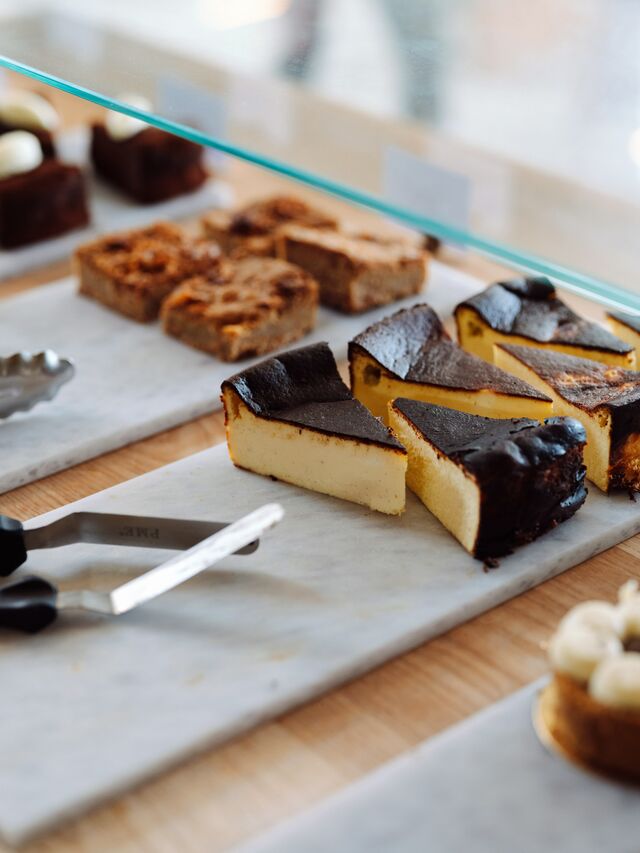
● Pollen Bakery
Updating the heavy English breakfast with a selection of fluffy egg sandos and Benedicts is Pollen Bakery, a brunching and lunching institution. There are two locations: the airy, indoor-outdoor flagship that fronts the New Islington canal and the student-filled Kampus branch near Piccadilly Station. Both are great; in pleasant weather, opt for the former. Don’t overlook the signature “cruffins.” These puffs of croissant dough, baked in muffin tins and filled with a rotating selection of fruit curds, are the perfect moist-but-flaky treat. Watch out, Dominique Ansel!
● This & That
Manchester’s prominent Indian and Pakistani community sprouted in the 1950s when many immigrants arrived looking for factory work. Generations later, the city has its own Curry Mile on Wilmslow Road, a 15-minute drive from downtown in the southern suburb of Rusholme—it’s the biggest conglomeration of South Asian restaurants in the UK. For korma without the commute, try This & That, hidden down a back alley on the edge of the Northern Quarter. It slings a delectable “rice and three”: a daily choice of rich lamb, chicken and veg curries served cafeteria-style atop a bed of basmati.
● Another Hand
Up a flight of rainbow stairs in the refurbished Great Northern complex—a converted Victorian warehouse that now features a mall’s worth of restaurants, shops and entertainment venues—is the 24-seat Another Hand. Its lunch and dinner menus bring a New Nordic sensibility to British food, paired with skin-contact wines and inventive cocktails (try the mezcal- and orange-based Succulent Blood). Standouts included blanched Isle of Wight tomatoes with ricotta gnudi dumplings and fennel, the house-smoked trout, and the thick-cut slices of sourdough from Holy Grain bakery next door. The bread felt like enough reason to swing by for a post-lunch pastry—and the chocolate and cinnamon swirled brioche bun definitely didn’t disappoint.
● Skof
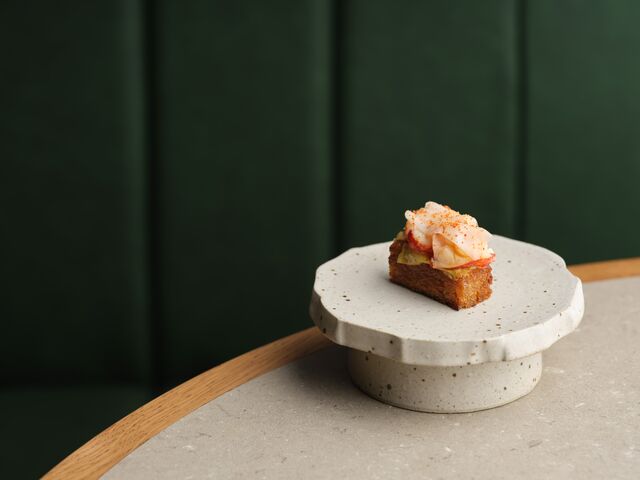
Chef Tom Barnes’ Skof is the city’s most worthy entrant into the fine dining category, with a come-as-you-are casual vibe that belies its technical know-how. There’s nary a misstep in the 12-course, fish- and seafood-centric feast (you can get an abbreviated four courses at lunchtime). Here a morsel of barbecued lobster was set on grilled sourdough that had been soaked in shellfish jus—a lobster roll shrunken in size and amplified in flavor. And we loved the two dishes that bookended the meal: a dainty beef tartare tartlet and a whipped tiramisu, scooped tableside from a utilitarian baking tray. The dessert is a tribute to Barnes’ father, who always loved the Italian treat; in a familial touch, the lucky last diners of the night get to clean the pan with their spoons.
● Higher Ground
The trio of chef friends who run this farm-focused spot met in the kitchen of Blue Hill at Stone Barns, in New York. Now, Higher Ground carries Blue Hill’s ethos across the pond, serving as a love letter to northern English produce and proteins. Highlights include medium-rare lamb with mushrooms and wrinkled peas, and snap peas with cured egg yolk and smoked turbot roe. Don’t overlook the fresh mixed greens and herbs, which make you realize what vegetables are supposed to taste like. It’s part of a beautiful showcase of robust flavors, all served across a swooshing silver bar top from the open kitchen.
● Peveril of the Peak
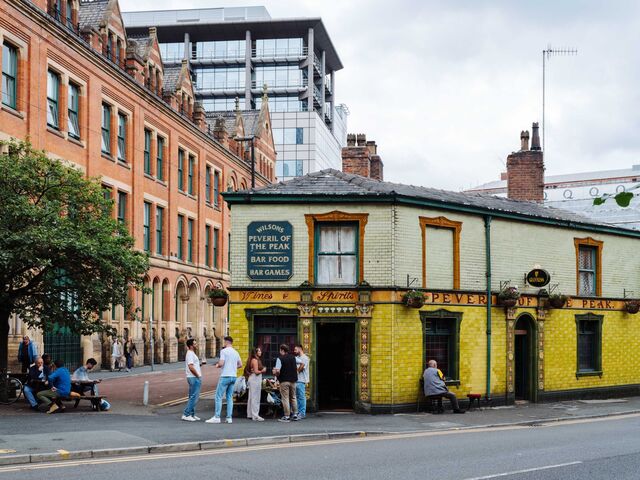
A brothel and mobster hangout in the early 19th century, the green- and yellow-tiled Peveril of the Peak is such an old pub, it was named for a then-innovative stagecoach that predated Britain’s train system. Today it’s a hub for locals and students who grab pints of Guinness from across the leaded-glass bar and sprawl along the plaid and floral-printed banquettes. Some believe the place is haunted by a ghost, but the most fantastical aspect of “the Pev” is Nancy, its almost 100-year-old proprietress, who’s been running the joint for more than five decades.
● Schofield’s Bar
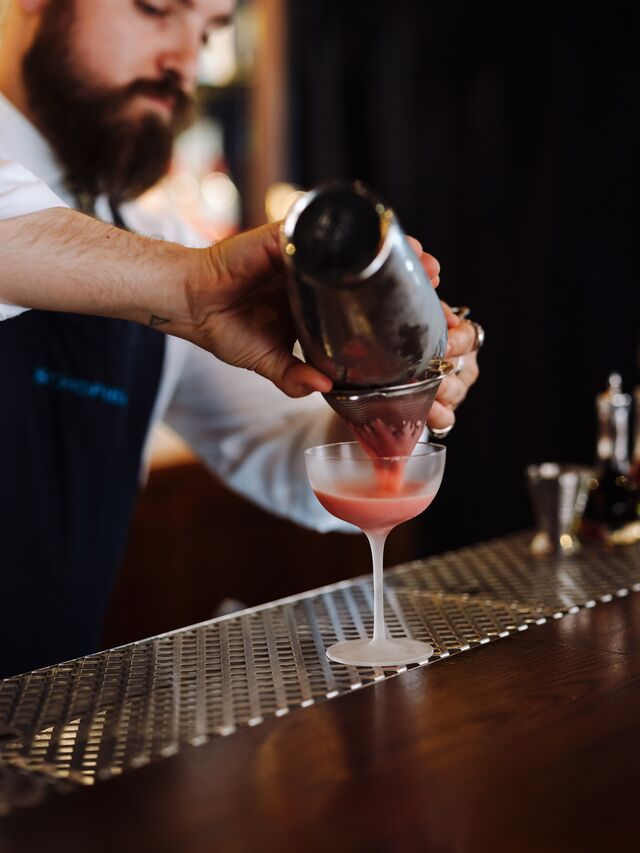
Manchester may have more drinking establishments per capita than any other city in the world, and Schofield’s Bar leads the pack, setting the local benchmark for both classic and wickedly inventive cocktails. It’s stylish, too, with a Prohibition art deco theme that forgoes the speakeasy secret-door gimmickry. Get the Kingston Trio (Dewar’s 12 Scotch, apple aperitif, citrus, soda)—it’s refreshing, not sweet.
● AD England and Stray
With so many pubs and bars to navigate, here are two stellar runners-up. At AD England—a listening room, bookstore and cocktail lounge—vinyl is spun from a priest’s pulpit, and my whisky-and-Campari cocktail came with a Communion wafer garnish. I call it “blasphemy chic.”
Low-key Stray gets an honorable mention for its chatty, talented and down-to-earth barkeeps. Add bonus points for its location in a quiet corner of the bustling Mackie Mayor food hall, a haven of international drunk eats from pizza to ramen.
On the Town
Activities to squeeze into any schedule
● Hops and Runs
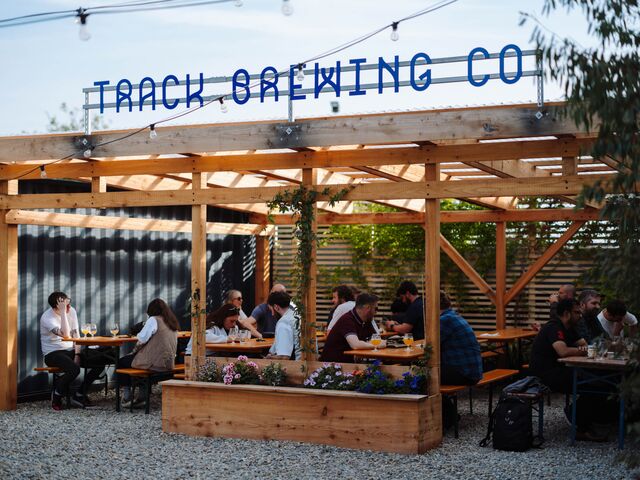
Inhabiting the scatter of warehouses along the rail lines behind Piccadilly Station is Manchester’s “Brew-muda Triangle,” so named for its preponderance of craft beer makers. (Take it from me: It’s easy to lose oneself among its froth and foam!) Try Belgian-style saisons at Balance and the full gamut of inventive sours (pineapple lime!) and stouts at Cloudwater. Then mosey on over to Track Brewing Co. for a refreshing flight of pale ales. Track also hosts a weekly run club, One Foot Forward, on Wednesday evenings that starts and finishes in the taproom—it’s free to partake and a great way to meet some friendly locals (after football and drinking, running is the next major Mancunian pastime).
● A Tailor-Made Tour
Once known as Cottonopolis, Manchester was the world’s first industrial city and the global center of mass-produced textiles, with more than 100 mills in the mid-19th century. Today only one factory remains, Private White VC, in a crumbling brick behemoth along the River Irwell. The name comes from a decorated World War I hero who, after battle, worked as a raincoat pattern cutter, eventually rising through the ranks to take over the entire operation. Now his great-grandson runs the label, known for making bombers, blazers and peacoats that befit James Bond. (The factory’s ground floor is fittingly like Q’s gizmo workshop.) Book a complimentary, 30-minute tour of the upper levels—filled with hundreds of sewing machines and swatches—and you can watch the team of artisans create a garment just for you.
● Get Your Nose Stuck in a Book
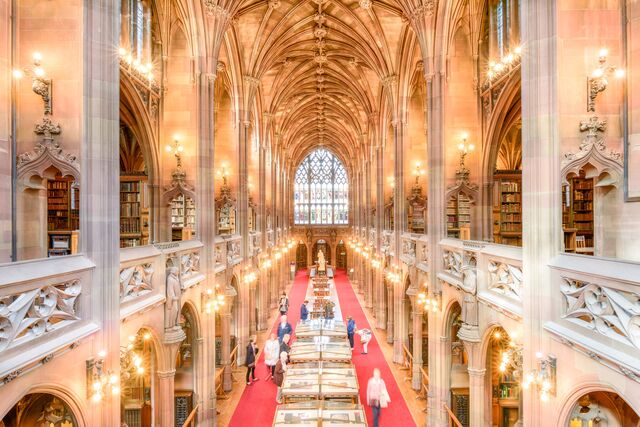
Manchester has more rainy days per year than London, and its libraries are more distinctive indoor bets than its museums. Start at the John Rylands Library; it’s like a cathedral of learning with its towering, neo-Gothic facade and vast collection of antique books. The 200-year-old Portico Library is hidden at the top of a winding, 80-plus-step staircase that starts behind a heavy door in Chinatown. It’s members-only, but the general public can enjoy its light-filled rotunda and casual cafe—a unique spot to pause for a cup of tea.
True bookworms should also check out Chetham’s Library, the oldest public library in the English-speaking world. Founded in 1653, it features a repository that remains much as it was almost 400 years ago: Tudor beams overhead and chasms of dusty shelves all around, with more than 100,000 tomes. It’s said that Karl Marx and Friedrich Engels used the collection to draft their Communist Manifesto and met here regularly in the 19th century. Access is offered through hourlong group tours, which for £13 ($16.70) wind visitors through the hallowed, Harry Potter-esque halls, taking in dozens of medieval manuscripts and ephemera.

● Walk Along the Viaduct
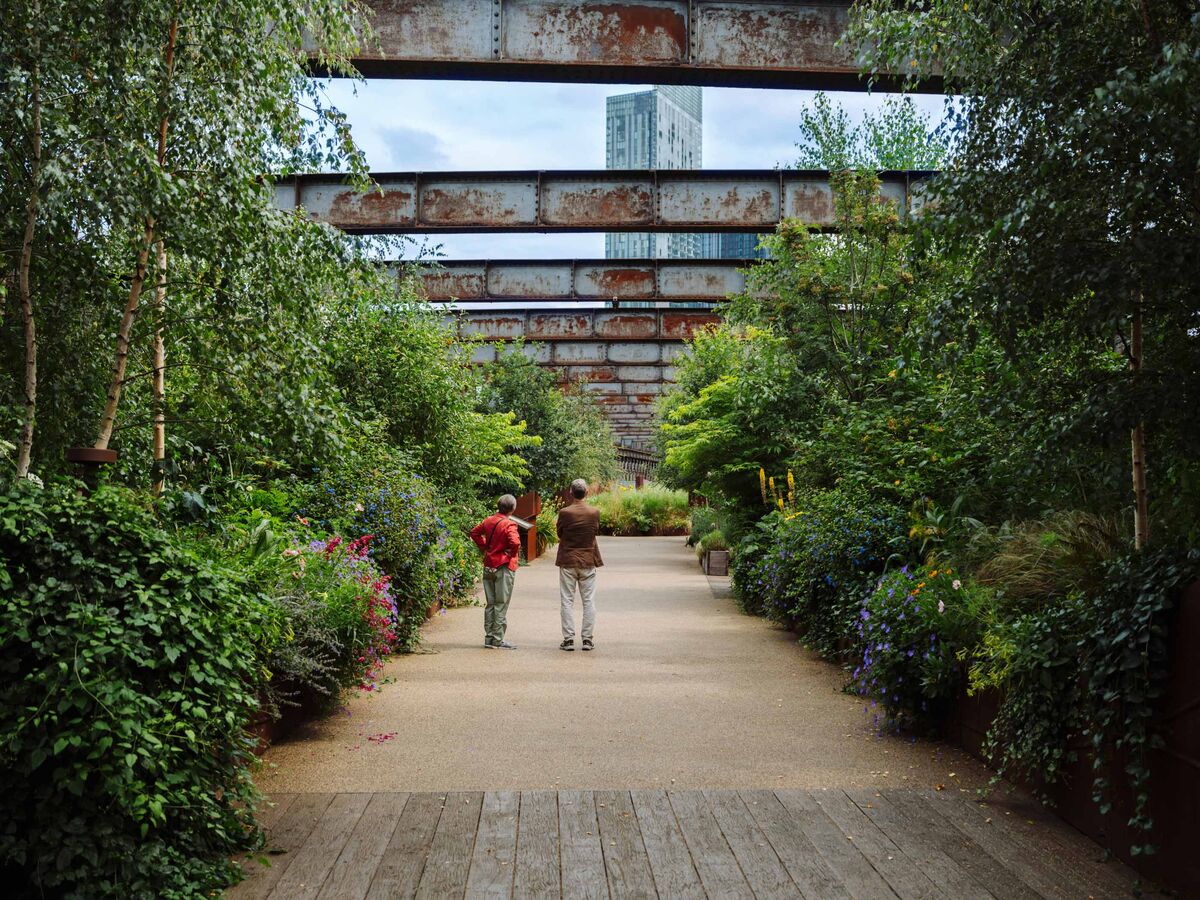
These days it seems every city has a rails-to-trails redevelopment à la New York’s High Line, and Manchester is no exception. Its Castlefield Viaduct is a 1,000-foot steel bridge converted into a sky garden flush with native flora, giving the Big Apple’s version a run for its money. It’s the city center’s most compelling green space (there are remarkably few, given Manchester’s industrial past) and an ideal place to survey its future: Dozens of cranes dangling concrete slabs over half-built glass towers are constantly visible behind the raised beds of wildflowers. Down below are the remnants of Manchester’s ancient history: the restored rampart of the Roman fortification of Mamucium, from which the modern city derives its name.
Neighborhoods to Know
Half-day guides to two areas you should hit: One central and one worth the (short) detour
● Northern Quarter & Ancoats
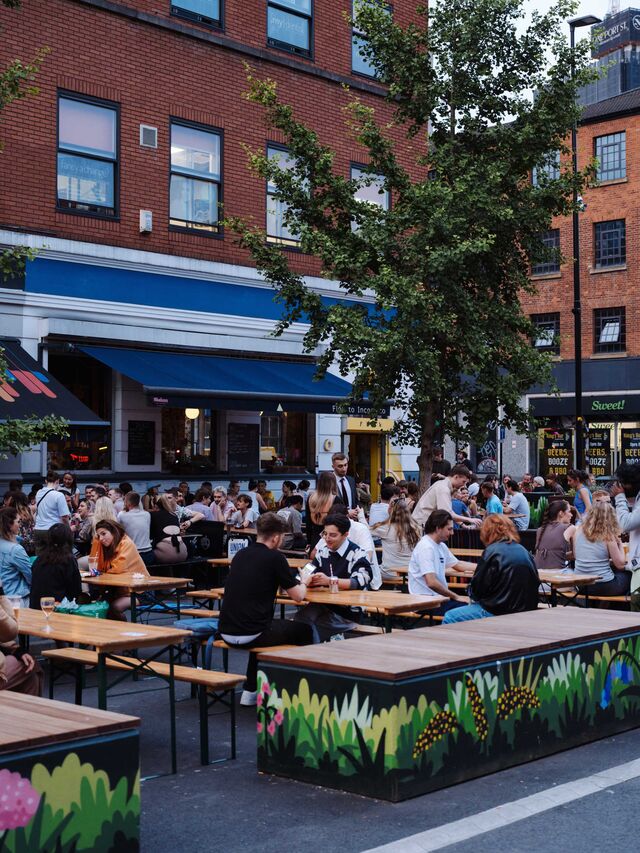
Manchester is a petite and compact city, segmented into a series of micro neighborhoods—each one consisting of a handful of blocks. The Northern Quarter is the center of counterculture, built into a hive of industrial revolution warehouses. It pairs perfectly with trendy Ancoats next door, where brick buildings that once housed factory workers have been renovated into au courant restaurants, vintage shops and loft apartments.
Start at Afflecks, a multistory indoor bazaar that doubles as a meeting place for the city’s alt-punk hipsters and Goths. (I felt totally comfortable tooling around despite my dreadfully bland normcore attire.) Grab a scoop of caramel peanut butter ice cream from Ginger’s Comfort Emporium and explore the complex’s stalls, which sell everything from Harajuku cosplay garb to healing crystals.
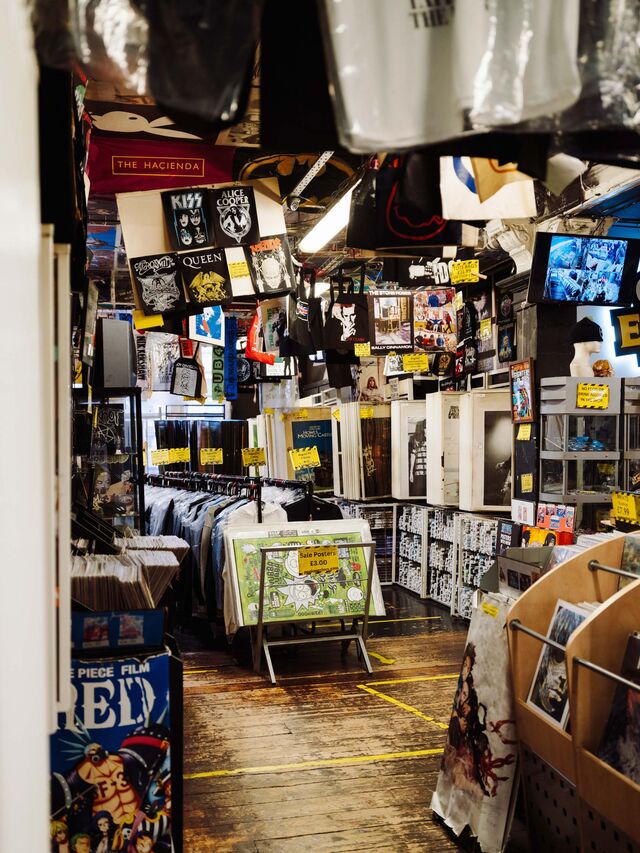
In a neighborhood downright replete with bookstores, minimalist Unitom is my favorite for its collection of art tomes and fashion magazines sourced from Italy to Japan. Thumb through your purchase over coffee at Siop Shop, a voguish cafe with amoeba-shaped benches and a scrumptious assortment of doughnuts, all lightly fried but still springy. Go for the cinnamon and the glazed—you’ll need two.
Cross into Ancoats to scout some of the city’s best eats. The Edinburgh Castle has been the area’s local pub for more than two centuries. These days it’s popular for its Sunday lunch roast, which toggles between traditional (Yorkshire pudding) and modern (crab and celeriac). Erst, nearby, is beloved for its beef fat flatbread; it’s like a fluffy pizza pillow—savory and not too rich.

Wrap up at the Iraqi-British-owned Companio, the city’s best bakery, where fresh breads and pastries are baked right behind the cashier counter. The almond coffee croissant is legendary. Or, if it’s later in the day, grab a glass of natural wine at Flawd, whose real superpower is the seasonal selection of veg-forward share plates, such as split pea dip or sungold tomato toast with parsley flowers and wild garlic capers. In good weather, grab a seat on the patio, which faces a houseboat-filled canal.
● Stockport
Locals may tell you that Stockport is at the end of the world, but it’s all relative in little Manchester: Really, it’s only a six-minute train ride from Piccadilly Station. Others may call it the “New Berlin” for its wealth of hipster haunts, but that’s also an exaggeration. The real reason to come to this area—the Mancunian version of New York’s Crown Heights or Los Angeles’ Echo Park—is a meal at Where the Light Gets In, which kicked off the city’s love affair with Scandi-British fare in 2016. Its multicourse tasting menu reflects a dedication to fermentation, an affinity for mushrooms, and playful, elevated takes on traditional and international recipes—from black pudding to chawanmushi—all served from the open kitchen.
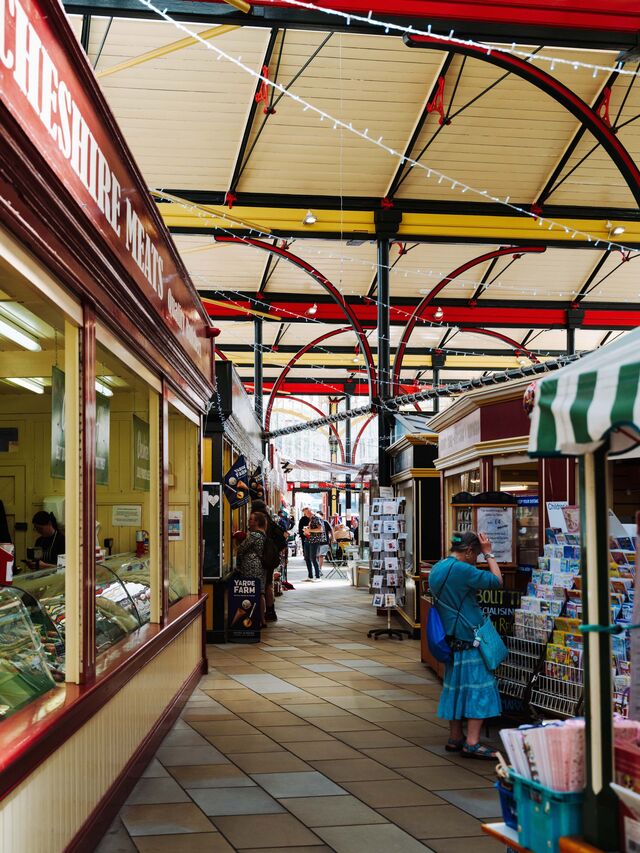
If you book an early dinner reservation, or come for weekend lunch, you can more easily pair the meal with some Stockport window shopping. Some of the best boutiques in the metropolis are a stone’s throw from the restaurant, including the 30-plus vendors at Stockport Market, housed in an imposing structure known as the “glass umbrella” (you’ll see why), built during the reign of Queen Victoria.
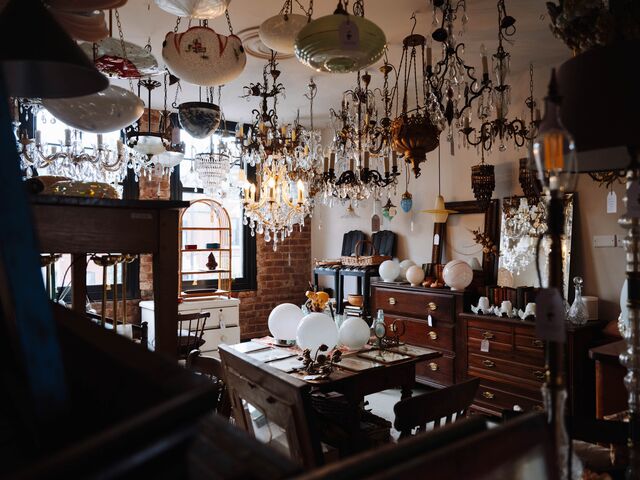
Brass-and-glass chandeliers rain down from the rafters at Agapanthus Interiors, a reliquary of antique furniture. Leap forward a century to mid-mod Squound, where Jetsons-era wares are for sale in a sea of plush orange shag. The shelves are so artfully assembled at both Rare Mags and Still Life Story that it’s practically impossible not to take home a souvenir. Angle for coffee-table books at the former and chic glassware, kids’ clothes and soaps at the latter.
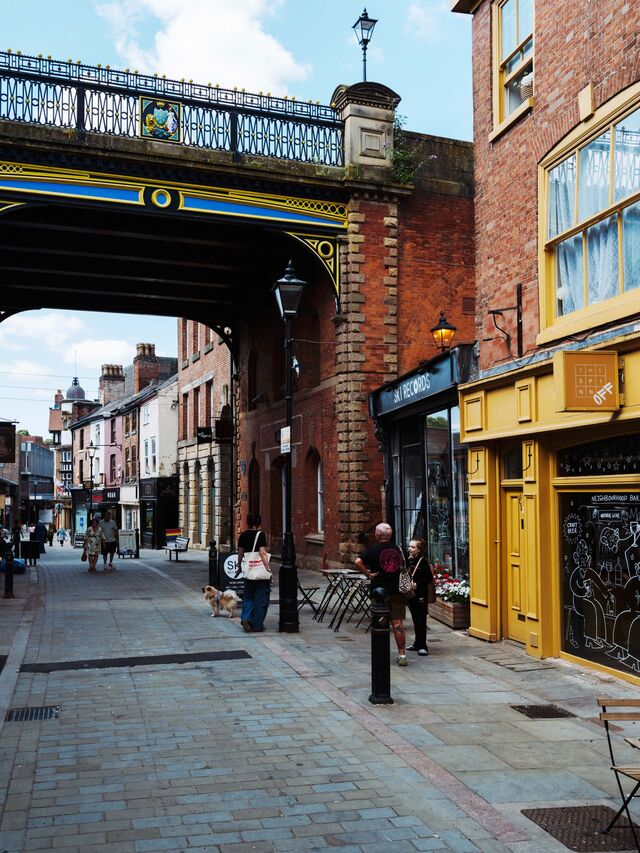
Care to ruin your dinner? Get a decadent brioche bun from Yellowhammer, a bakery with a pottery studio in the back that makes and sells most of its dishes. Then grab a drink at the vinyl-shop-slash-bar MØ6B, or an inventive cocktail at Bohemian Arts Club, with its heart-shaped chairs and mirrored ceilings.
Extend Your Trip
Adventures beyond the city limits
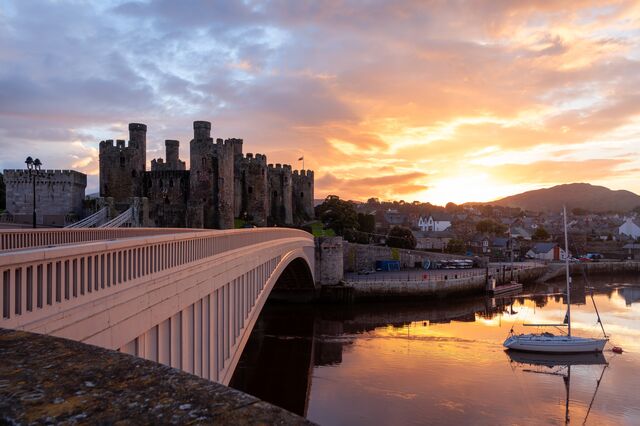
In two days you’ll have most of central Manchester covered. If you can tack on at least two more, rent a car and cross the border into Wales to explore the jagged coastline and craggy peaks of Eryri National Park (aka Snowdonia National Park). Stop in the village of Conwy along the way to check out its imposing, 700-year-old stone castle set along tranquil turquoise tidewater.
Farther south are the country’s highest mountains, with almost 1,500 miles of well-marked paths that wend among misty ridges, hidden waterfalls and endless leas. At the foothills in the village of Corris, grab a bottle of craft gin from Dyfi Distillery, which has amassed dozens of awards for its botanical brews.
Stay at the Harbourmaster, another hour’s drive south. It’s set among a long line of brightly painted row houses with boat slips in the village of Aberaeron. The inn’s laid-back brasserie showcases delicious catches of the day caught mere miles away, plus perfectly cooked flanks of Welsh lamb.
For additional Welsh inspo, including lots of notable eats, check out our Wales guide here.
One More Thing
A final tip before you’re on your way
Oasis is hardly Manchester’s only legendary hometown band; there are also the Smiths, the Bee Gees, the 1975 and Joy Division, to name a few. This is, after all, the UK’s Nashville, only with indie punk and pop rock instead of country hits.
Beyond the superlatively massive Co-op Live, which cost well over £400 million to build, the city has dozens of noteworthy music venues. Refurbished and reopened in 2022 is Band on the Wall, a famed haven for jazz and punk acts in the 1970s and ’80s. And New Century, an essential haunt for touring acts such as the Rolling Stones and Tina Turner in the 1960s and ’70s, came roaring back to life, also in 2022, after years of disrepair. Now it has a food hall and recording studio in addition to its 1,000-seat main stage. Consider a visit to any of these spots—or live music, in general—an essential part of the “Madchester” experience.
Read next: Two-Night Minimum: Copenhagen