Two-Night Minimum Copenhagen
In this global capital of dining and design, there are so many legendary spots it’s hard to know where to begin. We’ve parsed the best options in town—no easy feat!—and uncovered dozens more reasons to fall in love with the Danish capital.
Welcome back to Two-Night Minimum, a series of city guides for those who want to get to the heart of a place in a short time—be it on a business trip or a weekend vacation. For this Copenhagen edition, we independently scoped out a record-high 200 venues and distilled the list down to the very best of the best: Every recommendation below has earned our most discerning stamp of approval.
The first rule of Sauna Club is you must say hello—hej—to everyone at Sauna Club. The custom is called hilsepligt: effectively, “the obligation to greet.”
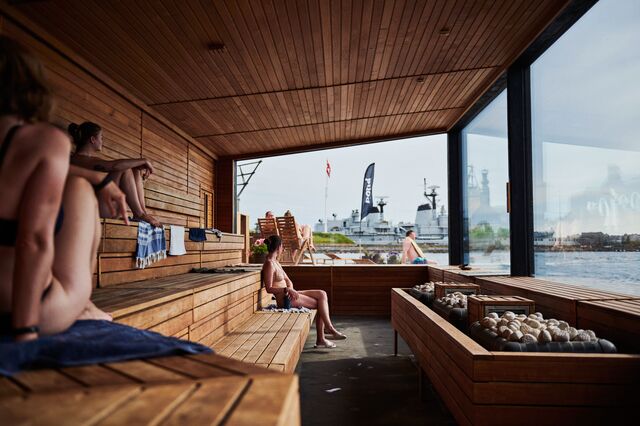
The hilsepligt ice-breaker applies not only in Copenhagen’s sweatiest spots but in many public settings. “We really are a caring and helpful people, but also somewhat introverted,” says Eskild Hansen, who schools me on the city’s social mores while we slow-broil on cedar planks at Glaecier, the steam-and-swim spa he co-founded in 2023.
Your Next Destination
Glaecier is built into a tugboat that’s dramatically moored on the interior side of the Øresund Sound. From its floor-to-ceiling windows, I spot a heady mix of baroque church spires, swirling glass towers and factory smokestacks. It’s the Copenhagen hodgepodge: far more aesthetically diverse than you’d expect if all you knew about the city was the widely exported midcentury modern minimalism that’s made it so famous.
Floating between Sweden and Germany, Denmark and its capital borrow cultural stereotypes from both neighbors. Denmark pairs Scandinavia’s trademark socialism and community mindsets with a love for rigid rule-following and capitalism that feels distinctly Germanic.
But what makes Copenhagen Copenhagen is its unique college town energy, in which the city’s Harvards and Yales are the kitchens of Noma and Geranium, attracting talent from all over the world and then spawning all sorts of alumni outposts. That innovation has spilled over into the tech and pharmaceutical industries, too, cementing the city’s importance for a global crowd.
That’s all to say that there’s far more to Copenhagen than pilgrimage-worthy dining and design—no matter how great those things may be. And the key to unlocking it all may just be you offering that heartfelt “hej.”
Here’s a cheat sheet to help make the most of your visit, whether you have two nights or two weeks.
Top Rooms in Town
The details you really need to know to stay in comfort
All-Day Dining
Our favorite restaurants for every meal
The Danish breakfast usually consists of one of two things: a BMO (bolle med ost—“bun with cheese”—a roll, halved, slathered with butter and filled with slices of hard cheese) or a spandauer—that’s a ... well ... Danish. Locals don’t often go out for lunch, preferring to eat at home or in office canteens. If you do, expect to find lots of open-faced smørrebrød sandwiches on rye bread, topped with things such as pickled herring, potatoes or fried fish. Dinner tends to be on the early side, around 6 p.m., though international influence has begun pushing people out on the town a bit later. Reservations are essential almost everywhere, as few restaurants hold tables for walk-ins: The Danes love their order and rules!

● Juno the Bakery
We taste-tested every flaky, buttery, cream-filled pinwheel in town (poor us!), and Juno the Bakery came out on top. Besides its perfectly executed pastry swirls with vanilla crème, it also nails its fresh BMOs and almond croissants. If you don’t want to hoof it to Østerbro or brave the line that invariably spills out the door (we waited just under 20 minutes), a more convenient runner-up is Hart Bageri. You can get its criss-crossed cardamom buns at any of nine branches, though the Frederiksberg outpost is our favorite, with the brand’s commissary in the back.
● Levi
This Italian-Japanese fusion spot, which is open for lunch and dinner, offers swift, varsity-level service and audacious gold-and-leather décor—you’d half-expect the cast of The Wolf of Wall Street to be dining here. Whether or not that’s your thing, you’ll be instantly won over in one bite: The “wagyu filet + arancino + wasabi” drapes a sheath of paper-thin steak over a fried risotto pearl with a dot of Japanese horseradish. The rest of the menu is equally impressive, with dishes that are consistently inventive and flavorful, from the shiso leaf and salsa emulsion amuse bouche to a salted pistachio gelato with olive oil dessert.
● Wine Bars
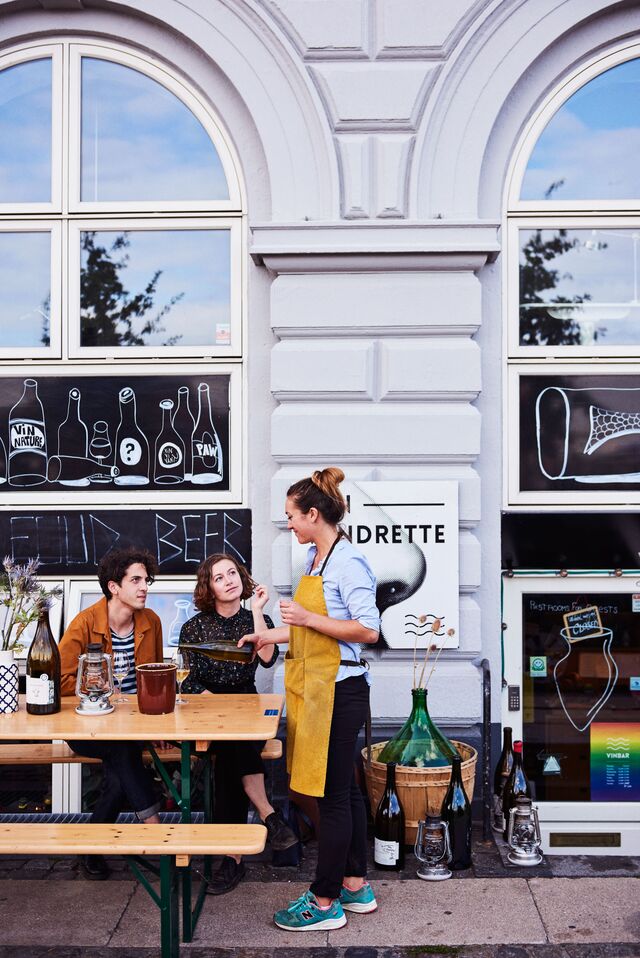
Wine bars are Copenhagen’s version of the British pub, serving as nodes of neighborhood connectivity. Ancestrale, a Vesterbro fixture, was our favorite, with its rustic Scandinavian cabin charm and its eclectic by-the-glass offerings (try the Slovenian zelen if you see it on the rotating menu). It also has a large enough assortment of light dishes such as crab toast to comprise a proper meal. Closer to the city center, Bar’Vin offers French bistro pomp with Burgundian vintages to match, and the basement-level Den Vandrette skews young and sociable with its smattering of communal tables. Head to the back cellar festooned in dried flowers to handpick your bottle, then enjoy it with an order of khachapuri, Georgian cheese bread.
● Bæst
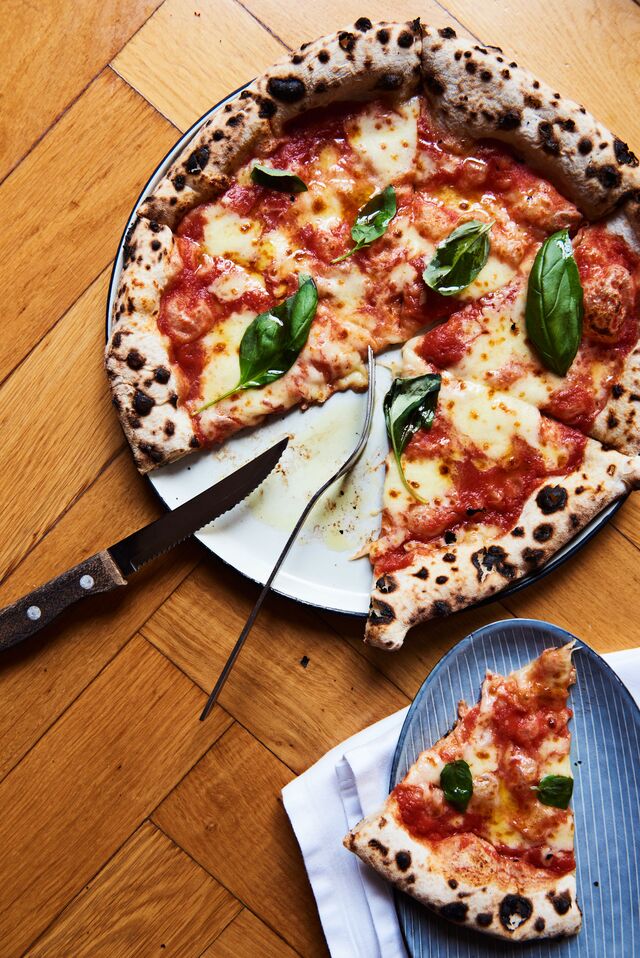
We tried countless meals by Noma alumni, a pedigree that adds luster to burger spots, sushi joints, taco shacks and more. The worthiest was Bæst, where stracciatella-topped sourdough pizzas are laden with an extra-bright tomato sauce, homemade cheese, oregano confetti and just the right amount of char. The pizza’s so good, even Italians have candidly admitted to us that they prefer it to pies from their homeland.
● Kanalhuset
At Kanalhuset’s second-story spisetuen (“dining hall”), guests are seated with strangers (read: soon-to-be new Danish friends) and served a set menu of heaping, family-style portions. Daily dishes are posted online a week ahead and range from local classics such as frikadeller (meatballs) to vegetarian dishes with international inspirations (rice pilaf with tahini). Plan on arriving around 6:30 p.m. for a glass of wine; dinner comes out promptly at 7 p.m. At 150 krone ($22) per person, it’s one of the city’s best values, but that’s besides the point—we closed the place down chatting with our table mates; locals can often be shy, but the vino helps.
● Nr.30
Housed in a small tile-clad storefront that was once a butchery, Nr.30 is a compelling reprieve from the city’s flashy culinary theater: We were the only non-Danes eating when we visited. The trim, fish-focused list of à la carte dishes—or the approachable five-course prix menu (395 krone)—spotlights seasonal Nordic favorites prepared with classical French techniques, such as cured cod with citrus and kohlrabi, or warm halibut with beans and greens in a light cream emulsion.
● Kadeau
In a city where visitors often book dinner reservations before plane tickets, it can feel especially difficult to choose from such a wide pantheon of multistarred Michelin meals. Pick Kadeau for the pinnacle of New Nordic eating. Chef Nicolai Nørregaard honors produce—foraged and grown—from his native Danish island of Bornholm, which he pairs with the finest local meat and seafood. Take the smoked salmon, served whole and delicately slivered tableside as part of a fermentation-focused menu—a better version you will never find. But here, it’s all exquisitely plated on custom ceramics without a hint of gimmickry or snootiness found at the comp set. Sparse blond-wood tablescapes, dried branches and suspended black metal accents above, and fur pelts slung on the chairs give the space—with its dimly lit open kitchen—a Viking-chic vibe. This is why you came to Copenhagen.
● Alchemist
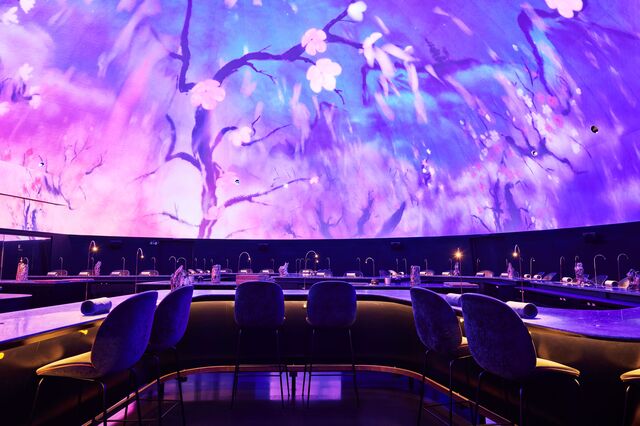
The less you know going into Alchemist’s $700-plus experience, the better—and yes, I know that sounds ridiculous. But the joy of surprise is chef Rasmus Munk’s secret recipe as diners move through interactive spaces where they’re served some 50 courses, or “impressions,” as they’re called. I will, however, say this: While Alchemist’s food-lab ethos pushes beyond boundaries of taste and texture in the kitchen, the art component—though purposefully didactic at times—can feel simplistic and oftentimes unnecessary when compared to its megawatt culinary output. Still, the journey, which begins in an unassuming warehouse among the Refshaleøen shipyard marked by a grand, Rodin-like, Gates-of-Hell doorway, lasts for a solid six hours, and I was never once bored.
On the Town
Activities to squeeze into any schedule
● Saunas and Swimming
The hardest members clubs to join in Copenhagen aren’t the ones with cocktail lounges and humidors—it’s seaside saunas, where waitlists can last for years. Luckily, in the national spirit of inclusivity, these organizations all have weekly hours earmarked for the general public to come get sweaty and then cold-plunge into the chilly ocean water. Glaecier, moored at the former industrial shipyard of Refshaleøen, opens to visitors for two one-hour slots on Tuesday evenings (399 krone). Closer to the city center, Bølgebaderne has a small glass-encased sauna moored to the shore at Kalvebod Bølge. Hourlong slots for public access (100 krone per person) are available on Wednesdays and weekends. Prebooking online is essential, but there’s often same-day availability.
It’s worth noting that sauna season runs from September to May. Once summertime arrives, the essential pastime becomes sea swimming (even if the water never gets that warm!). Join the locals at Strandpark beach in Amager, which comes alive with thousands of bathers on sunny days. Follow them down the wooden boardwalk out to Kastrup Søbad, a modernist saltwater swimming pool that’s built right into the sea.
● Do the Danish Riviera
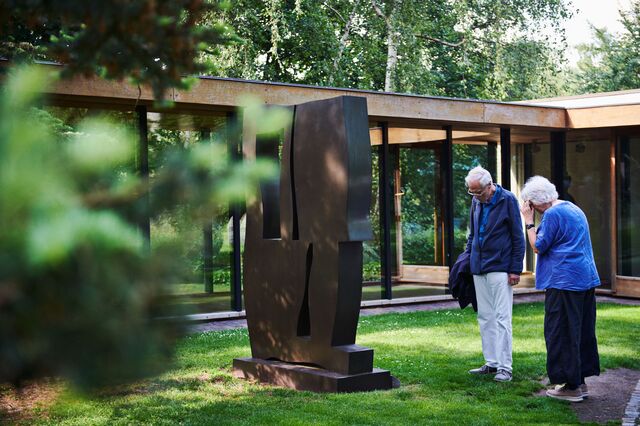
To see the city’s finest art institutions, you’ll have to head to the posh northern suburbs known as the Danish Riviera. The main destination is the Louisiana Museum of Modern Art. (It’s name derives from the original owner’s three wives: They were all named Louise.) Its glass corridors and vaulted galleries, filled with Giacomettis and Lichtensteins, are a work of art unto themselves. The museum maintains long hours, partially because the evening light shows it off most beautifully.
Take the train and see it all in a few hours, or better yet, turn it into a full day trip. Rent a car near the central train station—it’s cheaper than round-trip Ubers—and break up the 40-minute drive with two oft-overlooked stops. The Ordrupgaard Art Museum is like a temple to the patron saint of West Elm: It includes the impeccably preserved former home of Finn Juhl, a prolific furniture designer and forefather of midcentury modernism. And the Karen Blixen Museum Rungstedlund, tucked among the seaside mansions of some of Denmark’s wealthiest citizens, faithfully maintains the Out of Africa author’s home, filled with fascinating mementos from the titular continent.
● The World’s Best Design Shops
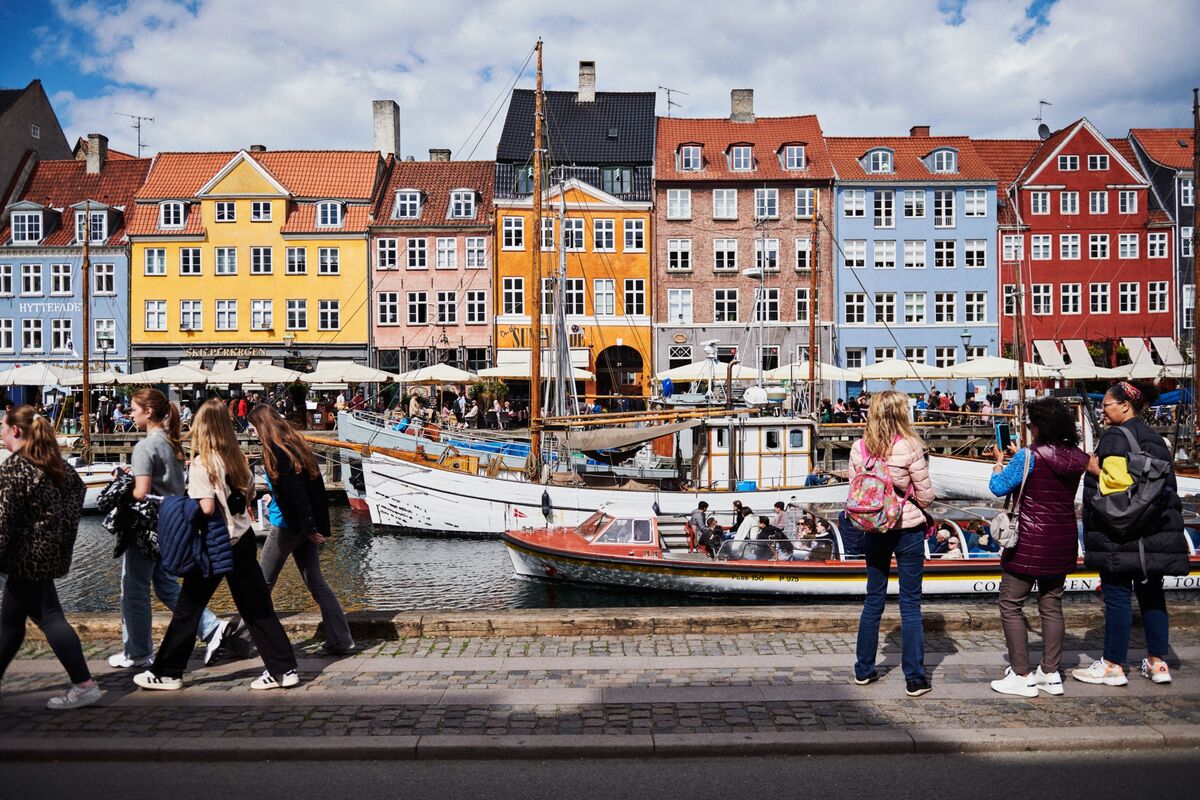
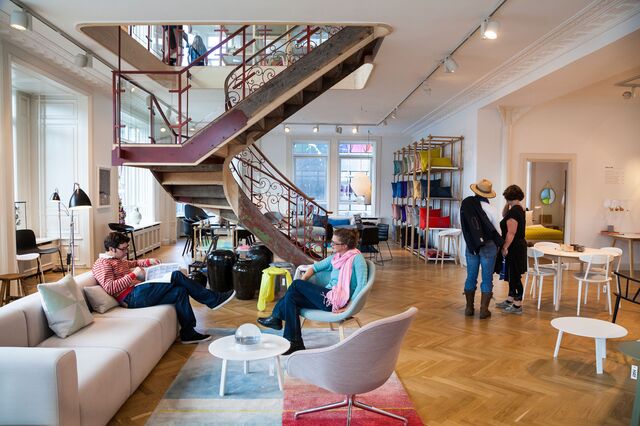
Even if you came to eat, you can’t leave without exploring this second pillar of Copenhagen’s global fame. Start by window-shopping dozens of the city’s best møbler (“furniture”) showrooms on Bredgade, a street which runs perpendicular to Nyhavn’s colorful row homes. The main names to look out for are Carl Hansen & Søn and Klassik; two blocks over, Frida Nash is a kaleidoscope of bold, multicolored upholstering.
If you’re here for the hunt—and willing to deal with steep shipping fees—head just beyond central Copenhagen to either of two Antik Pjot locations, each stuffed to the gills with estate sale clearances. (Scrolling the shops’ Instagram is this author’s current antiquing obsession.)
For something easier to take home, skim assorted coffee table books at Cinnober Bookshop, vases and stemware at Hay House and everything from stylish menswear to frame-worthy prints at Illums Bolighus. Word to the wise: No one does a gift shop better than Copenhagen’s museums—the one at Designmuseum Denmark was our favorite.
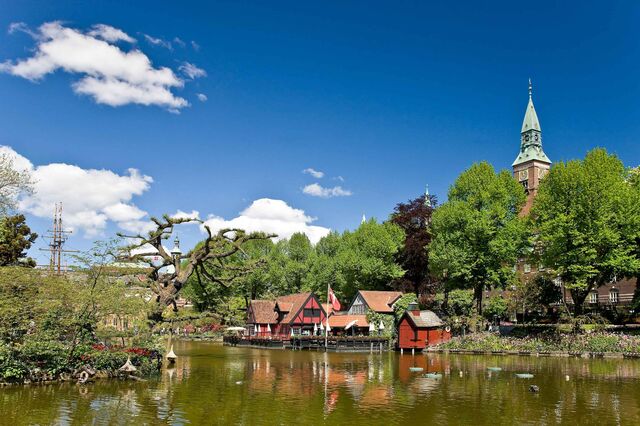
● Disney for Grown-Ups
Hans Christian Andersen, the father of the modern-day fairy tale, drew much of his inspiration from the Tivoli Gardens. So did Walt Disney, whose theme parks bear clear resemblance to this more-elegant forebear, where the grounds are beautifully manicured and rides are delightfully retro. Each year the park rolls out a continuous stream of pop-ups from a constellation of global Michelin superstars like Ana Roš of Slovenia’s Hiša Franko or Manuel Ulrich of Germany’s Ösch Noir. (This is still Copenhagen, after all.)
Unlike Disney, entry to the world’s second-oldest amusement is a very reasonable 140 krone (comparably priced to the city’s museums) to explore the beautifully manicured grounds and themed pavilions. The rides—from lagoon Dragon Boats to the Demon roller coaster—cost extra.
Neighborhoods to Know
Half-day guides to two areas you should hit: One central and one worth the (short) detour. Both, in this case, are optimized for cycling (and leverage some of the city’s least intimidating bike lanes)—true to the local spirit.
● Nørrebro (from Nørreport to Nordvest)
There are few places more delicious to start an afternoon of exploring than TorvehallerneKBH, the blueprint for so many of the food halls across the US. Vie for a barstool at Omegn og Venner and make a mini New Nordic meal of market-fresh proteins, veg and pasta—this is where the city’s elite chefs fuel up before heading to their respective kitchens for evening service. If the line is too long, Ma Poule offers its famous canard (duck confit) sandwich to stay or to go.
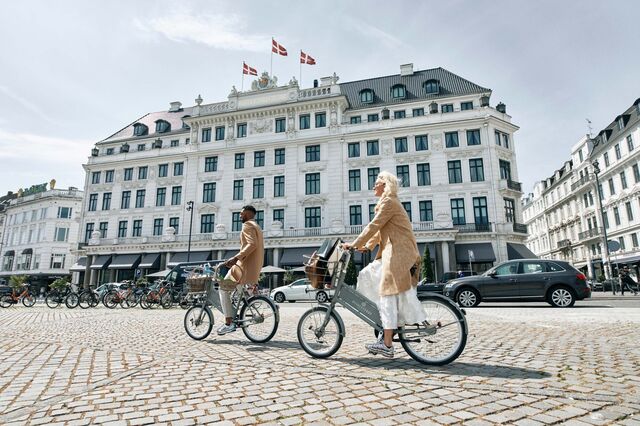
Rent a bike from one of the pay stations near bustling Nørreport station and head for a scenic loop around the Lakes on the western edge of the city center. That’ll angle you toward a refreshment—be it a coffee-quince soda or sweet lemon tonic—at the loftlike cafe Villette, where in warm weather the crowd overflows from its brick warehouse into a hidden courtyard. Then cycle between the tall trees and granite tombstones at the stunning Assistens Cemetery, the final resting place of Søren Kierkegaard and Hans Christian Andersen.
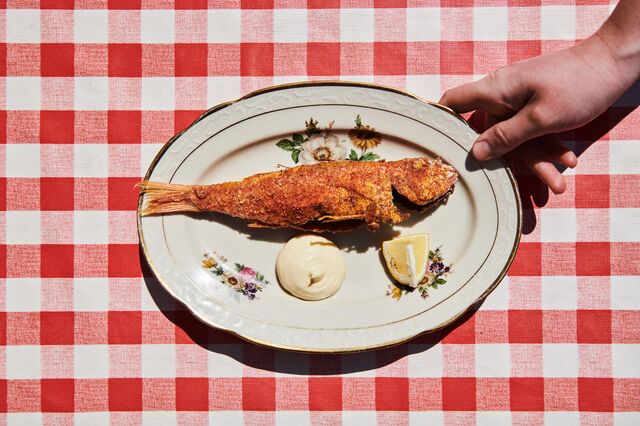
Perfect croissants and focaccia sandwiches await nearby at Rondo Bakery, where sacks of flour clutter the counter. Jaegersborggade, arguably Copenhagen’s most adorable avenue, lies just beyond, brimming with boutiques and restaurants. Try Silberbauers for its French-inspired seasonal fare, where offerings are scrawled on a chalkboard and served on checkered tablecloths.
Glide on toward Flere Fugle in the Nordvest neighborhood, and you’ll pass through the skateboarding circuits of Nørrebro Park and mural-clad social housing. There, the reward for your efforts is yet another pastry, preferably a cardamom bun. (I warned you about the importance of danishes!) There’s also a worthy natural wine bar—Fire Tyve—if you’ve already hit your sugar quota.
● Østerbro (from Rosenborg Slot to Nordhavn)
Often overlooked for the trendier hangouts in Vesterbro (“Western Bridge”) across town, Østerbro (“Eastern Bridge”) is residential Copenhagen at its finest. The city’s most compelling home, Rosenborg Slot, is a good place to begin. Built as a summer palace in the early 17th century by King Christian IV, it’s now a museum that houses the Danish crown jewels. Grab a chicken salad smørrebrød at elegant Orangeriet and enjoy views of the castle across the King’s Garden through the oversize windows.
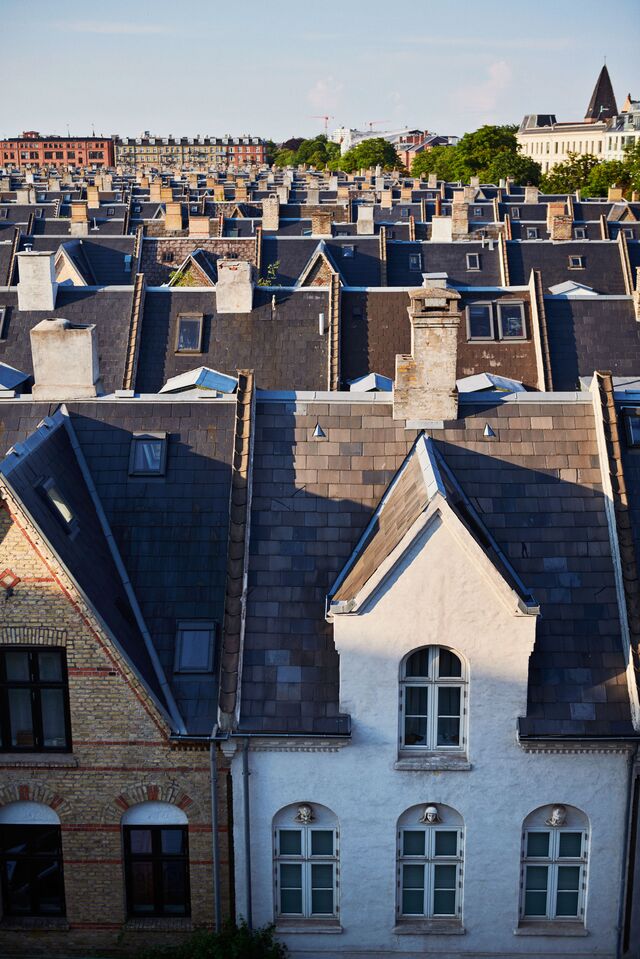
Then, head to the second floor of the Statens Museum for Kunst to brush up on the neoclassical works of 19th century Danish painters such as Nicolai Abildgaard and C.W. Eckersberg. They’re the namesakes of two of the streets in the surrounding brownstone-filled Kartoffelrækarne neighborhood, where you can spend hours drooling over ritzy real estate.
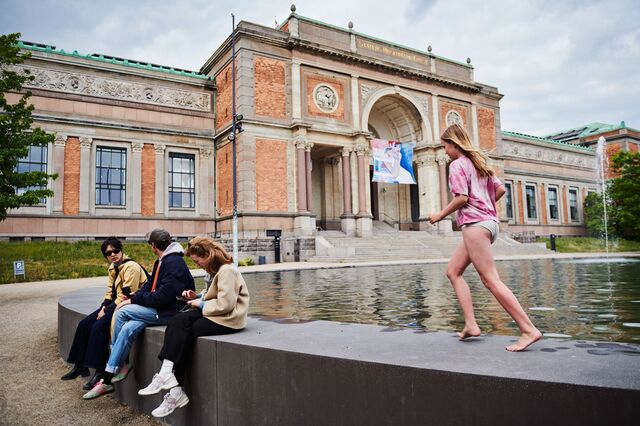
Even the area’s ice cream is sophisticated: The recipes at Østerberg were developed as part of the owner’s science Ph.D., using international flavors from elderflower to durian, while the gelato popsicles at Olufs Is have distinctly Danish flavors like licorice or black currant. (The latter sits at the top of Olufsvej, a long row of cheerfully colored town homes that look like Nyhavn but without the crowds.)
Continue through Fælledparken, just behind, and you’ll find some truly delightful windows into Danish life such as the miniature Trafiklegepladsen—a traffic-themed playground—where children are taught how to bicycle and the rules of road safety. Rest your legs with some people-watching there, or head for a beer at one of the restaurant patios fronting Bopa Square.
Your last stop is across the train tracks, where the hyper-modern apartments of Nordhavn constitute a newly constructed district on reclaimed land. It’s a template for the future of Copenhagen’s urban development, with echoes across the entire city. On sunny days, hundreds of locals lie out like lizards on slatted decks that extend along the entire harborside.
Extend Your Trip
Adventures beyond the city limits

Denmark’s capital is an ideal jumping-off point for the dozens of lost-in-time fishing villages and shipbuilding harbors that have turned into charming weekend getaways.
If you have a little more time, though, consider the Faroe Islands, a sovereign territory that’s hard to reach from almost anywhere else. Even with Copenhagen’s optimal flight connectivity, access isn’t guaranteed: Northerly winds and fog can often waylay planes, so leaving a small buffer is recommended.
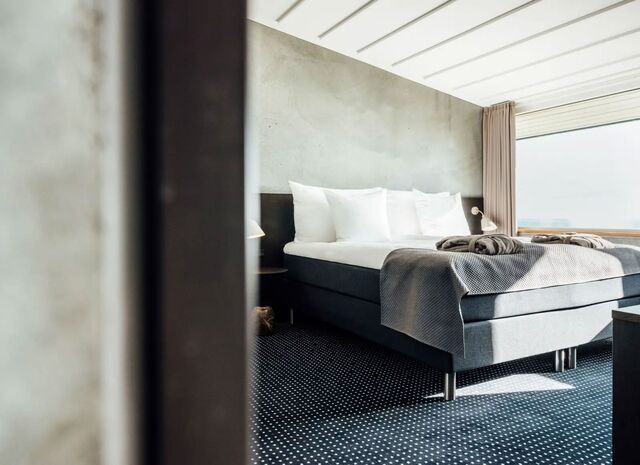
Base yourself in the capital, Tórshavn (Hotel Føroyar is the town’s hospitality stalwart), and use the archipelago’s elaborate system of underwater tunnels, mountain passes and ferries to reach the scrappy villages of Saksun, Gjógv and Tjørnuvík. All of them cling to life on the edges of conical mountains or along misty cliffs. At mealtime, give heimablídni a whirl. These home-cooked meals (figure around $50 to $200) organized through participating locals, sometimes involve invitations into family kitchens or fishing trips to catch your supper.
One More Thing
A final tip before you’re on your way
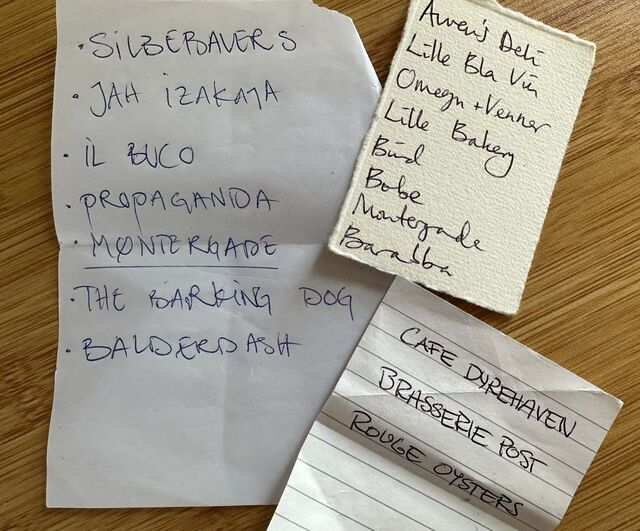
Every time I research one of our Two-Night Minimum guides, I poll servers, sommeliers and chefs on their favorite haunts. Game recognizes game, and passionate industry folk are always keen to dish on the local scene.
But something unique happened in Copenhagen: Each time I posed the question, I got a detailed, handwritten shortlist of faves. People take their reccos seriously here, and by the end of our visit we had dozens of little papers with the neatly jotted-down names of 50-some establishments.
Although it may seem like every table in Copenhagen will be booked out before you arrive, it’s simply not true. Try leaving a couple of bar and restaurant blank spots toward the end of your visit and fill them in with the names you score on your very own custom-made cheat sheets when you’re out on the town.
Read next: Two-Night Minimum: Bogota