Where Gummi Bears Come From
Inside Haribo’s first US production facility, where making the chewy, rainbow-colored confections is the opposite of child’s play.
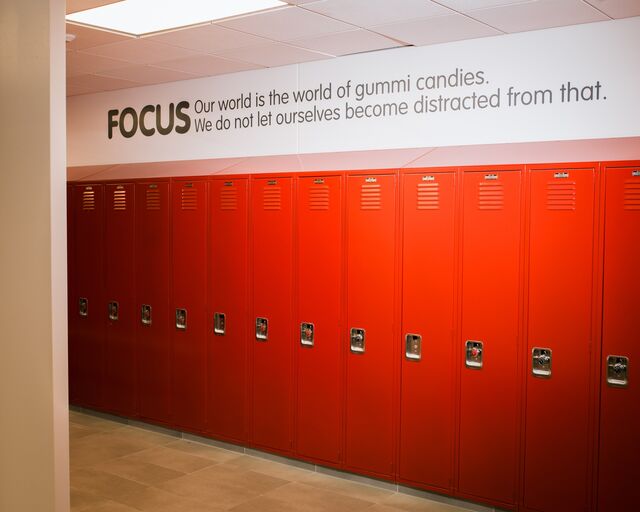
If you’re looking to tour a wild, wacky, dreamer-of-dreams kind of candy factory, the new Haribo plant in Pleasant Prairie, Wisconsin, is not for you. The cavernous facility is mostly colorless and meticulously clean, and it’s staffed largely by robots. Reminders of industrial values such as “FOCUS” and “PRAGMATISM” plaster the walls. “Our world is the world of gummi candies,” one sign reads, using the company’s customary spelling. “We do not let ourselves become distracted from that.” For Haribo Group, which has been owned by the same German family for three generations, making gummies is serious business.
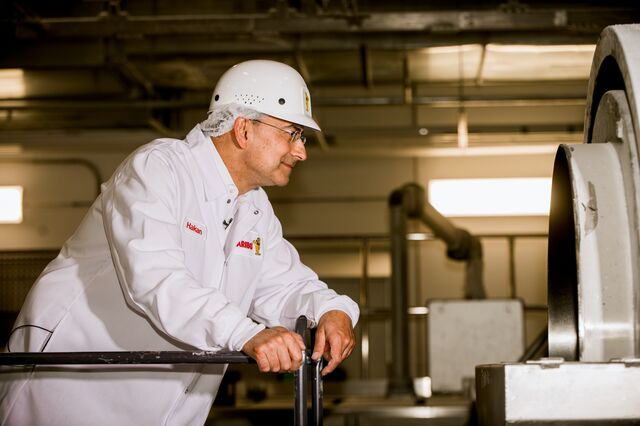
Hakan Zor, chief operations officer at Haribo of America, describes the company’s philosophy as embodying a “German approach.” Stick with what works; don’t fix what isn’t broken. “We don’t like to change,” says Zor, who’s been with Haribo for more than two decades.
The unremitting formula has proved successful: Haribo is now the world’s largest brand in the nearly $70 billion sugar confectionery category, according to preliminary data from Euromonitor International. Haribo (a portmanteau derived from the first two letters of the first and last name of the founder, Hans Riegel, and the first two letters of his hometown, Bonn) launched its first ursine-shaped gummi, known as Dancing Bear, in 1922. Today it sells more than 1,000 products in at least 120 countries, though its native Germany remains its top consumer. The iconic Goldbear—squatter and fatter than its predecessor and first sold in 1960—is Haribo’s most popular product in major markets across the world. There are also regional favorites: Americans crave the sweet-and-sour pairing of Twin Snakes gummies, while people in Nordic countries love the subtle spice of black licorice.
The Pleasant Prairie plant opened in early 2023 and now pumps out 60 million Goldbears every day; the company plans to eventually launch Twin Snakes manufacturing lines as well. The facility—which is Haribo’s first in North America—is based on its 15 other global factories, from layout to equipment, Zor says. A series of machines assisted by humans make tray after tray of perfectly shaped gummi bears in the flavored colors of raspberry red, lemon yellow, orange orange, pineapple white and strawberry green. (Yes, you read that last one right.) Nearly everything else in sight is gray, except for the starchy white powder—gummi mold residue—that dusts the floor, the blue and red brooms hanging on the walls and the many placards hung from the ceiling that feature a yellow cartoon Goldbear wearing a bright red bow and bearing the all-important reminder: “Vor allem QUALITÄT. QUALITY first.” A sweet aroma fills pockets of the space. (“It’s beautiful,” Zor says of the smell.)
Making the Goldbears starts with Haribo’s blend of sugars, gelatin and other ingredients, a slurry recipe that hasn’t changed in more than 25 years. Nozzles deposit just the right amount into bear-shaped molds made of edible starch, creating sheets of hundreds of “hot liquid gummies,” as John Veidt, the US factory director, describes them. Even the starch molds don’t change; they get recycled, improving with age “like a wine,” according to Veidt. Self-driving vehicles move towering stacks of gummi bear trays off to one side of the floor to allow them to “cure” for just the right number of days—another proprietary secret—to achieve their perfect chewy texture. (Technical advancements that assist its human workforce are one of the few things that have evolved in Haribo’s operations; the company replaced its manual forklifts with automatically guided versions in September 2023.)
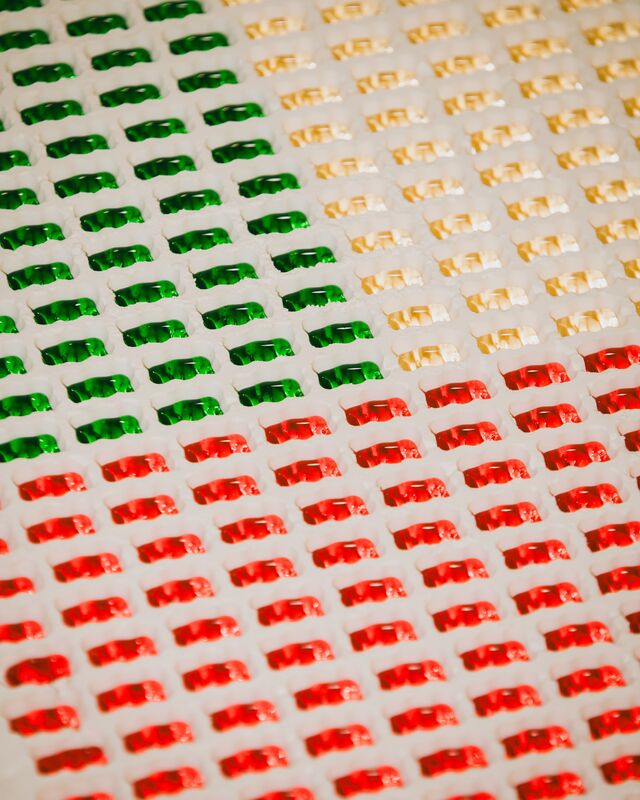
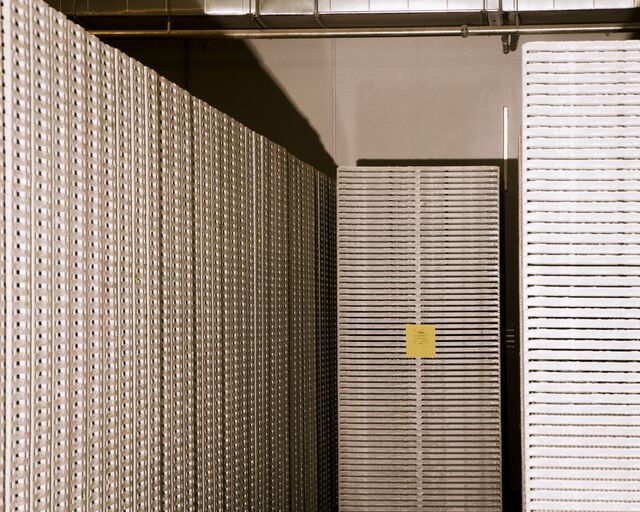
Once cured, the fresh gummies cascade from their trays onto a large conveyor belt. First, they will undergo a thorough de-starching to remove any last remnants of material from the molds. Finally, they enter a rotating drum, where hundreds of kilograms of bears are sprayed with waxes and oils to keep them from sticking together. The gummies head next for mechanical sorting, where disfigured or otherwise irregular bears—less than 1% of production—get tossed aside.
Together, the different parts of the gummi-making system are known as an “operational mogul”; currently, several moguls run simultaneously at the plant. The company plans to double annual production of Goldbears at Pleasant Prairie by 2025. That should help Haribo capture more market share—while it’s the top sugar confectionery brand in the world, Mars Inc.’s Skittles and Hershey Co.’s Twizzlers outperformed it in 2023 sales in the US, where Haribo products ranked third, according to the preliminary Euromonitor data. (And no, the company will not be entering the cannabis gummy market, which Haribo says would narrow its consumer base.)
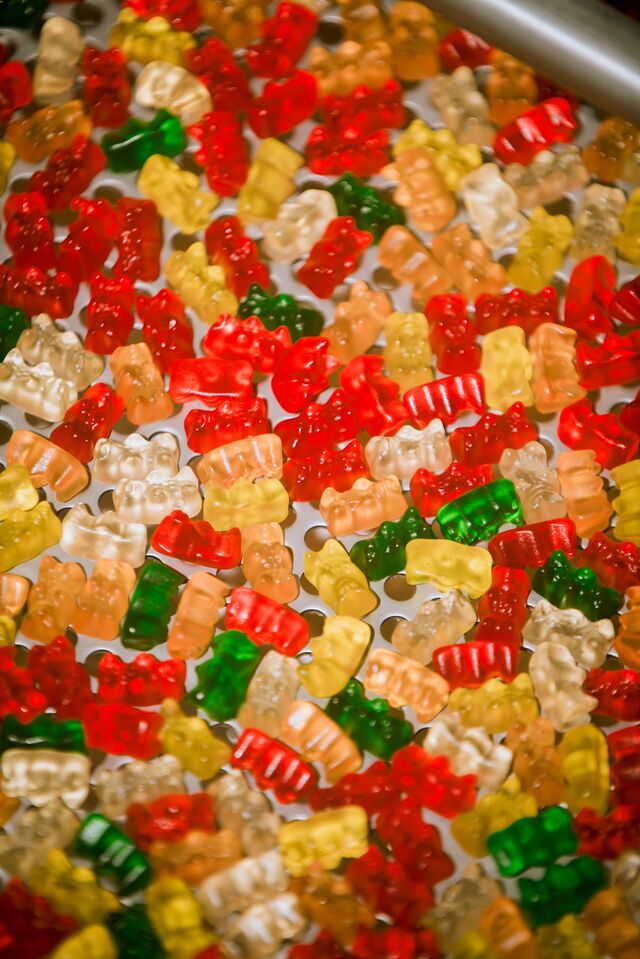
Downstairs, on the louder packaging floor, the robots really get going. The bears get weighed and wrapped in various sizes, ranging from 0.4-ounce mini bags to the 28-ounce standing packages preferred by larger retailers, all the way to 5-pound sacks, which the company says are “meant to be shared and enjoyed among loved ones.” Bags later go through a quality check, passing through metal detectors and getting reweighed so that anything irregular can be yanked off the line to be emptied and re-sorted. “Pick-and-place” arms set packages into shipping cartons, which are then stacked and moved by yet larger robotic arms, preparing them for final shipment to the company’s three US distribution warehouses.
The “Quality First” sign hangs on the packaging floor, too, of course. Zor says the same displays appear in the company’s facilities all over the world. “And we mean it,” he says. “Not cost, not efficiency—quality.” Sometimes it pays not to break the mold.