Businessweek | Work Shift
Back to School Is Crayola’s Super Bowl
At its color-drenched crayon factory in Pennsylvania, the company ramps up production every summer to equip classrooms across America.
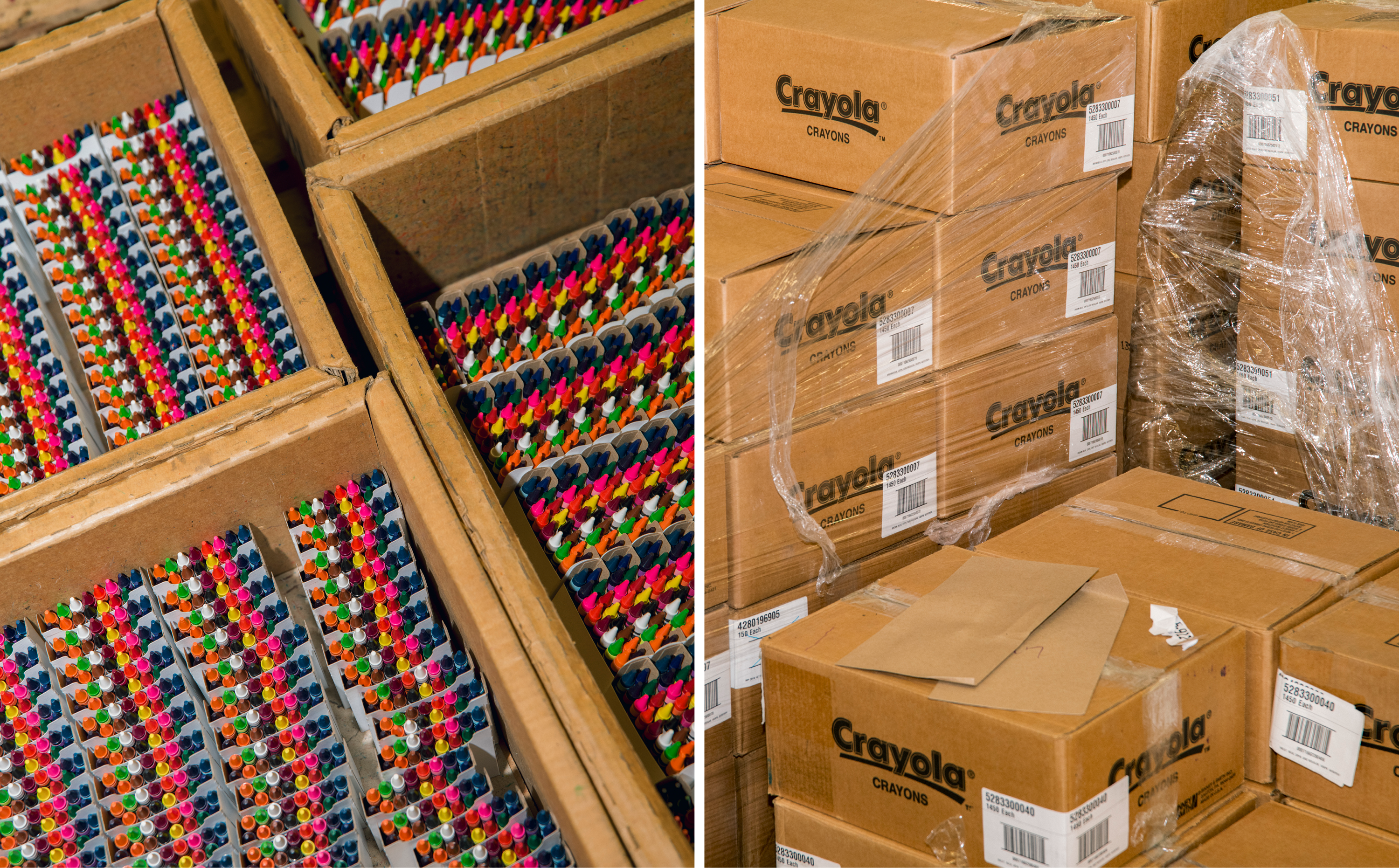
For a lot of companies, the weeks between July 4 and Labor Day are a quiet time, full of employee vacations and summer Fridays. Not Crayola LLC. During those months, the company’s flagship factory in Easton, Pennsylvania, churns out at least 13 million crayons every day—up more than 8% from the rest of the year—to prepare millions of kids for back-to-school season. “That’s our Super Bowl,” says Chief Executive Officer Pete Ruggiero.
Almost half of Crayola’s annual sales come during those nine weeks, largely through Amazon.com, Target, Walmart and other major retailers. The company’s crayons and colored pencils are the top sellers in their category in the US, according to Euromonitor.
Established in New York City in 1885, the company, then known as Binney & Smith, initially sold red and black pigments for paint and tires. Noting a lack of affordable coloring materials suitable for schoolchildren, co-founders Edwin Binney and C. Harold Smith experimented with making chalk and later crayons. In 1903 they started selling the crayons under the name Crayola—coined by Binney’s wife, Alice, a teacher—in boxes containing black, brown, blue, violet, red, orange, yellow and green.
At 5 cents each, the packs were an immediate hit with schools and children, says Megan Brandow-Faller, a professor of history at Kingsborough Community College in Brooklyn, New York, who specializes in art and design. The release of the eight-count box was a “a watershed moment” for the company. In the decades that followed, the company introduced other classic crayon products, including the 64-pack with a built-in sharpener. In 1984, Hallmark Cards Inc. bought the Crayola brand, along with the rest of Binney & Smith, for approximately $204 million.
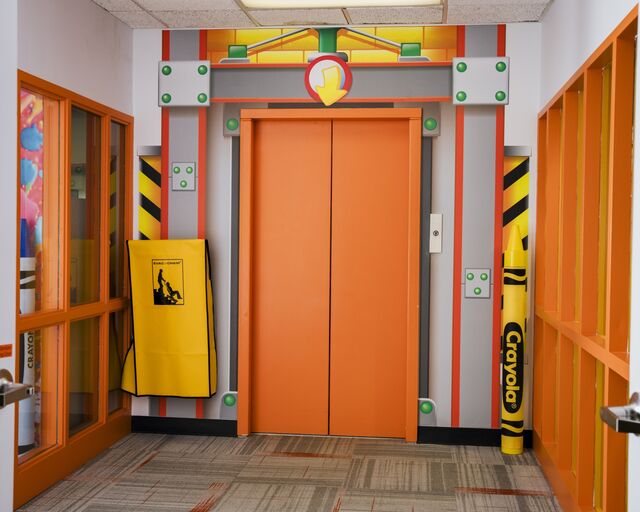
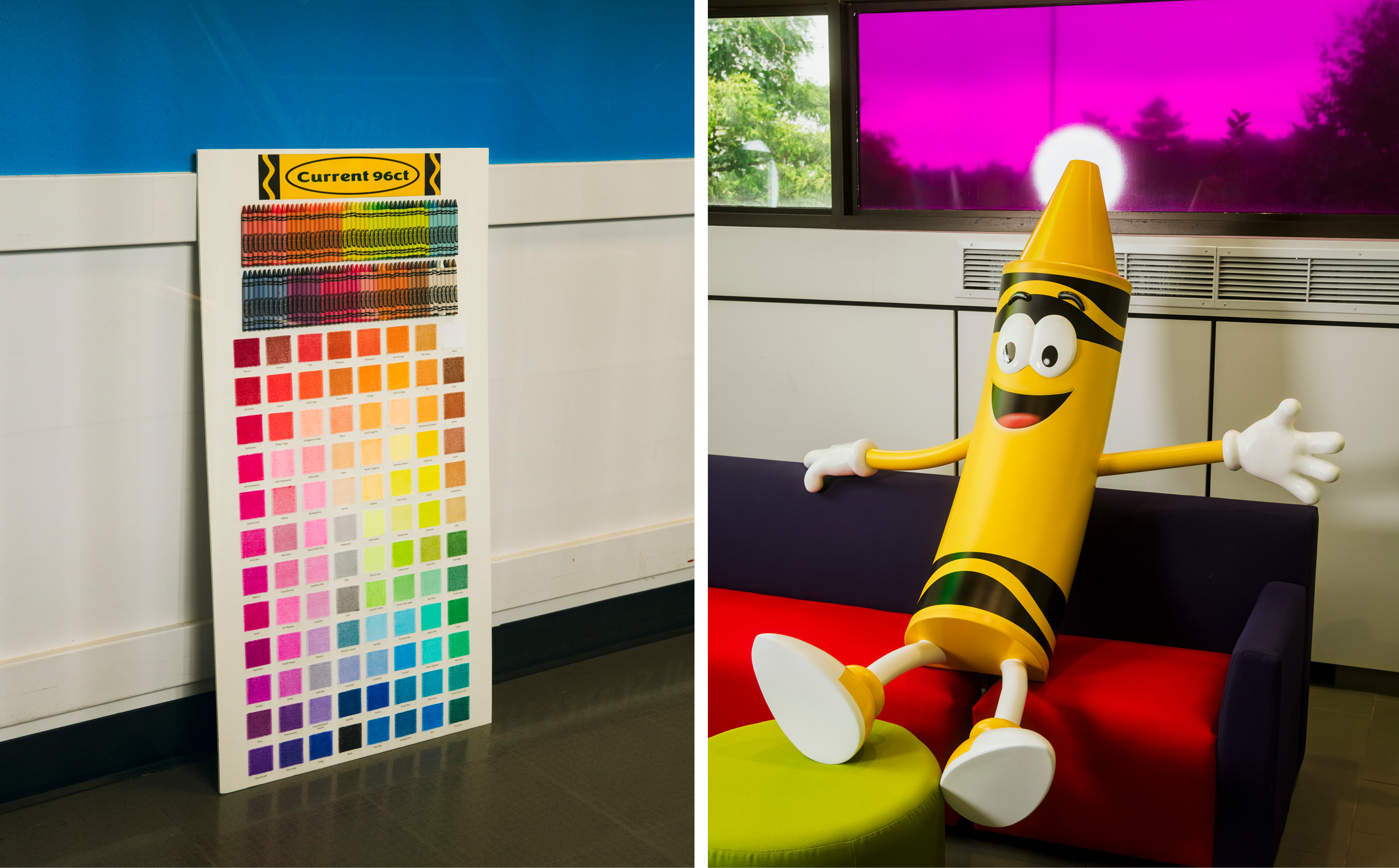
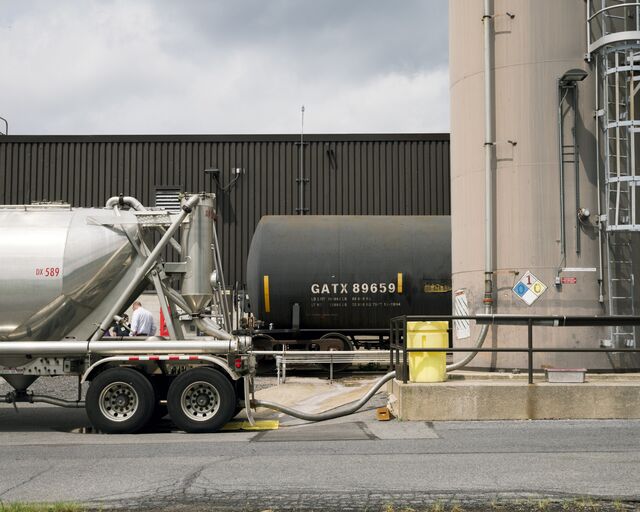
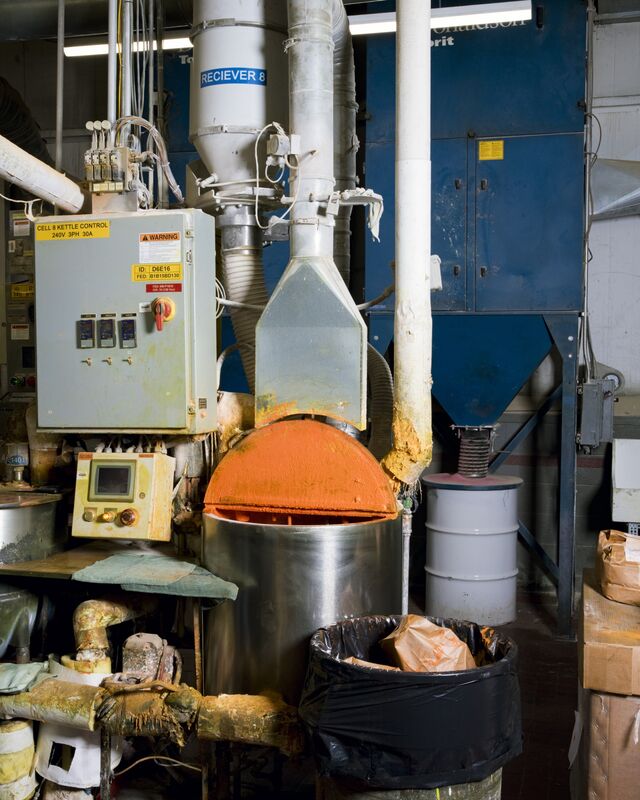
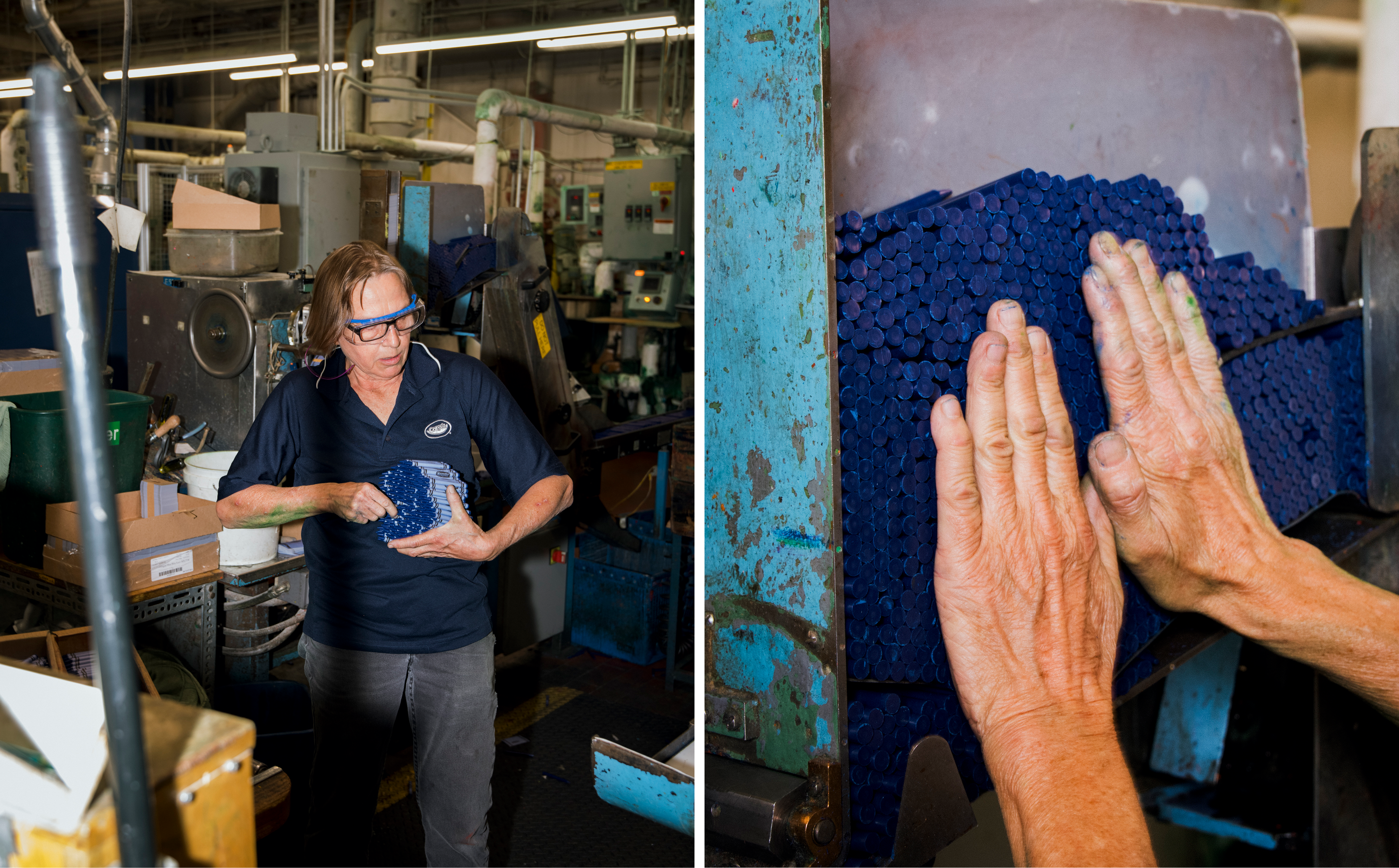
The steps involved in making a crayon haven’t changed much since those days, though a lot of the process is now automated. But the Crayola factory in Easton doesn’t look like a typical industrial facility. The metal equipment is dusted in bright pigment. In the adjacent office building’s lounge, the sofas, walls and linoleum flooring are doused in Wild Watermelon, Carnation Pink and other signature Crayola hues. And the waxy aroma of crayons—which Crayola recently patented in the hopes of pumping the scent through the aisles of retailers—permeates the space.
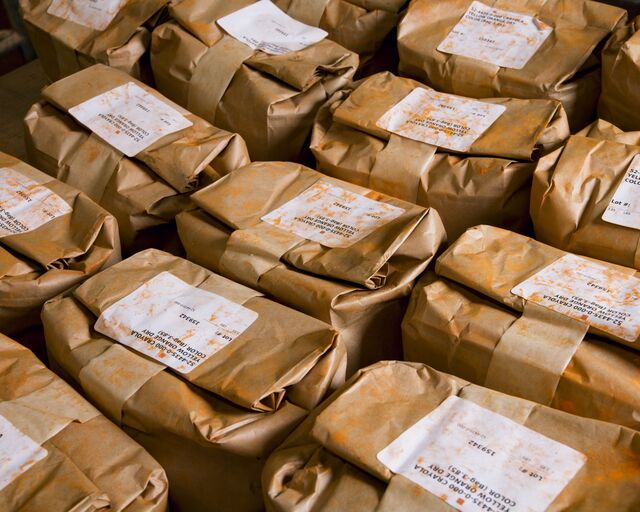
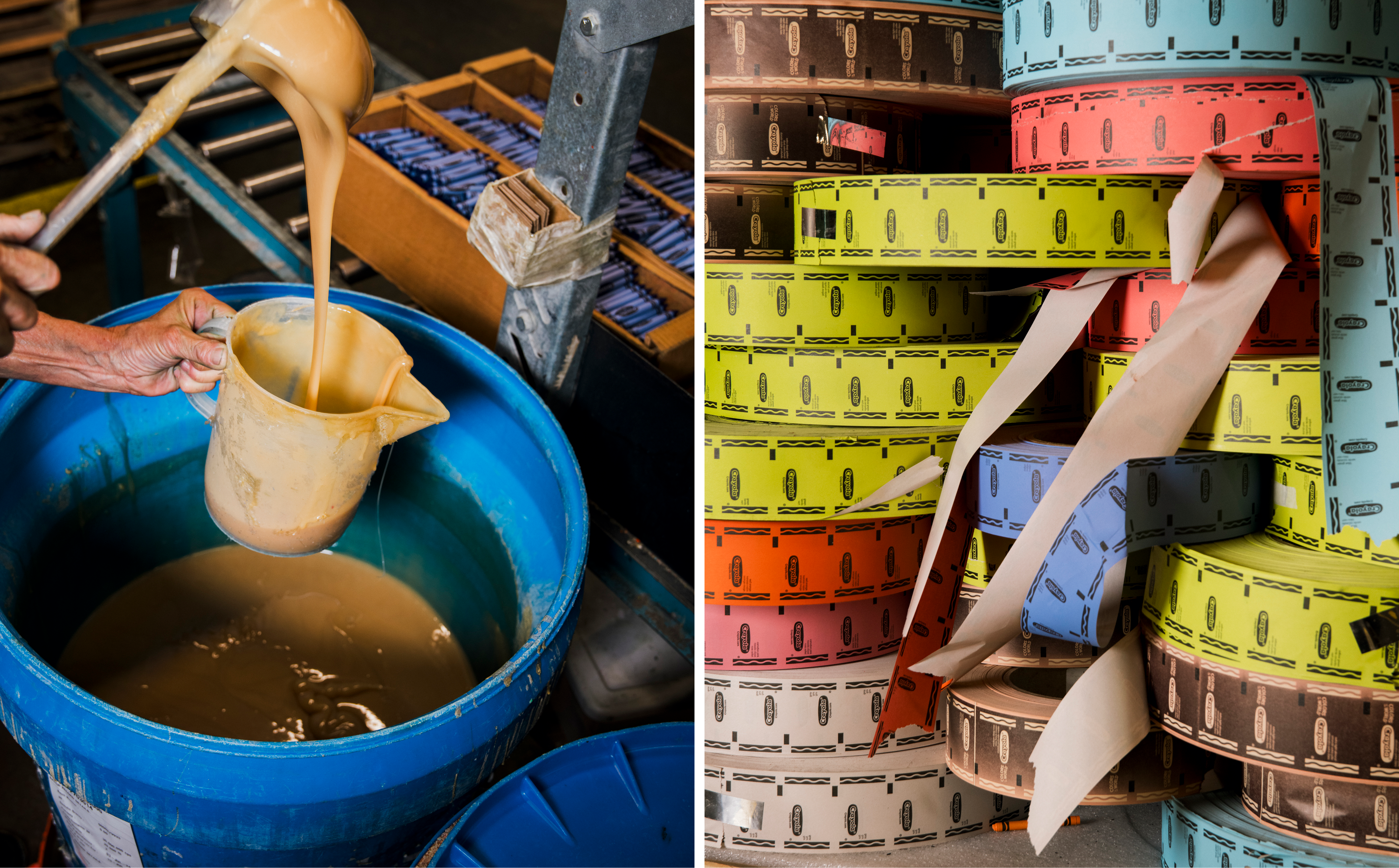
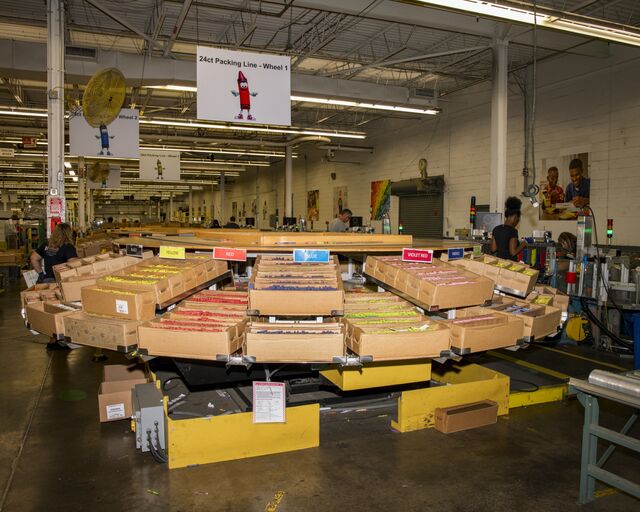
Crayons are essentially a mix of paraffin and pigment, though the company closely guards the precise recipe, which changes only when there’s a shortage of raw materials. “You do not mess with the crown jewel,” Ruggiero says. (The ingredients are nontoxic, but toddlers should avoid eating them: Ingested crayons can upset the stomach.) Jim Philhower, a crayon packing-process manager, is part of a team that oversees the assembly of 350,000 24-count boxes every day. He says people don’t realize the work that goes into delivering these products. Including his own kids: “They think I color all day,” he says.