Junk Food's $30 Billion Opening Is India's Next Health Crisis
Packaged food companies, hampered in Western markets, are pushing into developing nations with weaker public health awareness.
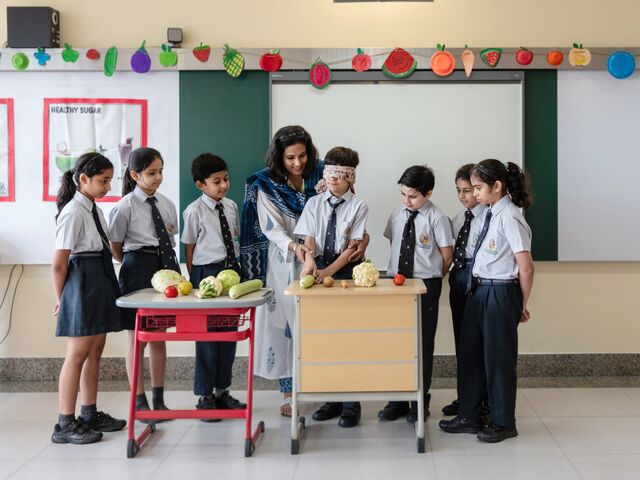
At a primary school outside Delhi, Aditi Mehrotra stood before a class of second graders to talk about a growing menace: junk food.
With no patience for side chatter, Mehrotra, a seasoned nutritionist, quizzed the room on “bad sugars,” and explained the benefits of a traditional Indian diet. In one game, students identified raw vegetables while blindfolded. During another, they planned a nutritious picnic. Then Mehrotra paused to test whether any of this had sunk in.
“How many would rather eat at McDonald’s for your birthday than at home?” she asked. Many hands shot into the air.
“This is what we’re up against,” Mehrotra said between activities at Lotus Valley International School, a sprawling institution catering to an affluent city just outside the Indian capital. “There are so many new tricks and temptations for children.”
The global packaged food and beverage industry is on the hunt for its next frontier. Regulatory scrutiny and greater public health awareness are hampering business in core Western markets, where products from Nestlé SA and Kellanova, maker of Frosties and Pringles, have long been familiar grocery store staples. Over the past decade, demand for potato chips and chocolate has stalled in North America and much of Europe. The recent surge in popularity of appetite-suppressing drugs like Ozempic is already curbing sales for Walmart Inc. and undercutting share prices for food and beverage companies.
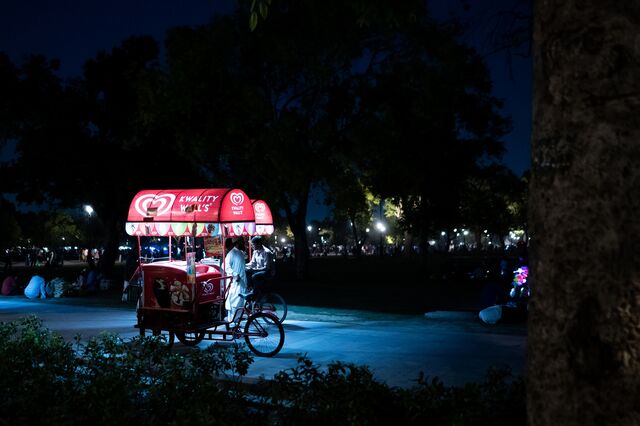
Against that backdrop, executives see a lifeline in countries like India — populous emerging economies where ultra-processed and packaged foods are still relative novelties, the latest slimming drugs aren’t accessible and expansive marketing curbs are rare, including when it comes to children. Countries like Mexico, where childhood obesity is a leading health concern, have restricted companies from advertising unhealthy food to youth. But no such rules exist in India. Starchy cereals and sugary drinks are sold as quality options in commercials featuring Bollywood actors and cartoon characters.
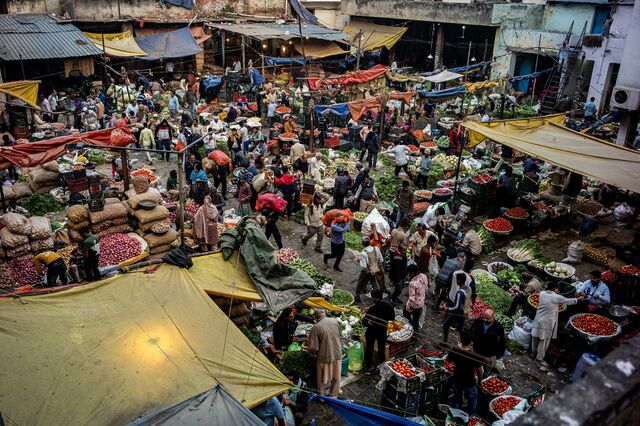
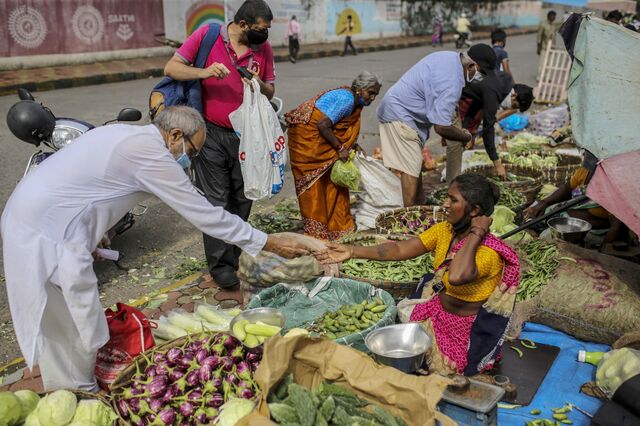
In India’s metropolises, large supermarkets still aren’t common, but convenience store chains now compete against traditional, open-air vegetable markets. Sales of snacks and soft drinks almost tripled over the past decade in India, exceeding $30 billion last year. Unilever Plc, which makes mayonnaise, ice cream and Horlicks malted milk drinks, expects the South Asian nation to become the London-based company’s largest source of revenue within a decade. These days, 60% of their business comes from emerging markets.
“India’s on fire,” said Hanneke Faber, the outgoing head of nutrition at Unilever, calling the country a “fantastic growth engine.”
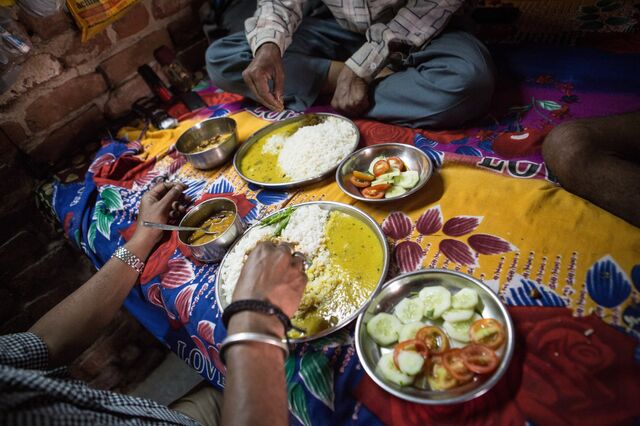
What this all means for the well-being of India’s 1.4 billion people is a conundrum of growing magnitude for Prime Minister Narendra Modi. His government has pushed to attract foreign investment to the world’s most populous nation, but must weigh progress on that front against the health costs of a new food economy in which diets — often too high in oil and starchy carbohydrates, too low in protein, even when food is cooked at home — are increasingly full of empty calories.
India Is a Growing Market for Junk Food
Change in retail volume since 2012
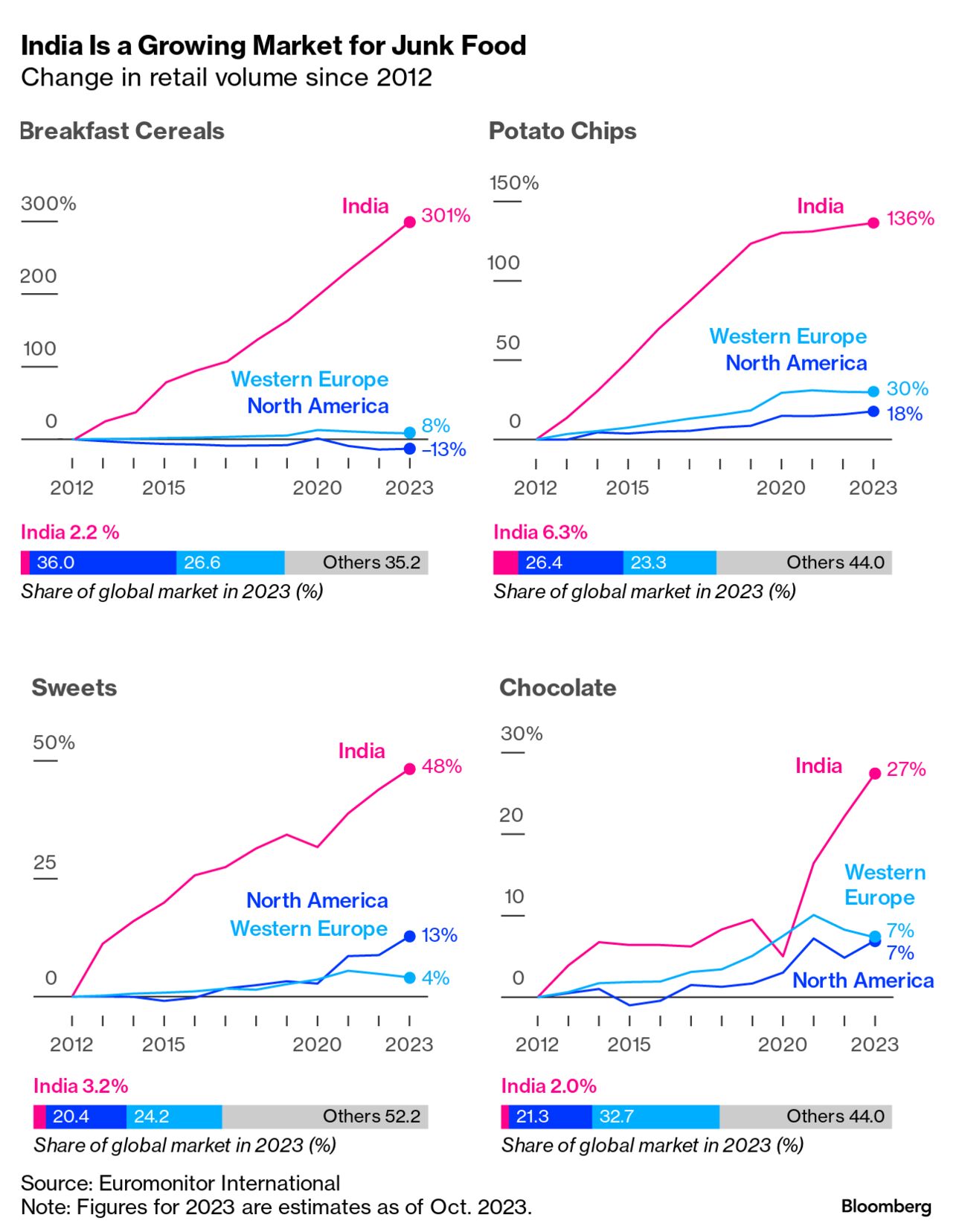
Though extreme hunger still stalks India, the opposite problem is now also true. Since the country liberalized three decades ago, leading to swift economic development and urbanization, the adult obesity rate has more than tripled. Among children, the annual rise is the steepest in the world, behind Vietnam and Namibia, according to the World Obesity Federation.
Food manufacturers emphasized in statements that many of their products address gaps in the Indian market and they’re continuously pushing to offer healthy options. Over the past year, Kellanova said the company has cut sugar in its chocolate cereal by a fifth. Nestlé noted that it voluntarily includes nutrition information on the front packaging of items sold in India. And a spokesperson for Unilever said the company is committed to providing quality products that “strike a balance between nutrient fortification and palatability.”
Surging Obesity Rates in Children
Obesity and Overweight Rates in India, 10 years old
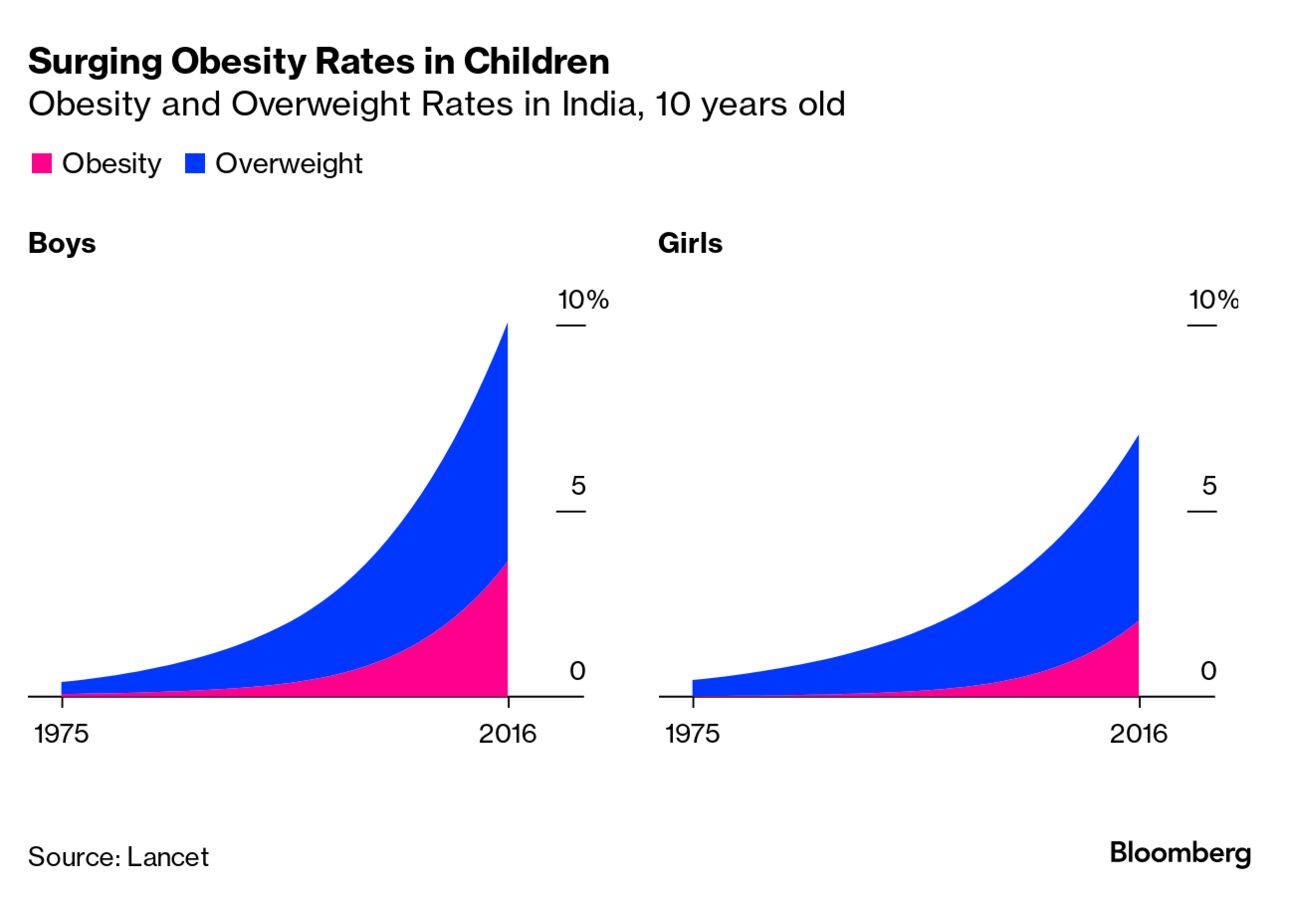
Revant Himatsingka, a public health campaigner and social media influencer, said these measures aren’t enough. He urged India’s government to step in with tougher regulation, drawing a parallel to efforts undertaken to curb tobacco use.
In the US, food companies “have to go to even more advanced levels of marketing to try to get someone to buy something unhealthy,” he said. “In India, the awareness is not as much there. This is why these companies are making insane amounts of money.”
Among the most sensitive debates is how to sell food products to children.
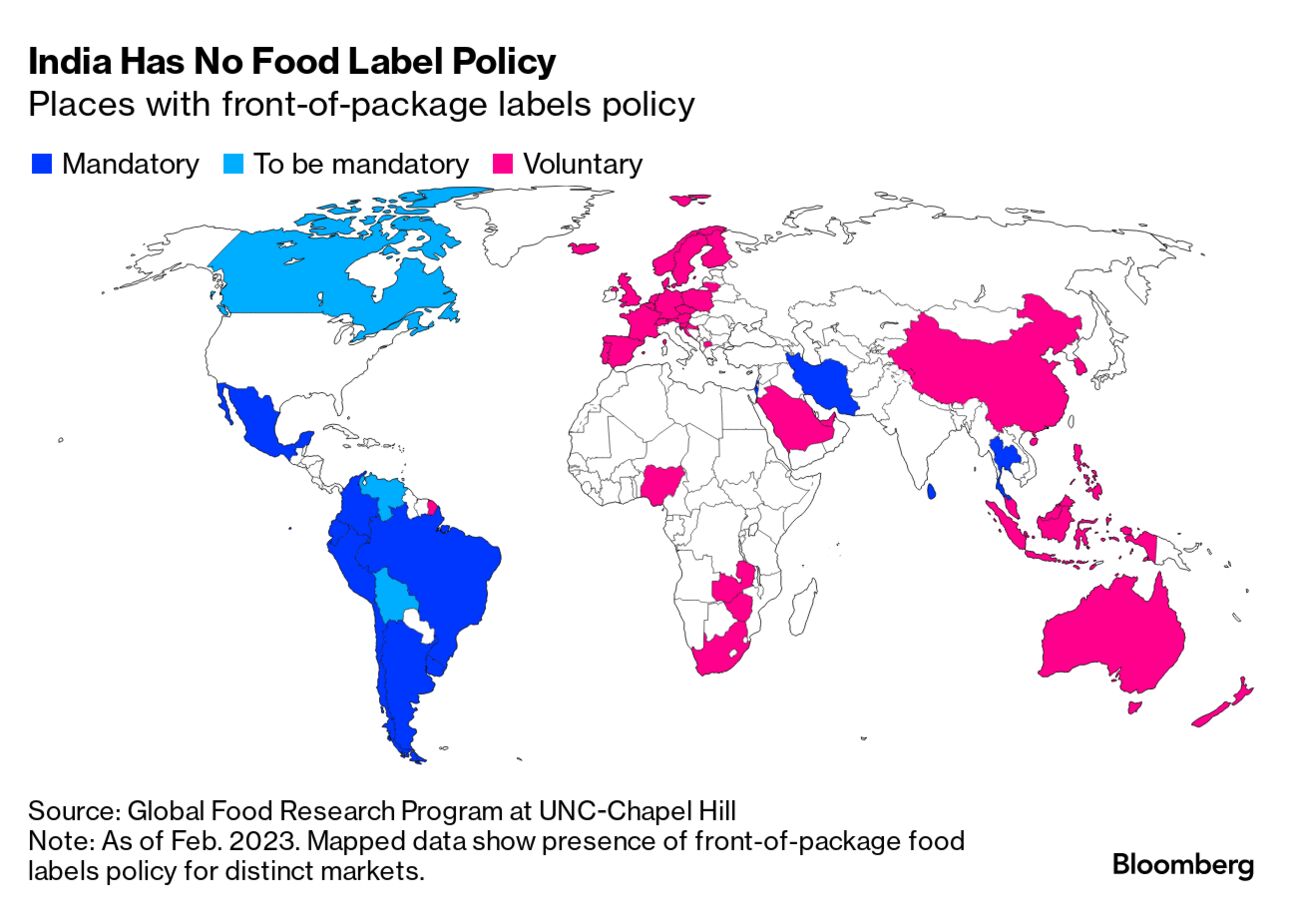
Packaging rules in India are lax compared to other parts of the world. Unlike in most of Latin America, food and beverage companies aren’t required to include front-of-container notes on sugar, fats and salt levels — not even on a voluntary basis, like in Europe or South Korea. Many companies use English on their food packaging, though the language is spoken by only 10% or so of India’s population, and even fewer among those younger than 10.
A recent advertisement for Kinder Joy chocolate eggs highlights that a toy is included with the sweet, a feature that previously prompted Chile to ban a similar product. “There’s something special inside,” a mother says to her children in Hindi. They dance, describe the joy of eating chocolate and hold up toys contained in capsules within the eggs.
The commercial, shown on television and social media, notes the sweet’s Vitamin B12 content — but says nothing about a single egg containing close to half of the daily sugar intake recommended by health experts for children under 10.
A spokesperson for the Ferrero Group, the Italian company that owns the Kinder Joy brand, said its advertising is “directed only to adults who make purchasing decisions.” In a statement, the spokesperson said most of Ferrero’s products come in “single wrapped servings, so people can enjoy them in a suitable amount,” and the vast majority contain less than 150 calories.
Himatsingka, the public health campaigner, said advertisements aimed at children have multiplied. One of the greatest threats to India, he argues, is the profusion of junk food products “pretending to be healthy.” It’s prompted him to turn to Instagram videos, where he unpacks the techniques food companies use to woo consumers.
The cost of speaking out is high. Himatsingka, a former McKinsey consultant, took down one of his most popular posts after receiving legal notices. In that video, he warns viewers about the sugar content of Bournvita, a children’s drink owned by Mondelez International Inc., one of the world’s largest snacks companies. “Instead of an active kid, there should be a sick kid in the photo here,” Himatsingka says in the video, pointing to the packaging.
A spokesperson for Bournvita said the video “distorted facts” and “made false and unverified inferences” about the product’s safety. The drink has been “scientifically crafted by a team of nutritionists and food scientists to offer the best of taste and health,” the spokesperson wrote in a statement, adding that the company is fully compliant with India’s laws. “All the necessary nutritional information is mentioned on the pack for consumers to make informed choices.”
India’s relationship to food is complex, adding a layer of nuance to public health debates. As late as the 1990s, India’s target, like China’s or Brazil’s, was on eradicating extreme hunger, putting the focus on calories — not nutrition. Obesity “was seen as a disease of luxury, mainly among the affluent classes,” said Eduardo Gómez, a global health policy professor at Lehigh University in Pennsylvania.
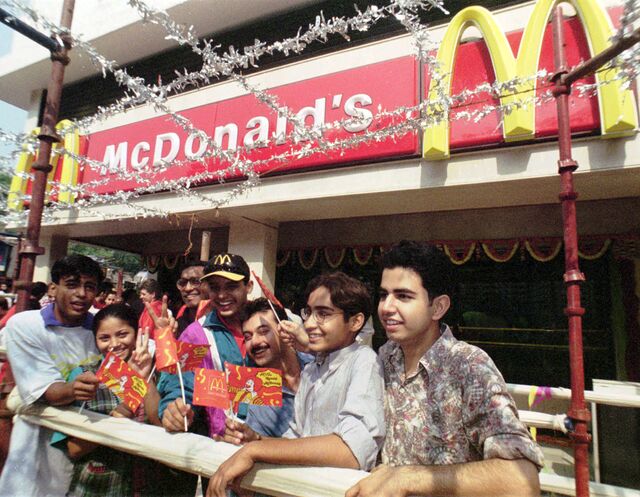
But as India’s economy liberalized and outsiders rushed in, fast-food companies like McDonald’s Corp. offered new, cheap and filling choices, with the added allure of a foreign brand. And as Indians grew richer, they had more money to spend on imported food and eating out. Higher weight has long been a status marker for some.
“The dilemma India faces is how to work with these major multinationals and food and beverage companies, guaranteeing investment and jobs, while at the same time protecting the public’s health,” said Gómez, who recently wrote a book on the topic.
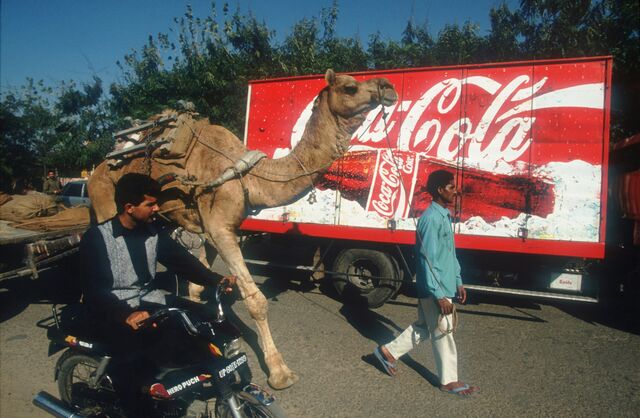
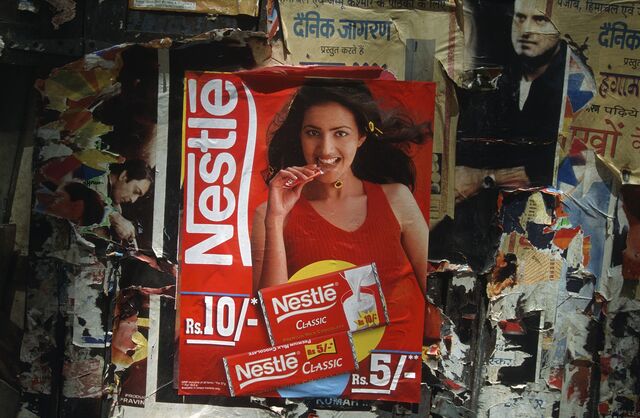
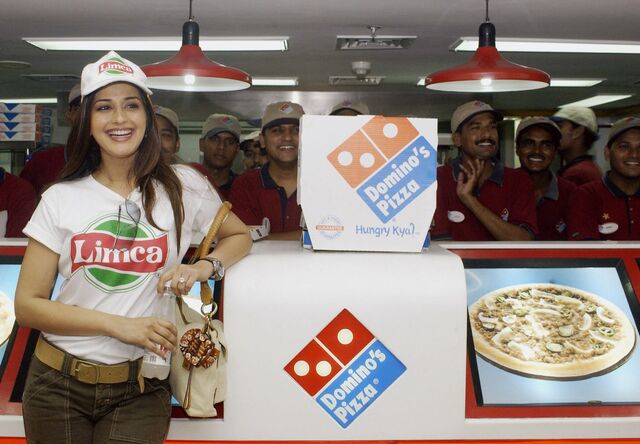
Though hunger and extreme poverty are still realities in rural India, even there, the changes are undeniable. Nestlé’s Maggi noodles are a common snack even in small towns, while Coca-Cola is selling smaller and cheaper portions of its beverages to a price-conscious population — just as other consumer brands sell sachets of shampoos and detergents.
“Now, in the remotest part of the country, one thing you can find is a packet of chips or a bottle of Coca-Cola,” said Pawan Agarwal, who runs the Food Future Foundation, a non-profit organization in Delhi that promotes nutritional literacy among children.
In recent years, public health activists have increased pressure on India’s government to better communicate the consequences of consuming copious amounts of junk food. In 2011, the Food Safety and Standards Authority of India was created to govern industry standards. And it’s now mandatory to color-code food products to show if they’re vegetarian.
But many feel change is too slow and that food conglomerates have loud voices when it comes to shaping public policy.
India Has No Food Label Policy
Places with front-of-package labels policy
Throughout 2021, the FSSAI held a series of meetings with advocacy groups and food executives to put together a new set of regulations for packaging. Public health advocates argued that India’s color-coding system should also include products with high sugar, fat and carbohydrates — a model embraced in much of Europe. Food lobbyists pushed back, according to researcher Amit Khurana, who attended, leading to “very intense” discussions that sometimes lasted hours without a break.
“It was as if we had to prove that this is in the interest of consumers,” said Khurana, who works for the Centre for Science and Environment, which campaigns for public interest causes in India.
After a crucial final meeting in Feb. 2022, the FSSAI proposed using health star ratings adopted by Australia and New Zealand. Research suggests that this system has virtually no impact on curbing unhealthy purchases, according to Lindsey Smith Taillie, a nutrition epidemiologist at the University of North Carolina at Chapel Hill. Meeting minutes showed that big Indian business lobbyists and food companies, including Coca-Cola and Nestlé, outnumbered representatives from the WHO and related groups by more than two-to-one.
Though the star system isn’t yet in effect and could still change, public health activists warn that companies can simply add positive nutrients to get a higher rating, even if those ingredients don’t transform unbalanced foods into balanced ones.
“We are in danger of moving backward in policy,” Sunita Narain, the head of CSE, wrote in a letter last year to India’s top official for food safety at the time.
Sudhansh Pant, India’s health secretary and chairperson of the FSSAI, didn’t respond to multiple requests for comment.
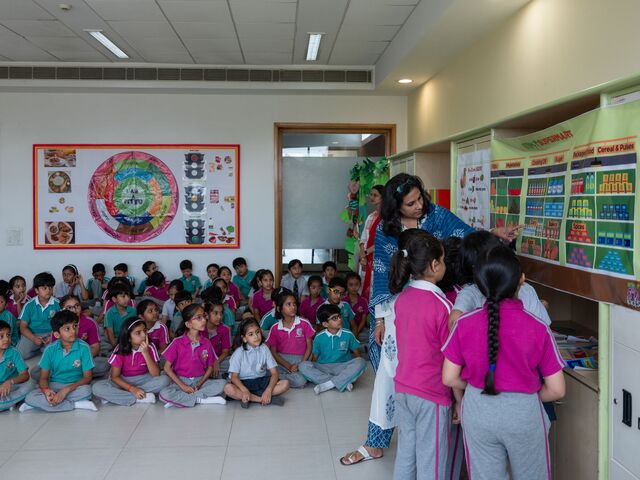
The cost of doing nothing could weigh heavily on India’s youngest generation, a preoccupation for administrators back at Lotus Valley International School in Gurugram, a planned financial hub southwest of the country’s capital.
Inside the so-called “Fit Room,” big, colorful charts depict food wheels and dozens of students shuffle in for regular nutrition talks. Recently, the school invited a chef to demonstrate how to cook healthy roti, or flatbreads, made from millets.
The school’s principal, Anita Malhotra, said the seminars started about a decade ago as more students began bringing processed food in their tiffins, or lunchboxes. The school has also tried to educate parents, she said, partly because most of the worst products simply didn’t exist in the India of a generation ago.
When she herself was a child almost every meal was cooked at home, the educator recalls. Now, food delivery apps like Zomato and Swiggy deliver within minutes, making it difficult to turn back the page to another era, when food was at least free of additives and excessive salt.
“Today, there’s so much available in the market, far beyond your imagination,” she said. “It’s of paramount importance that we raise awareness.”
Several hundred miles south, at a weight-loss support group in Mumbai, doctors reflected on the consequences of failing to bet on prevention. In a conference hall, physicians warmed up a crowd of two dozen professionals — among them pilots, teachers and immigration officers — with light exercises and laughter therapy. They handed out medals and apples to participants who answered dietary questions correctly or managed to shed weight.
The support group’s organizer, Ketan Pakhale, a bariatric doctor, explained that many of his patients unintentionally made bad food choices, for example, choosing sodas laced with sweeteners and labelled as diet drinks.
Even if India changes food packaging laws or cracks down on other messaging, the harder challenge involves appealing to a society bent on consumption, especially as more people in the world’s fastest-growing major economy have disposable income, he said.
“The concept here is that you are prosperous because you are eating good food and you are looking very healthy — meaning you are gaining weight,” Pakhale said from his small clinic in a Mumbai suburb. “That has to break down somewhere.”
Sign up for the India Edition newsletter by Menaka Doshi — an insider’s guide to the emerging economic powerhouse, and the billionaires and businesses behind its rise, delivered weekly.