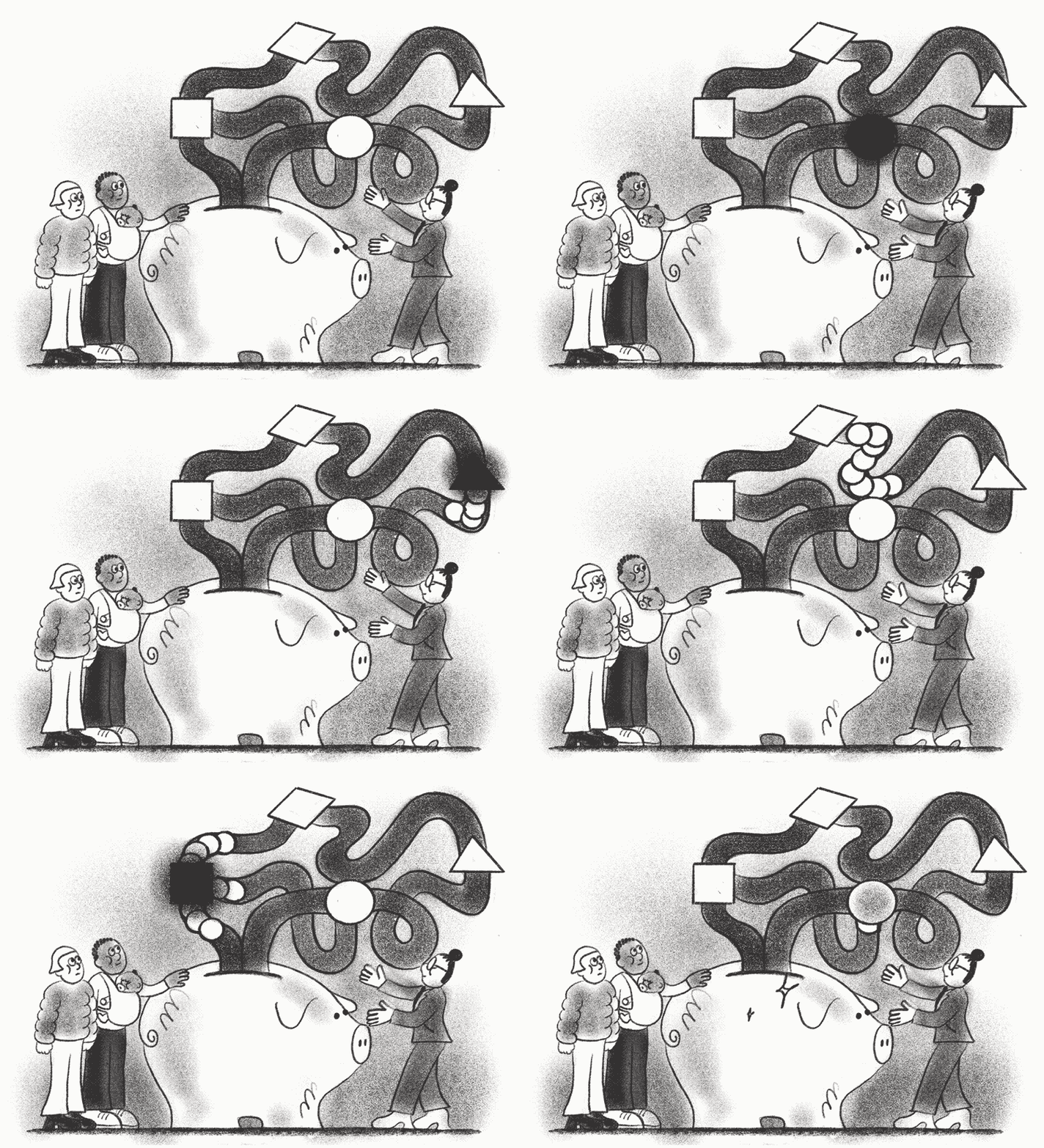
The How-To Issue: 50+ Lessons From Really Smart People

Advice on everything from being a better gamer to commuting on two wheels to placing smarter bets.

May 18, 2021

If you spent the past year feeling like getting by was the best you could do, well, same. So we thought, why not ask experts (executives! VCs! movie directors!) how they do what they do? The result is our HOW-TO ISSUE.

It addresses questions from the pressing (how to grill a cheeseburger) to the frivolous (how to get wealthy Americans to pay their taxes) to the ridiculously easy (how to land a rover on Mars). Our experts’ answers—edited for length and clarity!—explain the inner workings of business, finance, politics, technology, and luxury. Plus, our own writers pitch in with thoughts on subjects such as meeting deadlines, tipping a bartender, and falling in love.

You may find, as we did, that reading about all of this is educational and inspirational. And that might make whatever you’re going through a little more bearable.

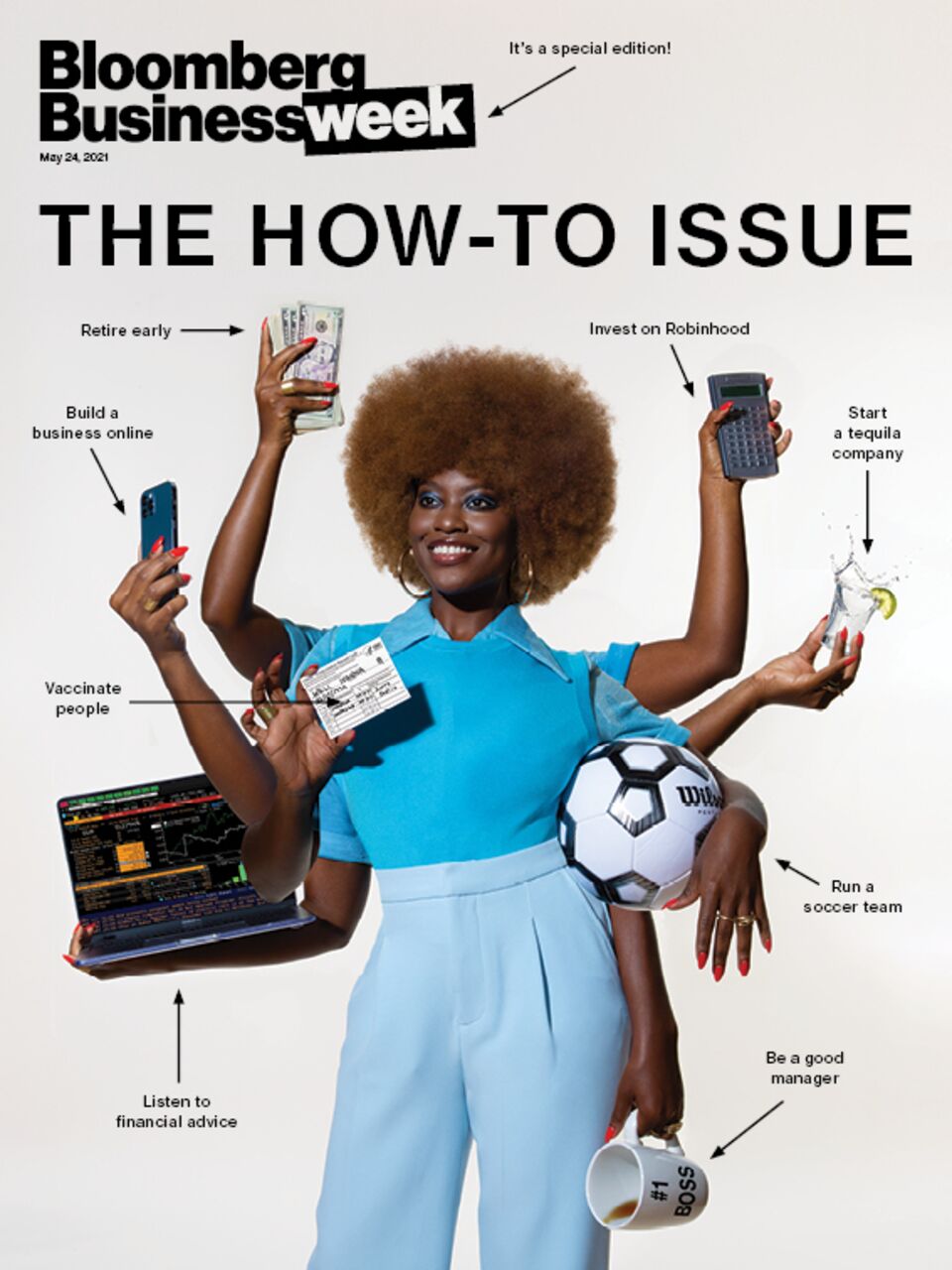
Cover
Featured in Bloomberg Businessweek, May 24, 2021. Subscribe now.
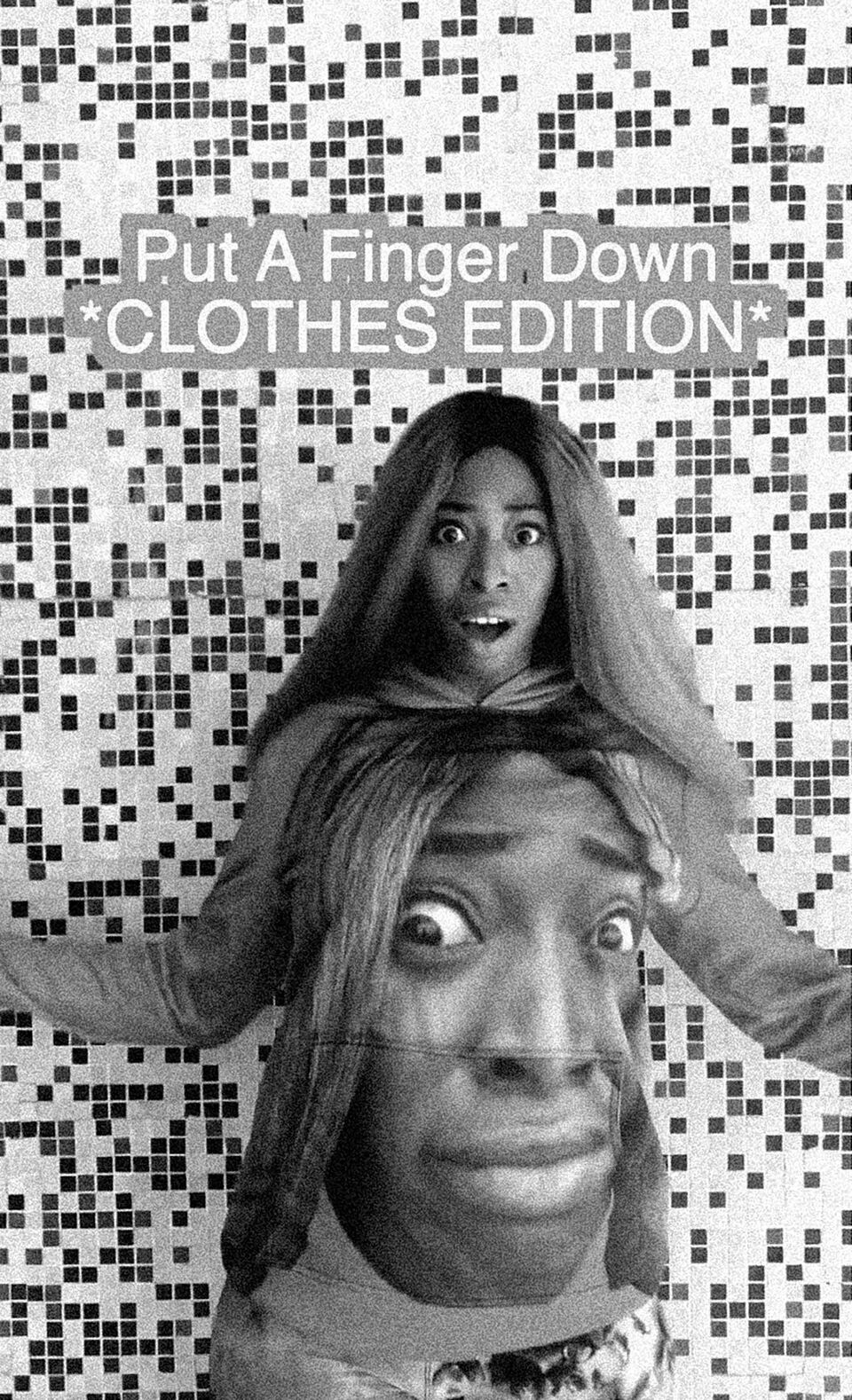
Photographer: Beth Sacca for Bloomberg Businessweek; Model: Sade Mims; Stylist: Aliesha Hatalovsky; Hair: Sean Bennett; Makeup: Stephanie Zhang

Persuade People to Get Vaccinated

Jess McIntosh, Creative director, Fellow Americans
Persuade People to Get Vaccinated
American Stock Archive/Getty Images

Progressive organizations and advocacy groups are using Fellow Americans’ video ads to try to increase coronavirus vaccine rates. As of mid‑April about 1 in 5 American adults were unwilling to be vaccinated, according to a Monmouth University poll.
 

We’ve tested Covid messaging several times since the pandemic began. Often, it performs quite well but causes a backlash among conservatives, especially men. To promote uptake, a good ad has to avoid this. With this in mind, we commissioned three vaccine-specific videos.

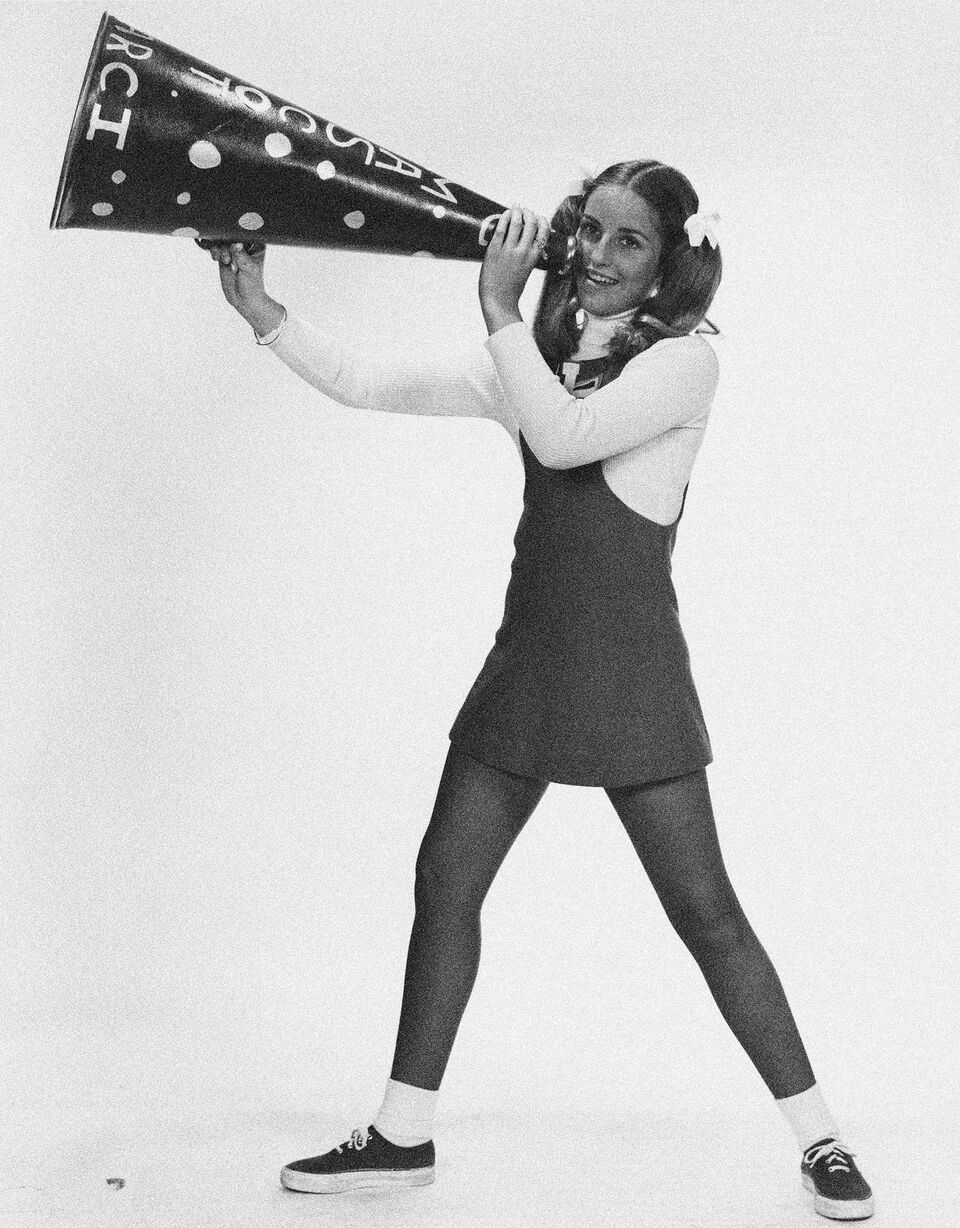
The first was a raw emotional appeal, lots of footage of crying health-care workers overwhelmed that the shots are finally coming out. It tested sort of meh. The second ad was a happy little celebration: footage of cases of vaccines rolling off the conveyor belt, less heartstring-tugging than the first one. For the last one we went nuts with the exuberance level. It’s basically a cheerleader number—people shouting, “Gimme a V!” The tests showed it was far and away the best.

We’d assumed going in that the emotional appeal or the middle-ground ad would be the winner. Nope. The straight-up hype video blew them away.

This suggests there’s a huge appetite for optimism—for unbridled joy—about the vaccine. The ad didn’t just increase uptake, including with Republicans. It made people happy. Actually happy! We tested a lot of videos over the last year, and believe me, that’s not a typical finding. —As told to Joshua Green

Sway a Negotiation

Rose Gottemoeller, Distinguished lecturer, Freeman Spogli Institute for International Studies at Stanford

sway a negotiation
Gottemoeller got into the Christmas spirit—sort of.
Mónica Durán/Getty Images
She led talks with Russia on behalf of the Obama administration that culminated in 2011’s New Strategic Arms Reduction Treaty. Her book, Negotiating the New START Treaty, is out this month from Cambria Press.
 

Anatoly Antonov, who’s currently the Russian ambassador to the U.S., was my counterpart during the New START negotiations. In any negotiation, you want to have the capability to knock your counterpart off balance from time to time. He did it to me. I did it to him. There has to be that edge of uncertainty to get people to pay attention.

I invited him to lunch one day, and he ended up coming almost an hour late, expecting me to storm out or to be angry when he showed up. But I responded calmly: “I’m sorry you’re late. Let’s get on with it. We’ve got a lot of work to do.” It kind of took the air out of his tires. I always say being a nuclear negotiator is not rocket science. If you’ve got teenagers at home, you know how to negotiate.

Some negotiators are more histrionic. Some pound the table more. Some focus more on the technical details. At various points in the negotiations, you have to show streaks of each. Although I tend to be a fairly even-tempered person, I lost my temper a couple of times and pounded the table. I was even told by my delegation that my face turned bright red. A good negotiator has the range to surprise the other side. In my case, the Russians were so used to my being calm that when I lost my temper it had a real effect.

In any negotiation, you have a front row who sit at the table, and then you have the back row, where the experts are. I made a special point of reaching out to the women in the back row. There were never any women in the front row on the Russian side. I began to hassle my counterpart, saying, “Why don’t you let some of your really good female experts come and talk?”

I sent the women White House Christmas ornaments, and I didn’t send them to the men. They got kind of mad at me. —As told to Peter Coy

Shop for a Classic Car

Jay Leno, Comedian
Shop for a Classic Car
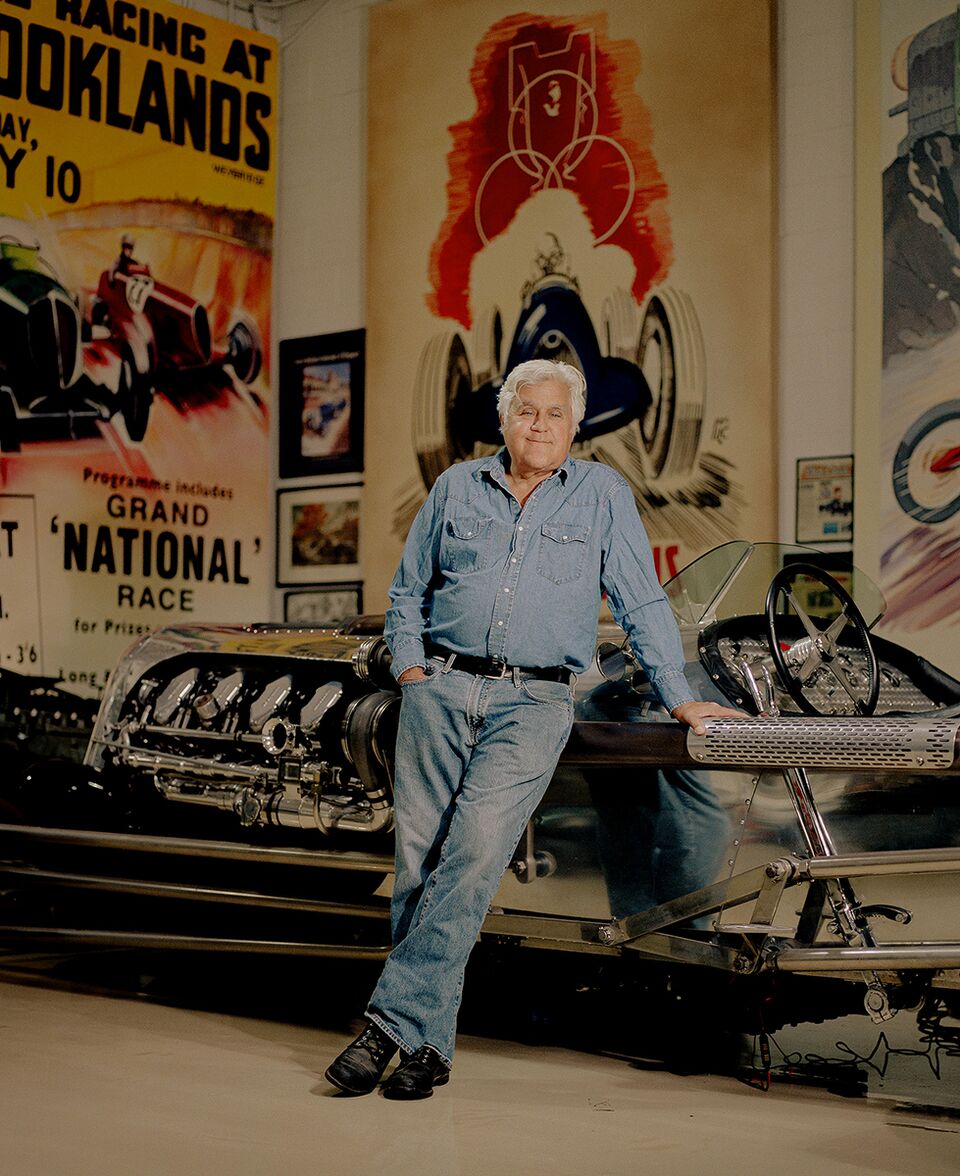
Leno in Burbank, Calif., in front of a custom car built with a tank engine from the Korean War.
Tracey Nguyen for Bloomberg Businessweek

Leno, who owns hundreds of vintage rides, hosts Jay Leno’s Garage on NBC and YouTube.
 

Buy what you like. If it goes down in value, at least you still like it. If you enjoy it and it goes up in value, great.

Ignore the mileage. I meet guys who say, “I’ve got a Ferrari Enzo. I’ve had it 15 years. It’s got 9 miles on it.” That’s in worse shape than a car that’s driven regularly. Oil is blood. It needs to circulate. I have a Mercedes with 326,000 miles. These people who get rid of a car—“Oh, it’s got 65,000 miles on it, I gotta get rid of this thing.” No, that’s barely broken in.

Join the club. There’s always an elderly person who’s been in the Model A club or whatever for 15 or 20 years. They can’t drive anymore. They’d like to sell their car. You might pay a little more, but you get a car that’s been maintained properly.

Also, somebody in the club will let you use their garage, and you’ll help them fix their car. Maybe next week, they’ll help you. That happens a lot.

You meet people who live and breathe these cars. I have a Tatra. It’s Czech. One day I see an ad in a magazine, I call the Tatra club. I go, “Hi, I’m Jay Leno. What Tatras do you have? I’d like to join the club.” They said, “Good, yes, $80. We have a Christmas party. We put out a newsletter.” I said, “How many people in the club?” “Including you? Four.” No matter what you’re into, there’s always somebody way more into it. —As told to Hannah Elliott

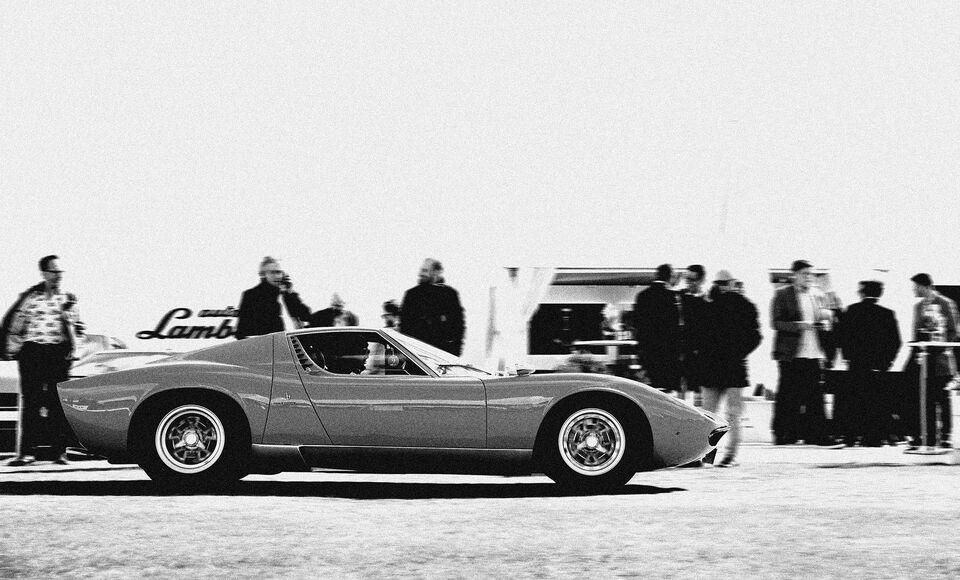
LAMBORGHINI MIURA

Lamborghini MiuraPhotographer: Martyn Lucy/Getty Images

I essentially got it for free in the early ‘80s. Dean Martin bought it new. His son cracked the crank case. A buddy of mine bought it. His wife said, “The thing’s sittin’ in the yard. Give it to Leno.” Now, at minimum, it’s a $1 million car.

MCLAREN F1

McLaren F1, Concours of Elegance 2018 (Preview Day)Ian Bottle/Alamy

When this came out in 1992, it was about $1 million—Lamborghinis were $100,000. They built 64. McLaren Cars shut down. So the price of it went up [to $21 million for one in top condition, according to the Hagerty Price Guide].

MASERATI 3500 GTI

Grand Tourer car Maserati 3500 GTI Sebring, 1962Source: Oldtimer/Alamy

A repair shop wanted to get rid of it. It was $25,000 15 years ago. We needed to do the engine, the transmission, other work. Now it’s probably a $300,000 car. The trick is to find something that broke some other guy’s heart.

Mature as an Investor

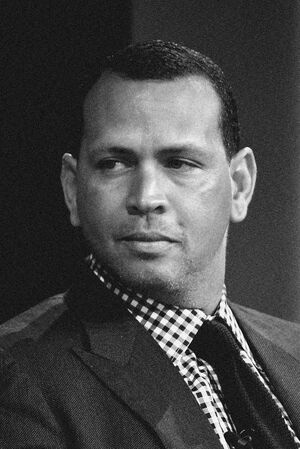
Alex Rodriguez, Chairman and CEO, A-Rod Corp.

Alex Rodriguez
Rodriguez
Michael Loccisano/Getty Images
In addition to his company, which oversees the former MLB All-Star’s real estate holdings and investment portfolio, Rodriguez also runs a special purpose acquisition company and venture capital firm with former Walmart Inc. executive Marc Lore.
 

As a player, you’re presented with endorsement or licensing deals where you can rent your name and walk away. As an investor or owner, you have to be much more involved—it’s a different level of responsibility.

We’ve seen this power shift with personal brands becoming as powerful as big institutions. Now athletes and entertainers have a seat at the table with these conglomerates and can compete for the same asset, which would have been unthinkable 10 years ago.

As a professional athlete, you learn to go narrow and deep. You train to be perfect—or at least try. You learn from your coaches. It’s the same as an investor. You adopt attributes from mentors. I’ve learned that we can be good at a lot of things but can’t be great at everything. Narrow and deeper plays, where we invest our energy and interests, are the most worthwhile. By investing with that philosophy, others begin to learn what you like, and we’re presented with better opportunities.

To ensure we’re allocating resources where it makes sense, we like to move quickly and say no to deals that don’t fit. People appreciate clear communication, and even if that first deal doesn’t work out, it can be the beginning of a relationship. Declining certain deals properly and responsibly often creates future opportunities. —As told to Jason Kelly

Keep a Movie Franchise Alive

Justin Lin, Director
Keep a Movie Franchise Alive
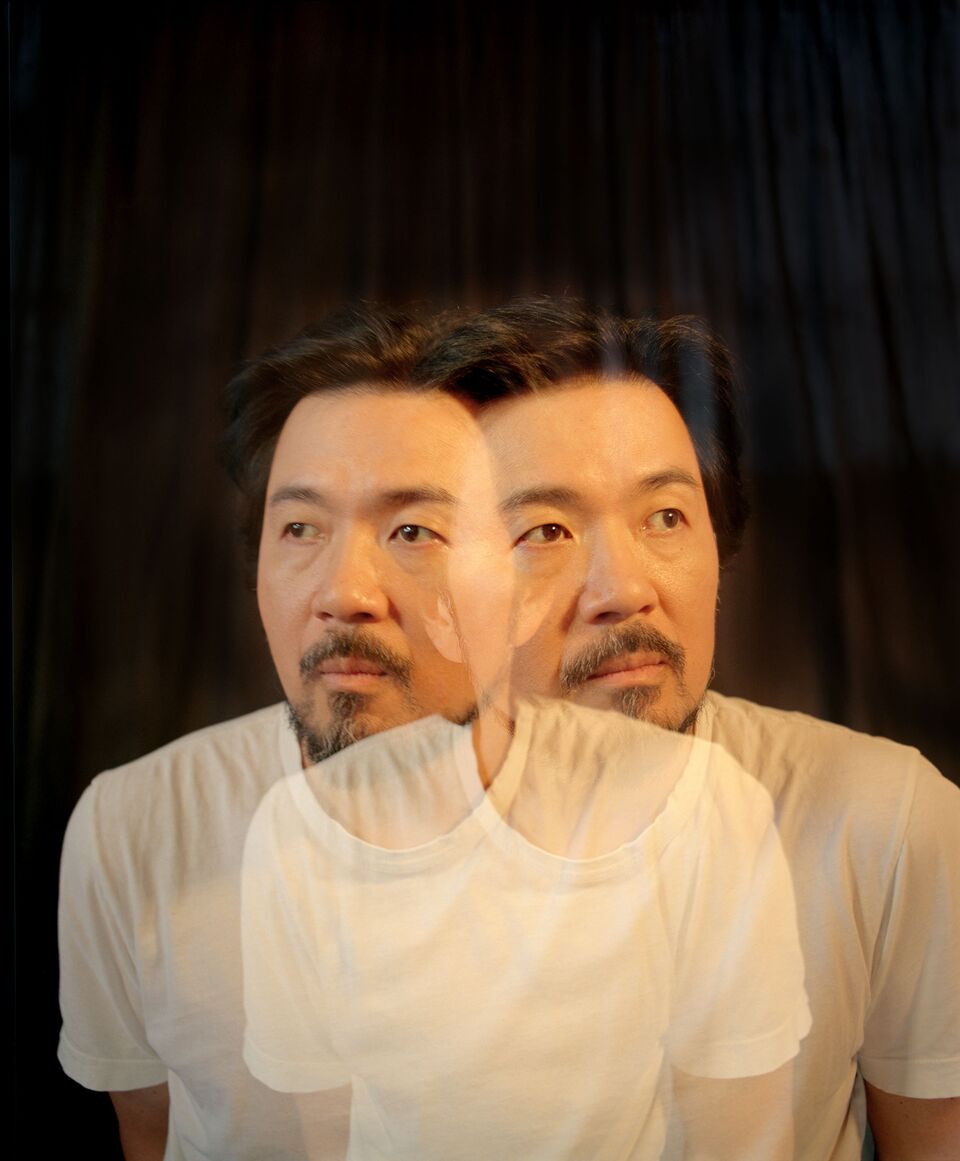
Lin in his Los Angeles office.
Elizabeth Weinberg for Bloomberg Businessweek; Grooming: Sonia Lee

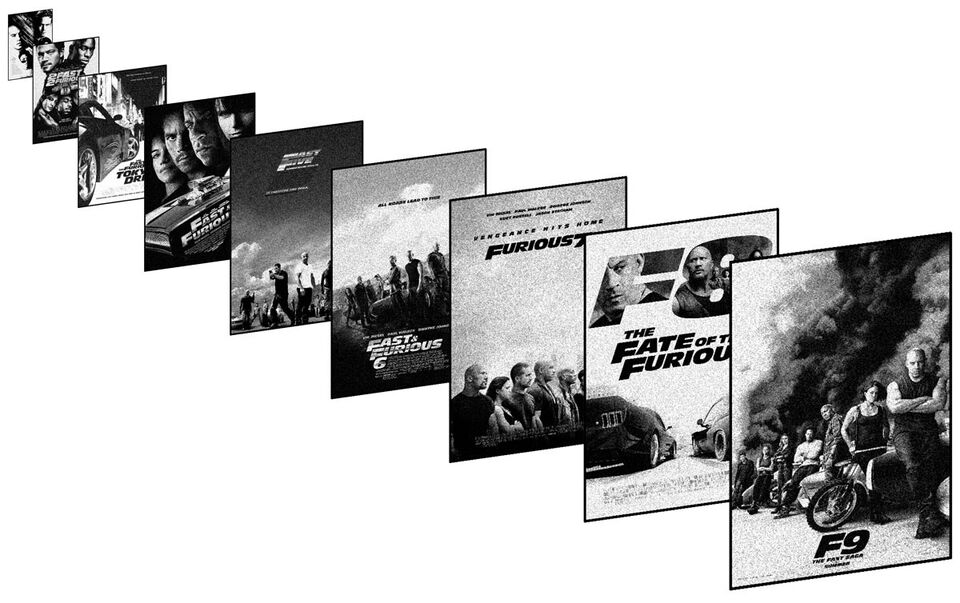
The Fast & Furious movies have grossed more than $5 billion worldwide since 2001. Lin, who directed the third, fourth, fifth, and sixth installments, has returned to direct the ninth (filmed prior to the pandemic and scheduled to be released on June 25) and 10th.

1. HAVE A POINT OF VIEW

I made my first film, Better Luck Tomorrow, for $250,000, paid for with credit cards. That got into Sundance in 2002 and changed my life. A few years later, I was making my first studio film at Disney when an executive at Universal tracked me down to talk about the third Fast, which was set in Tokyo.

When I read the script, which had cars drifting around Buddha statues and women in kimonos, it was an easy no. The characters were stale, and I had a big issue with the White male lead hooking up with the token Japanese female. “I’ve seen this movie a million times, and I’ve never liked it,” I said. Stacey Snider, then the studio chief, asked, “Well, what if you get to do what you want instead?” We had two and a half months until we had to go into production. It was chaotic, but it was fun to bring my indie sensibility and create Asian characters that did more than serve “Asian” purposes. Then, like now, it’s my job to make sure that I have a point of view on what we’re going to explore.

2. GO GATTACA

When we were making the third film, Tokyo Drift, Universal had just released The Bourne Supremacy. Bourne was already a blockbuster franchise, plus it had critical acclaim. I remember talking to our producer and saying, “Look, it’s great to be next to a franchise like that. And it’s OK to say, ‘People see Fast as disposable.’ People can see us however they want to see us. But let’s redefine that through our work.”

It reminded me of Gattaca, the sci-fi movie from 1997, about two brothers. To me, Bourne was like the genetically engineered brother. Fast was the merely human brother, played by Ethan Hawke. In Gattaca the brothers compete to be the fastest swimmer, and once, Hawke gets to the buoy first. So whenever we’d start a new chapter of Fast, I’d say, “Let’s go Gattaca! Let’s go all out. We’re going to swim as hard as we can to that buoy.”

F10 will be released in two parts

F10 will be released in two parts. Courtesy Universal Pictures

3. DON'T BE AFRAID TO STEP AWAY

After we finished 6, which was released in 2013, we were definitely talking about 7, but I wasn’t feeling the process was going to help me grow. It wasn’t easy to walk away, because we had built something. But it was time.

Then J.J. Abrams called and said, “Do you have any interest in Star Trek?” Growing up in the ’80s, my family didn’t go to the movies. Everybody was a Star Wars fan, but I watched Star Trek reruns with my dad. My parents’ fish‑and‑chips restaurant would close at 9, we’d have family dinner at 10, and we’d watch Star Trek at 11. So I had a true connection. I directed Star Trek Beyond, which came out in 2016.

The next year there was a 15th anniversary screening of the Sundance cut of my first feature. Afterward, at the Q&A, someone in the audience brought up #JusticeForHan, which was an online fan movement. Han, played by Sung Kang, was a character we’d introduced in Tokyo Drift, who’d supposedly died at the end of 6. I hadn’t seen the eighth movie, so I was confused when this fan said it had a scene in which Han’s killer, played by Jason Statham, showed up at a friendly barbecue with the Fast crew. I thought, “That’s weird.”

Months later, I woke up one morning and felt like I had the idea for the next chapter. In the trailer for 9 we reveal “Justice Is Coming” for Han, who is back from the dead. It’s as if we didn’t miss a beat.

4. THINK LIKE YOUR AUDIENCE

It takes so much effort to figure out, “OK, this is the ninth film. How do we evolve this? How do we do something that gets us excited and gets the viewers excited?”

Vin Diesel and I are both old school. He plays Dominic Toretto, the patriarch of the Fast & Furious group, and he’s an executive producer. Before we jump into the next chapter, we spend days talking—not about the script or action sequences, but about where we are as human beings, where we are as a world, and where these characters are in that context.

I immigrated to the U.S. from Taiwan when I was 8. The only blood relatives I have in America are my two brothers and my parents. Vin has shared a lot of his journey. Our conversations have connected us to the DNA and the soul of the franchise.

You have to try to understand why, after 20 years, people still love these characters. And then you have to take the audience on a journey that, thematically, explores something else. The third movie was about identity. In the fourth movie we were exploring sacrifice. In the fifth, freedom. For 6 it was trust. Every Fast sequel that we’ve done, there are elements that scare me. Like having a pregnant character in Fast 5. Even when we were doing it, that was like, “Wait, we’re going to have kids?” But it’s necessary. Or else you’re just doing the same thing over and over. —As told to Amy Wallace

Learn From Leaders at …

NASDAQ, INC.

LAUREN DILLARD, Executive vice president, Investment Intelligence
Dillard, who joined Nasdaq in 2019, has increased the company’s analytics, index, and data business 21% in the past 12 months.

 
stock tickerGetty Images
If I were giving advice to my 25-year-old self, I’d say start finding people who can help you. Create a personal board, and think of your board members as advisers or mentors. Few things have provided as great a catalyst for my professional development as these relationships.

THE ARCHETYPES


THE INDUSTRY VET Whatever work-related matters you want to better understand, this is your first call.
THE CHEERLEADER You want someone who pumps you up, brings you joy, and keeps you focused on a purpose.
THE TRUTH-TELLER You need this adviser to tell you how it really is, to push you and be ruthless with feedback.
THE INNOVATOR What’s the newest trend? What podcast or book do you need to spend time with? This board member pushes for personal and career evolution and adaptability.
THE NETWORKER This person helps you make connections, ideally based on your personality type.
THE WELLNESS GURU Your health is crucial to your success, and you need someone making sure you ride your Peloton, do yoga, or whatever moves you.

THE RULES

1) Nothing proprietary gets discussed.

2) Everything is confidential.

3) Schedule regular meetings.

4) If follow-up is required, see it through.

5) Change board members. These aren’t lifetime commitments.

6) Old age is not a prerequisite.

7) Offer to join other people’s boards.

8) Get outside your comfort zone. Maybe even recruit a competitor you admire. —As told to Joel Weber

VIMEO LLC

ANJALI SUD, CEO
She’s guided the video software business, which has more than 200 million users, to a $6 billion valuation—and an anticipated spinoff from IAC/InterActiveCorp.
 
stock ticker
Getty Images
I was promoted to CEO in 2017 after spending a year convincing our investors we should pivot. Instead of investing in original content or trying to be a viewing destination, I saw a bigger opportunity in doubling down on better serving businesses with the tools to use video. I got passionate. Investors invest in people as much as ideas. Conviction is infectious.

Ultimately you need to prove yourself. I didn’t say, “I want to pivot the strategy.” I asked for a small, dedicated team to build a minimum viable product to prove the strategy could work. And it did. The more you can “de-risk” the first ask with a short path to validation, the more people are willing to take a chance on you. —As told to J.W.

“Inspire your employees to see a green light where others may see a stop sign. People will come up with new ideas and run with them when they feel a sense of autonomy and creative ownership.”
MARCELO CLAURE, CEO, SoftBank Group International, and COO, SoftBank Group Corp.

CURALEAF HOLDINGS INC.

BORIS JORDAN, Chairman
Curaleaf is the biggest U.S. marijuana company, with a market value of about $10 billion.
 

marijuana leafGetty Images
I spend a lot of time reading. One of my favorite things to do is read biographies or autobiographies of entrepreneurs, political leaders, businesspeople. I’ve learned a lot from reading them. I started my insurance business [Renins Finans], which I’m about to take public, because I read Warren Buffett’s book on how he got going. I loved that story.

But I’m planning the next phase of my life. I don’t want to be involved in running businesses anymore like I do now. I want to be a mentor to young entrepreneurs. I had a great dinner the other night with a guy from Massachusetts. He was telling me about everything he’s doing in the cannabis sector with minority communities in Massachusetts and Maryland. I got super excited about what he was doing. I told him I’d love to seed him. I said, “Why don’t I use my 30-odd years of experience in building businesses and the capital I’ve built up to help you out?” At the end of the day, who needs all that money if you can’t help someone?

The world is not a static place. I remember when I was going through my education, people were doing 10-year plans. I don’t even do three-month plans anymore. —As told to James E. Ellis

ARK INVESTMENT MANAGEMENT LLC

CATHIE WOOD, Founder, CEO, and chief investment officer
Wood’s company has about $40 billion in assets under management thanks to her pioneering practice of using actively managed ETFs to make bold bets on technology.


stock chartsGetty Images
Our morning meeting starts at 8:45, and we’re usually on until 10:30. It’s a free flow of ideas. Fridays, our analysts come in. They’ve selected the most provocative ideas they’ve heard all week or the biggest breakthroughs they’ve had in their own research. They’ll throw out an idea for discussion.

Many people join our brainstorm who aren’t part of Ark. Our analysts usually meet them on Twitter. It’s a win-win: We push our research out on any social network that will help our analysts engage with people who are innovating. These people can spot errors in our assumptions, and they have so much gratitude for what we’re doing to highlight their innovation. There’s a natural dialogue. —As told to Carol Massar

UBER TECHNOLOGIES INC.

BO YOUNG LEE, Chief diversity and inclusion officer
In the past year, Lee says, the number of women in leadership at the company grew more than 15%.
 

Cars in traffic jamGetty Images
I have two rules to help open doors. First, don’t think of yourself as the norm and everyone else a deviation from your norm. Think of yourself as a deviation from everyone else’s norm. If you assume everyone has a different normal than you, you’re more open to shift your mindset.

Second, never assume. How often do we ask, “How do you like to work?” Or “Can you tell me about your communication style?” Instead we make assumptions, and those assumptions can be based on stereotypes. I’m dyslexic, so I process information differently than how you might assume. It’s important to understand there’s not one right way to do most things. —As told to J.W.

Compile a Post-Pandemic Karaoke Playlist

There are plenty of things I feel sort of comfortable doing again. But one of them is not packing into a cramped space that smells of Sapporo and screaming songs into the faces of a dozen people.

I’ll know that we’re past the pandemic when I’m back in a karaoke room with co-workers after a grueling week at the office. And when that happens, I’m going to be singing these songs, roughly in this order.

They all meet Standard Karaoke Code: They’re not too long (fade out that Prince jam at about 3:45); they don’t have long instrumental breaks; and none are too obscure. The songs are also on theme. My post-Covid karaoke outing won’t be a time for vulnerability. Or, to put it in Phil Collins-ese, the night will be less Against All Odds, more Sussudio.

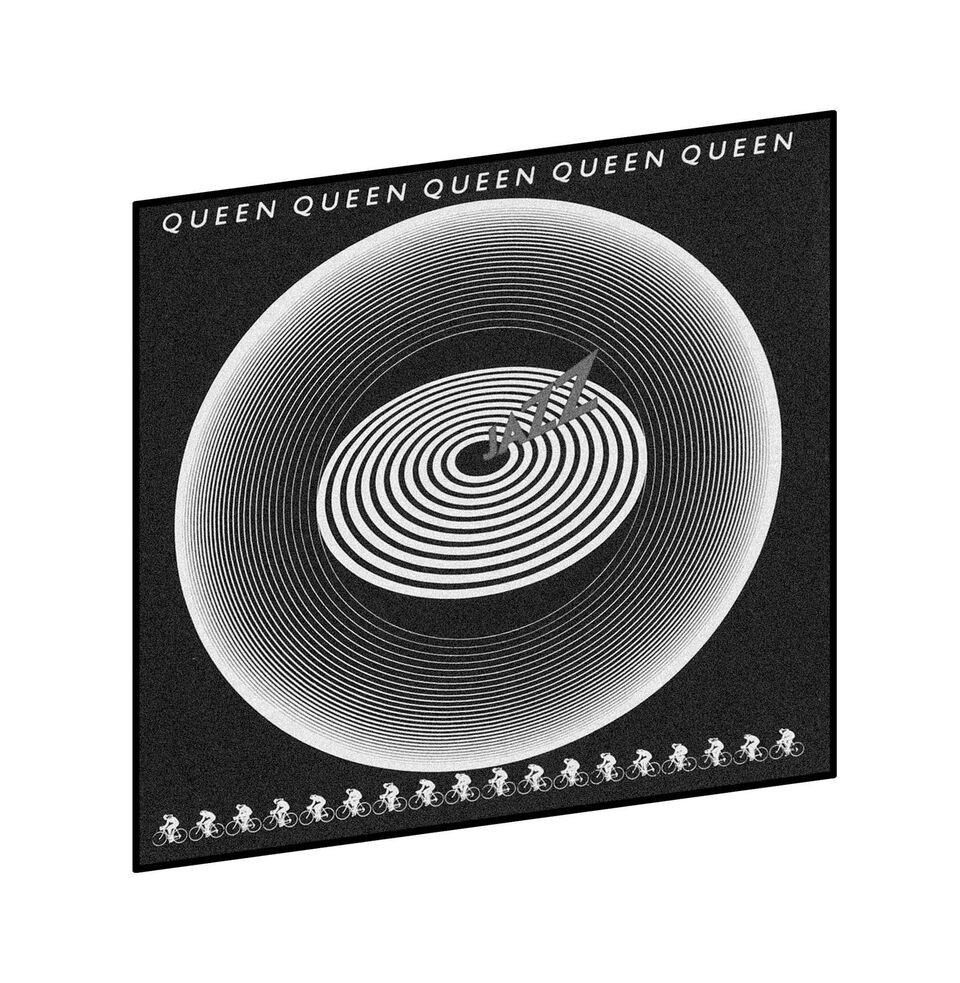
DON’T STOP ME NOW, QUEEN

“Tonight I’m gonna have myself a real good time,” Freddie Mercury begins. “I feel ali-i-i-ive. And the world, I’ll turn it inside out.” Let’s do as the man says.

Jazz album cover

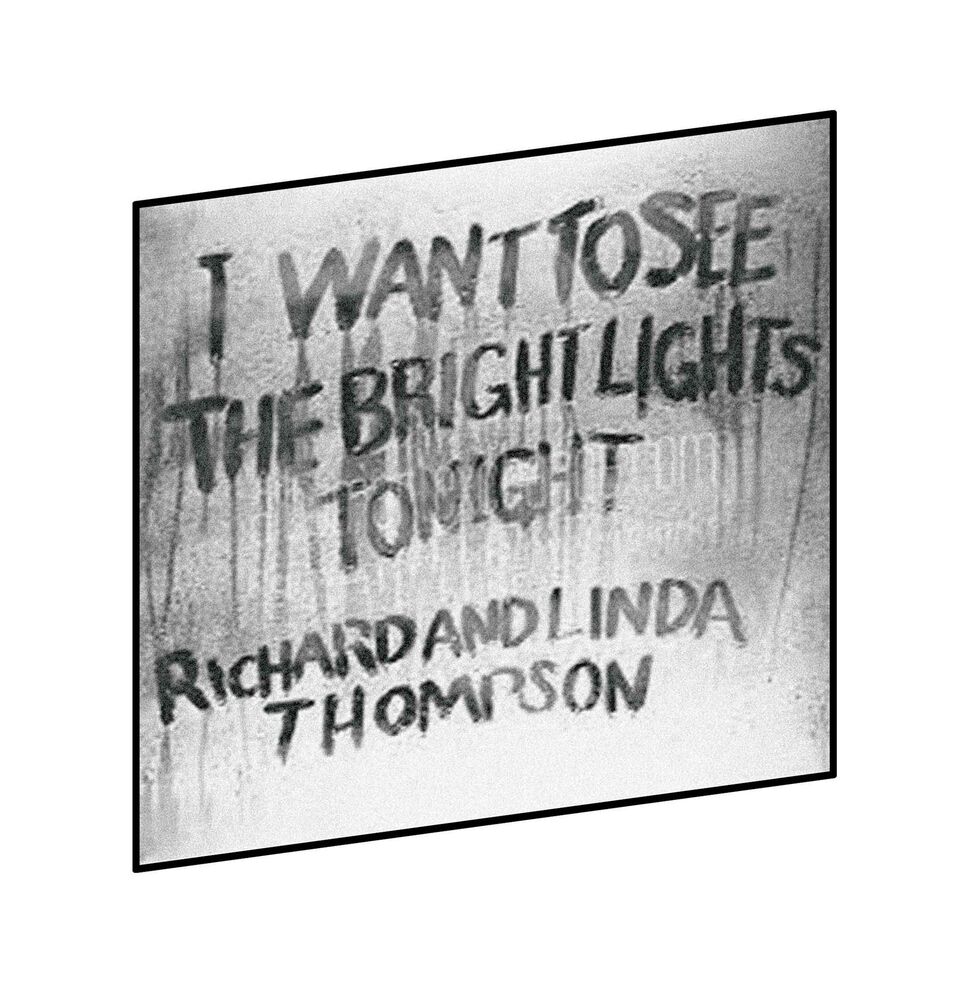
I WANT TO SEE THE BRIGHT LIGHTS TONIGHT, RICHARD AND LINDA THOMPSON

Next you’ll want something with a more laid-back groove. Linda sings, “I’m gonna dream till Monday comes in sight.” This implies the existence of a weekend. Remember those? It’s time to get pumped about having two days off in a row.

I Want to See the Bright Lights Tonight album cover

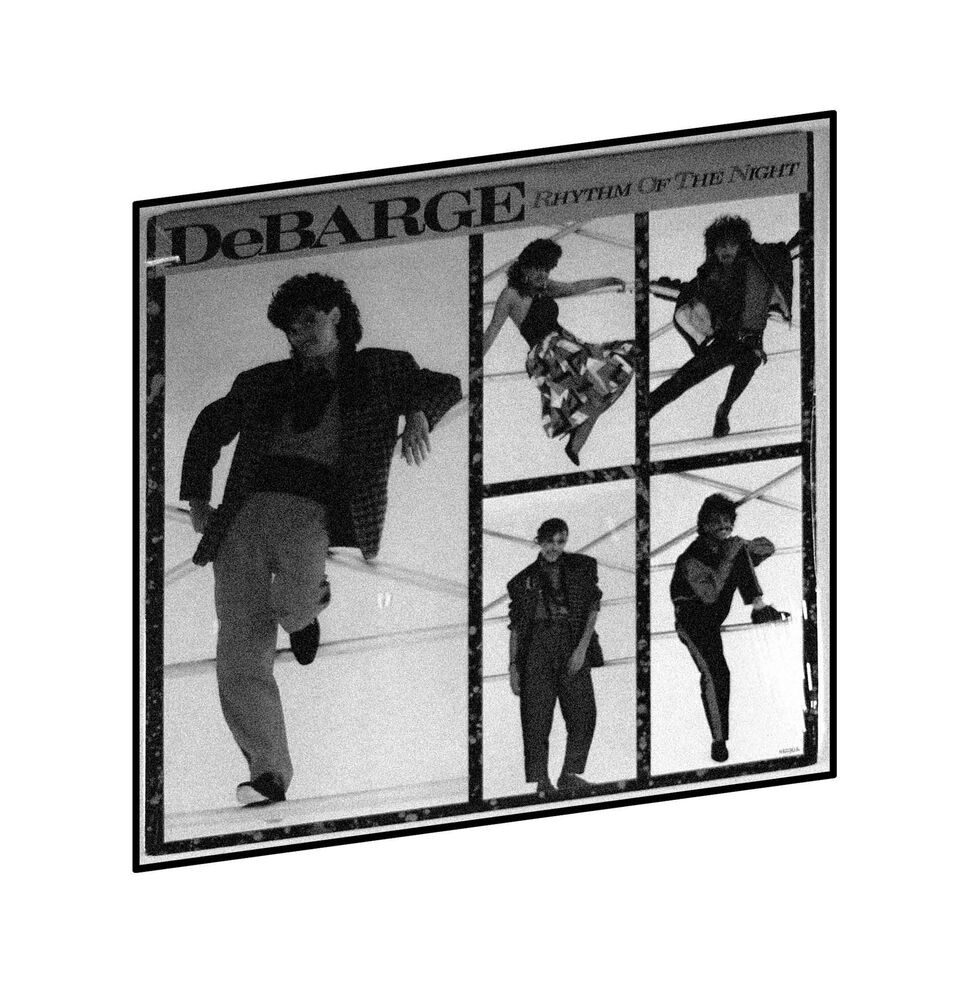
RHYTHM OF THE NIGHT, DEBARGE

Remind everyone how good it is that you’re all here together, and “to the beat of the rhythm of the night, dance until the morning light.”

Rhythm of the Night album cover

HOUNDS OF LOVE, KATE BUSH

There’s always that point in the evening when a few people peel off. With fewer friends around to say, “Huh?” to your choices, get weird. Take those shoes off, as Bush sings in this 1985 indie rock hit, and “throw them in the lake.”

Hounds of Love album cover

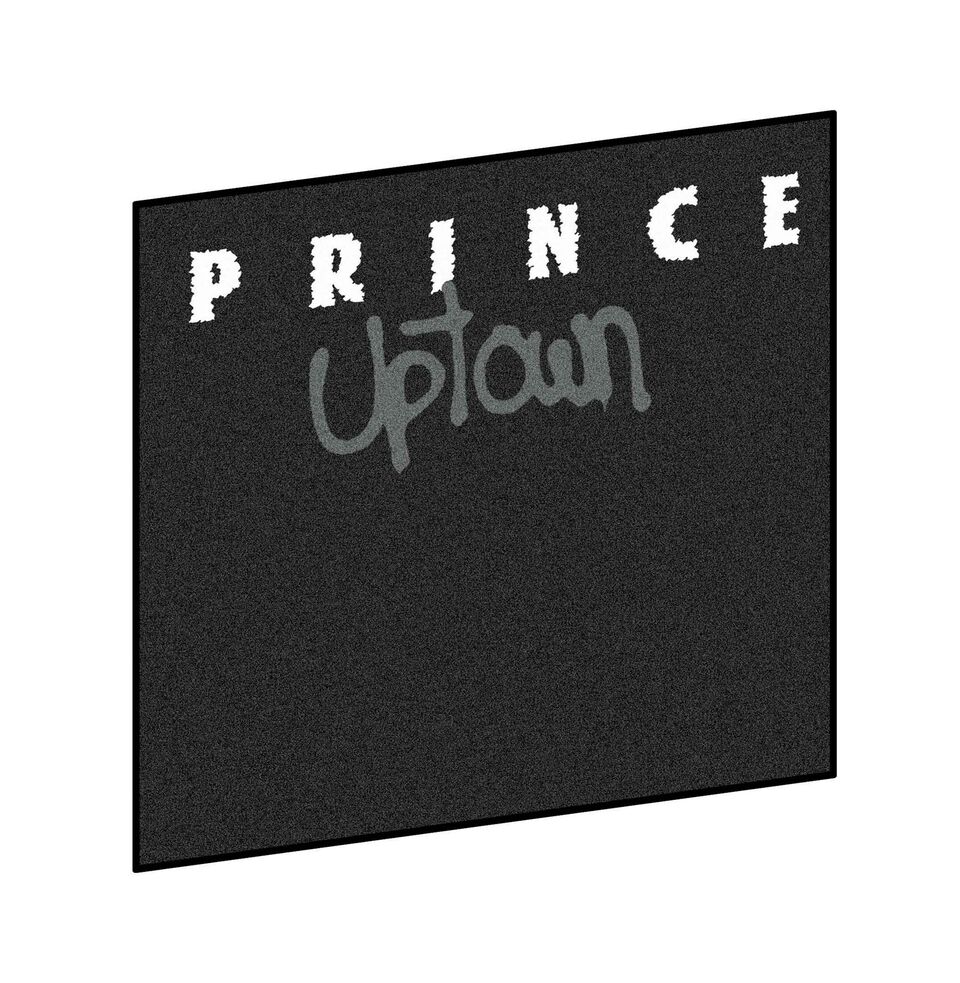
UPTOWN, PRINCE

If you haven’t performed a Prince song, you haven’t actually done karaoke. This one, which “ain’t about no downtown, nowhere-bound, narrow-minded drag—it’s all about being free,” speaks to our communal wanderlust.

Uptown album cover

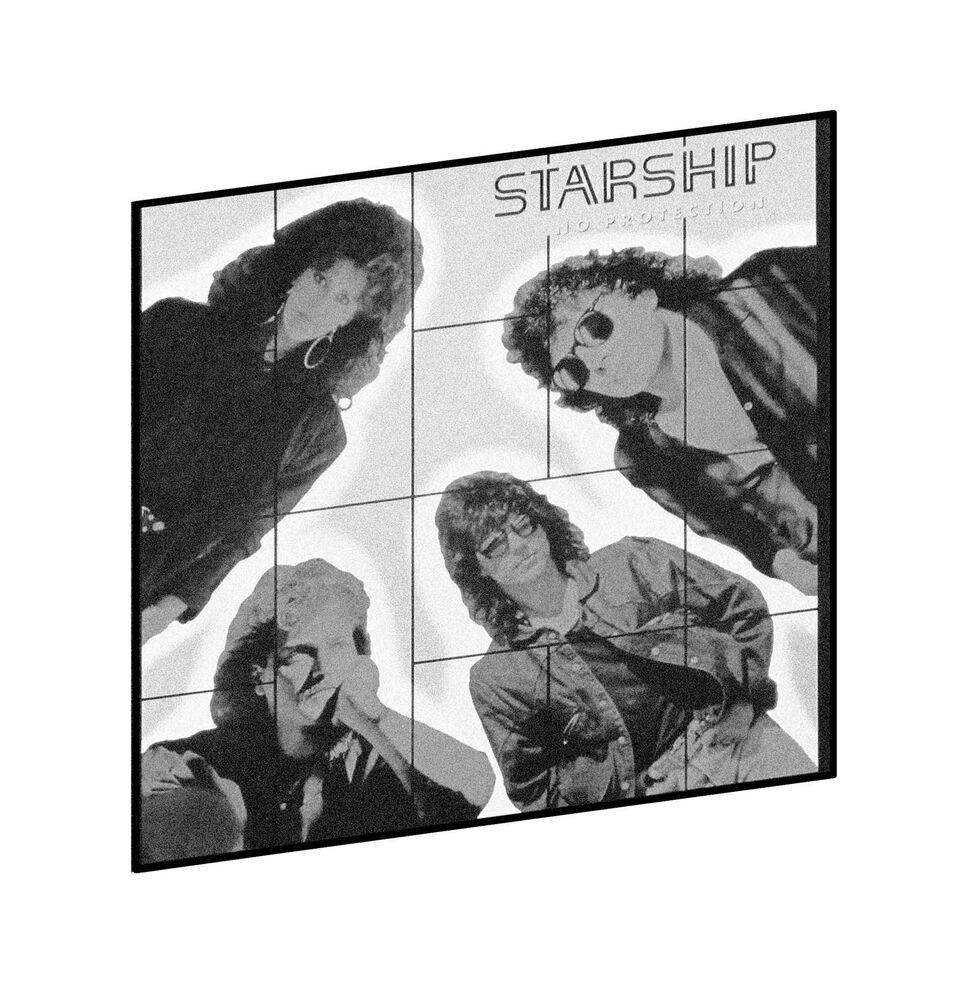
NOTHING’S GONNA STOP US NOW, STARSHIP

Karaoke nights live or die on duets. Is there a more optimistic, let’s-do-this, two-hands-on-the-mic song than this one? “Let ’em say we’re crazy. What do they know?”

No Protection album cover

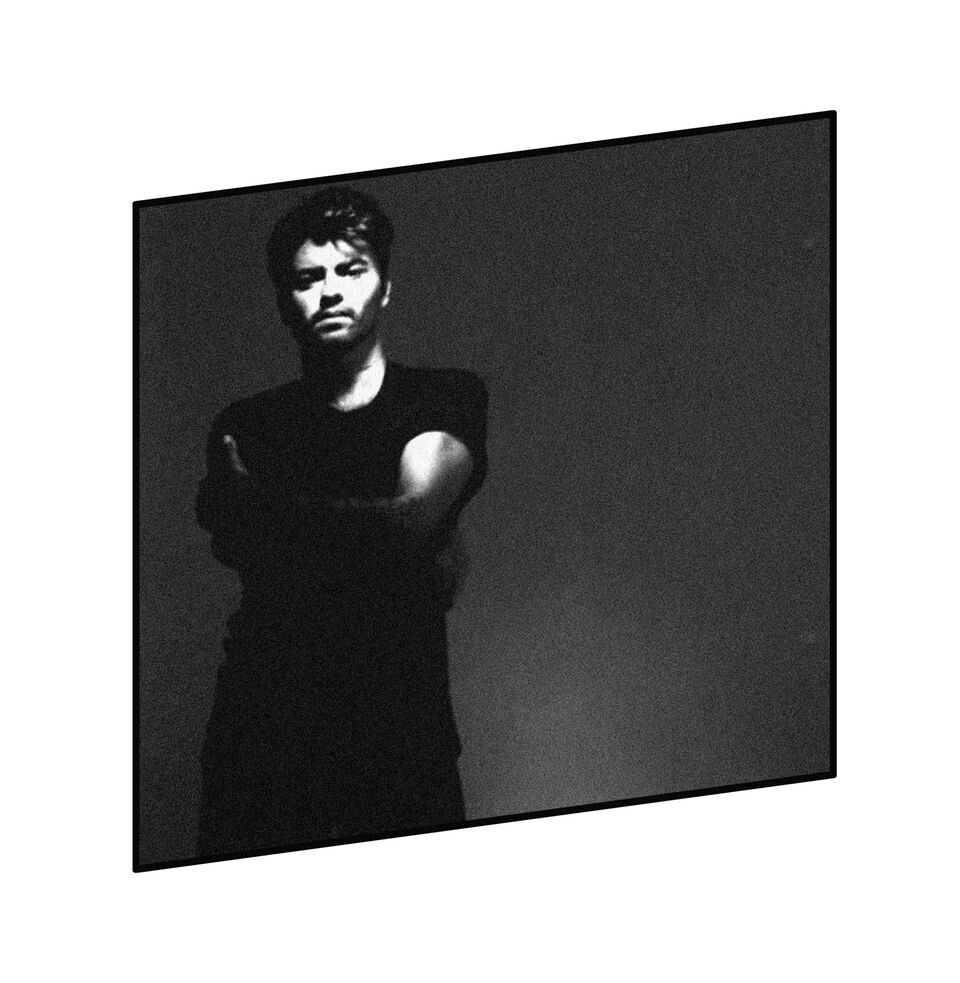
FREEDOM! ’90, GEORGE MICHAEL

You need a closer, a song for the whole room. No, it’s not that one by Journey; this past year has taught us that you very much can stop believin’. When the day comes that I’m standing on vinyl banquettes, I want everyone around me to know: “I won’t let you down, I will not give you up.”

Freedom 90 album cover

Make Pennies on Spotify

Make Pennies on Spotify
Illustration: Carolyn Figel

My five-piece band, the Gincident, plays what we call “twangwave and grungegrass,” a mashup of country, jazz, and punk. We’ve gotten reasonably good reviews on obscure websites, and we’re on Spotify and other streaming platforms. But at a fraction of a penny per stream, we’ve earned just $9.58 from our two albums in the past year. What have I done with my earnings? I haven’t gotten my share yet, because … well … what’s the point? But I expect that in the next few months we might be able to buy some new guitar strings—and maybe even a few beers for the band to share.

Build a Business on …

TIKTOK


DREA OKEKE (@dreaknowsbest)

Okeke

Okeke @dreaknowsbest/TikTok

Okeke’s comedy, lifestyle, and culture videos have attracted 5.3 million followers. She charges brands, including Amazon Prime, Bose, L’Oréal, and Tide, from $10,000 to $20,000 per post.
 

Most people think the only way to make money on TikTok is through deals with brands. But that’s not true—it’s not even the easiest way. It took me a while to build the kind of following that lets me charge what I charge. For example, you could give your videos some type of catchphrase. Maybe you’re always saying, “It’s food time!” in skits or in your tutorials. Then you can sell merchandise with the catchphrase on it.

Whatever you’re selling, make sure you’re making videos of you creating the product. Use songs that are trending. Music is the best way for your video to get traction. Get some microinfluencers to use your product and have them make a video that’s authentic, like, “Hey, guys, I was looking through the internet, and I saw this, and I had to buy it—here’s how I used it to decorate my room.” Nobody’s going to know it’s an ad, because these guys don’t have many followers. You can pay them or give them stuff for free.

If you don’t have your own product to sell, you could try affiliate links, which give you a kickback for posting about something. This guy recently posted this cool video of a microscope thing that goes in your ear and sees your earwax and put the link to buy it in his bio. Anytime someone clicks to purchase it, he gets money. Whatever you do, put links in your bio. —As told to Sarah Frier

ETSY


KATE ANTESBERGER (PlannerKate1)

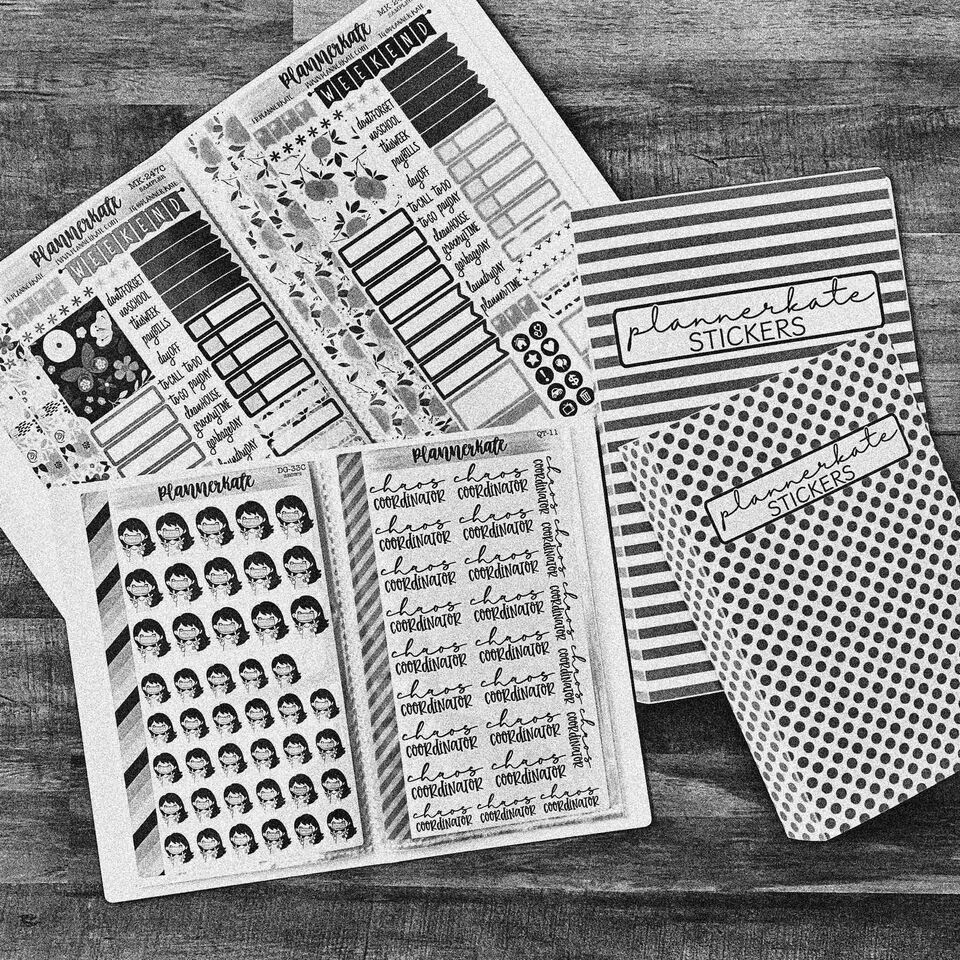
Stickers from Antesberger's shop

Stickers from Antesberger’s shop. Courtesy: Kate Antesberger

For seven years, Antesberger and her husband, Karl, have run a business making stickers and sticker tape for day planners. They did $2.5 million in business in 2020.
 

I’ve always loved planners. I’d posted a picture of my calendar on Instagram—I’d made some stickers that popped. People said, “You should sell those.” That day, I started an Etsy shop. In six months, I left my job at IBM to do Etsy full time. I have an accounting degree and an MBA. My dad was like, “You’re foolish.”

The sticker industry has blown up. We make everything ourselves. There are stickers for things like a doctor’s appointment that’ll just say doctor, or it’s a stethoscope. There are stickers to make your planner look cute for birthdays, paydays. Others are for therapy or women tracking their cycles.

Some of the bestselling ones last year were the quarantine trackers. We started with one sheet marking days 1 to 50. The stickers said quarantine day #1, #2, etc. We ended up going to day 460. There was also a “quarantini” sticker of a martini glass to mark another solo happy hour.

People had more time for it last year, so that might have played into our growth. The comfort of being able to track things and keep normalcy in our lives helped. I had customers thank us for bringing joy to their lives. We have such a strong community of planner people. —As told to Jordyn Holman

ONLYFANS


STARR HAWKINS (@babymommafit)
 
Almost 400 people subscribe to watch her workout videos, each paying $30 a month.
 

I trained a lot of Miami’s hottest moms, like Karlie Kloss and sports agent Drew Rosenhaus’s wife [Lisa Thompson]. But when the pandemic hit, I couldn’t do classes in public. I’d been teaching for eight hours a day, charging up to $80 a class. At first I started streaming on Instagram Live, doing classes for free. Then Beyoncé mentioned OnlyFans in a song, so I decided to check it out.

I never miss a day. Consistency is key. If Christmas falls on a Wednesday, we’re working out on Christmas. When you become a part of their day, they get hooked. I post the video every day at the same time, and now the girls are waiting for it.

There are months when the business doesn’t grow. When that happens, I make a challenge. The person who lost the most weight gets $200. I post photos to Instagram showing what girls looked like before they worked out with me and after, to spread word-of-mouth. On Friday, I do “Bring a Friend Friday” to expose someone new. I sold 200 T-shirts in a month and a half, and people wear them to class. There are girls in Singapore and Australia wearing my shirts. They say “Baby Momma First” and “Class of Ass.”

I started with 150 subscribers. In January last year, I was a single mom, $30,000 in debt, working from 6 a.m. to 8 p.m., and living paycheck to paycheck. Now I’m making $10,000 to $12,000 a month on OnlyFans and might have enough money to buy a house. —As told to Lucas Shaw

INSTAGRAM


DHAR MANN (@dhar.mann)

Still from Mann's videos

Still from Mann’s videos. Dhar Mann Studios

Mann, who has 4 million followers, produces videos that tackle thorny subjects such as bullying (Student Humiliates Special Ed Kid) and overparenting (Mom Forces Girl to Play With Barbies). He says the content generates six figures in annual revenue from ads on the platform’s IGTV feature.
 

When I started, it was just me talking to a camera. I wouldn’t break 1,000 views. Then I added animation with a voice-over, and I’d get more than 10,000. Then I analyzed the data to figure out what people wanted: something that sparked emotion, was about a topic of current conversation, and ended with a twist, leaving them with a memorable feeling. I started casting my own family members. My third one, about a CEO talking down to a janitor, took off.
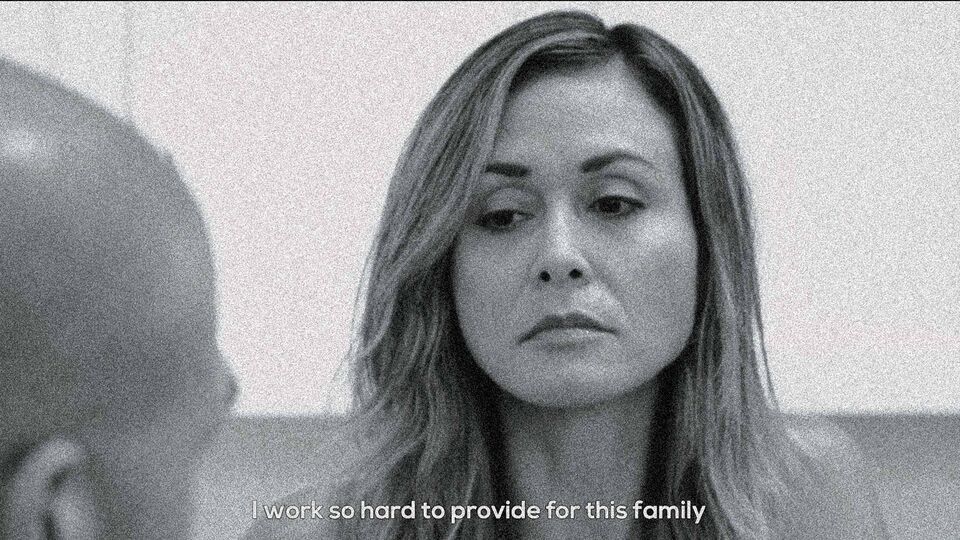
Still from Mann's videos

Still from Mann’s videos. Dhar Mann Studios

I pull in more money on other platforms, about $25 million a year from the ads that run on my YouTube and Facebook videos. IGTV became a surprise hit for me, though, and is starting to become more important because of the new revenue share from the ads.

If I were a creator starting fresh, I’d focus on YouTube or TikTok. Insta is saturated—you could make $60,000 a year with 100,000 followers, but it would be hard to become a millionaire. Just don’t buy followers or comments. People can tell it’s not real. —As told to S.F.

YOUTUBE


NATHAN MILNER (Unspeakable)

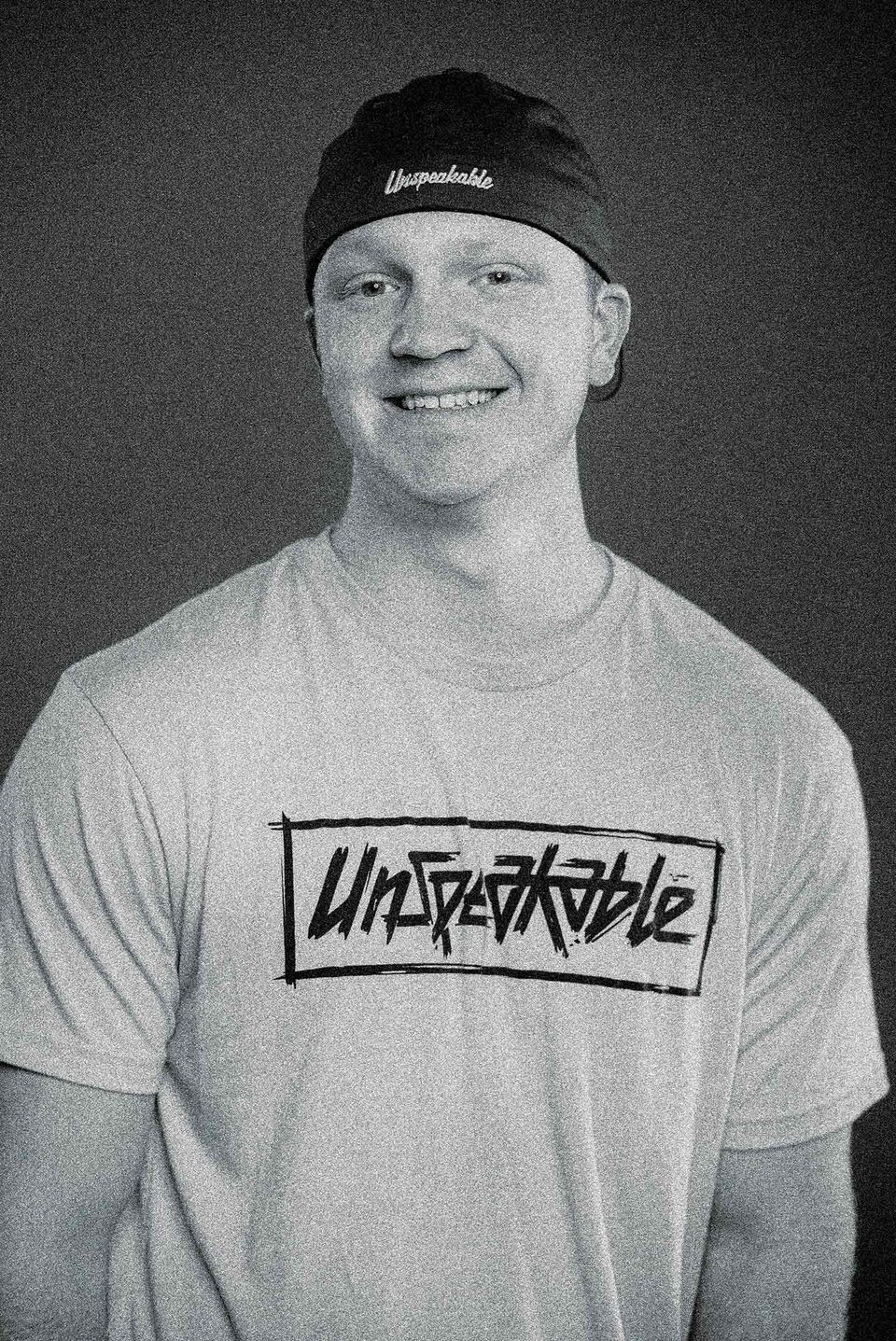
Milner

Milner Courtesy: Nathan Milner

Milner, who has about 11 million subscribers for five gaming and vlogging channels, says he has annual revenue in the “tens of millions of dollars” from posting videos with names such as ESCAPING 100 LAYERS OF CARDBOARD! WE’RE TRAPPED!
 

The first videos I posted were about the game Minecraft. I didn’t expect to make any money. I was only 13 or 14. In one video, I ranked my top five modifications, like adding a miniature map to the screen or an option that lets you see how hurt another character is. That video now has 357,000 views—about 50 times more than any of my earliest videos. That’s when I realized that not a lot of people offered that kind of information. I found that niche and went all-in.

When I was getting 100 million views a month, I was one of the three most-watched Minecraft channels. My most successful videos weren’t the “top five” videos anymore. They were of me trying to entertain people while I played games. That’s when I decided to start a video-blog channel. I saw a video of a dude making a Hot Wheels track. So I made a Hot Wheels track, only I made it go underwater.

I now operate five different channels. Our most popular video is us building a massive Lego tower. It’s gotten a lot easier now that I have a team. We upload videos every week, and each one gets at least a couple million views. We toss out 80% of our ideas. If we film something and it doesn’t work, I’m not going to upload it. That’s probably why I end up working 80 hours a week.

Good titles and thumbnails are everything. I make two or three for every video. I pick whichever I think is best, but if it doesn’t perform, I switch it out.

The channels combined generate more than 300 million viewers a month, and revenue from the business doubles every year. A lot of that comes from ads, but a growing portion comes from merchandise and branded-content deals. I made enough money that I bought a house in north Houston surrounded by water to film the videos. My next goal is I want to buy a submarine. —As told to L.S.
Meet a Deadline for Your Book About Deadlines

a thinking book
Illustration: Oscar Bolton Green
The problem with writing a book about deadlines is that everyone expects you to submit the manuscript on time. I couldn’t read my own book for advice; it hadn’t been written yet. Luckily, my reporting produced two early insights for a treatise on timeliness that saved me from being late.

One of my first interviews was with Bill West, head of operations for Airbus Americas Engineering. Building a jet is incredibly complex—more daunting than writing a breezy business book, even. It can require 10 years to go from first designs to federal certification to production. Even so, airlines expect their planes to arrive on time. “Once I tell JetBlue I’m going to deliver an airplane on the 15th of December,” West told me, “it’s got to be delivered on that date.” The secret was to plan “right to left”: Fix your deadline and work back from there, figuring out big stuff first and filling in the rest later. “People try to get too detailed instead of building a top-level schedule,” West said.

For my book I had a year to get everything done, and I knew I wanted to embed in as many high-pressure workplaces as possible to see how they approached deadlines of various sizes and severity. So I made a simple calendar: I would report on two places in the spring, three in the summer, and three in the fall, filling in expert research along the way. That framework allowed me to chart my way from the first blank page to the completed book.

The second breakthrough came during a month I spent with chef Jean-Georges Vongerichten while he prepared to open two restaurants on back-to-back days. (“A massive pressure,” he told me.) Even as construction crews were hammering and sawing and drilling all around us, Vongerichten began to offer daily dinner service to staff. These mock services were first for 20 employees, then 30, then 40. They acted as self-imposed deadlines, mini-openings on the way to the big night. The trick was to treat each one as if it were real—demanding customers were out there judging the food, the waitstaff, the menu.

I wanted to replicate that checkpoint approach for the book. Rather than scribbling down notes and saving the writing for last, I would complete a chapter right after I finished reporting on each workplace. In place of an audience of hungry diners, I imagined my editor, red pencil in hand. The result was that, well before the year was up, I had a rough draft of the book waiting for me.

What did I do then? I read it, revised it, and turned it in right on time.

—Cox’s The Deadline Effect: How to Work Like It’s the Last Minute—Before the Last Minute will be published on July 6 by Avid Reader Press/Simon & Schuster.

Sell a Luxury Condo

Miki Naftali, Founder, Naftali Group LLC
Sell a Luxury Condo
The Benson
Hayes Davidson/Naftali

His New York development company’s latest project, the Benson, a 19-story condo on the Upper East Side of Manhattan, is scheduled to open at the end of the year. Apartments in the Madison Avenue building start at $13.25 million, and all 15 units were in contract as of mid-April.
 

I start with location. What used to work a few years ago on 57th Street and in other parts of New York doesn’t work now, because you don’t see as many foreign buyers.

There’s still demand for what we call “prime” Upper East Side between Park and Fifth avenues, between the high 60s and high 80s. There’s a group of buyers who only want to live in this rectangle on the map, and there isn’t much available.

In terms of floor plans, they’re looking for grand rooms, big spaces without beams or weird ceilings with ducts. Then you consider an open vs. traditional layout. We have a kitchen with a doublewide opening with sliding doors, so that you can either keep it open to the dining room or you can close it off so it’s more formal.

I strongly believe in pre-selling—we sell while we’re still building the project. When we opened the sales office for the Benson, the first people who put in offers were expecting a discount because of the pandemic. I said, “I’m sorry, there are no discounts in this building. The site cost me a fortune. The building cost me a fortune to build.” We priced the units very fairly. —As told to James Tarmy

Contemplate a Covid Memorial

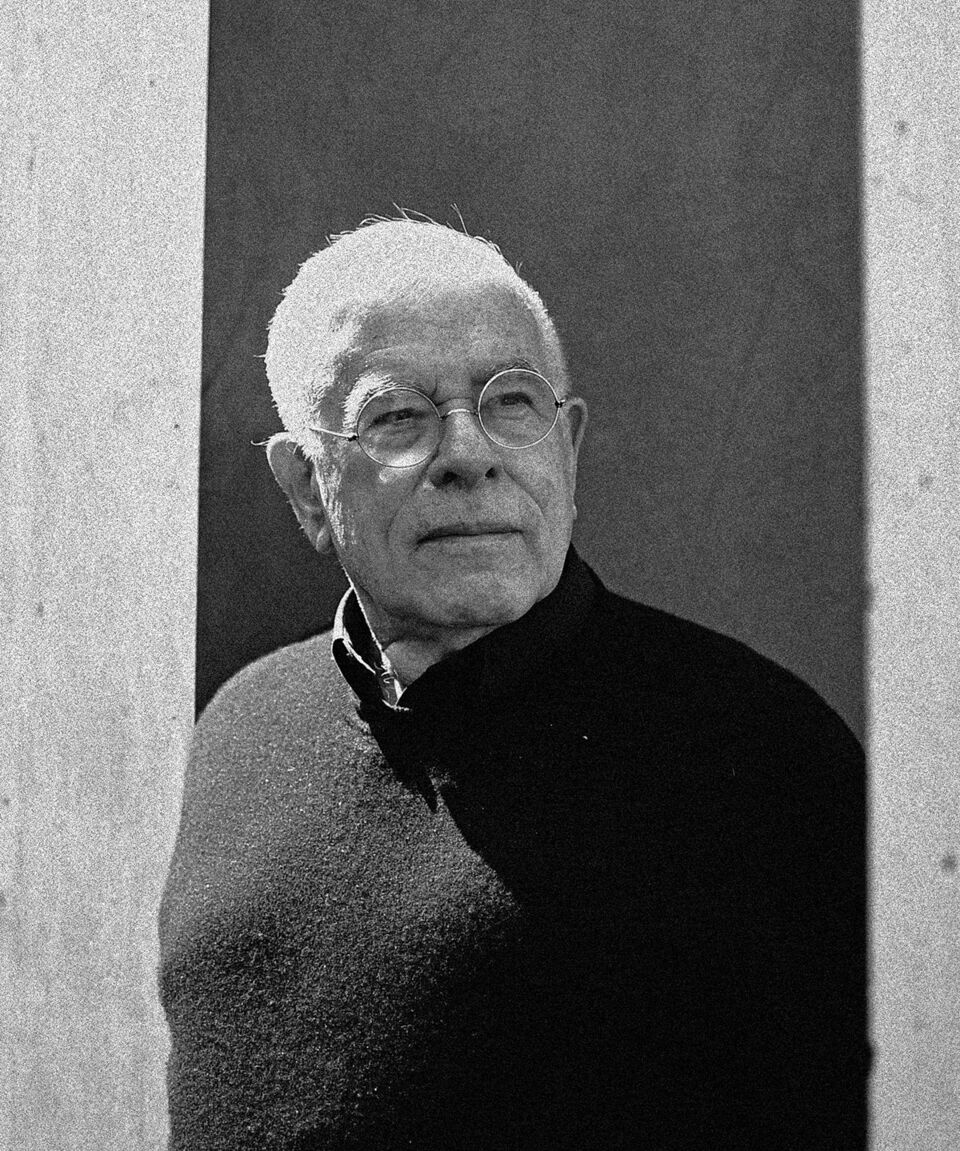
Peter Eisenman, Founder, Eisenman Architects, and visiting professor, Yale School of Architecture
Contemplate a Covid Memorial
Eisenman
Britta Pedersen/Getty Images

His studio designed the Memorial to the Murdered Jews of Europe in Berlin.
 

When I designed the Memorial to the Murdered Jews of Europe, I wanted an abstract memorial. I didn’t want something that had overt symbolism. No Jewish stars, no remembrances, nothing. Just silence is what I was looking for—silence in the field of stones. In a society of so much noise, maybe silence was a good thing.

If you said you wanted the same thing for a Covid memorial—“We want silence to hear the voices of the dead”—I would say, “How would we create a different kind of silence?” The victims of Covid don’t speak. They’re silent. And they never had a chance to speak at the end. As I understand it, most people who die of Covid don’t have a chance to say goodbye. And so the memorial would be their way of saying goodbye. But where do we even put silence? Do we put markers around the world that tell you how much of a population was lost?

I would begin in 50 years. There’s nobody that’s had a chance to reflect on Covid because it’s still with us. I was in this house for months, scared to death, because I’m 88 years old.

Memorial to the Murdered Jews of Europe

Memorial to the Murdered Jews of Europe Popow/Getty Images

It’s so unnecessary, the number of people who’ve died. It could have been prevented if the government had acted better. Do we want a memorial that memorializes the ineffectiveness of government? That’s not what memorials are about.

I love the idea of culture and remembrance and institutionalizing memory. We are a culture that needs these kinds of reminders. But a Covid memorial right now? It would be an empty gesture. I just can’t help but think that. Maybe I don’t have the visionary spirit. One thing I could think of is an online memorial. A pandemic is placeless. It’s everywhere. What do we have that can memorialize everywhere? The internet. So why not design one that we could interface with?

If you asked me personally to do another one, I wouldn’t know what to do. I don’t want to be involved with anything to do with Covid. —As told to James Tarmy

Pitch a VC

Suneel Gupta, Co-founder, Rise
Pitch a VC
How you discover an insight can be as meaningful as the insight itself, Gupta says.
Emily Rose Bennett for Bloomberg Businessweek

Gupta, a faculty member at Harvard Medical School, is the author of Backable: The Surprising Truth Behind What Makes People Take a Chance on You, published in March. Rise, his one-on-one nutritional coaching startup, was sold to primary care provider 1Life Healthcare Inc. in 2016 for a reported $20 million.
 

I’d gone zero for … more than 12 pitching Rise. It was going so poorly that, hoping there would be investors in the audience, I agreed to be the keynote speaker at the 2012 FailCon, a San Francisco tech conference that celebrated flops. Not only did that not work, but my photo appeared in the New York Times a year later at the top of a story about failure.

If I didn’t get a VC to invest soon, I’d have to shut down the company. So I went to another conference room at another VC firm in Palo Alto and gave my pitch. When the VC picked up his phone and started answering an email in the middle of my presentation, I knew I was done.

I hurried through my slides, which included one about our pilot customers. He asked, “How did you find them?” I was afraid to give the answer, because it was not very Silicon Valley. The truth was that I stood outside Weight Watchers meetings. I told him how one group escorted me from the premises. How I approached one man who, it turned out, wasn’t a Weight Watchers member. The VC put his phone in his pocket and began to ask more questions. He became the first VC to say yes, even though we wound up going with other investors.

I learned that how you discover an insight can be just as meaningful as the insight itself. My story had clear characters and vivid visuals. It showed that I had dedication and drive.

I used the Weight Watchers story at every pitch after that first successful one, and it was always the part VCs loved the most. That’s because a great pitch is based on an “earned insight”—information you gather from firsthand experience. That could be through talking to customers, test-driving competitors’ products, or attending obscure meetups.

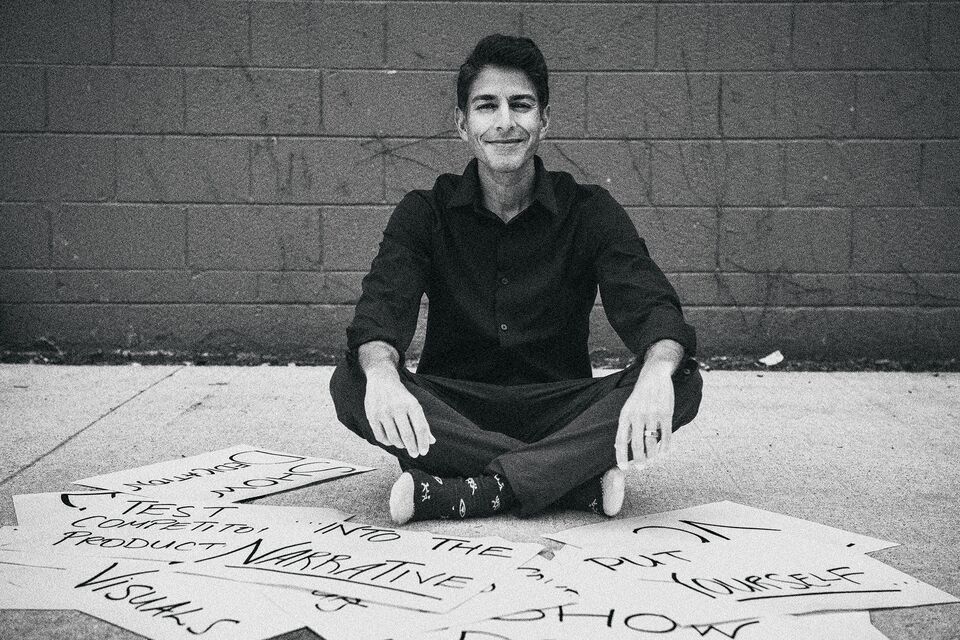
Put yourself into the narrative. —As told to Joel Stein

Tip a Bartender

tip a bartender
As of April 30, 2007, there were $1,549,052,714 worth of $2 bills in ­circulation globally, according to treasury.gov.
Classicstock
In my bar-going younger days, a buddy of a friend taught me a trick. When you hit the bank on Friday—and, yeah, this will require that you go inside an actual bank—ask the teller to give you your withdrawal in as many $2 bills as possible. There aren’t many in circulation. Sometimes you’ll get one or two; other times you might get $20 worth. But no matter how many you get, you’ll be able to tip twice as much as the schmuck next to you—and you’ll be much more memorable for future rounds. Anyway, after the past year, your bartender needs that extra buck more than you do.

Erect a Bike Shed

Erect a Bike Shed
The structure, reproduced as a 1:9 scale wood architectural model.
Ryan Duffin for Bloomberg Businessweek; Prop Stylist: Jason Rooney

My middle son, who’s 18, is a heavy metal drummer, and he did his best to stimulate the economy by turning a pandemic unemployment check into the biggest drum set he could find. To accommodate the kit, I converted half of our garage into a music studio. But then I had to figure out what to do with three bikes that were now crowding my remaining garage space.

One of my neighbors wanted to replace a cedar picket privacy fence on our property line, so I told him I’d remove it. That was a lot of lumber to be salvaged, and I needed a shed.

I spent a couple of weekends on the project, about half the time pulling nails from the fence, tapping them straight, and stashing them in a coffee can for later use in the build. I sawed off the rotten bottoms of 4-by-4-inch posts—fences tend to rot from the ground up—saving at least 6 feet from each one, which was plenty to build a 4-by-6-foot frame for the shed’s base. I had a scrap piece of plywood from building the music studio, and I used that for the floor. Then I framed the walls using the slats from the fence. I made the rear wall taller than the rest to slope the rolled asphalt roof, which will drain the rain. I started feeling good watching it come together when some neighborhood children walked by and asked me why I was building an outhouse.

The finished product is a 24-square-foot shed that holds three bikes vertically on hooks, as well as my bicycle tools, helmets, locks, and other stuff. I spent about $100 on the roofing materials. I was so proud, I made a YouTube video.

Lockdown made it easy to stay inside and be fairly sedentary. The bike shed helped motivate me to get outside. And maybe I’ve encouraged other people to make use of old fences instead of sending them to a landfill.

Answer Someone Who Asks How the Stock Market or Economy Will Perform

Peter Coy
Courtesy Peter Coy
I get this question a lot when people find out I cover economics for this magazine. What I’d like to say is: “Glad you asked! Of course I know the answer. My perfect foresight has made me inconceivably rich.”

What I actually say is:

“The median forecast of economists surveyed by Bloomberg predicts U.S. gross domestic product will grow 6.3% this year. The median estimate for the yearend S&P 500 is 4,150.”

It’s the perfect way to end a boring conversation.

Fall in Love

Peter Coy
The couple on a road trip to Phoenix for Thanksgiving.
Courtesy Laura Bolt
Last spring, stuck alone in a studio apartment in Los Angeles, I redownloaded Tinder. I had low expectations and a lot of time, but it took me only a few swipes to match with Anthony, a teacher with striking blue eyes. In a normal world, we might not have found each other: Anthony had been teaching in China for two years, only to be marooned with family in Florida after visiting for a friend’s wedding. Tinder’s Passport feature lets you choose a city to swipe in—Anthony picked L.A., because he imagined living there one day.

After messaging on the app, we moved to the phone. Our second call lasted six hours. We didn’t experience most of the standard first-date jitters, though I later found out that until our first Zoom date he’d been mildly anxious that I might not have teeth, given my predilection for not smiling in photos. He was relieved to find out he was wrong.

Without the usual life distractions—and a renewed focus on the things that mattered—I could easily see what made Anthony so special. He was intelligent, empathetic, deep, playful, sensitive, and strong. He made me feel like we could have a future together. In one care package, he included a sea bean. He explained that they detach from trees and float in the ocean, sometimes for years, before washing up on shore far from where their journey began but exactly where they’re supposed to be.

By August, with no end in sight to the pandemic, we decided we were tired of waiting to be together. We picked a date, and Anthony prepared to move more than 2,600 miles across the country. We realized there was a certain degree of crazy to it, but what did the traditional rules of dating matter when everything in life had changed so much?

Anthony arrived a few weeks later. We moved into a new apartment, and on April 17 we celebrated our one-year anniversary.

Land on Mars

Allen Chen, Systems engineer, NASA’s Jet Propulsion Laboratory
Land on Mars
Perseverance
Courtesy NASA/JPL-Caltech

Chen leads the entry, descent, and landing team for the Mars 2020 project, the mission that sent the rover Perseverance to the Red Planet.
 

Landing on Mars is all about finding a way to stop, and stop in a safe place. And really it’s about the spacecraft doing it all by herself. We can’t joystick it down. It takes about 11 minutes for signals to arrive from the spacecraft to Earth.

There are so many things that have to go right! Every spacecraft hits the top of the Martian atmosphere going around 12,000 miles per hour but needs to touch down at 1 mph. The first step of that is to use the Martian atmosphere to slow down. Encased in that protective capsule, it goes streaking across the Martian sky like a meteor. Not only does it have to survive that intense heating and the intense deceleration that it sees during that part of flight, it also has to steer its way to the landing target. It’s using thrusters to basically fly itself like an airplane to the place we’re trying to land.

That only takes you down from hypersonic speed to supersonic speed. When it’s still going almost twice the speed of sound, Perseverance has to deploy a 70-foot-diameter parachute. This is a supersonic parachute, not a parachute you normally think of as folks jump out of a plane. This parachute inflates in a fraction of a second. It goes from being fully packed to the density of an oak tree, basically.

While slowing down on the parachute, we’re going from supersonic speeds to near subsonic. Still going at about six-tenths the speed of sound on Mars, Perseverance jettisons the heat shield that protects it throughout the entry to get a look at the ground. We start taking a look with the radar to figure out how high up we are and what the velocity of the vehicle is. And then as we get lower we activate a system called terrain-relative navigation, which was a new system for Perseverance. In the past, we’ve taken pictures during the descent but never asked the spacecraft to do anything with them. This time we gave Perseverance an entirely separate brain to process those images and compare them with images we’d taken from orbiters overhead.

I don’t think anyone does this anymore, but I remember back in the day driving around with a map and looking out the window, trying to line things up and figure out where you are. That’s what Perseverance does with that terrain-­relative navigation system, still going at about 160 mph down. That’s about the same speed as you or I would be going if you jumped out of an airplane skydiving and headed straight for the ground with no parachute. Race-car fast.

The parachute has done its job. It can’t slow us down anymore. So Perseverance jettisons it and lights up engines to finish the job. That terrain-relative navigation system, having helped us figure out where we are, now has a map of all the safest spots at the landing site and flies to one of them.

It’s still going 160 mph at that point. It uses those engines to slow down, fly over that spot—in this case, Jezero Crater—and come down directly above it, slowing down to 1 mph. We have this rocket-powered jetpack that’s been doing the job of slowing us down. We deploy the wheels of the suspension system of the rover—the landing gear, if you will.

Put those landing gear down. Put that rover on the ground safely at a nice, low speed of 1 mph. Make sure we’ve touched down. Cut that rocket-powered jetpack boost, and let it fly away to a safe distance. And we have a safe rover on the ground. —As told to Justin Bachman

Buy Happiness (in a Pandemic)

I was employed, healthy, and regularly donating to a charity for seniors in London. And yet the pandemic gloom persisted. I couldn’t go out and do anything in the city. Could buying stuff make me happy?

The saying, of course, is that money can’t buy happiness. But that’s not really true. A recent study published in the Proceedings of the National Academy of Sciences even refuted the roughly decade-old theory that money doesn’t affect your sense of well-being above a certain income level.

The past few months are evidence that money can, in fact, buy me happiness. Here’s what I bought—and what it did for my mental health.

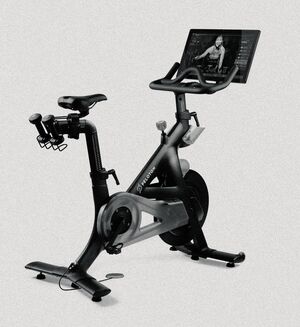
PELOTON

A peloton bike
Starting at $1,895 (Or $49 per month for 39 months, which is how I can afford it, plus a $39-per-month membership fee)
WHY I BOUGHT IT I figured if I was going all-in on exercise equipment, I might as well get the one piece people were talking about. Elizabeth Dunn, co-author of Happy Money: The Science of Happier Spending, recently told Bloomberg Opinion that it’s worth it to spend money on exercise in particular, because it improves our emotional well-being.
HOW IT MADE ME HAPPY I ended up using it about four days a week. When the weather was dark and horrible, I felt less stressed knowing I was getting in a workout. onepeloton.com

DUNI PREMIUM NAPKINS

napkins
About $15 for 20
WHY I BOUGHT THEM A Psychology Today story, “Get More Bang for Your Happiness Buck: Revel in Anticipation,” convinced me of the benefit of eagerly awaiting deliveries. The article said one element of being happy is having things to look forward to, because it makes the future seem brighter. So I got excited about ordering napkins, printer paper, and envelopes online. I’d also read that small luxuries (napkins, say, instead of paper towels) can bring a disproportionate amount of joy relative to cost.
HOW IT MADE ME HAPPY Following every twist and turn of the supply chain on my orders page made it seem like something exciting was happening. I read all the emails about my orders being processed and dispatched. They were even rerouted sometimes! amazon.co.uk

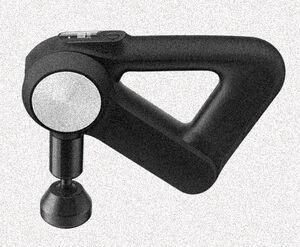
THERAGUN MASSAGE TOOL

theragun
Starting at $199
WHY I BOUGHT IT An article I read in the Wall Street Journal, “Science of the Perfect Gift,” quoted a study that found toddlers exhibited greater happiness when they were offering treats rather than receiving them. I never give good gifts. I decided to up my game for my mom’s birthday.
HOW IT MADE ME HAPPY I worked with my siblings to buy and ship the Theragun. The plotting and planning were fun, and I felt great when my mom, who loves massages but couldn’t get them because of the pandemic, told me it was the best gift she’d ever received. theragun.com

A FUTURE ITALIAN VACATION

Marina Grande, Capri, Bay of Naples, Italy Naum Chayer/Alamy
$8,000 (With half due upfront, refundable until June)
WHY I BOUGHT IT Behavioral research in the past few decades shows that people feel happier when they spend on experiences rather than material goods. The positive emotions last long after the outing is over, whereas the fun from a new thing wears off fairly quickly.
HOW IT MADE ME HAPPY I booked a four-bedroom apartment in Capri. I spent hours looking for properties, scouring maps, and reading blogs and articles about the best spots for a trip. I couldn’t afford this on my own and missed my family, so I invited them to join me and split the cost. Border policies have varied lately, so who knows if this will happen? But I’ve started studying Italian in case I’m miraculously able to travel con la mia famiglia questo agosto (“with my family this August”). vrbo.com

Assess Financial Advice

Assess Financial Advice
Illustration: Aisha Franz

Every three months I ask a group of the best money managers around a question for Bloomberg News: Where is the best place to invest $10,000 right now? They’ve introduced me to ideas I’d never have thought of—Chinese government bonds, dividend-paying companies in Japan. But when looking for money advice, you have to stop and think whether you’re asking the right questions.

Most people, most of the time, don’t have a lot of idle cash to throw at a creative investment idea. They’re stashing away a bit of their paycheck each month for a long-term goal and should be asking their adviser how to build a sustainable strategy. The answer to that question will be different from the one I ask managers every quarter—and more boring: Build emergency savings, max out your 401(k), and create a balanced mix of stock and bond index funds. The most exciting thing to do then? Rebalance every so often so you’re selling high and buying low. Chinese bonds rarely enter the equation.

Even many professional investors don’t often change their deeply held views. That’s what one famous money manager said when he dropped out of the project—he didn’t have a new idea every quarter.

Many investment ideas are more valuable as something to learn from than as something to buy. One theme in the experts’ advice is that they’ve had to cast a wider net to find reasonably valued investments as the U.S. market keeps climbing. If your adviser’s ideas are getting more exotic, look out for the risk that’s building up in the stocks you already have. To borrow a saying from financial planners: No one ever went broke taking a profit.